Art as Expression, Memory and Connection
Visual culture reflects lived experience, emotions, and the ideas that bind communities together.
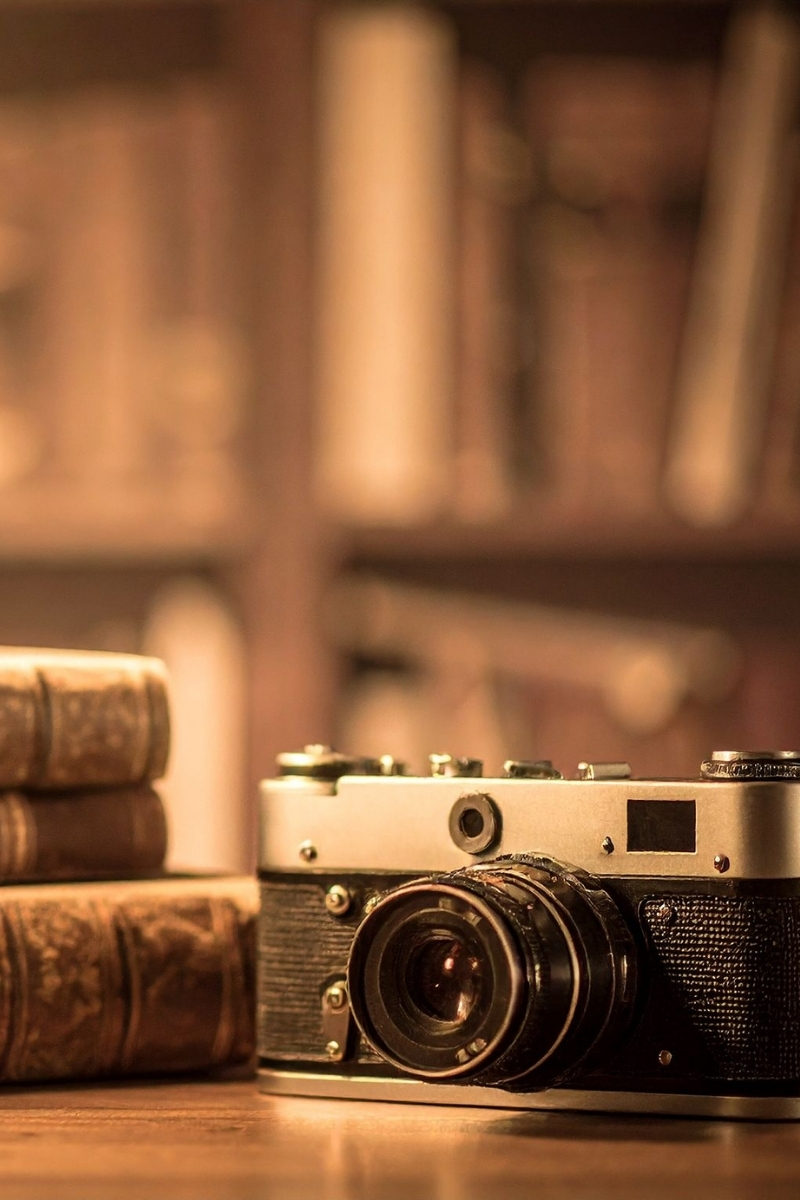
The Photograph: How Photography Changed the Way We See
Photography did more than capture the world. It changed what we expected to see—and the decision behind every photograph never went away.
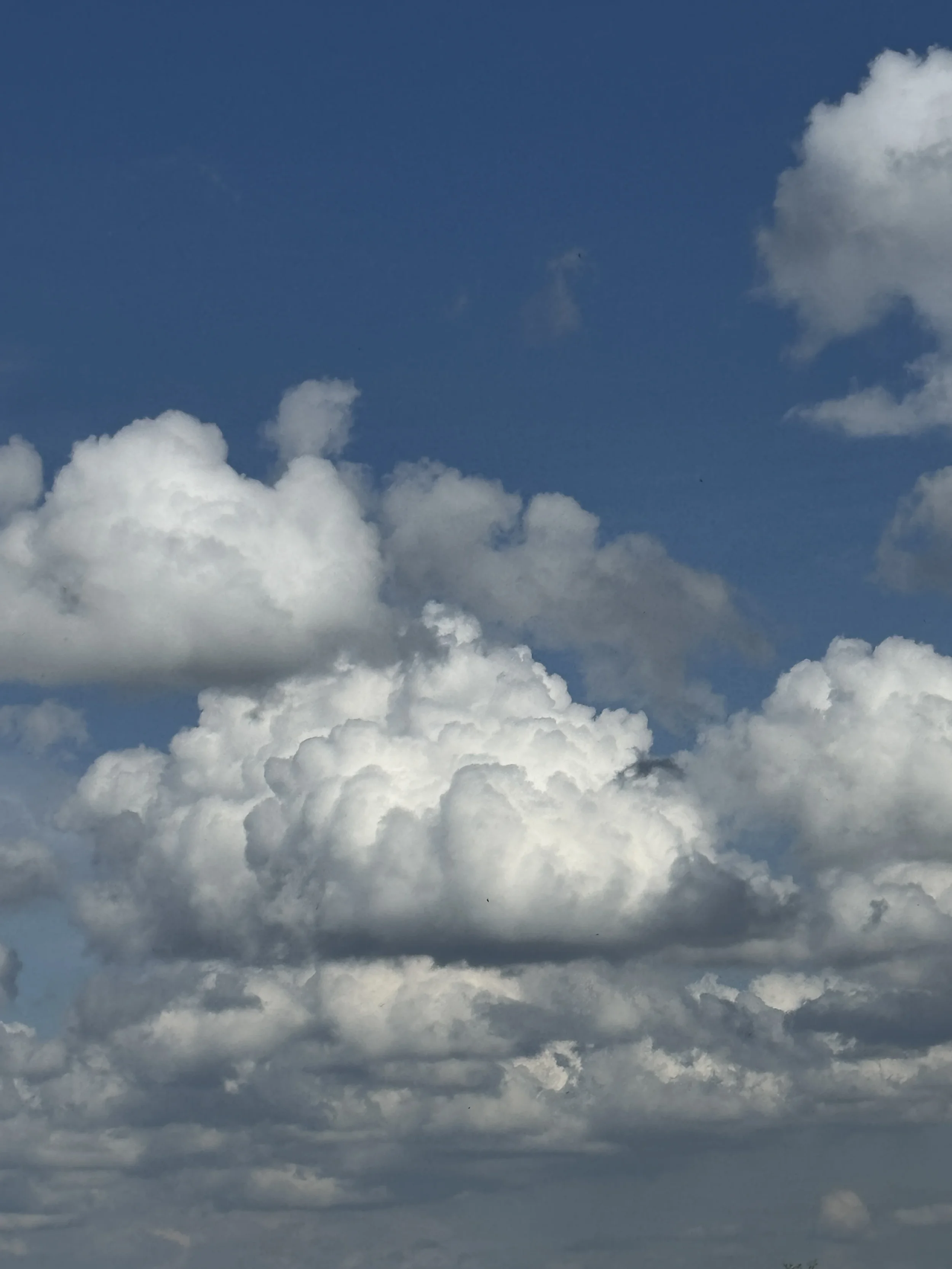
What the Sky Is Doing to Your Nervous System: On Constable, Turner, and the Art of Looking Up
Long before anyone had language for nervous system regulation, landscape painters were already mapping what happens to the body when it's given open sky instead of clutter. A look at Constable, Turner, Friedrich, and April Gornik—and what looking up has always done for us.
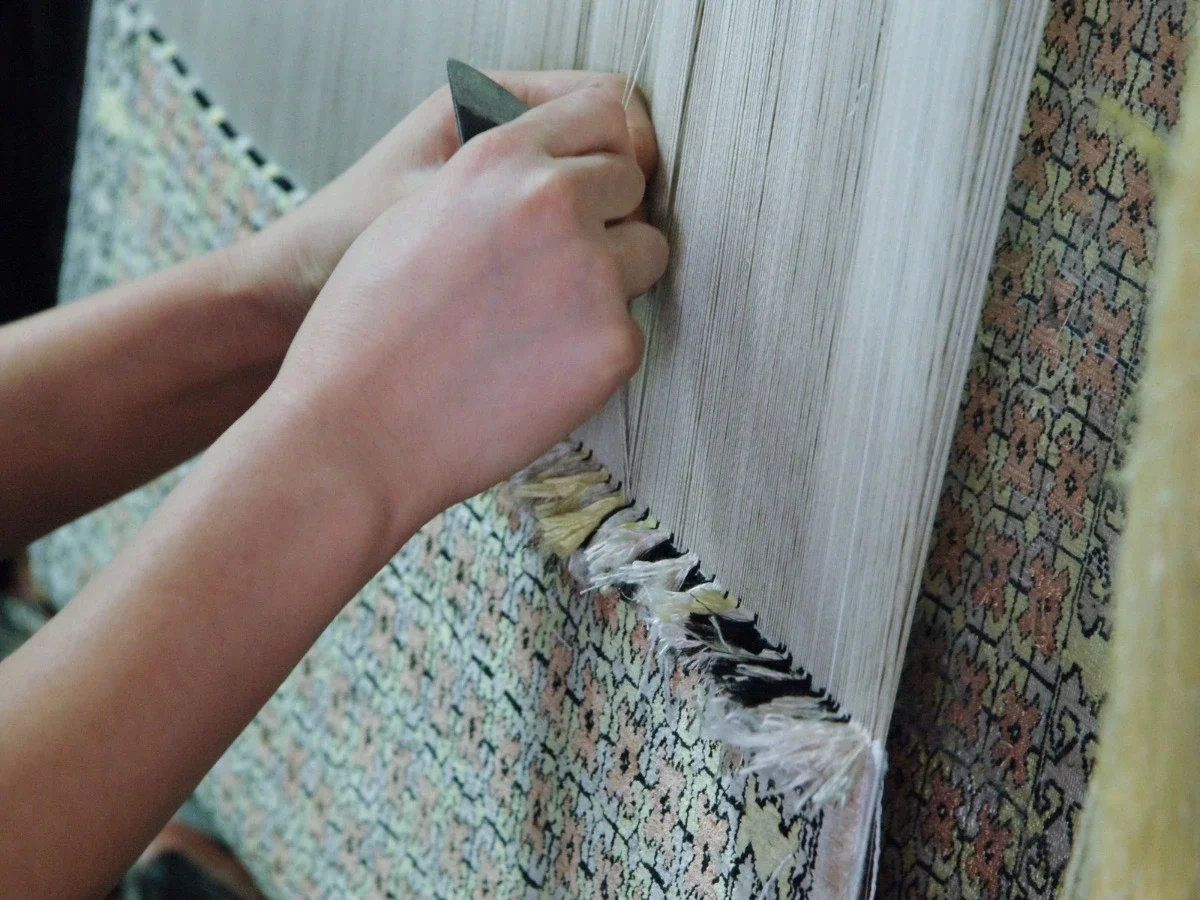
The Art We Call Craft—And Why That Distinction Has Always Been Political
The line between art and craft was never about materials. It was about whose creativity a culture chose to value—and whose it chose to overlook.
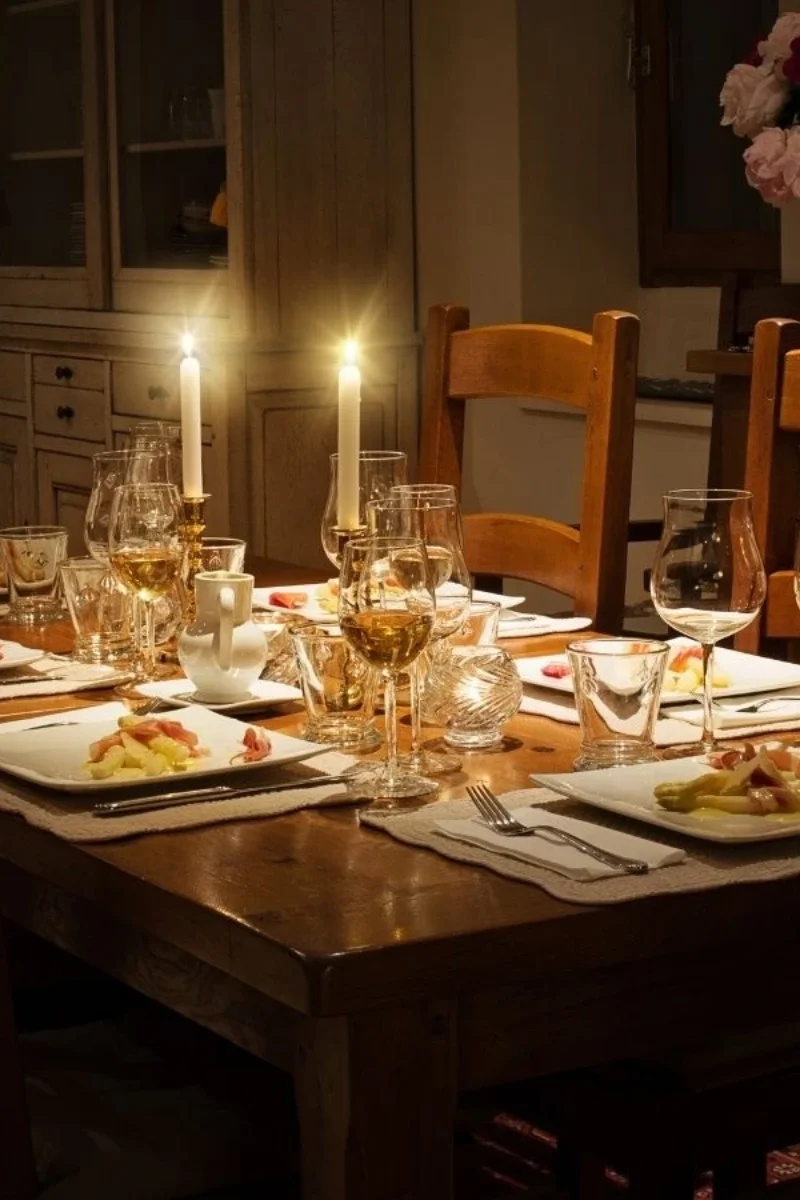
How Food Became Art: From Still Life to Social Practice
Food has moved from subject to medium across art history. From Dutch Golden Age still lifes to Judy Chicago and Rirkrit Tiravanija, the table has become a space where art, culture, and social practice converge. This feature traces how eating became an artistic language.

What Artists Know About Looking at Themselves (That the Rest of Us Forget)
Most of us look at ourselves briefly and look away. Artists don’t. From Rembrandt’s self-portraits to Frida Kahlo’s interior worlds and Cindy Sherman’s staged identities, self-portraiture has never been about vanity—it is about sustained attention, and what it reveals when we refuse to look away.
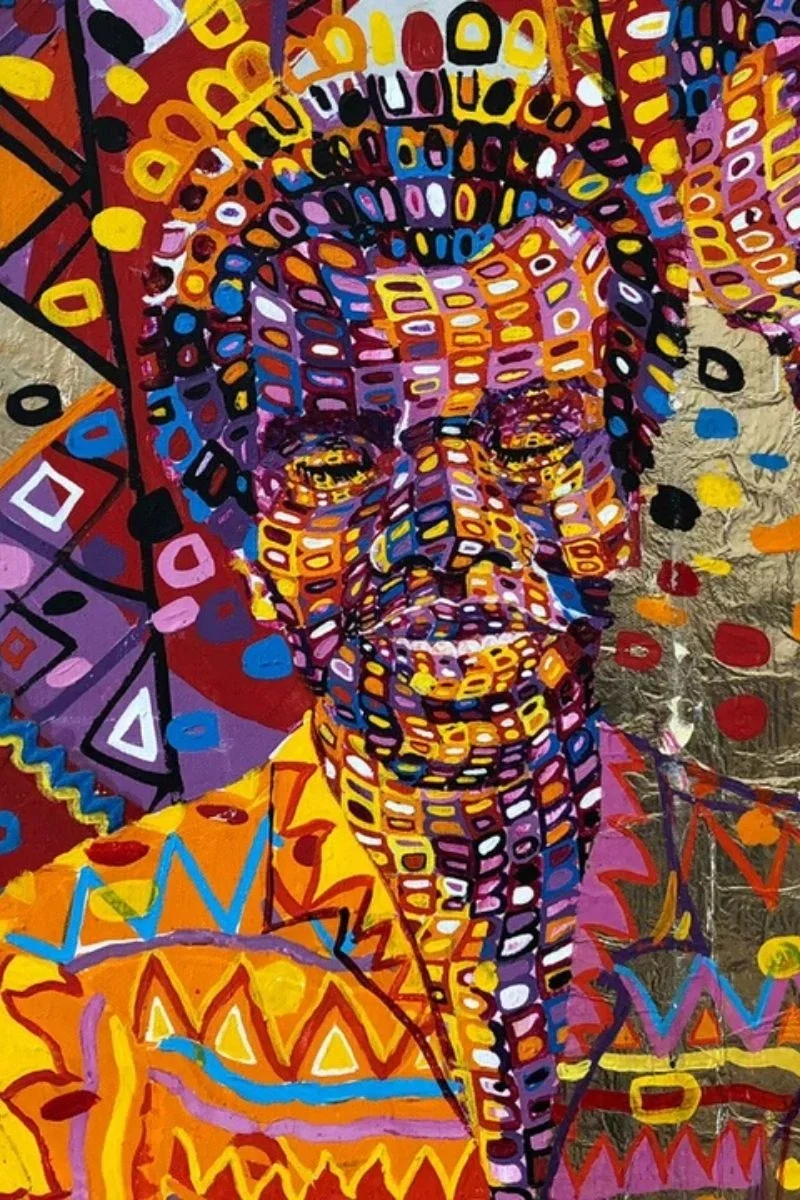
What Black Art Has Always Understood About Joy as Resistance
Joy never claimed history didn't hurt. It simply declared that history would never hold the whole of Black life.
What Käthe Kollwitz Knew About Grief
Some losses don't want to be consoled. They want to be believed. On Käthe Kollwitz, a mother's grief made permanent, and the difference between witness and comfort.
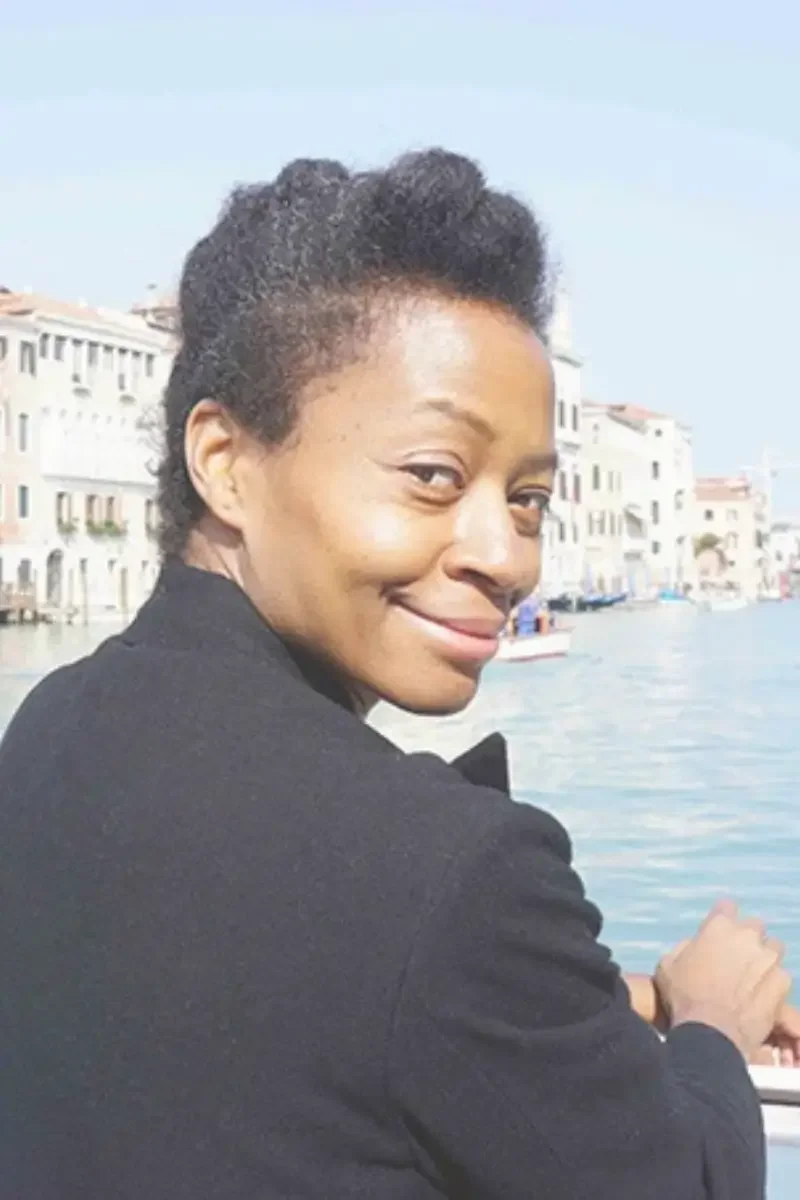
The Work That Refused to Translate Itself
Some work asks for a seat at the table. On six artists and writers who built influence by refusing to make themselves smaller for the institutions that came later.
What the Gift Shop Knows
Almost every museum ends the same way—a room of postcards and magnets, the masterpiece printed on a coaster for six dollars. On what that says about what we want from art.
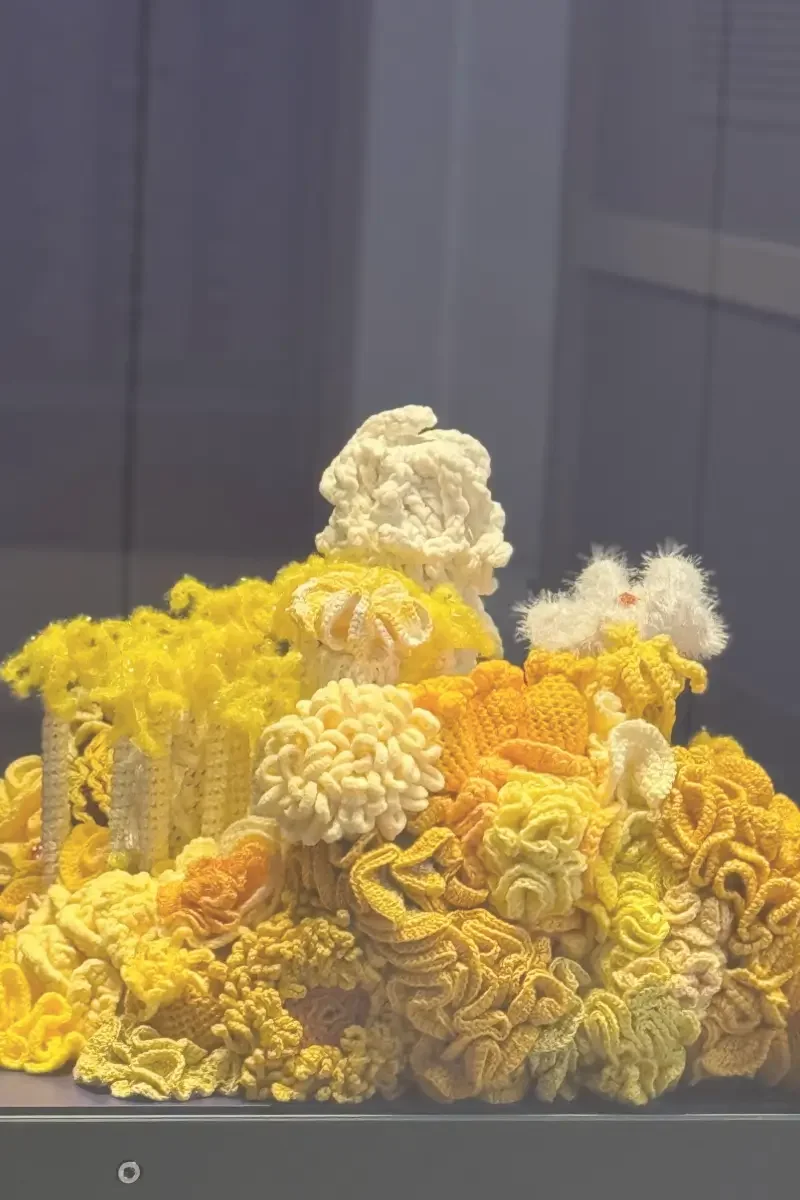
What the Museum Started Selling
Museums have always asked us to slow down. On what happens when that old promise is renamed wellness, and what the new language reveals about the institution.
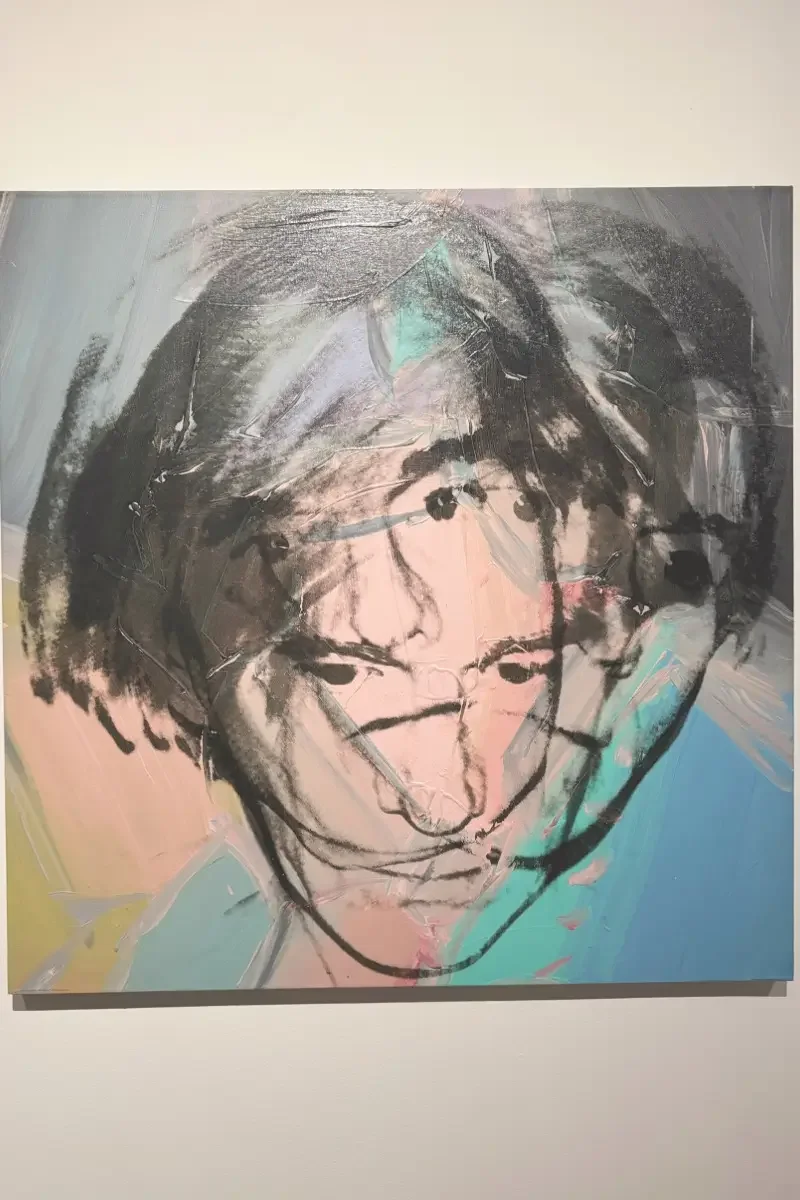
The Eight Hours Nobody Asked For
The film shows a building doing nothing for eight hours. That was never the point. On Andy Warhol's Empire, The Factory, and repetition as a serious argument.
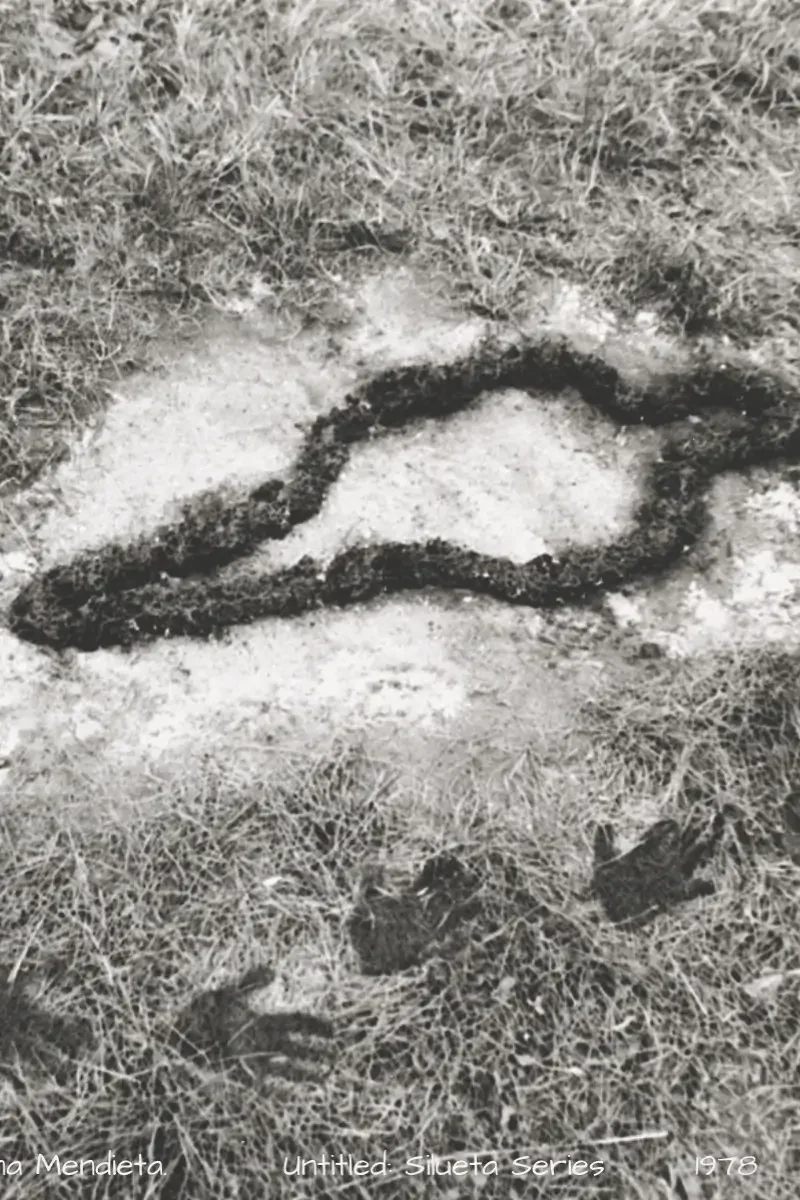
What Five Hispanic Artists Made Visible
A self-portrait is rarely only a self-portrait. On five Hispanic and Latinx artists who made a record of what official history left out—and didn't wait for permission to make it.

Picasso’s Guernica and The Girl from Guernica by Karen Robards
Both works withhold the same fact who did this for opposite reasons. On Picasso's Guernica and the novel that imagines what surviving it required.

What Amy Sherald Leaves Out
The skin is gray. Everything around it is saturated. On the deliberate absence at the center of Amy Sherald's portraits, and what she gives the viewer instead.
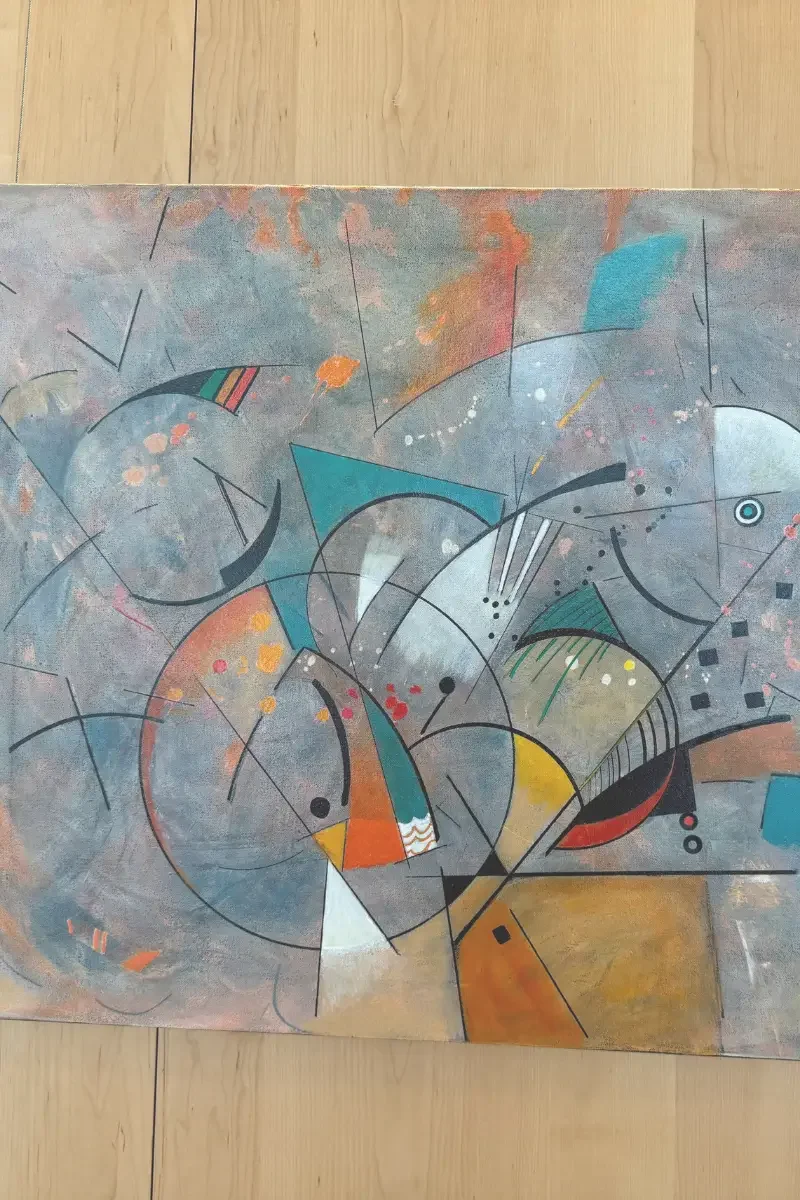
What Margot Bujold Chose to Inherit
From Marcelle Ferron's work, I drew light, gesture, color. On what it means to name that specific inheritance—and the radical manifesto standing behind it.