The Art We Call Craft—And Why That Distinction Has Always Been Political
Walk through almost any major museum, and the hierarchy is hiding in plain sight.
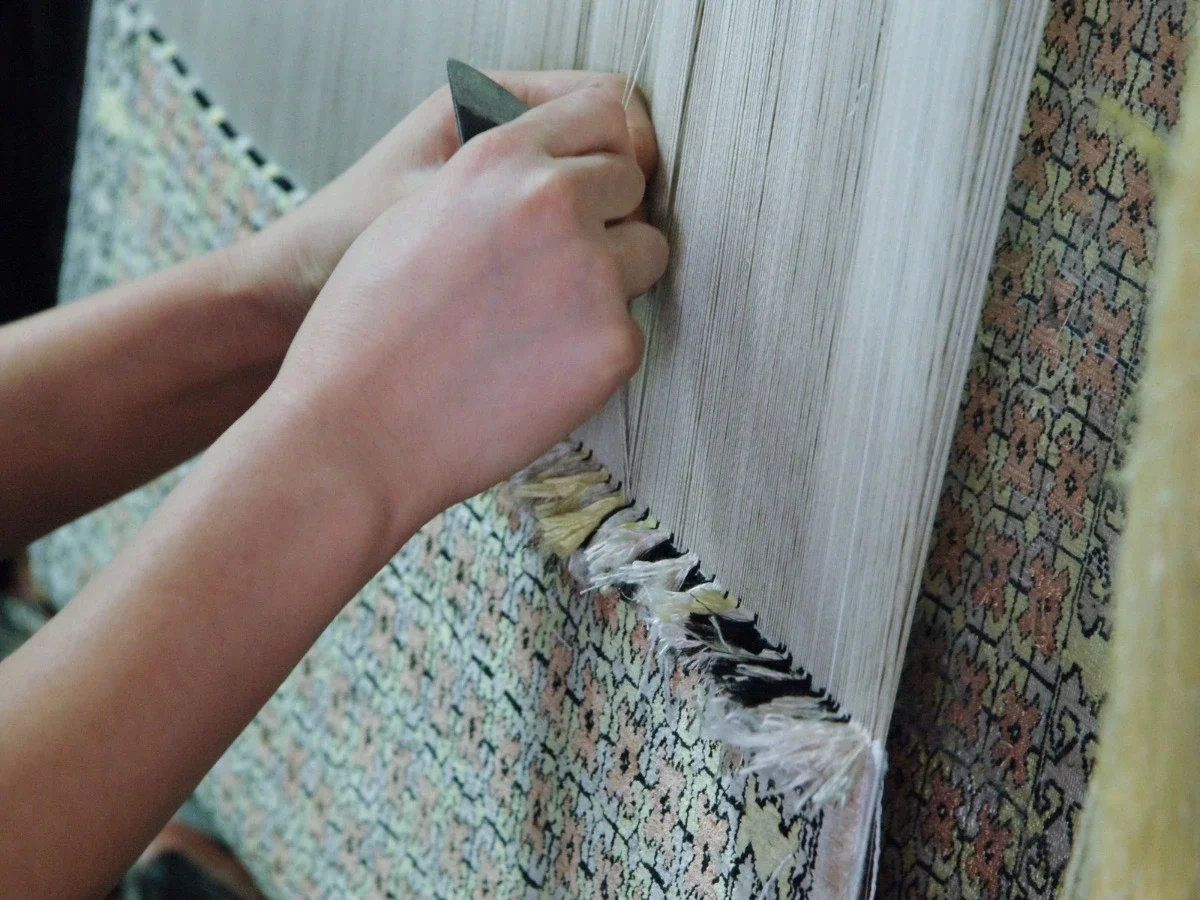
The work that was never called art. Until now.
Paintings occupy the grand galleries. Sculptures command entire rooms. Somewhere else—a separate wing, a dedicated exhibition, a category of its own—you'll find quilts, textiles, ceramics, embroidery, and weaving. Grouped under a different label.
Craft.
The distinction seems innocent enough. It isn't.
For centuries, the line between art and craft has functioned less as a measure of creativity than as a reflection of power. Specifically, whose creativity was considered culturally significant, and whose was considered merely decorative, practical, or domestic.
The question was never simply what was being made. It was who was making it.
The Hierarchy Was Never Neutral
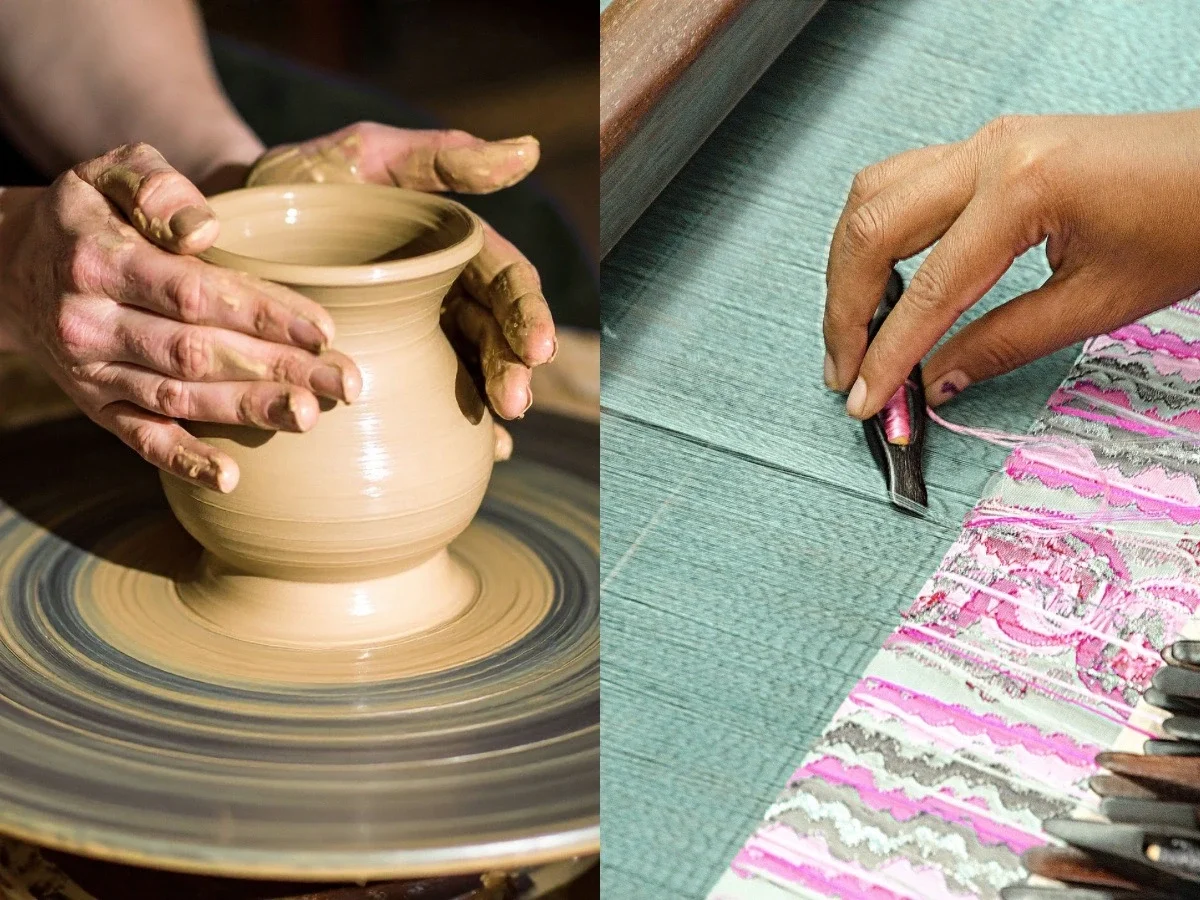
Two traditions. Equal skill. One label called art—the other didn't.
A hand-thrown ceramic vessel requires technical mastery, aesthetic judgment, and years of practice. A complex quilt can contain extraordinary innovation in composition, colour, symbolism, and storytelling. Textile artists manipulate texture, structure, and form with a sophistication equal to any painter working on canvas.
Yet much of this work has historically been positioned outside the canon of fine art.
The explanation sounds reasonable on the surface. Craft is functional. Art is expressive. Craft is useful. Art is intellectual. But these distinctions unravel almost immediately. A Renaissance painting commissioned for a wealthy patron served a function. Monumental sculpture has long been decorative. Architecture is among the most celebrated art forms in history despite its obvious utility.
The categories were never objective. They reflected social assumptions about labor, class, and gender.
Throughout much of Western history, the activities associated with women—quilting, embroidery, weaving, textile work—were evaluated differently from the artistic practices dominated by men. The studio was elevated. The household was not. Oil painting became a genre. Needlework became a hobby. One was framed as culture. The other as craft.
What Was Never Actually Missing
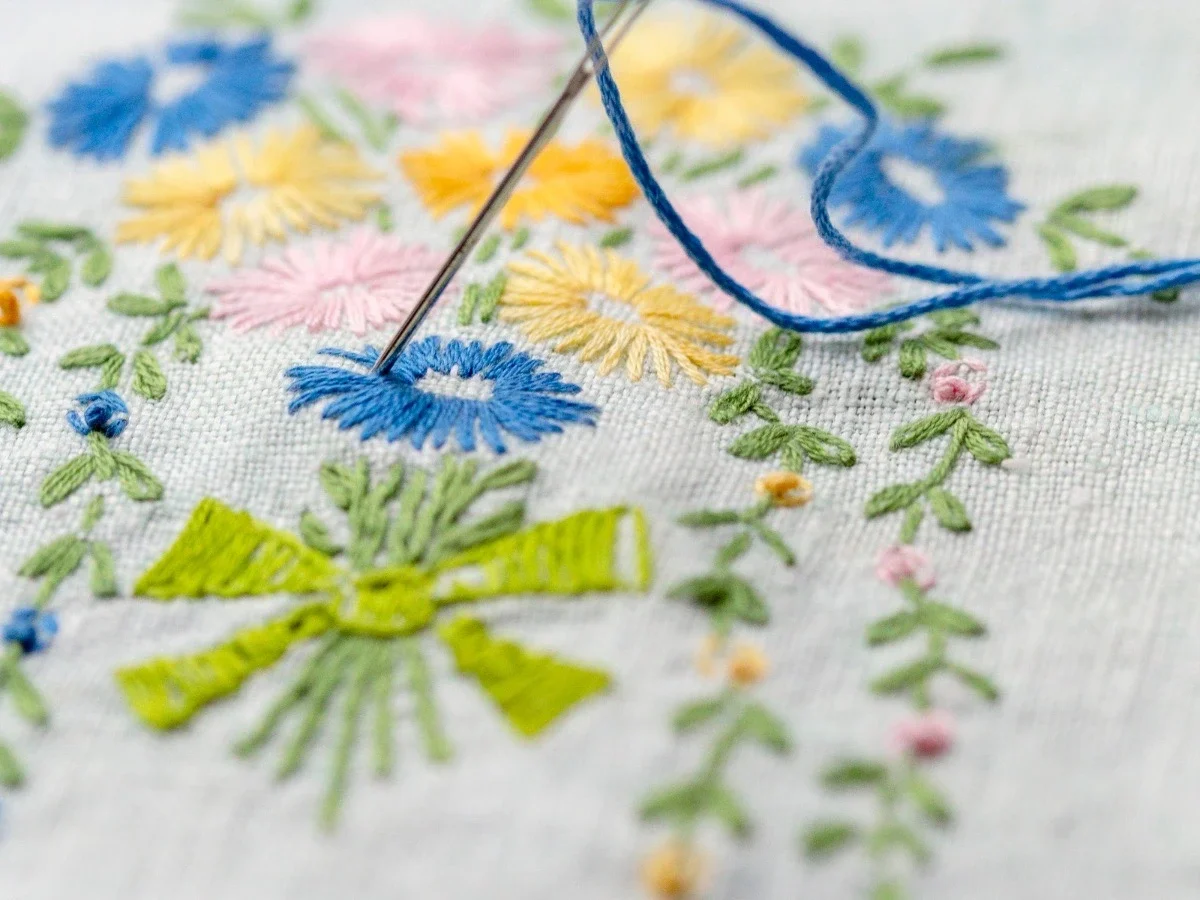
The complexity was never the question. The label was.
The irony is that many of these so-called craft traditions carried enormous cultural significance. Quilts preserved family histories. Textiles documented communities. Weaving traditions encoded generations of knowledge, identity, and survival.
These works were never culturally insignificant. They were excluded from the institutions that decided what significance looked like.
By the late twentieth century, artists and feminist scholars began challenging these assumptions directly. If museums and critics had spent centuries treating domestic forms as lesser practices, perhaps the problem wasn't the work. Perhaps it was the framework.
The feminist art movements of the 1970s posed a question that still resonates: what would art history look like if the creative labor of women had been valued differently from the beginning? It wasn't merely a question of representation. It was a question of classification.
Why was embroidery considered decorative while painting was considered profound? Why did work associated with domestic spaces receive less critical attention than work associated with public ones?
The answers revealed something larger than aesthetics. They revealed systems of value.
Categories Are Never Just Categories
The frame was always there. The question was who got to decide what went inside it.
They shape funding. Institutional recognition. Museum acquisitions. Academic study. Market prices. Cultural prestige.
To call something craft rather than art is not simply to describe it. It is to position it within an entirely different hierarchy.
Today, those hierarchies are being challenged. Artists working in fibre, ceramics, embroidery, and textile traditions are receiving recognition once reserved for painters and sculptors. Major museums have expanded exhibitions dedicated to textile arts. Curators are re-examining collections through new lenses.
But perhaps the most significant shift is philosophical. The conversation is no longer simply about elevating craft. It is about questioning why the distinction existed in the first place.
What separates a tapestry from a painting, except the material? What separates a ceramic vessel from a sculpture, except expectation? What separates a quilt from a masterpiece, except the story we've been told about where greatness belongs?
Increasingly, the answer seems to be very little.
The Value Was There All Along
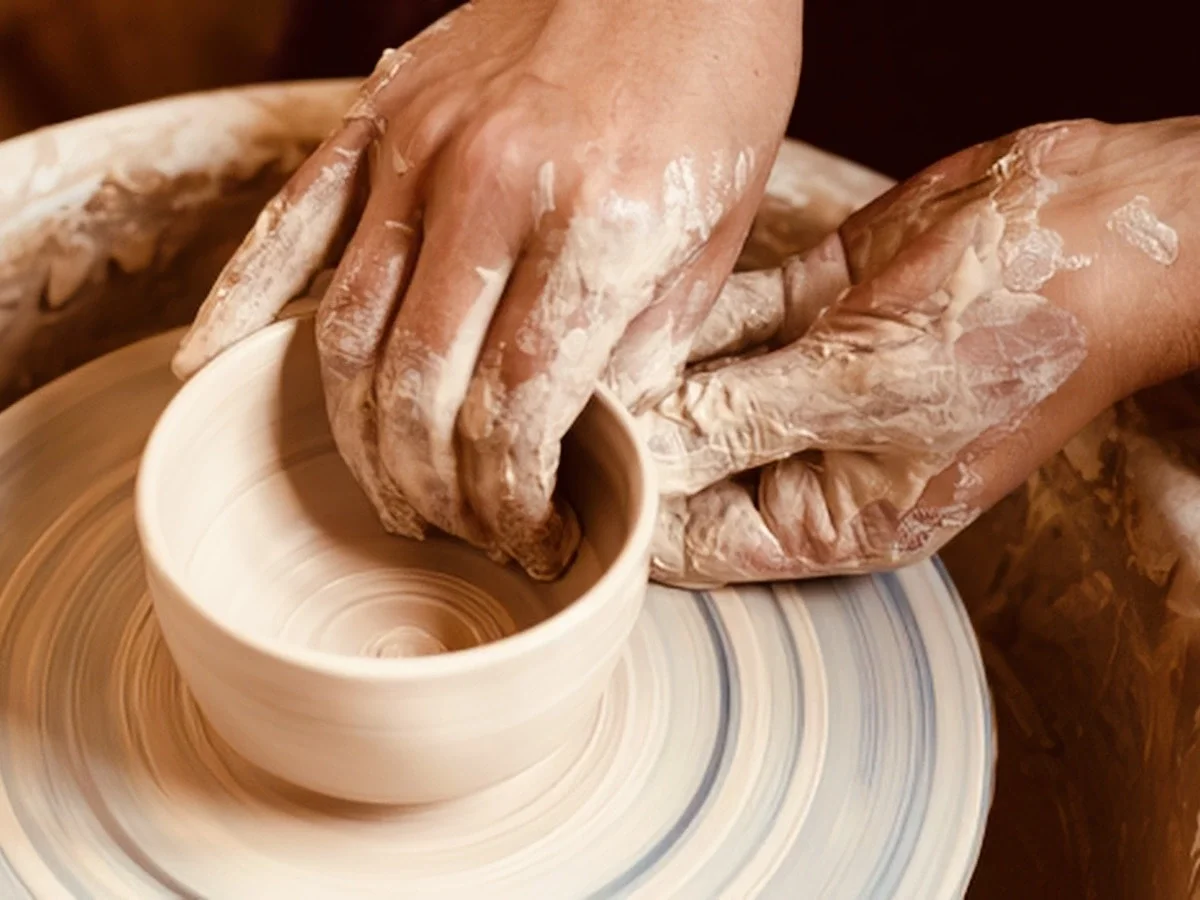
The evidence of the maker's hand. On why craft has always been art.
In an era drawn to authenticity, process, and human connection, many of the qualities once used to diminish craft have become precisely what people value most. The evidence of the maker's hand. The labor. The time. The intimacy. The fact that these works carry histories within them.
Because the story of craft has never really been about materials. It has been about legitimacy. About whose work was preserved. Whose creativity was celebrated. Whose labor was considered cultural production rather than simply labor.
A vessel thrown on a wheel and a canvas stretched on a frame both demand years to master. What decided which one hung in a gallery and which one sat in a hope chest was never the object. It was the room it came from, and who was allowed to work in it.
That shift is happening, but slowly, and mostly toward a harder question than "is this good enough to be art." The harder question is why anyone needed permission in the first place.
When we decide what counts as art, we are never making a purely artistic judgment. We are revealing what—and who—a culture chooses to value.
The frame around the work has always mattered. But so has the frame around the conversation.
Further Reading
These pieces explore who shapes culture, who gets credited—and what shifts when the frame changes.
→The Table as Art: Food, Culture, and Contemporary Practice: How food moved from subject to medium — and what that reveals about the boundaries we draw around artistic legitimacy.
→Black Film Directors and Music Icons Who Shaped Global Culture: On authorship, not visibility. The creators who didn't seek inclusion—they rewrote the terms.
→Art That Heals: How Museums Are Becoming Modern Wellness Sanctuaries: What happens when institutional spaces begin to expand what art is allowed to do.