How Food Became Art: From Still Life to Social Practice
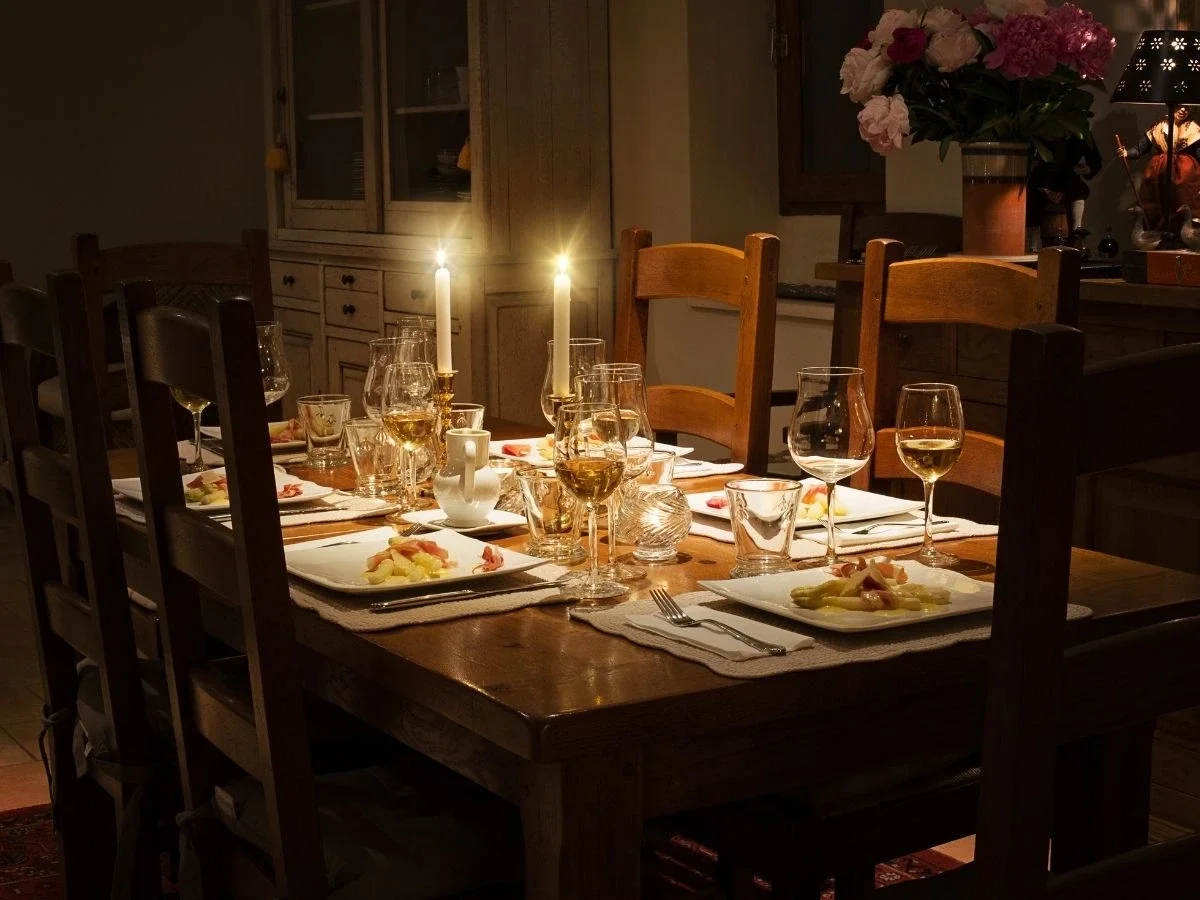
The table is never just a table.
From Dutch still lifes to contemporary dinner performances, artists have long understood that what we eat—and how we gather around it—reveals who we are.
Long before food became content, it was already art.
Before viral restaurant openings and meticulously styled tablescapes, artists were using food to tell stories about wealth, mortality, desire, and belonging. The table, after all, is never just a table. It is a stage. A social contract. A mirror held up to a culture at a particular moment in time.
Today, as conversations around sustainability, hospitality, and food justice become increasingly urgent, a new generation of artists is once again transforming the table into a site of inquiry. In their hands, dining becomes performance, abundance becomes critique, and sharing a meal becomes an aesthetic act.
The history of food in art is not about what is on the plate. It is about what the plate represents.
The Seduction of Abundance
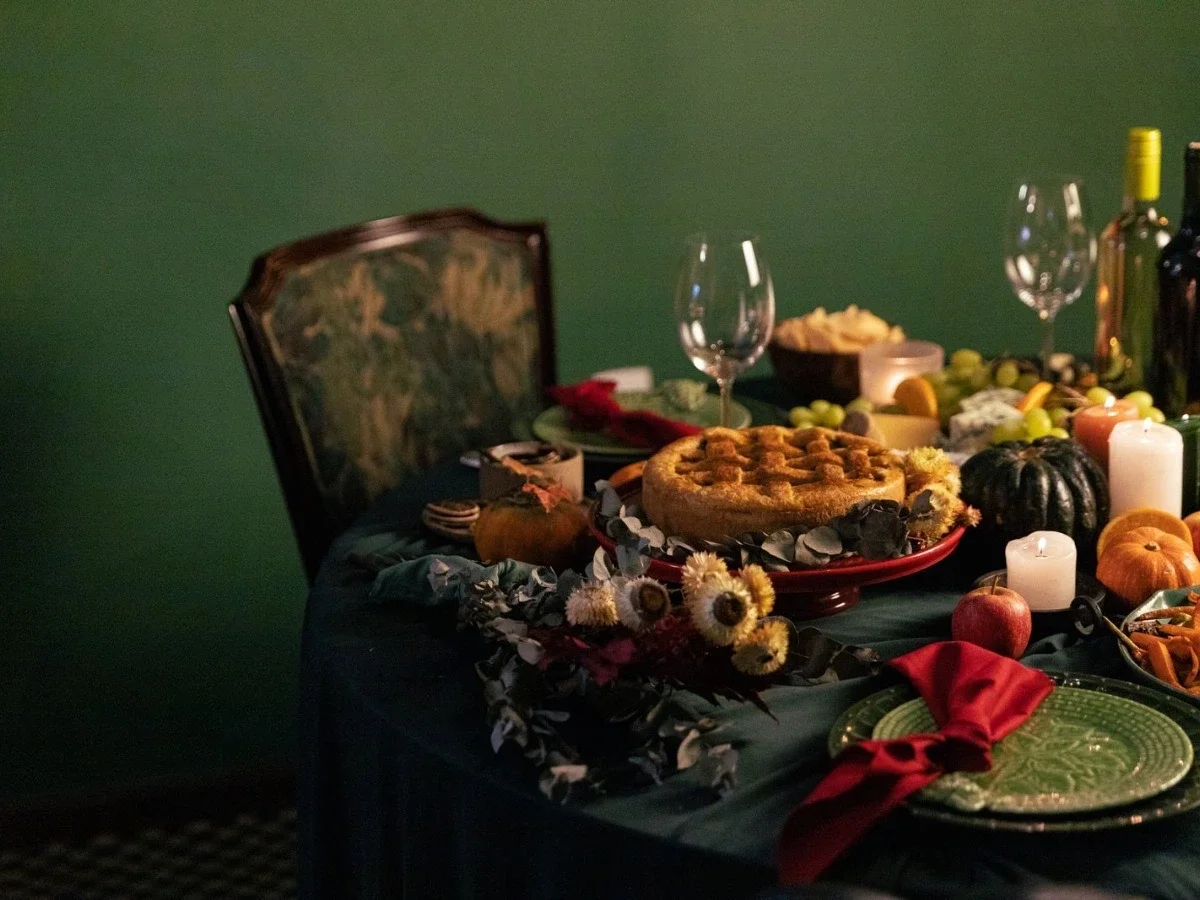
Every feast contains the shadow of its own ending.
To understand food's enduring place in art, begin with the Dutch Golden Age.
In the seventeenth century, painters, including Willem Claesz. Heda and Pieter Claesz transformed ordinary dining tables into extraordinary compositions. Pewter vessels gleamed under diffused northern light. Lobsters, oysters, and imported spices signaled prosperity and global trade at a time when Amsterdam was the commercial capital of the world.
These paintings were celebrations of wealth—and cautionary tales embedded within beauty.
A half-peeled lemon suggested pleasure's fleeting nature. An overturned glass hinted at disorder beneath elegance. A wilting flower—recurring motifs of the vanitas tradition—reminded viewers that no abundance was permanent.
Every feast contains the shadow of its own ending. It is a tension that has never lost its relevance.
The Table as Theater
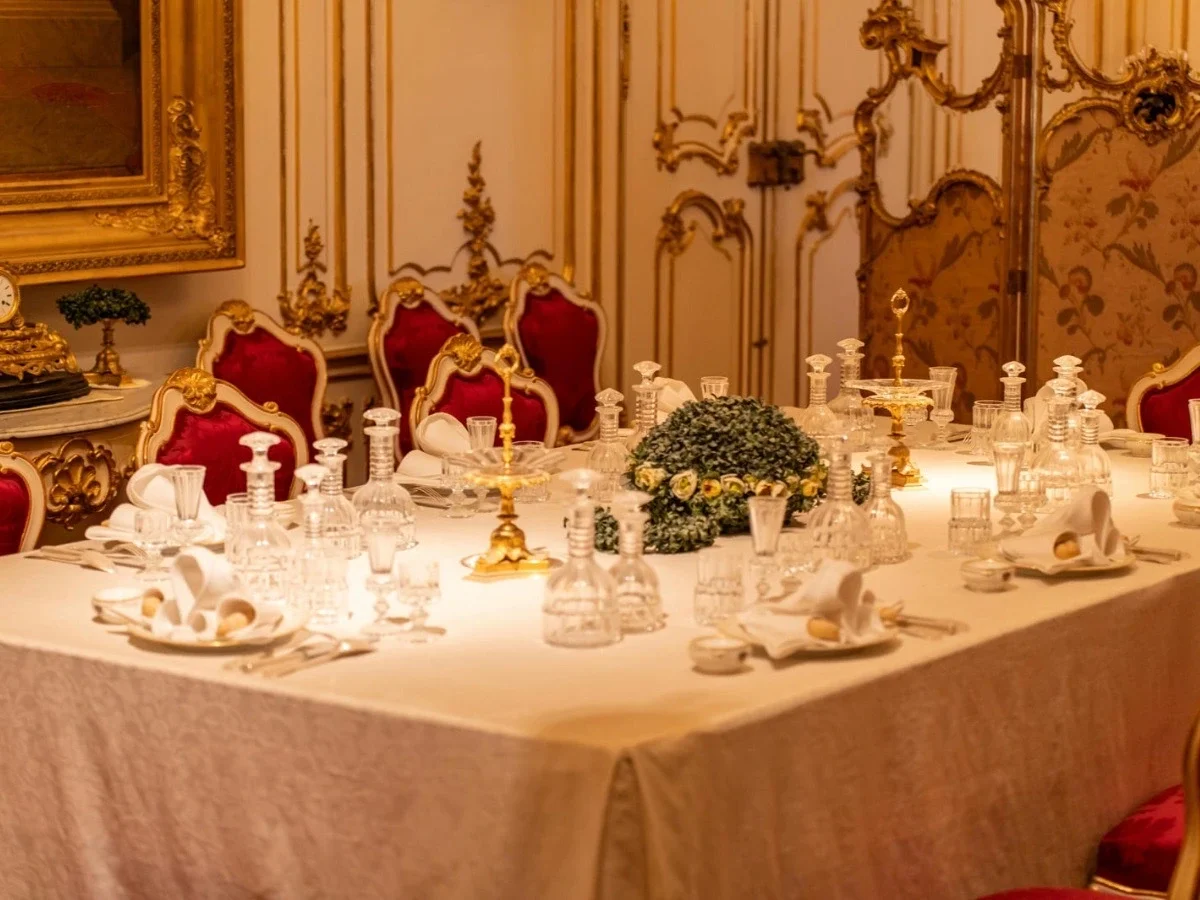
The table as a mirror held up to power.
By the mid-twentieth century, artists moved beyond depicting meals to treating the dining experience itself as the work.
The most consequential example remains The Dinner Party by Judy Chicago. First exhibited in 1979 at the San Francisco Museum of Modern Art, the monumental triangular installation honored 39 historical women—among them Sojourner Truth, Georgia O'Keeffe, and Virginia Woolf—who were systematically excluded from dominant cultural narratives. Each place setting combined ceramic sculpture, needlework, and painted porcelain into a layered visual biography.
Chicago reimagined the ceremonial dinner as both artwork and historical revision. Hospitality became political. A place setting became an act of recognition.
The work established a framework that continues to shape contemporary practice: the table as a space where power structures become visible. Who is invited? Who is excluded? Who serves, and who is served?
These remain surprisingly urgent questions.
Hospitality as Medium
In the decades that followed, artists began treating hospitality not as a gesture of generosity but as a creative medium.
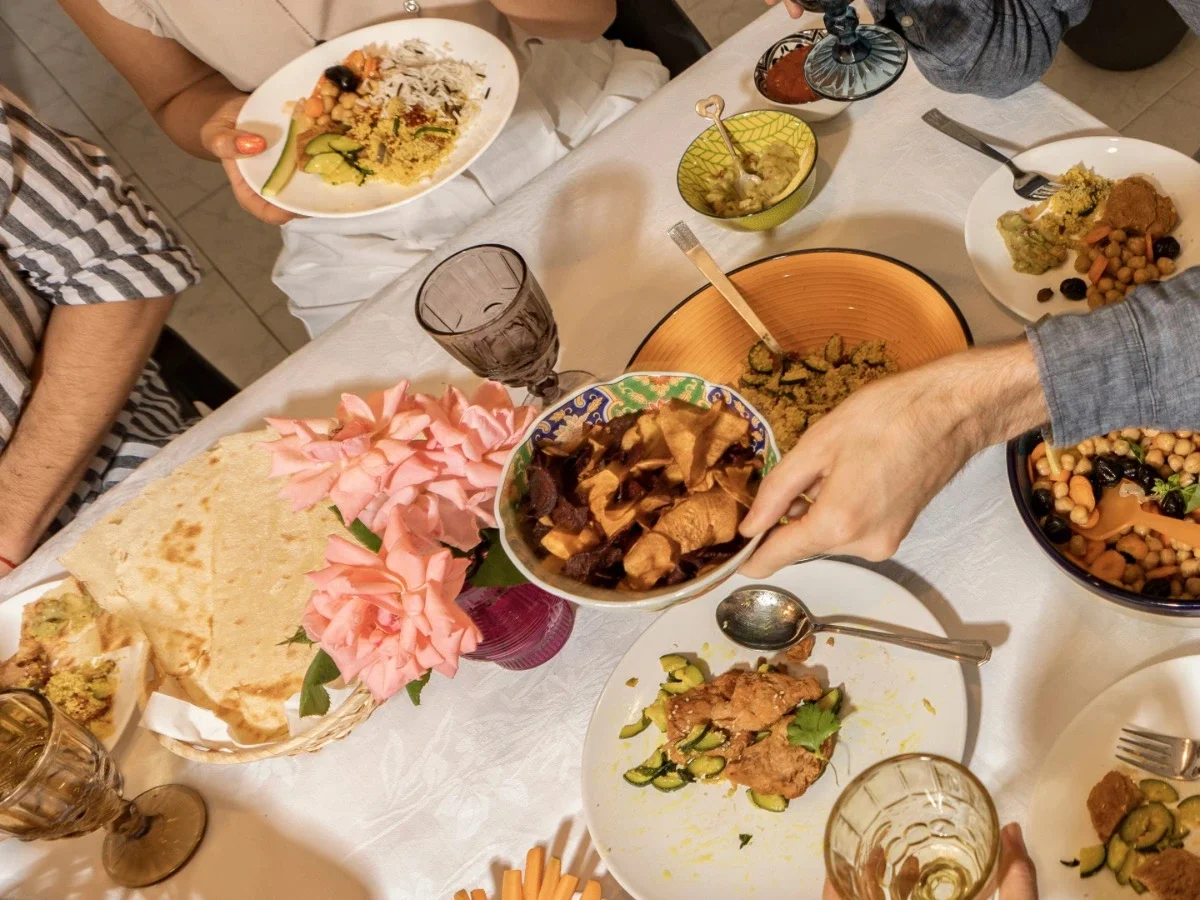
The artwork was the encounter itself.
Thai artist Rirkrit Tiravanija's practice transformed galleries into spaces for communal meals. In Untitled (Free) (1992), staged at 303 Gallery in New York, he cooked Thai curry and served it to visitors without charge. The object of art was absent. The artwork was the encounter itself.
Conversation replaced observation. Participation replaced spectatorship.
Curator Nicolas Bourriaud later described this approach as relational aesthetics—art whose value resides not in a permanent object but in the quality of human relationships it generates. A meal became a social sculpture: temporary, participatory, measured in connection rather than permanence.
In an era increasingly mediated by screens, these works feel more relevant than ever.
Food, Politics, and the Ethics of Looking
Not all food-centered art celebrates abundance.
Artists, including Theaster Gates, have used communal meals as tools of community regeneration and cultural memory. The collective Cooking Sections examines how food systems shape—and are shaped by—climate and policy through their ongoing CLIMAVORE project, which proposes new ways of eating in response to the environmental crisis.
Food has always been political because food has always been connected to power: who grows it, who harvests it, who profits, and who goes without.
By foregrounding these realities, artists transform eating from a private act into a public conversation—and ask viewers to recognize that every ingredient carries a history.
Food Photography as Contemporary Art
Contemporary food photography now occupies a space between editorial storytelling and fine art.
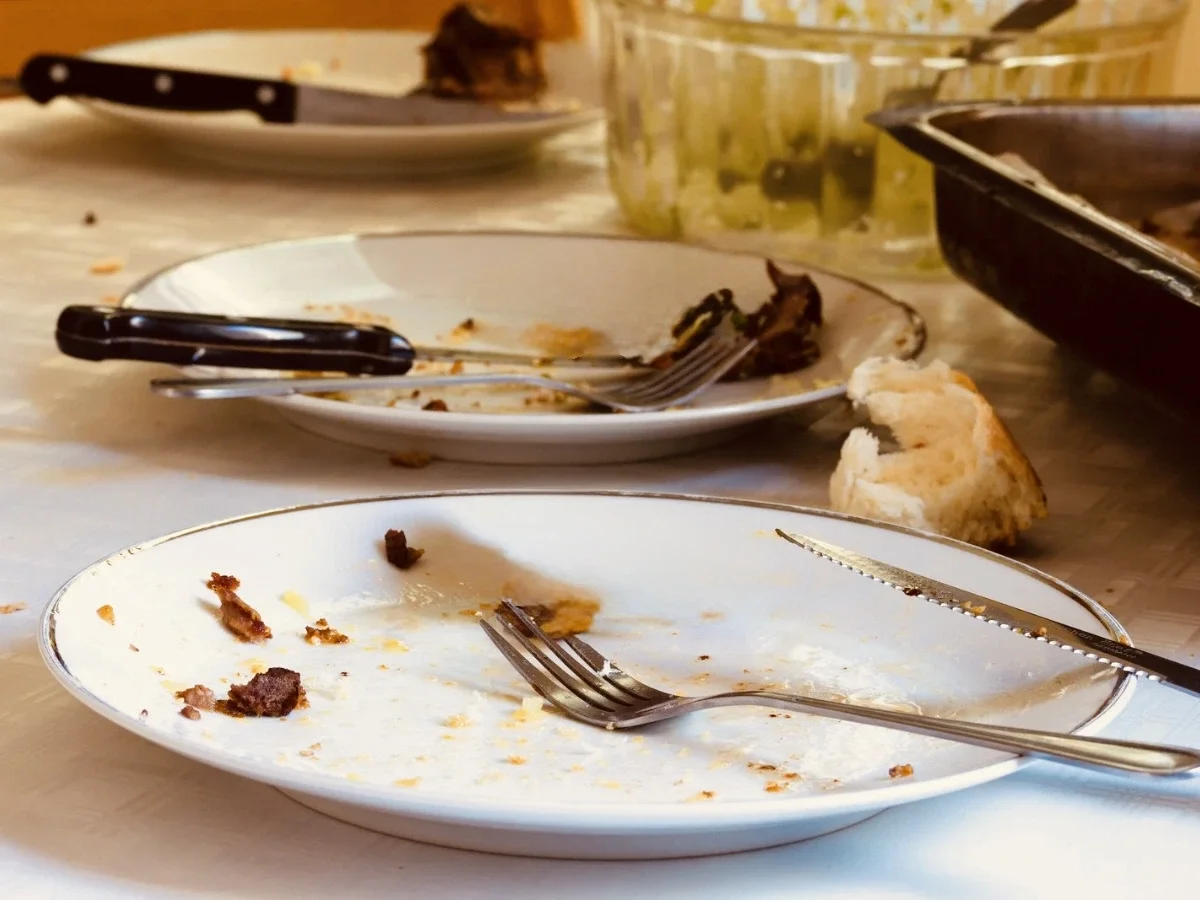
Photographers, including Laura Letinsky—whose spare still lifes document meals after the fact—move deliberately beyond perfection. Rather than presenting food as flawless luxury, they capture atmosphere, memory, and the texture of human presence.
A wine stain on linen. The remains of a dinner party. Hands reaching across a crowded table.
This shift mirrors a broader cultural movement away from performance and toward authenticity. The contemporary feast is photographed not at its pristine beginning but amid the beautiful disorder of being genuinely enjoyed. The image becomes less a record of what was served and more a document of who was present.
Why the Table Matters Now
The renewed artistic fascination with food arrives at a revealing cultural moment.
Food is never simply food. It is memory made tangible.
We live in an era simultaneously obsessed with dining and disconnected from communal eating. We consume endless images of meals while often eating alone. We celebrate culinary experiences as cultural capital while grappling with food equity, labor, and environmental cost.
Artists return to the table because it remains one of the few sites where identity, culture, memory, politics, and community converge. A shared meal communicates heritage more effectively than a speech. A recipe functions as an archive. A dinner table reveals social structures invisible elsewhere.
Food is never simply food. It is memory made tangible. Culture made visible, and community made temporary.
And art, at its most compelling, seeks the same thing—to create moments of meaning that linger long after the experience itself has passed.
That is why artists keep returning to the table. Not because it offers easy beauty. But because it reveals, honestly and without ceremony, what it means to be human.
Further Reading: Art, the Table, and the Act of Gathering
These pieces explore art as memory, identity, resistance, and the quiet power of human presence.
→ What Artists Know About Looking at Themselves: On sustained attention, self-perception, and what it reveals when we refuse to look away.
→ What Black Art Has Always Known About Joy as Resistance: A study of how joy in art becomes one of the most sophisticated forms of resistance — and survival.
→ Black History Is a Living Blueprint: On cultural memory, creative power, and the artists whose influence continues to redefine the canon.
→ The Art You're Drawn to When You're Grieving — and Why: The art we reach for in difficult moments is not random. It is the psyche finding what language cannot.
→ Art That Heals: How Museums Are Becoming Modern Wellness Sanctuaries: On the growing intersection of art, mindfulness, and emotional well-being in public spaces.