The Work That Refused to Translate Itself
On six artists and writers whose influence institutions had to follow.
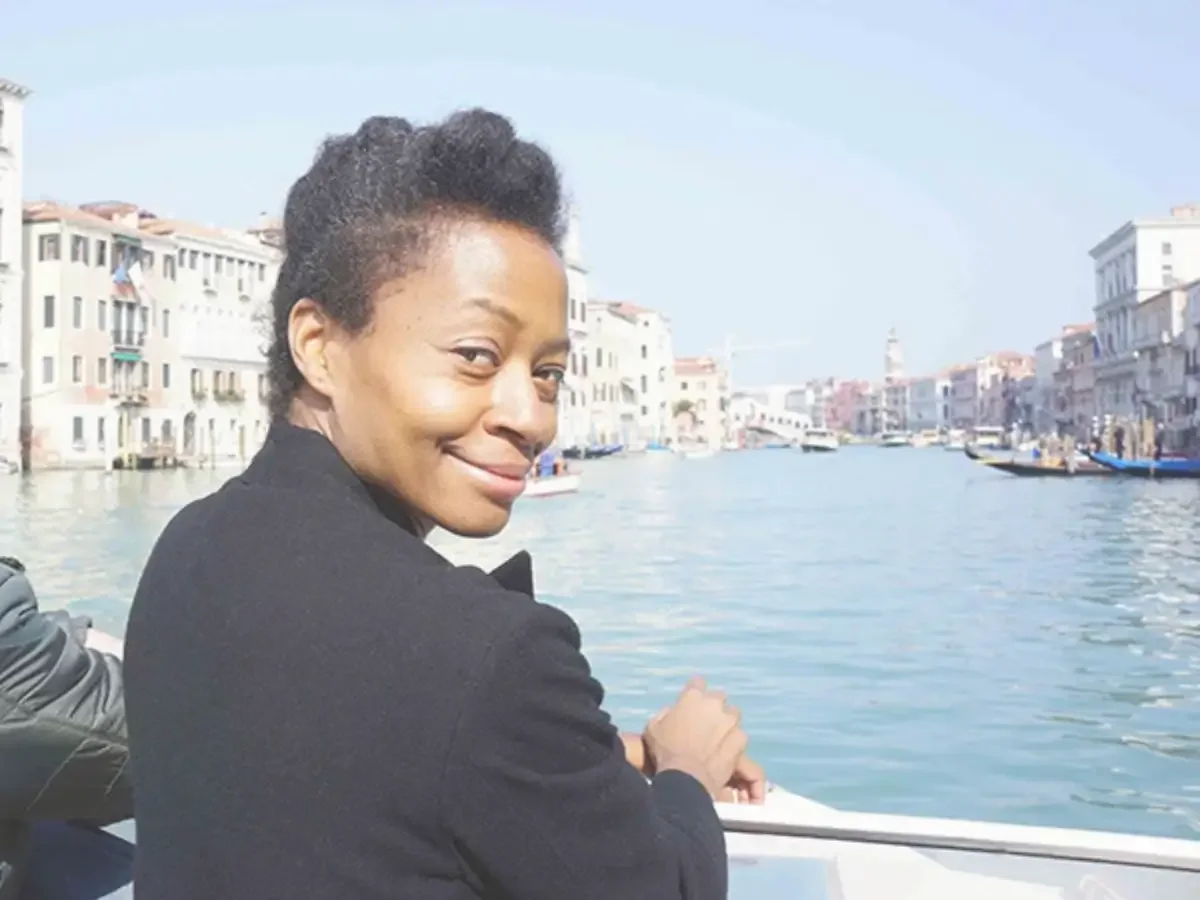
Kara Walker. Photograph by Michele Crosera. Walker’s work proves that visual art can confront history without compromise.
Some work asks for a seat at the table. Some work becomes the table and waits for the room to notice.
Six writers and artists, working in different decades, different mediums, different countries, share a habit worth naming: none of them explained themselves for an audience they hadn't chosen.
Refusing the Translation
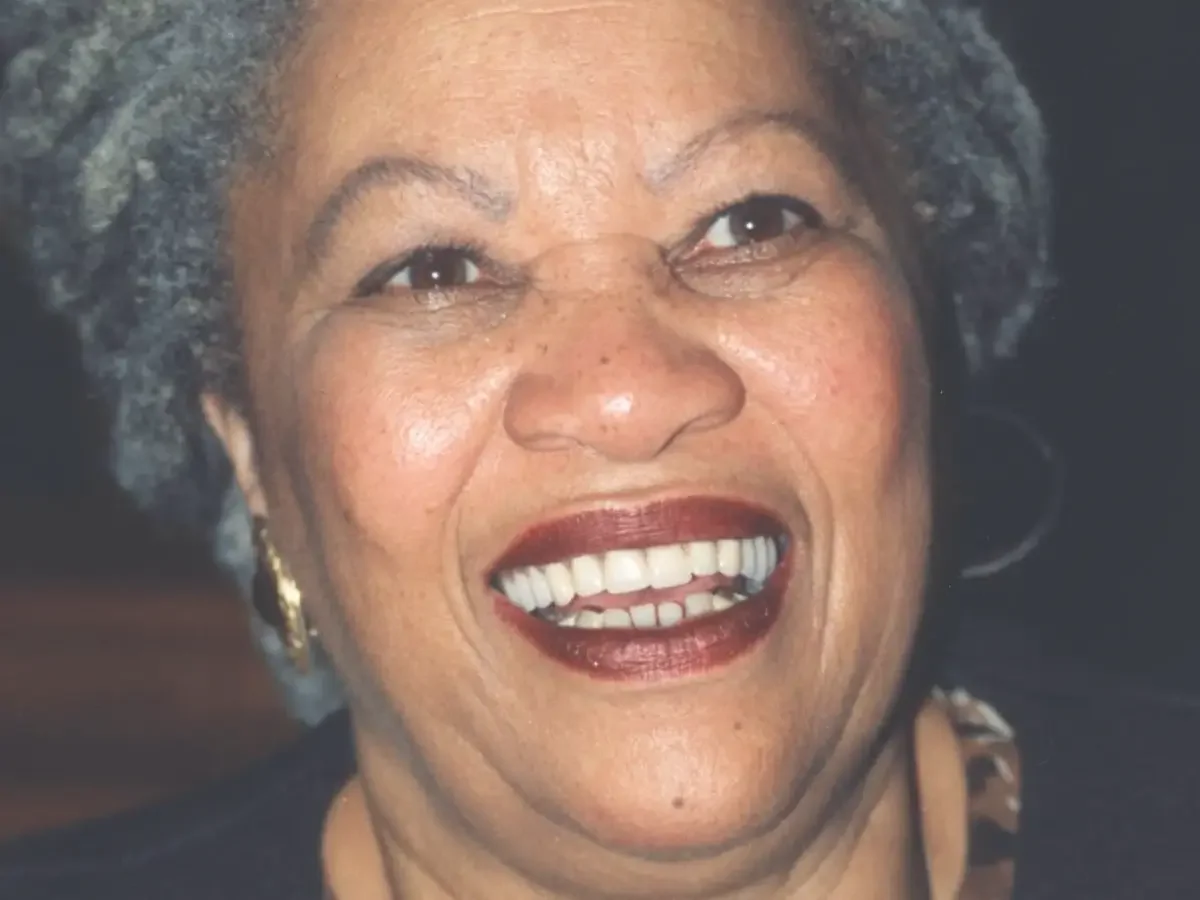
Toni Morrison.
Toni Morrison wrote Black interior life without footnoting it for readers outside that experience. She wasn't writing toward an outside audience's understanding; she was writing toward permanence. That choice, to trust the reader who already understood rather than the one who needed convincing, is easy to underestimate. It's also what expanded the literary canon itself, rather than asking to be admitted into it as it already stood.
Chimamanda Ngozi Adichie built a career on a related refusal: the insistence that a single story is never sufficient for a continent, a movement, or a person. Her fiction and essays don't summarize Black identity or African experience for an unfamiliar reader. They complicate it, on purpose, until summary becomes impossible.
Reckoning Without Asking Permission
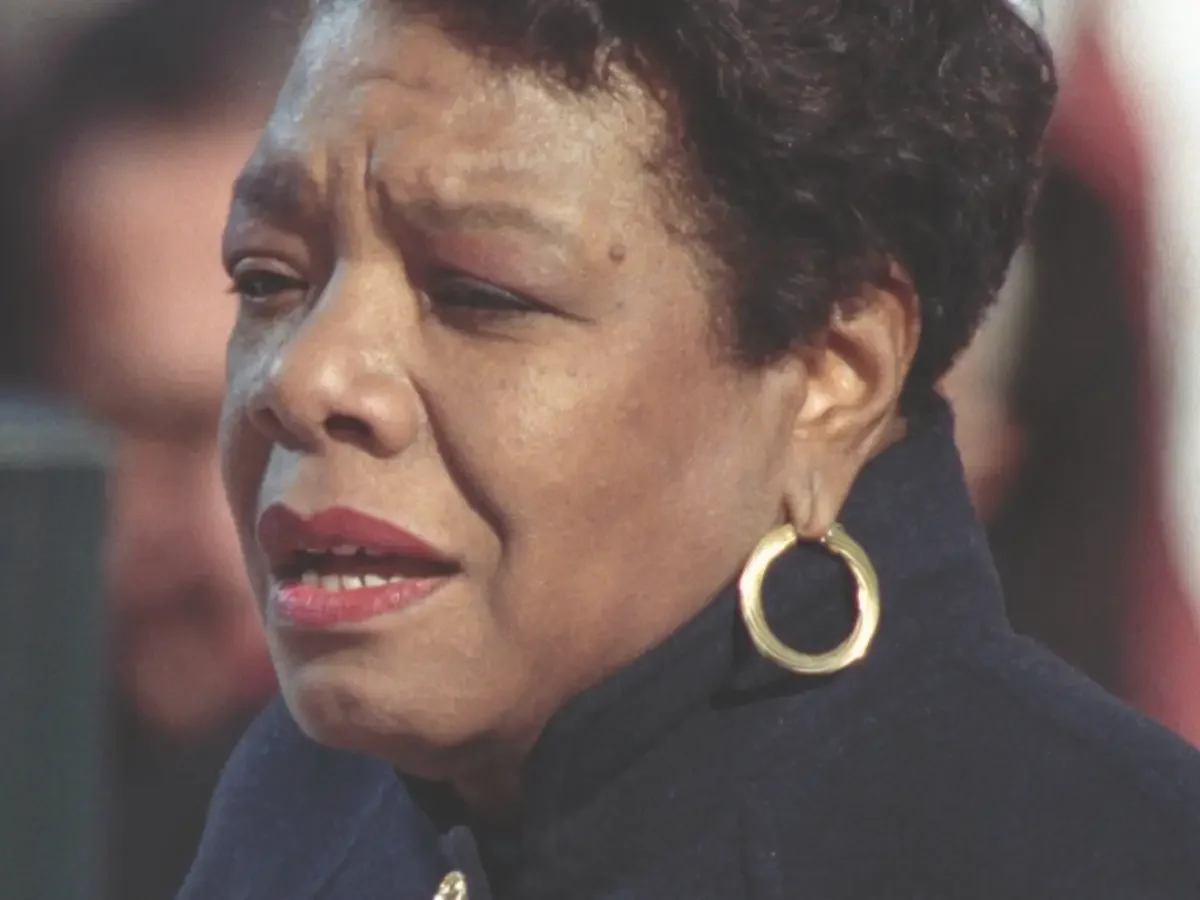
Maya Angelou.
Maya Angelou's writing carried the rhythm of oral tradition and the precision of memoir at once, an unusual combination and a deliberate one. She wrote vulnerability as authority, not as confession. It requires trusting that pain, stated plainly, doesn't need to soften itself to be believed.
Kara Walker's silhouettes do something similar in a different medium: they refuse to make historical violence comfortable to look at. No version of her work is designed to be glanced at and moved past. The discomfort is the argument.
What Gets Called Institutional, Eventually
Jean-Michel Basquiat worked in the space between graffiti and gallery. Rather than smoothing that tension out, he built a career inside it, forcing institutions built to exclude that kind of work to reckon with it on its own terms.
El Anatsui builds monumental sculptural works from discarded bottle caps and scrap metal, materials institutions might once have called craft, or worse, trash. His work didn't ask museums to expand their definition of fine art. It simply became too significant to keep outside it.
The Blueprint That Was Never Waiting
Neither of these six artists waited to be early or late. They didn't wait for an institution's permission, a critic's translation, or an audience's readiness. They made the work, at the pitch and complexity it demanded, and let the world catch up.
That's a different kind of legacy than the one usually described. It is not inherited or conferred. But built, on terms nobody else got to set first.