What the Gift Shop Knows
On why we want to take the painting home, not just look at it.

Vintage Botanical Illustrations – Nature-Inspired Calming Art Gift Idea
Almost every museum ends the same way: not with the final gallery, but with a room full of postcards, magnets, tote bags, and mugs printed with the paintings you just spent an hour standing in front of. You walk past a Vermeer under climate-controlled glass, guarded and singular, and twenty feet later you can buy it printed on a coaster for six dollars.
Nobody finds this strange. That’s the part worth noticing.
The Reproduction Nobody Apologizes For
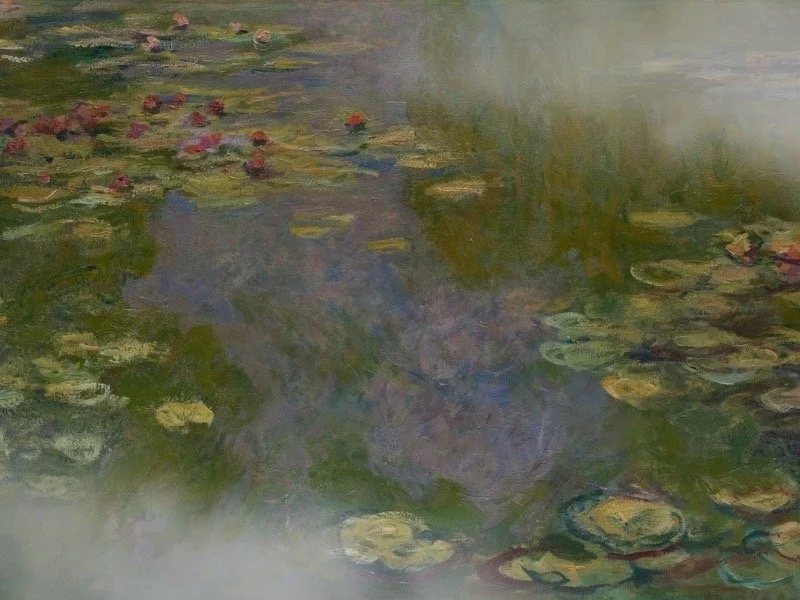
Water Lily Impressionist Artwork – Soft Landscape Print for Peaceful Home Decor
A museum gift shop is not an accident of commerce tacked onto the end of a cultural experience. It is an admission: looking at something once, in a room you cannot return to whenever you want, was never going to be enough.
We don’t think of the postcard rack as a compromise. We think of it as completion — the last step in having been there. The reproduction does not compete with the original. It is translating the encounter into something durable enough to carry home.
What Proximity Does That Reverence Doesn’t
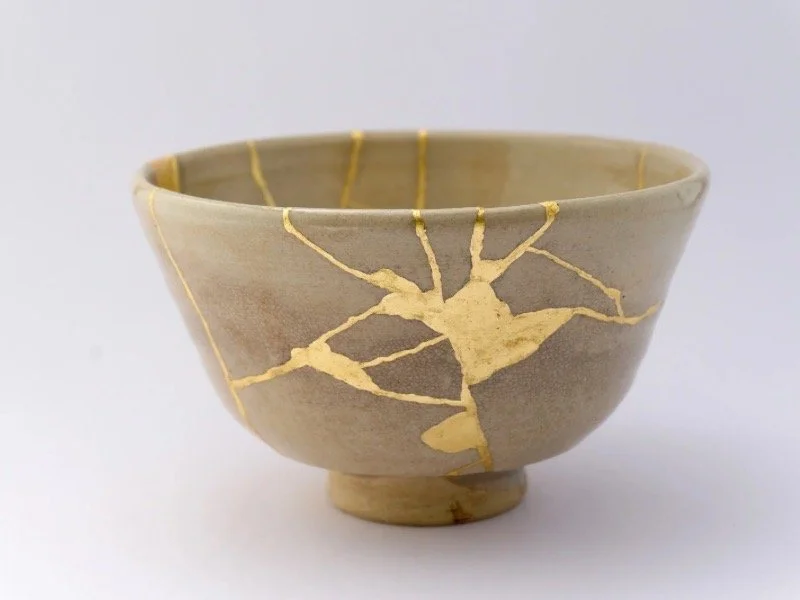
Handcrafted Kintsugi Bowl – Japanese Ceramic Art for Mindful, Calming Spaces
The attention a painting gets behind glass, in low light, with a guard nearby: careful, brief, slightly formal. It is the attention you give something you do not own.
A print taped above a desk gets a different kind of attention. A glance at while making coffee, half-noticed for months, and then seen again on a difficult day — doing more work in that moment than the original did in its hour of reverent silence.
Ownership changes what a painting means. Proximity lets an image accumulate a life alongside yours instead of remaining fixed in the moment you first stood in front of it.
The Objection, and Why It Misses the Point

Calming Moon Phase Wall Art – Celestial Decor Inspired by Museum Aesthetics
The longstanding argument, older than any gift shop, is that reproduction cheapens the original—that a painting loses something when it is flattened onto a magnet, mass-produced, and unmoored from the room it was made to inhabit.
There is truth in that. A print is not the painting.
But that assumes the point of buying a reproduction is to possess the painting. It isn’t. The point is to keep some trace of the encounter: the afternoon, the light, the person you were with. The postcard is not pretending to be the Vermeer. It is giving the hour you spent looking at it somewhere to live.
What We Actually Bring Home
Nobody leaves a museum wanting to forget what they saw.
The gift shop exists because memory fades. An experience cannot be returned to, and eventually becomes harder to reach.
What gets carried out in a paper bag is not really the art. It is a small physical guarantee that the hour inside was not only a moment.
Further Reading: On What We Carry Away
These pieces follow the same idea in different forms — that an object outlasts the moment it came from, and that keeping something physical is rarely about the object itself.
→ When Music Was Something You Could Hold: The same instinct, a different object — why we still want the record, the sleeve, the thing itself, long after we no longer need it to hear the song.
→ What Amy Sherald Leaves Out: A different question about what a painting is for — not what it holds onto, but what it deliberately leaves out to make room for the viewer.
→ What Käthe Kollwitz Knew About Grief: Art that isn't made to be owned or carried home at all, and what that absence of comfort does instead.