What the Sky Is Doing to Your Nervous System: On Constable, Turner, and the Art of Looking Up
Why does a painting of clouds slow your breathing before you've consciously registered what you're looking at?
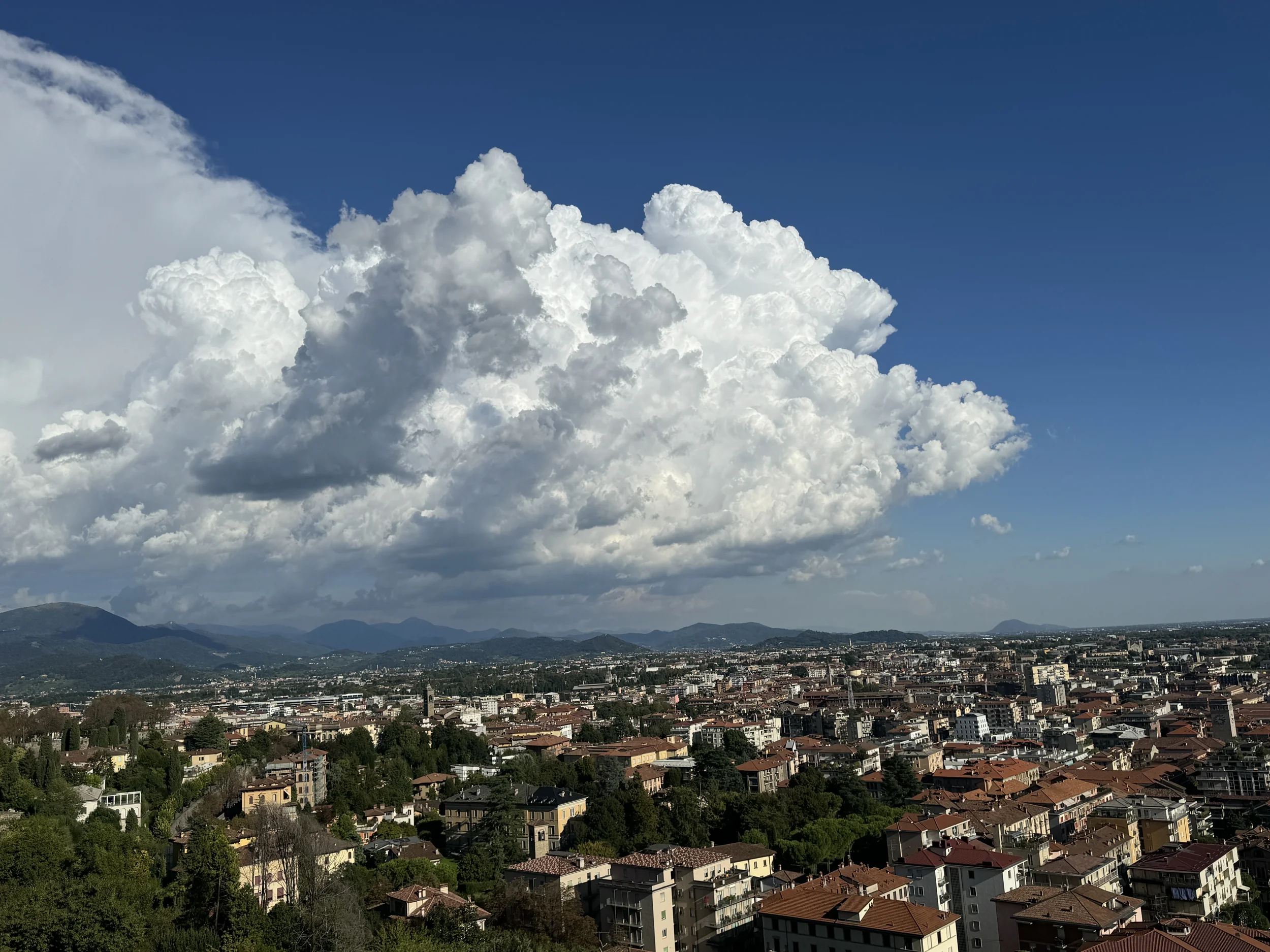
A single cloud, the whole sky's worth of scale.
There's a reason landscape painting has never fully gone out of fashion, even in centuries that claimed to have outgrown it. It isn't nostalgia or decoration. Before anyone had language for nervous system regulation, painters were already mapping what happens to the body when it's given somewhere to rest its eyes—sky instead of wall, horizon instead of clutter, movement without threat.
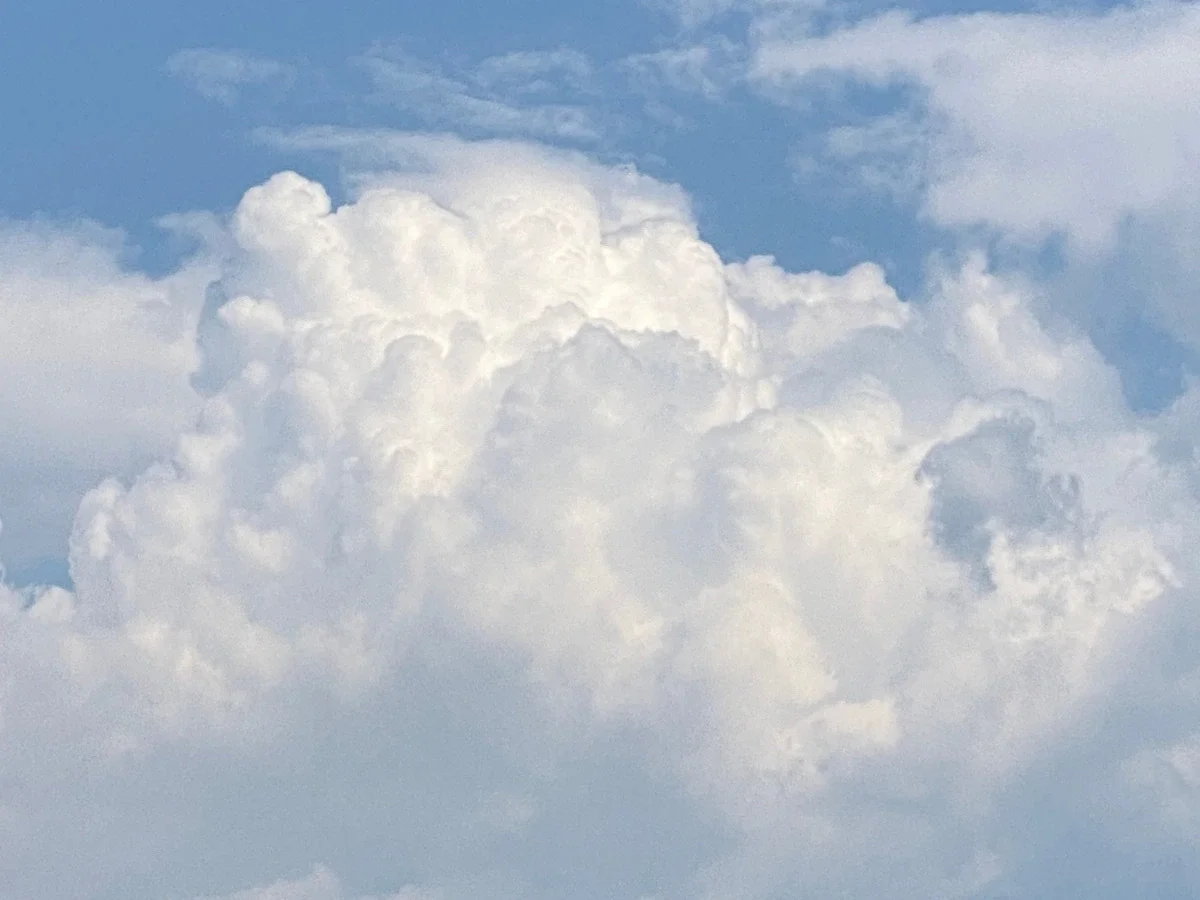
The patience Constable painted, one cloud at a time.
John Constable spent years returning to the same stretch of English sky, cloud study after cloud study, not because he ran out of subjects but because he understood something we're only now putting clinical language to; that watching something move slowly, without demand, is one of the few visual experiences that asks nothing of you. No narrative to follow. No figure to interpret. Just weather, doing what weather does, at a pace the body recognizes as safe.
Jacob van Ruisdael painted skies that took up two-thirds of the canvas, the land beneath reduced to a narrow band at the bottom—as if he already knew that vastness itself was the subject, and everything else was just there to give scale to it.
When Calm Isn't the Point: Turner, Friedrich, and the Sublime
Not every landscape is trying to soothe you.
J.M.W. Turner's skies aren't Constable's skies. Where Constable studied clouds with the patience of a scientist cataloguing weather, Turner painted storms that seem to be actively coming apart—sea and sky dissolving into each other, ships barely holding their shape against the force of what surrounds them. Standing in front of Turner’s is not a calming experience. It's closer to awe, which is a different physiological event entirely: the heart rate rises before it settles, and there’s a small, involuntary intake of breath.
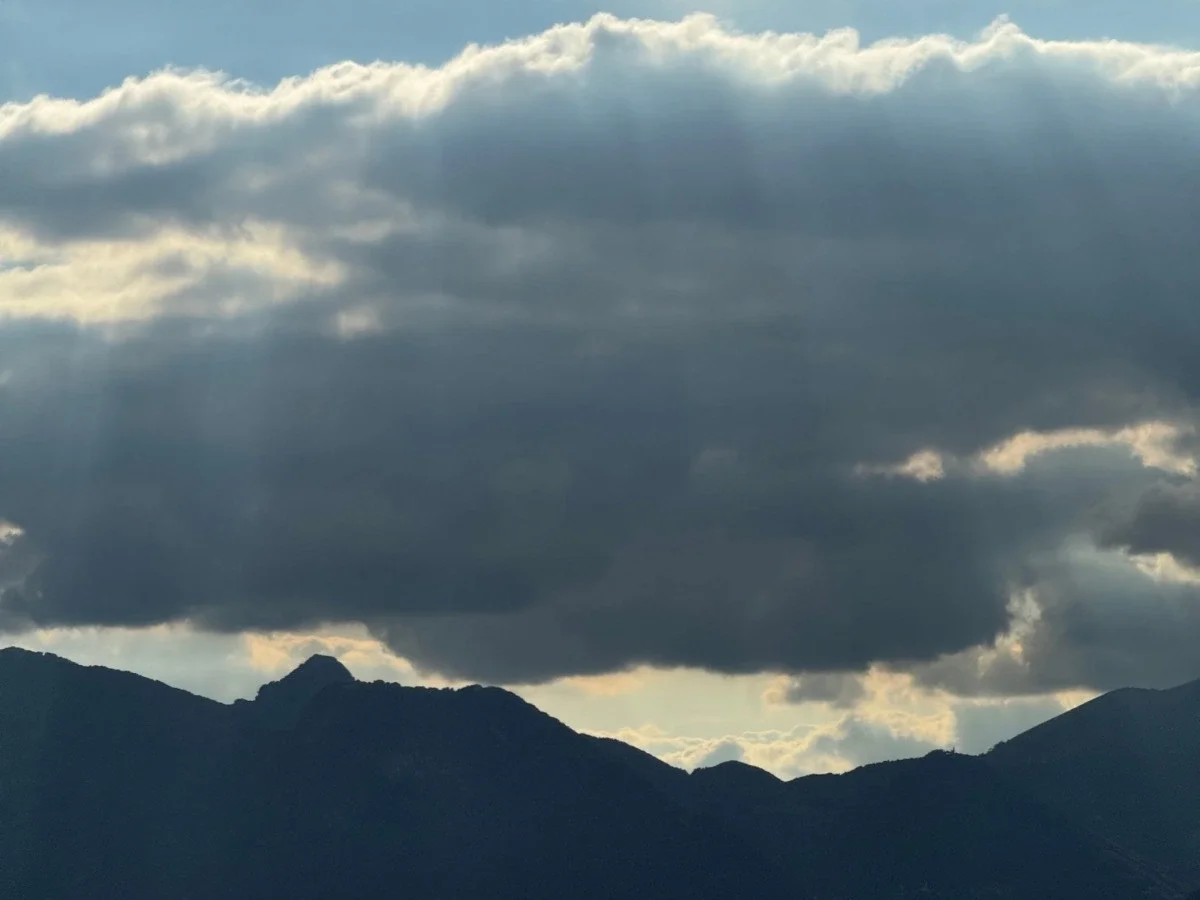
The sublime: awe with a little fear mixed in.
This is the sublime—a concept the Romantics were explicit about, even if we've since lost the word for it. The sublime is not beauty's gentler cousin. Its beauty mixed with something closer to fear: the sense of standing before something too vast to be fully taken in and surviving the encounter anyway.
Caspar David Friedrich understood this instinctively. His wanderer, standing at the edge of a cliff with his back to us, isn't at peace. He's small. The fog is enormous. And there's something the painting insists on: that smallness, faced honestly, isn't the same as being diminished.
What Constable offers the nervous system is regulation. What Turner and Friedrich offer is something closer to recalibration—a reminder, delivered through scale, of how much exists that is beyond what one person can control.
April Gornik and the Sky That's Still Being Painted
The conversation Constable and Turner started didn't end with them.
April Gornik paints skies the way Ruisdael did—vast, dominant, doing most of the emotional work on the canvas—but with a scale and stillness that is distinctly contemporary, made for viewers who spend most of their day looking at screens instead of horizons. Her clouds don't announce a storm the way Turner's do, and they don't quietly observe the way Constable's do. They hold something closer to the space between the two: enormous, undeniably present, but patient—content to let you notice them in your own time.
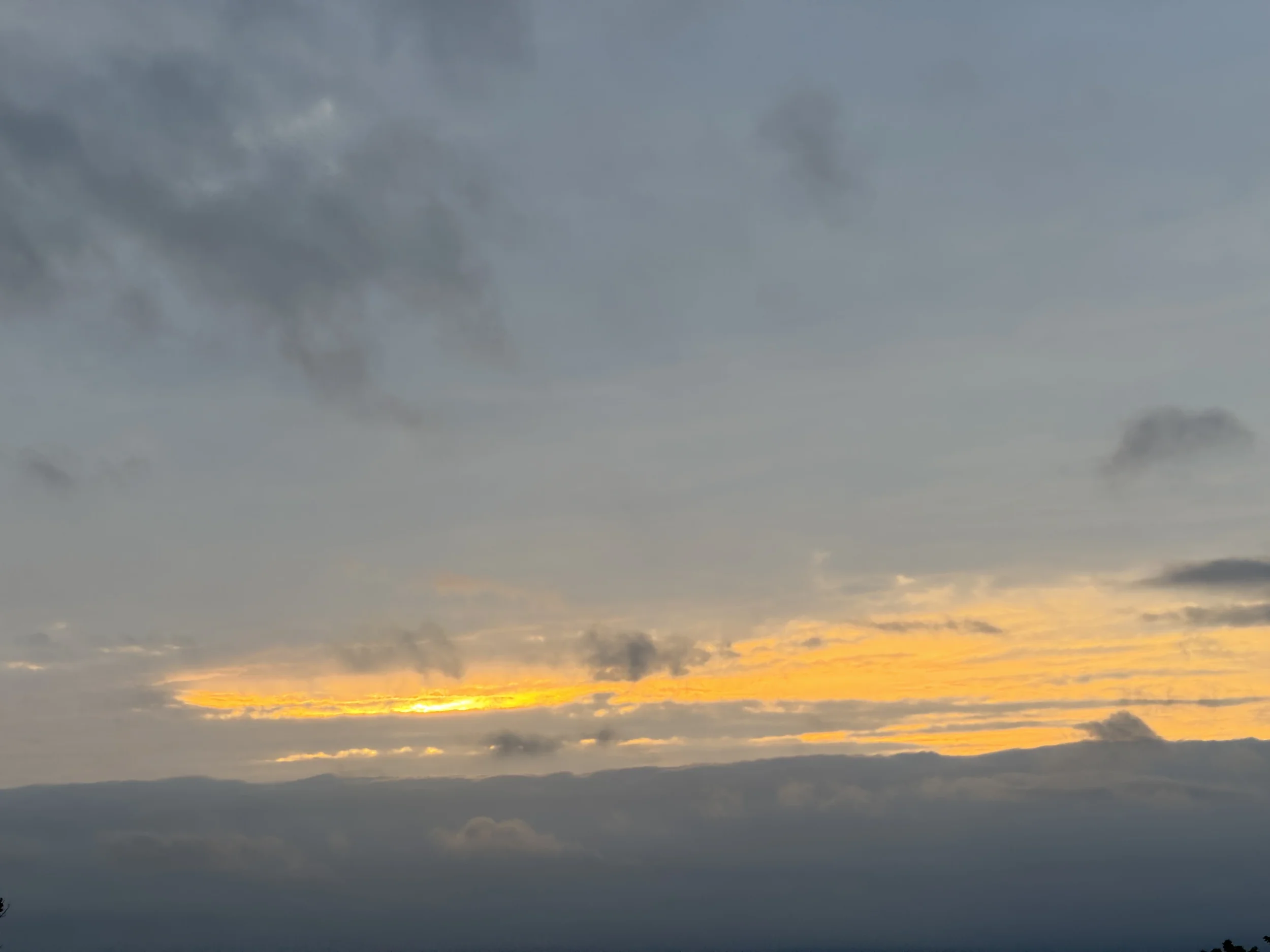
Gold held, not announced.
That she's still painting this way now, in a moment saturated with faster and louder images, is its own kind of argument. The nervous system hasn't changed since Constable's century. It still responds to open sky, to scale without threat, to the slow movement of something that isn't trying to sell you anything or demand your reaction in the next three seconds. Gornik's work suggests that this isn't a historical curiosity—it's a need that never went away, just got harder to meet.
What We're Looking For
Perhaps this is why landscape painting has outlasted every era that assumed it was finished saying something.
We don't return to Constable's clouds, Turner's storms, or Gornik's skies because we're nostalgic for a version of nature we've lost. We return because something in the body recognizes what these paintings offer—regulation, in one register; recalibration, in another; and, in Gornik's skies, a little of both at once. Looking up has never stopped being one of the few things that asks nothing of us in return.
Further Reading: On Stillness, Scale, and What the Body Remembers
These pieces explore how the nervous system responds to what the eye takes in — and why some images calm us while others only overwhelm.
→ Art That Heals: How Museums Are Becoming Modern Wellness Sanctuaries: A companion piece on how physical space, not just image, shapes the nervous system's response to art — and how to bring that calm home.
→ How Art Supports Mental Health: Andy Warhol, Creativity, and the Healing Power of Culture: On creativity as connection rather than self-expression alone, and how looking at art can support reflection and meaning-making.
→ The Playlist as Ritual: How Intentional Listening Changes Your Day: On choosing music deliberately as a form of self-regulation — the same quiet mechanism, carried through sound instead of sky.