The Photograph: How Photography Changed the Way We See
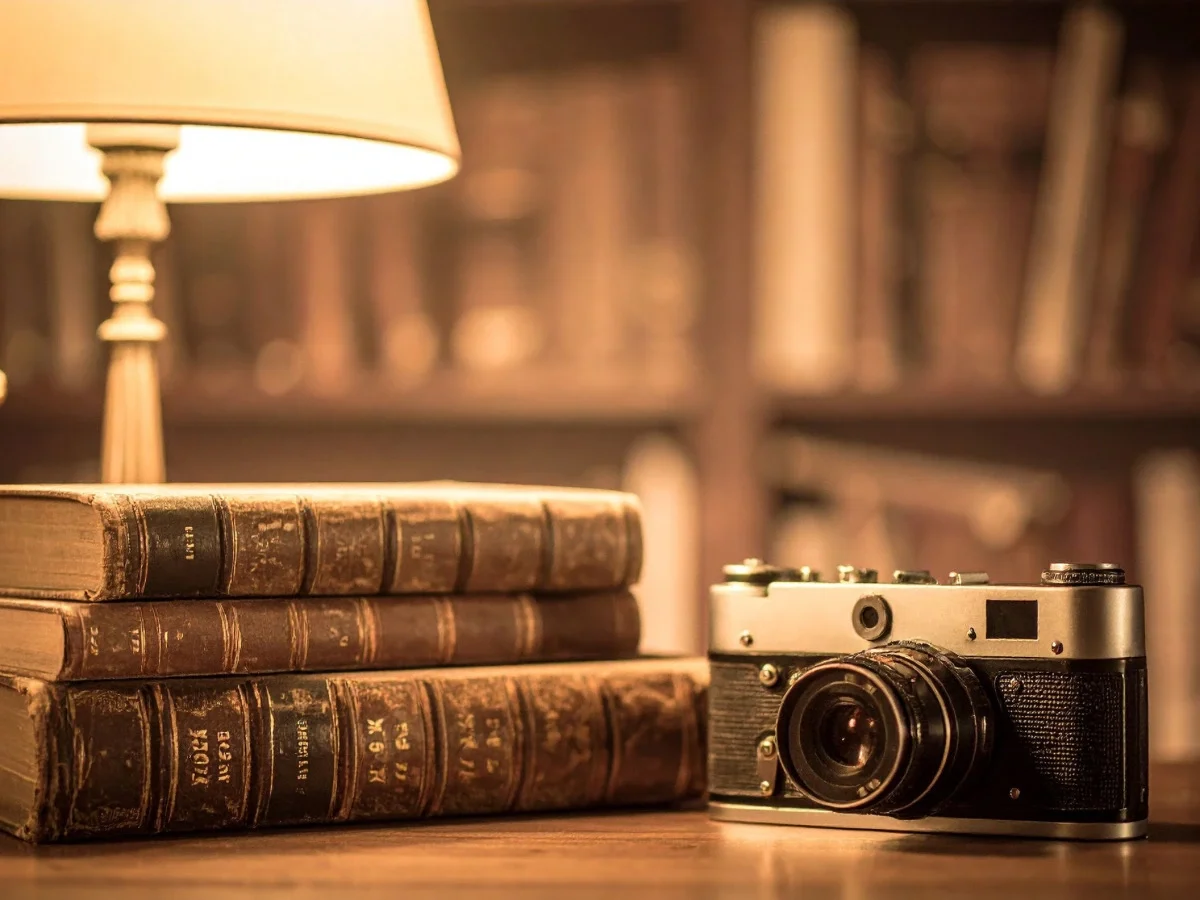
The History and Meaning of Photography
Before the camera, images were always interpretation. Photography introduced a strange possibility—and never fully resolved what to do with it.
Photography did more than capture the world. It changed what we expected to see.
A painter decided what mattered. A portrait could flatter, idealize, dramatize. A landscape could make nature feel sublime or threatening. Photography introduced a different possibility: what if the world could speak for itself?
Of course, it couldn't.
Every photograph still begins with a decision—where to stand, what to include, what to leave outside the frame, and when to press the shutter. The camera records. The photographer chooses. That distinction is where photography becomes art.
The Photograph as Presence: Cameron and Stieglitz
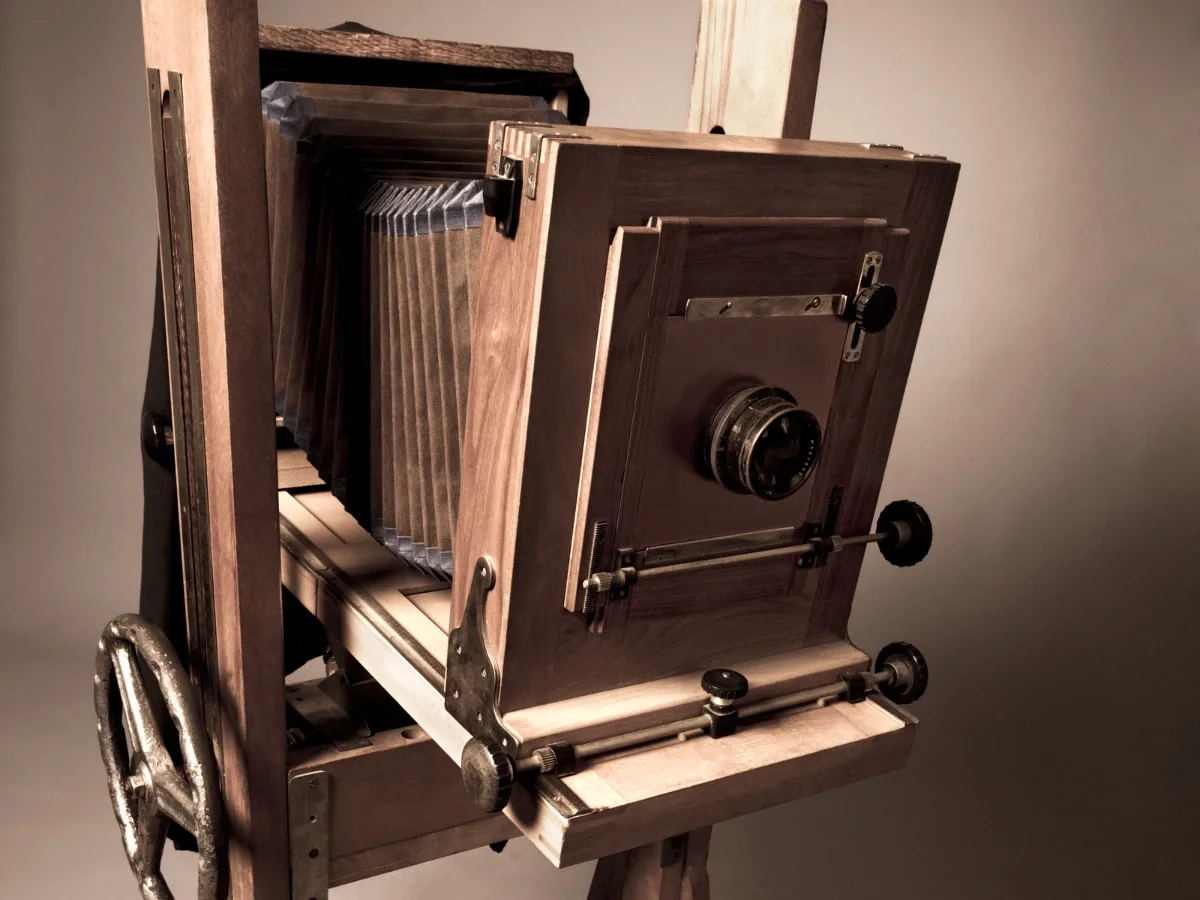
The camera records. The photographer chooses.
Julia Margaret Cameron understood that technical perfection wasn't the same thing as emotional truth. Her portraits, including her studies of her niece Julia Jackson, later the mother of Virginia Woolf, were often soft, atmospheric, even imperfect by the standards of the emerging medium. She wasn't interested in producing an accurate likeness. Her interest was in presence: a face rendered so that looking at it felt like an encounter, not a record.
Alfred Stieglitz took that argument further, helping establish photography as a serious artistic medium through Camera Work, his galleries, and his own photographs. His Equivalents series, more than a decade of cloud studies, is particularly revealing: a subject as ordinary as the sky became an abstract study in mood, movement, and perception, translated through a camera the way painters had translated it through pigment for centuries. Among his other work is The Steerage (1907), still one of the defining images of early modernist photography.
The photograph wasn't simply showing us what was there. It was teaching us how to see it.
The Camera as Witness: Lange and Parks
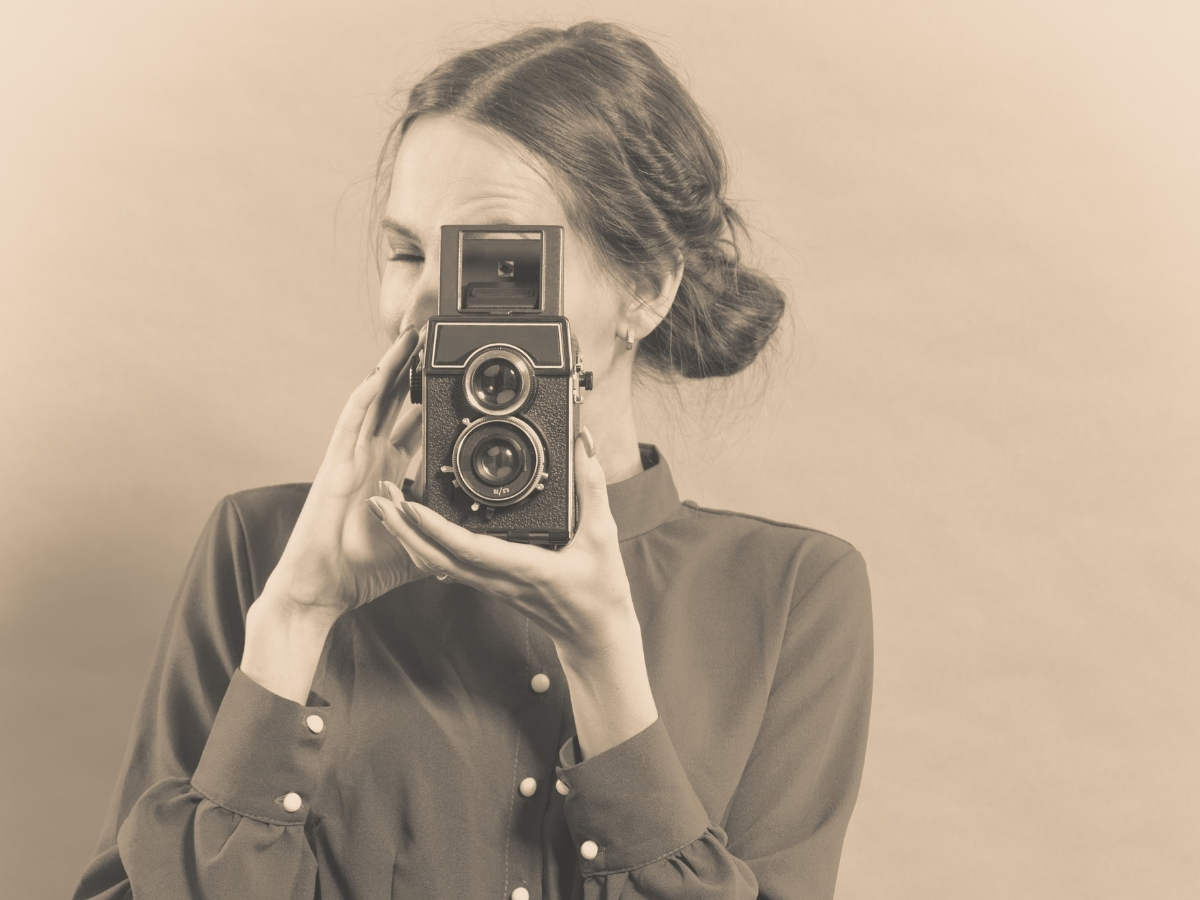
What gets photographed becomes part of the record.
Photography also changed journalism. A statistic could describe poverty. A photograph could make people look at a person living through it—which is exactly what happened when Dorothea Lange made Migrant Mother in 1936, during her work for the Resettlement Administration. It was not the only photograph she took that day, but it became the one the public remembered.
And that changed the photographer's responsibility: what gets photographed, and what gets selected, becomes part of the public record.
Gordon Parks understood this particularly well. His photographs could expose injustice while also revealing the choices, dignity, contradictions, and ordinary details that stereotypes leave out — refusing, across his FSA portrait American Gothic, Washington, D.C. (1942) and decades of work for Life, to reduce his subjects to a single story. In Parks's hands, the camera restored the complexity that stereotypes had flattened out of them. Photography became a form of witnessing—and witnessing is never neutral.
The Photograph as Invention: Man Ray and the Surrealists
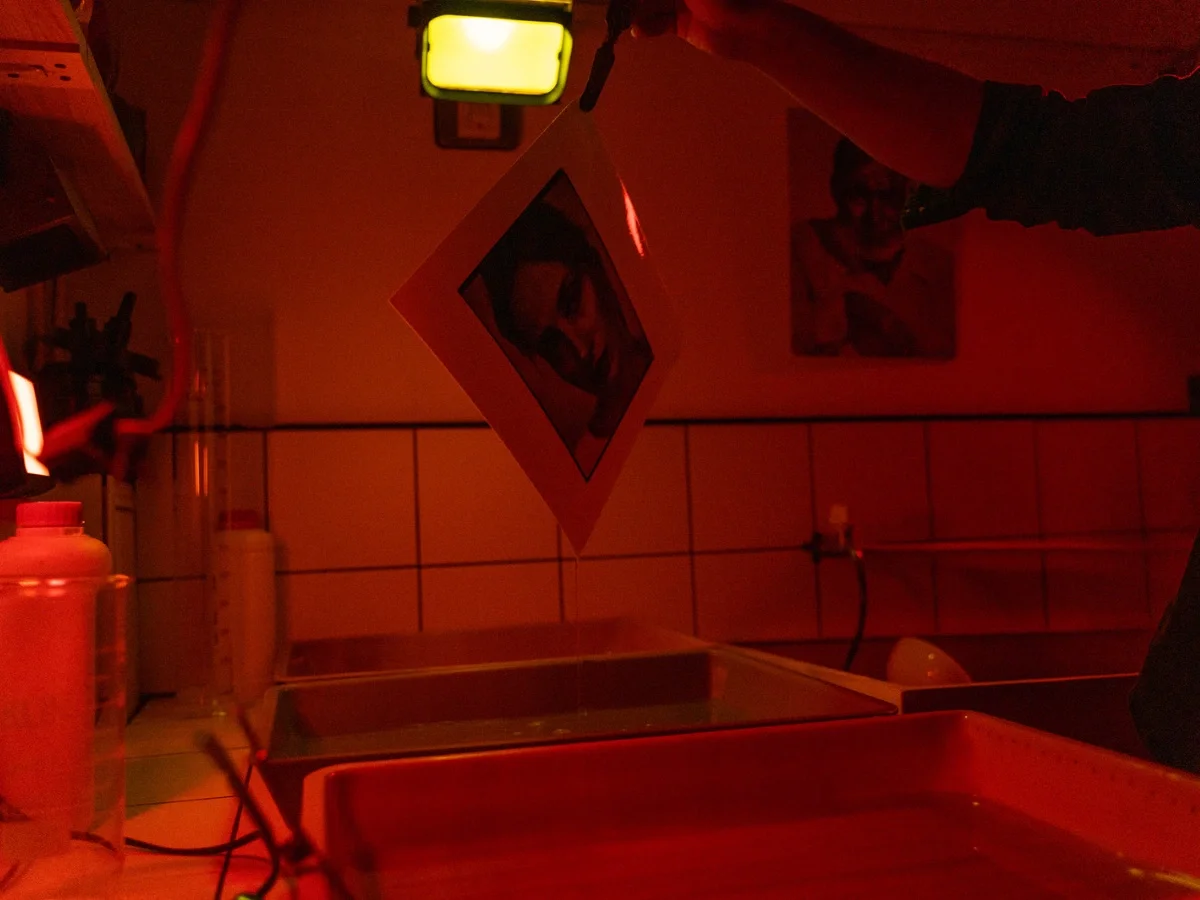
The darkroom became another kind of studio.
Photography's power was never dependent on its ability to tell the truth. Man Ray and the Surrealists understood that the camera could distort, manipulate, abstract, and invent. In works like Le Violon d'Ingres (1924), the darkroom became another kind of studio: light could be altered, objects transformed, reality made strange.
This mattered because it challenged an assumption that had attached itself to the medium since its invention—that a photograph was, above all, evidence of what had happened. A photograph could document reality. It could also construct one. That tension has never gone away.
The Photograph We Live Inside Now
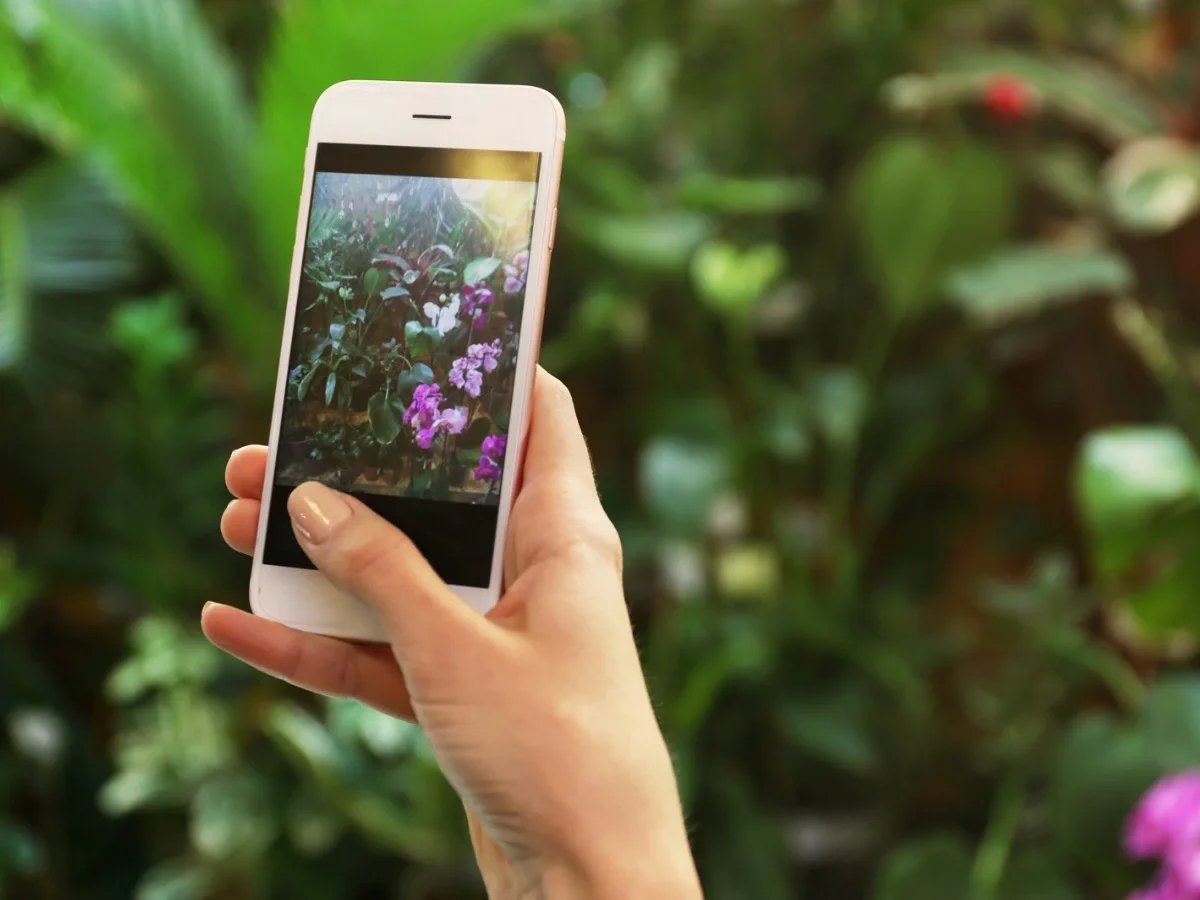
The camera got smaller. The choice didn't.
Today, photography is no longer rare. We photograph meals, streets, friends, sunsets, receipts, rooms, celebrations, accidents, ordinary Tuesdays. The camera has moved from the studio into our pockets, and something has changed.
The early pioneers had to convince people that a photograph deserved to be looked at. Now the problem has reversed: images no longer go unnoticed—there are too many of them to take in. The question is no longer whether photography can capture the world. It's whether we'll stop long enough to see what it captured.
What Makes a Photograph Matter?
The answer isn't technical perfection. It isn't age, rarity, or even fame. The photographs that stay with us tend to do something simpler: they make us look again. At a cloud. A stranger. A street. A moment that would otherwise disappear.
This is what the pioneers of photography understood before the rest of us had millions of images in our pockets—Cameron with a face, Stieglitz with a sky, Lange and Parks with people other cameras had stopped seeing, Man Ray with the idea that a photograph didn't have to be true to matter.
Every photograph, from Cameron's soft focus to the one still sitting unopened on your phone, begins the same way: where to stand, what to include, and what to leave outside the frame.
The camera got smaller, faster, and infinitely more common.
The choice didn't.
Related Reading: These pieces are about what happens when you look long enough—at a sky, a self, or a stranger's photograph—for it to change what you see.
→ What Artists Know About Looking at Themselves: Sustained attention as a discipline, and what it reveals when we refuse to look away.
→ What the Sky Is Doing to Your Nervous System: On Constable, Turner, and the Art of Looking Up: On painters who found in an ordinary sky what Stieglitz later found through a camera.
→ The Art You're Drawn to When You're Grieving—and Why: On why the eye reaches for certain images without explanation—the same instinct that made Migrant Mother the one photograph people remembered.