How Art Supports Mental Health: Andy Warhol, Creativity, and the Healing Power of Culture
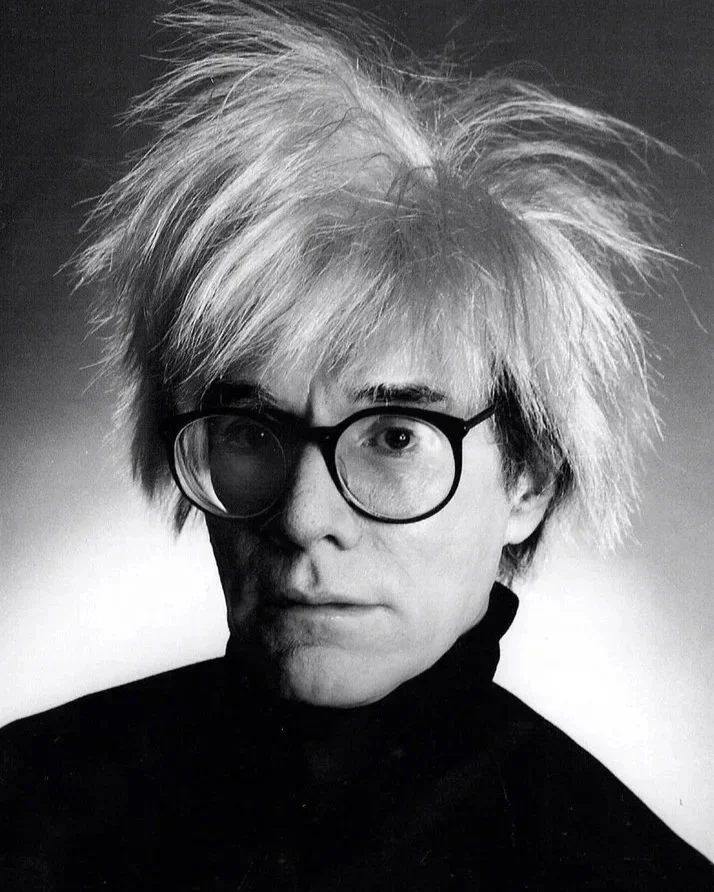
Andy Warhol used art to explore identity, culture, and the images that shape everyday life.
Inspired by Andy Warhol, this piece explores how art and creativity help us connect, reflect, and support our mental wellbeing.
The Art of Feeling
As autumn deepens and the year begins to wind down, we often find ourselves craving warmth—not just physical, but emotional. November invites reflection: shorter days, slower rhythms, and a quiet turning inward.
In a world that often feels chaotic, walking into a gallery, hearing a favorite song, or watching a film that speaks to your soul can be grounding. We turn to art, music, and film not just for entertainment, but for understanding—for connection – for mental wellness.
Andy Warhol understood this deeply. More than the man who painted soup cans, he built a world where culture wasn’t siloed—it was one shimmering, interconnected canvas. And his legacy feels more relevant than ever.
Art Therapy: Visualizing the Inner World
Andy Warhol famously said, “I think everybody should like everybody.” Behind his playful silkscreens, though, was a profound truth: we all want to be seen.
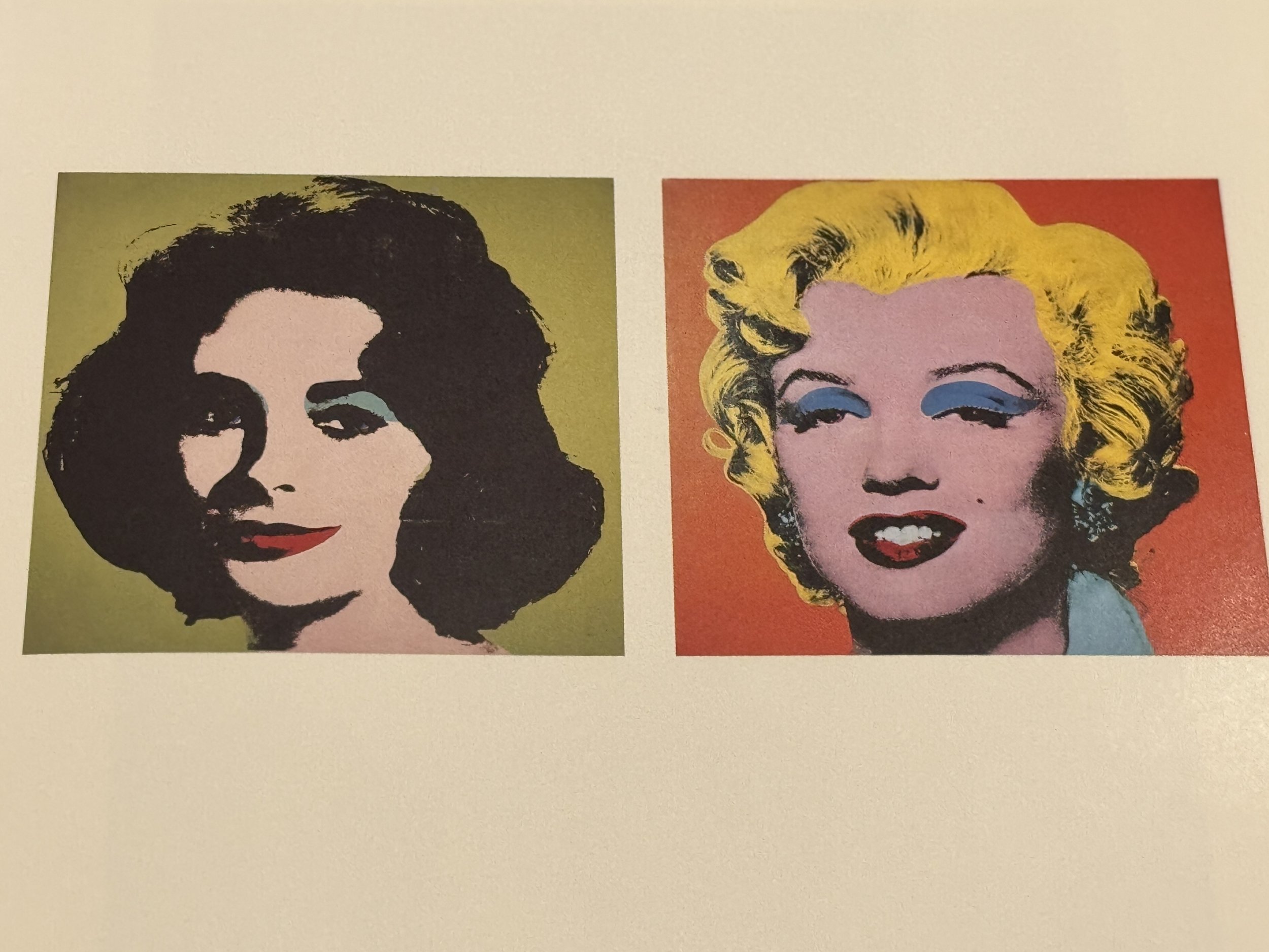
Art is more than decoration—it’s a mirror for emotion, identity, and even trauma. Warhol’s repetition of celebrity faces—Marilyn Monroe, Elvis, Jackie O—reflected both fame and fragility. His work asks: What does it mean to be human in a world obsessed with image?
From a mental health perspective, creating or consuming visual art can be incredibly therapeutic. Even doodling in a notebook, sketching, or trying a guided watercolor exercise can serve as a form of emotional release and self-regulation.
If art gives form to feeling, music gives it motion.
Music Therapy: Soundtracking Our Emotions
Creativity offers a space for reflection, connection, and personal expression.
At Warhol’s legendary New York studio, The Factory, art and music collided. He managed The Velvet Underground, a band raw, experimental, and sometimes unsettling. Exactly what the soul needed.
Music connects us in a way few things can. It’s vibration,memory, and mood in motion and reflection. Neuroscience confirms it: music activates the brain’s emotional and memory centers, making it a powerful tool for mental wellness.
Whether it’s classical, punk, lo-fi, or pop, music is a universal language. And like Warhol’s art, it often lives on the edge of discomfort and beauty.
And when sound heals us, film helps us see ourselves clearly.
1964 Film by Andy Warhol
Film and Empathy: Witnessing the Human Experience
Warhol’s films were notorious for their stillness. Empire (1964), for example, fixates on Empire State Building for eight hours. Sounds boring? Perhaps. But also, profoundly deliberate.
Film allows us to slow down, observe, and reflect. Watching movies is stepping into someone else’s life—it cultivates empathy, challenges biases, and help us feel less alone. And these qualities are essential for mental health: presence, patience, and perspective.
In this season of slowing down, film reminds us that stillness itself can be an act of care.
The Interwoven Culture of Healing
What Warhol understood—and what science is affirming—is that culture heals. Art, music, and film are more than entertainment. They’re tools of connection, self-expression, and reflection.
Art externalizes emotion, giving shape to feelings we can't always voice. Music channels energy and regulates mood. Film builds empathy, letting us witness humanity in all its complexity.
Together, they form the emotional infrastructure of culture, a practical, everyday toolkit for mental wellness.
Mental Health Meets Modern Creativity

Cow Series - Pop Art by Andy Warhol
In our digital world, creativity is more accessible and necessary than ever. You can:
Curate Spotify playlists to match your mood or ease anxiety.
Stream documentaries that spark introspection.
Explore digital art tools or journaling when words fail.
Even AI art platforms and virtual galleries echo Warhol’s vision of blending human and machine creativity—a reminder that the instinct to create, connect, and heal remains timeless.
Following Warhol’s footsteps doesn’t require becoming a pop art icon. It means integrating creativity into daily life—turning albums, films, and sketches into tools for reflection and renewal.
Be Your Own Factory
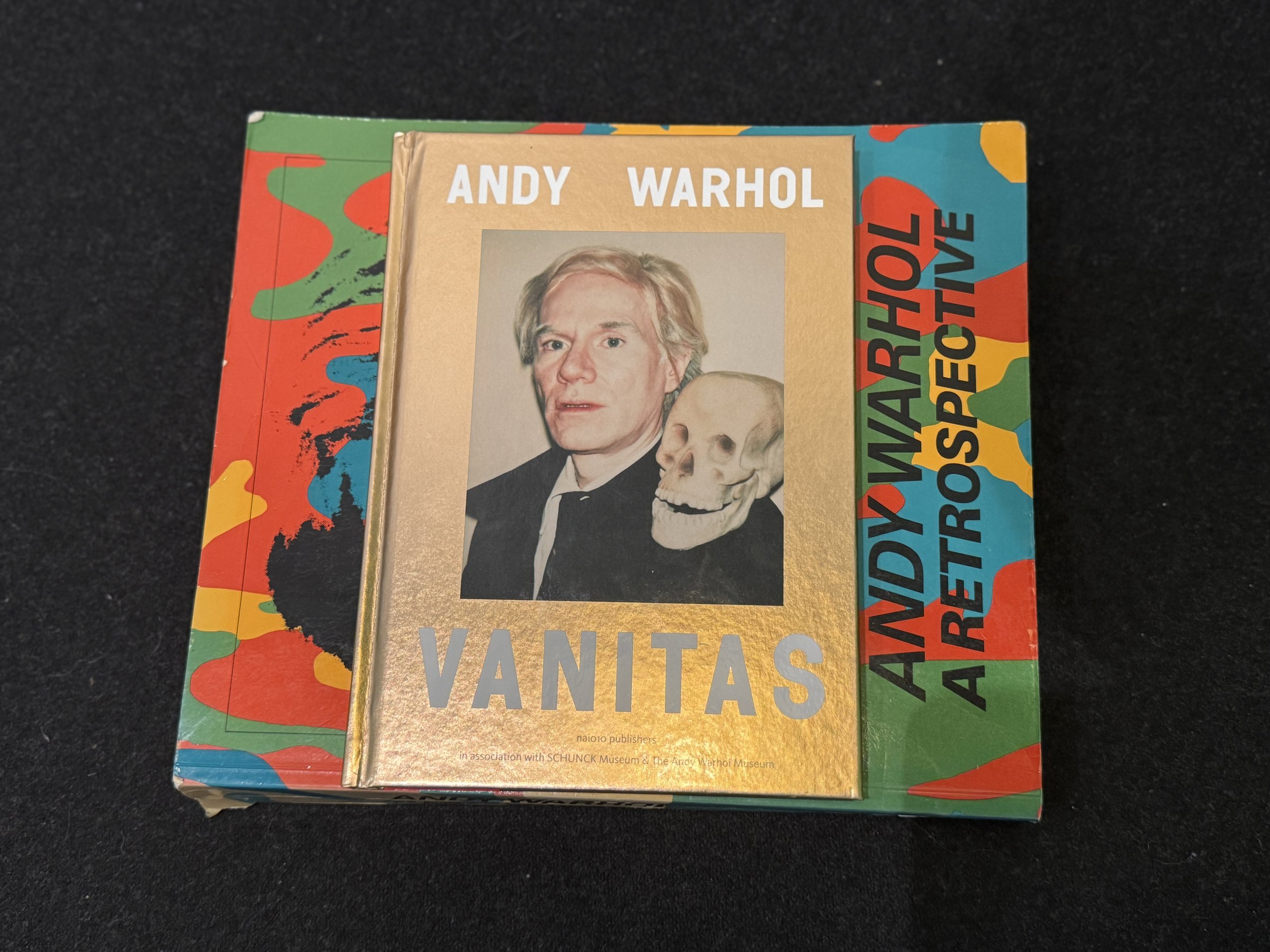
The creative process can inspire reflection, curiosity, and connection.
Warhol blurred life and art. He made his life the art.
In 2025, with burnout rising and loneliness widespread, remember his advice: “Don’t think about making art, just get it done.”
You don’t need permission to create. Curiosity and courage are enough. Whether painting, dancing, filming your dog or simply listening deeply to music —you’re participating in culture, and it matters.