What They Built, Not Just What They Made
On artists who didn’t wait for an industry to change. They changed its structure instead.
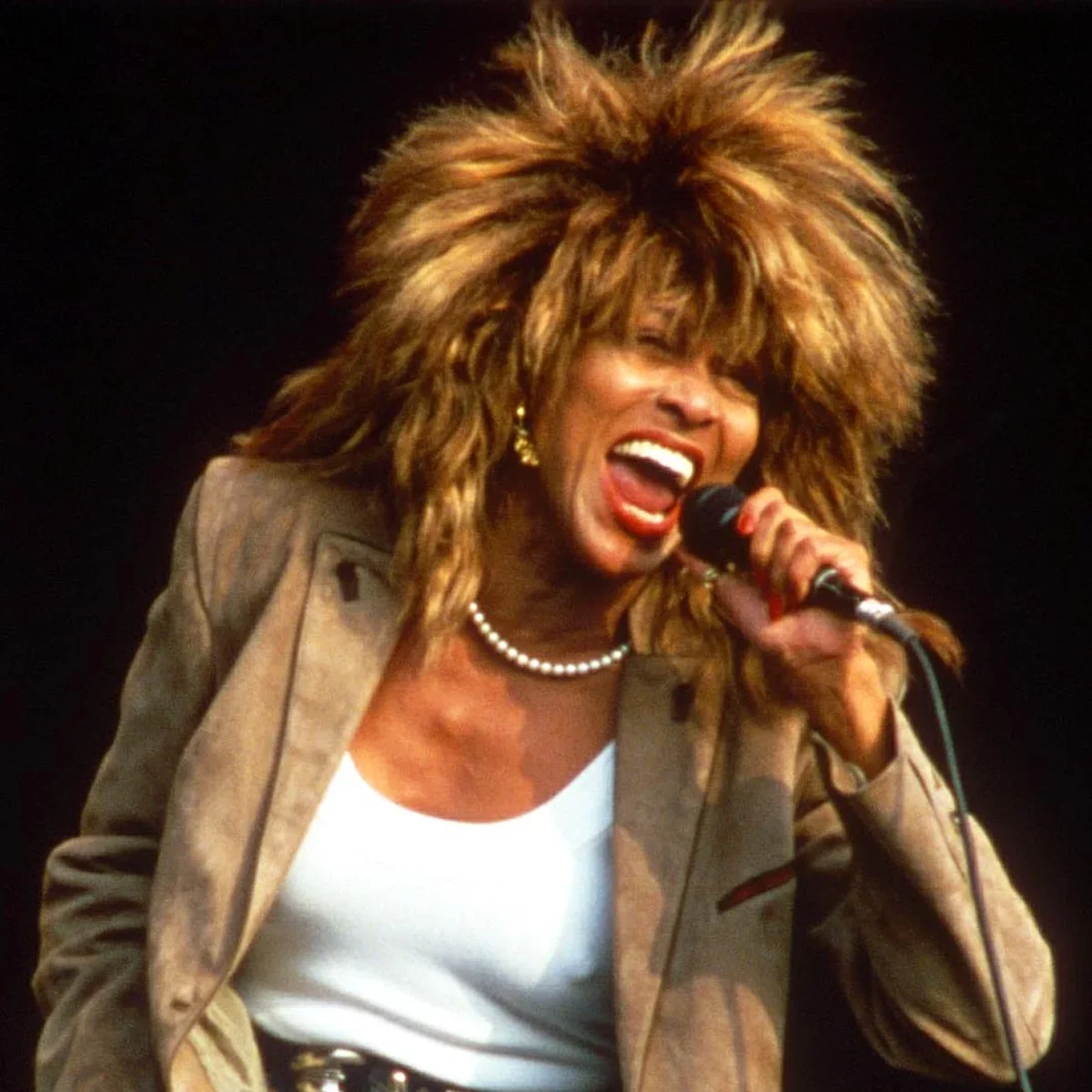
Tina Turner redefined global stardom through resilience, reinvention, and unapologetic power.
Making great work and changing an industry are not the same accomplishment. Plenty of extraordinary work has been absorbed by institutions that changed nothing about how they operated afterward. The rarer thing is building something an industry has to reckon with structurally: not just a film, a song, a performance, but the mechanism around it.
Seven artists, across two mediums and multiple continents, did exactly that.
Building the Distribution, Not Just the Story
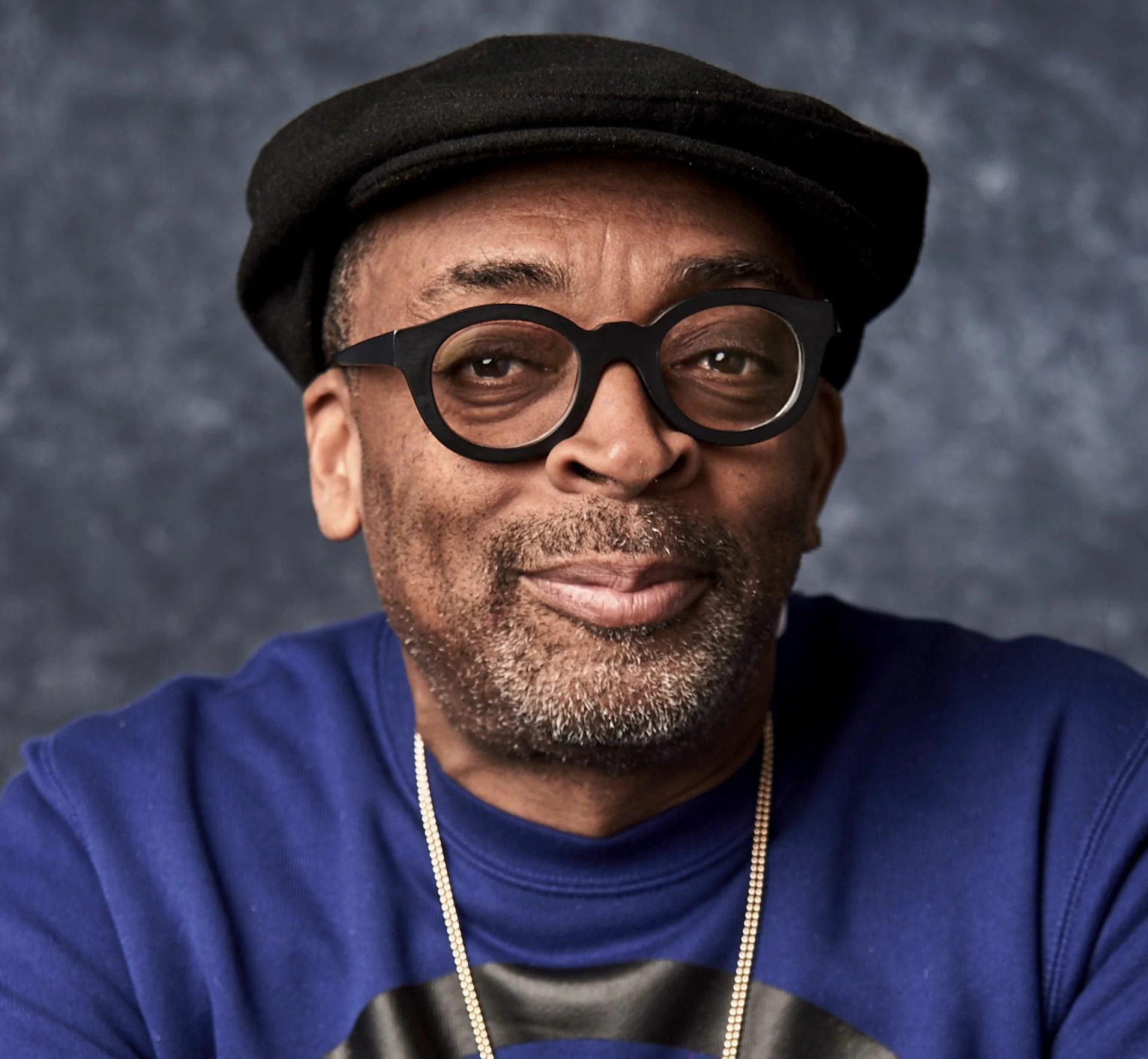
Spike Lee turned cinema into a cultural reckoning—centering Black life without compromise.
Spike Lee didn’t wait for studios to greenlight the films he wanted to make. In 1979, he founded 40 Acres and a Mule Filmworks, his own production company, so the work would not depend entirely on someone else’s permission to exist.
Decades later, Ava DuVernay built a different kind of infrastructure. ARRAY, the distribution collective she founded, created another route for films by people of color and women to reach audiences.
Ousmane Sembène went beyond filmmaking itself. Widely credited as the father of African cinema, he made films rooted in African language, politics, and experience, and helped build a cinema that could speak directly to African audiences rather than treating them as an extension of someone else’s market.
Building the Space Itself
Fela Kuti’s Afrobeat carried protest in its rhythm, but Kalakuta Republic gave that protest a physical address. The compound he declared independent from the Nigerian state became a place to live, work, record, perform, and organize outside the structures he opposed.
Nina Simone’s version was less architectural and more total. She refused to separate artistry from politics, moving between jazz, classical music, spirituals, and protest with the same refusal of easy boundaries. The work did not ask permission to keep those things apart.
Setting the Conditions

Beyoncé represents modern cultural authorship—where music, history, and global influence converge.
Tina Turner’s reinvention changed what a career could look like. After Ike & Tina Turner, she returned as a solo artist and built a second act on a scale that challenged assumptions about age, history, and who gets to remain a star.
Beyoncé’s model begins with control. Masters, timing, visual presentation, distribution: each became part of the creative equation. The work arrived with decisions about how, when, and where it would exist.
What Gets Called Legacy
Each built or claimed the conditions around the work: a studio, a distribution company, a place to make and organize, an artistic practice that refused to separate art from conviction, control over the terms of a recording career.
The work mattered. So did what they built around it.
It’s the difference between being given a seat and building the table.
Further Reading: On Who Controls the Terms
These pieces follow the same idea in different forms—that influence is never just about the work itself, but about who holds the structure the work moves through.
→ The Work That Refused to Translate Itself: A different mechanism entirely—not building new infrastructure but refusing to explain the work for an audience that hadn't earned it.
→ The Words That Left the Room First: The inverse of this piece's argument—what happens when a phrase escapes the control its creator built around it, instead of staying inside the structure she made.
→ The Art We Call Craft—And Why the Line Was Never Neutral: The same question of authorship and ownership, asked of an entire category of overlooked work rather than seven individual artists.