Cities That Are Beautiful to Walk Alone
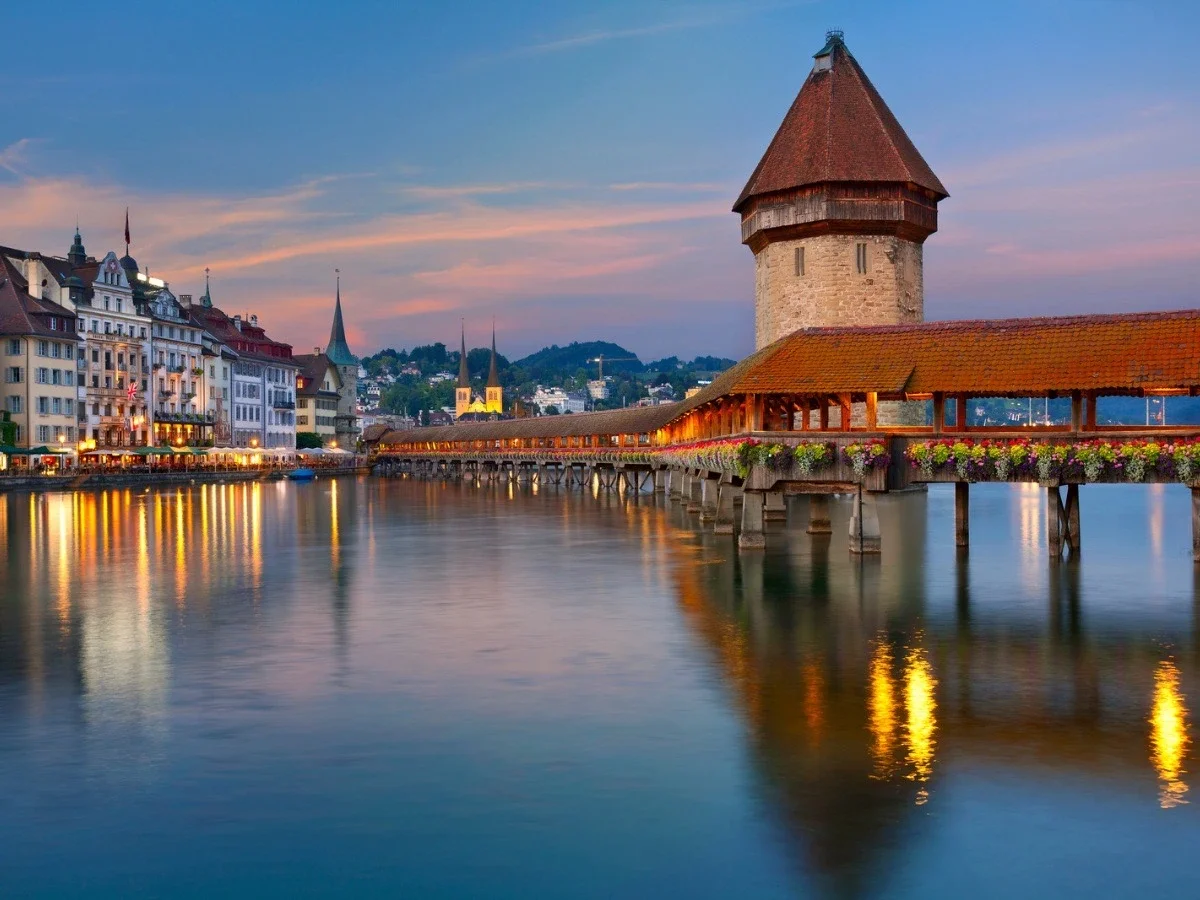
Lucerne's historic Chapel Bridge is a landmark best appreciated on foot.
Five destinations—from Bergamo to Oaxaca—where walking is the best way to experience the city.
Some cities reveal themselves through landmarks. Others reveal themselves through walking.
The cities that stay with you are often those where an afternoon stretches unexpectedly, a wrong turn becomes a highlight, and a walk to dinner takes an hour because you keep stopping. I've returned to each of these cities for the same reason: they're places best understood on foot.
Without conversation to fill the space, you notice more: chairs stacked outside a café, late-afternoon light on stone, the route residents take home from the market. A city either rewards that attention or it doesn't.
These five do.
"The best cities for walking alone are the ones that quiet your inner monologue—not because there's nothing to think about, but because there's so much to absorb."
Bergamo, Italy
CITTÀ ALTA · LOMBARDY · THE WALLED CITY
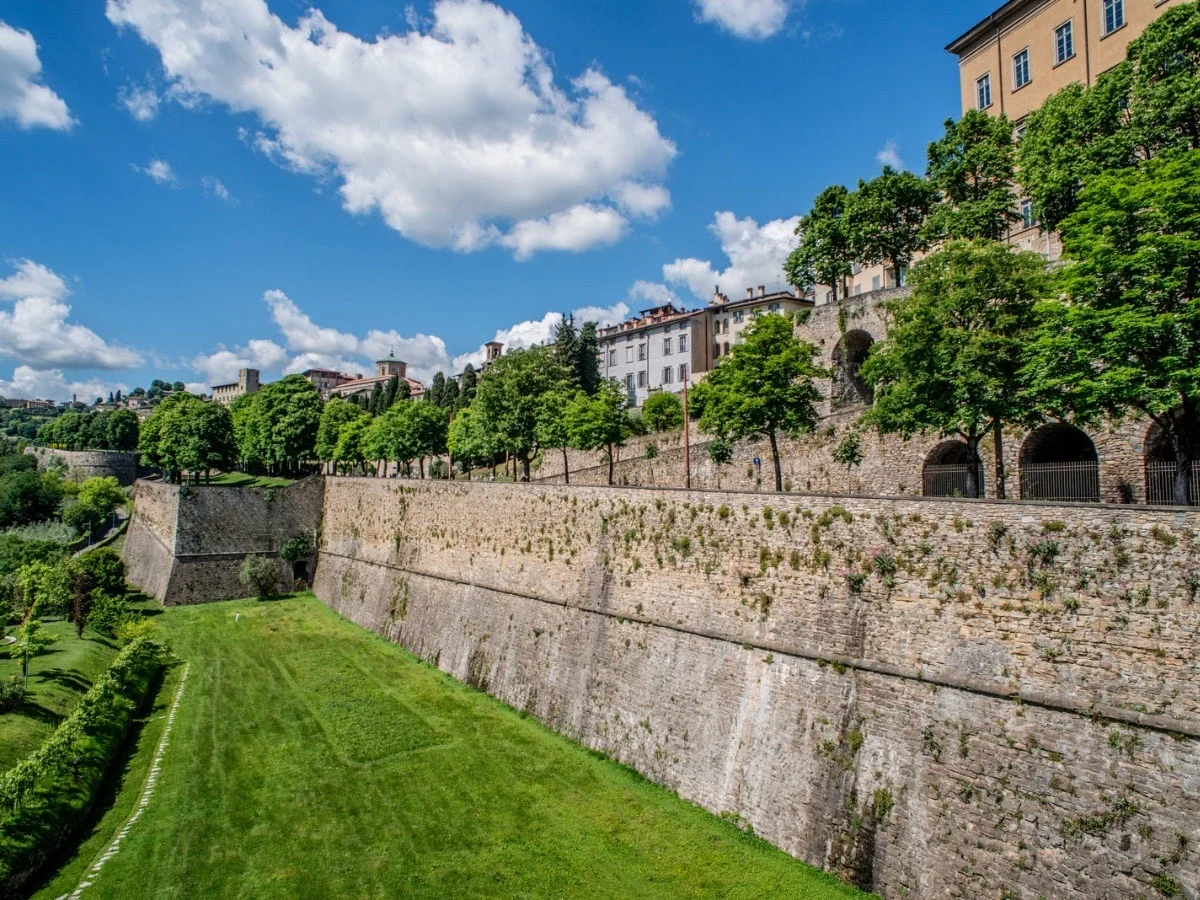
Bergamo's UNESCO-listed Venetian Walls offer one of Italy's most rewarding urban walks.
Bergamo exists at two speeds. Below, the modern city moves with the efficient rhythm of northern Italy. Above, reached by funicular and through the Venetian gates, the Città Alta unfolds at a slower pace entirely.
Worn cobblestones lead through narrow lanes that open onto quiet piazzas. Laundry hangs from shuttered windows, and church bells arrive before the church itself comes into view.
The Venetian Walls, constructed in the 16th century and now a UNESCO World Heritage Site, trace the edge of the upper city. Walking them in the morning, the Lombardy plain stretches outward beneath a horizon softened by distant Alpine peaks.
Bergamo's pleasures are cumulative: an espresso in Piazza Vecchia, an hour inside Accademia Carrara, a stop at La Marianna for the stracciatella gelato first created there in 1961. Late-afternoon light turns honeyed in a way photographs rarely capture.
Take the funicular up. Walk back down. The descent through residential streets below the walls — past herb gardens, terracotta pots, and open windows carrying the sound of dinner preparations — is among the most rewarding urban walks in Italy.
Nice, France
VIEUX-NICE · PROMENADE DES ANGLAIS · THE CITY OF IMPOSSIBLE LIGHT
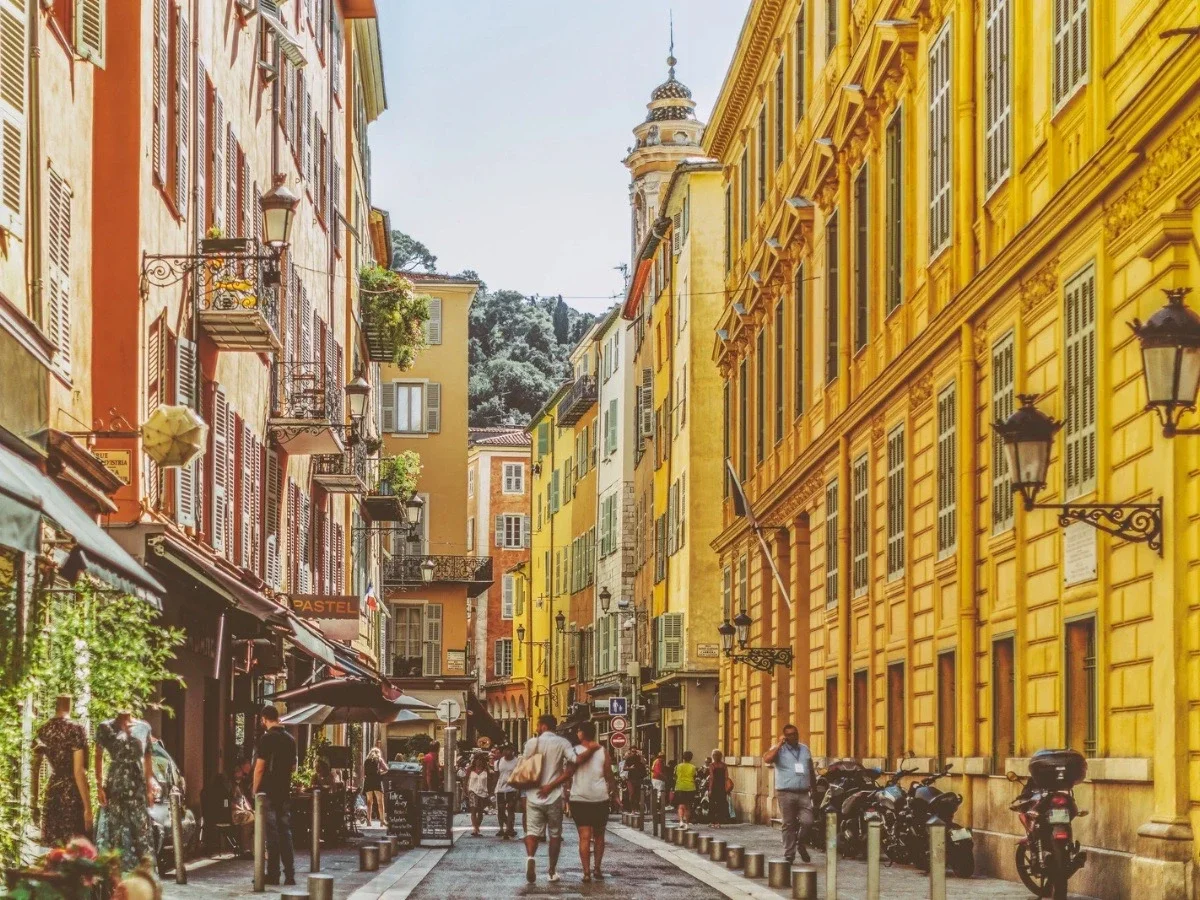
The colorful lanes of Vieux-Nice are best discovered without a plan.
There are cities whose reputations exceed reality. Nice is not one of them.
What has drawn painters to the Côte d'Azur for generations is immediately apparent: the light. It arrives with unusual clarity, turning ordinary facades into studies of color and shadow. In Vieux-Nice, buildings painted in shades of terracotta, mustard, and faded rose seem to change character by the hour.
Nice is best explored without a plan. A narrow passage reveals a hidden courtyard. A doorway framed in bougainvillea leads nowhere in particular. A church facade appears at the end of a lane that moments earlier seemed entirely residential.
Mornings belong to Cours Saleya, where flower stalls spill color beneath striped awnings while locals pause over coffee before the day gathers pace. There is movement everywhere, but very little urgency.
Late afternoon is best spent climbing Castle Hill. From the top, the old town's terracotta roofs gather beneath you while the curve of the Mediterranean stretches beyond the harbor — a view that feels both expansive and intimate at once.
Lucerne, Switzerland
LAKE LUCERNE · ALTSTADT · ROSENGART · KKL · THE CITY THAT REFLECTS
Lucerne feels almost improbably composed — a medieval old town, a mountain-framed lake, a covered wooden bridge. It can appear staged from certain angles. The impression fades as soon as you begin walking.
The lake is the city's organizing principle. Early in the morning, before tour groups arrive, the water becomes nearly still, turning the surrounding landscape into a mirror. At dawn, the Kapellbrücke emerges from the mist with a quiet authority earned over centuries — water slipping beneath the floorboards, painted panels passing overhead, the city waking slowly around you.
Lucerne rewards a simple rhythm: a walk by the lake, an hour in a gallery, a coffee, then another walk.
Santa Fe, New Mexico
THE PLAZA · CANYON ROAD · THE SANTA FE OPERA · THE ADOBE CITY
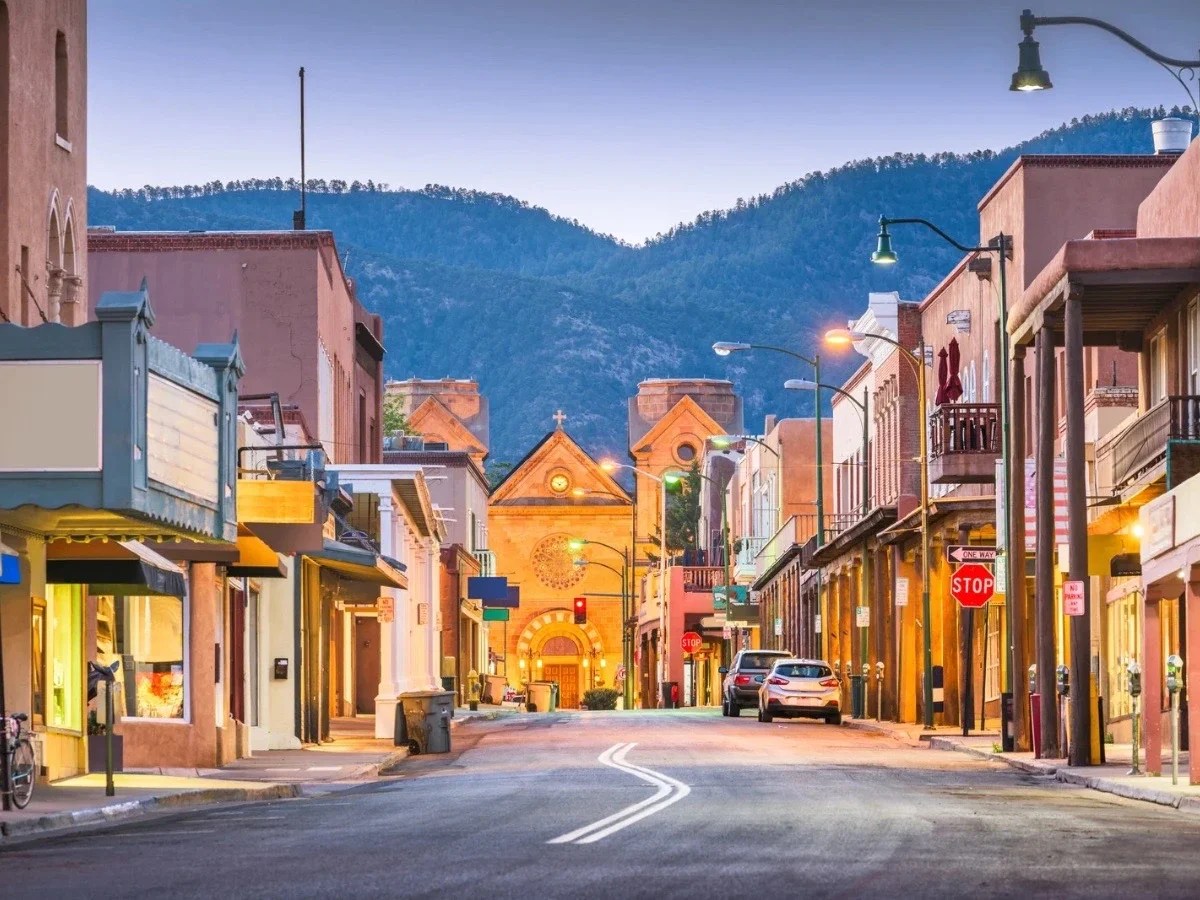
Santa Fe rewards slow wandering, where adobe streets, mountain views, and centuries of history unfold block by block.
Santa Fe is one of the oldest cities in the United States, and what lingers is the way landscape, architecture, and cultural history remain inseparable — shaped by centuries of Indigenous and Spanish building traditions and the demands of the high desert.
The Plaza has anchored civic life since 1610. Beneath the portal of the Palace of the Governors, Indigenous artisans from surrounding pueblos continue a centuries-old tradition of selling jewelry, pottery, and textiles directly to visitors.
A mile away, Canyon Road offers a different kind of walk. Galleries occupy former adobe homes, sculpture gardens hide behind wooden gates, and the high-desert light sharpens every surface it touches. Georgia O'Keeffe understood its appeal immediately.
New Mexican cuisine — red and green chile, blue corn, posole — stands as one of North America's most distinctive regional food traditions. Santa Fe is among the best places to experience it slowly, one meal at a time.
Oaxaca, Mexico
CENTRO HISTÓRICO · JALATLACO · THE COLORFUL, SERIOUS CITY
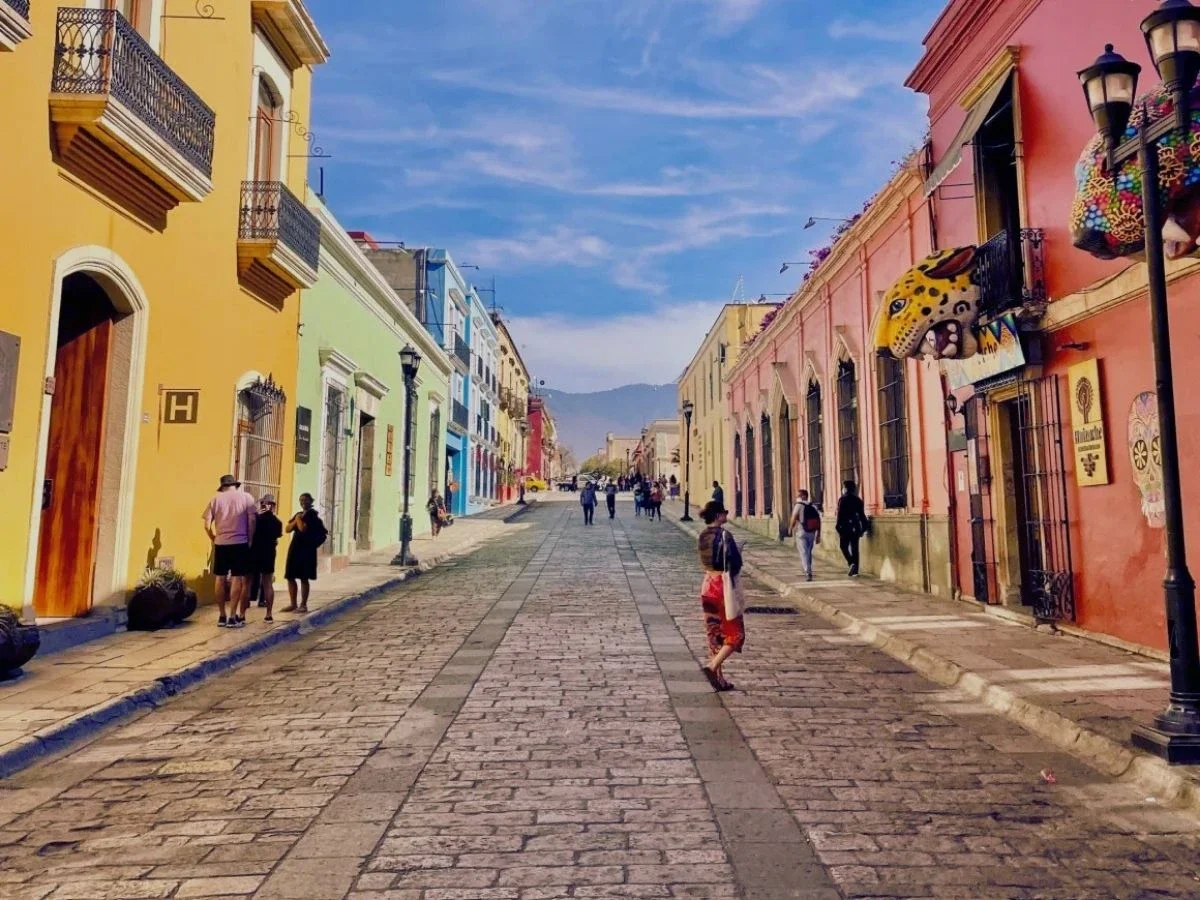
Walking through Oaxaca's historic center reveals colorful colonial streets, local culture, and timeless charm.
Oaxaca reveals itself first through color. Walls painted in indigo, jade, terracotta, and deep yellow line streets where colonial architecture and everyday life coexist. But the city's appeal runs deeper than aesthetics.
Walk through the Centro Histórico in the morning, and daily life unfolds quickly. Markets fill with the aromas of chocolate, fresh tortillas, roasted chiles, and mezcal. The city feels active rather than curated.
The neighborhood of Jalatlaco offers Oaxaca's most rewarding wandering — narrow streets lined with colorful facades, particularly alive in late afternoon when low sun intensifies every shade it touches.
Zapotec and Mixtec traditions are not preserved behind glass here. They remain present in the food, textiles, craftsmanship, and daily rhythms of the city itself.
Oaxaca rewards curiosity. By the end of a day spent walking, you often realize the places you remember most were not the ones you planned to find.
The best cities for walking alone aren't necessarily the most famous. They're the places that reward attention — where an afternoon can unfold without a plan and still feel complete.
Further Reading
If you enjoy traveling slowly and discovering cities on foot, these stories offer a deeper look at the experiences behind the destinations:
Solo Travel Is Not a Trend: A Guide for First-Time Solo Travelers — A thoughtful reflection on why traveling alone remains one of the most rewarding ways to experience a place, with practical insights for first-time solo travelers.
48 Hours in Bergamo— A detailed guide to one of Italy's most walkable and underrated cities, from the medieval streets of Città Alta to the cafés, galleries, and viewpoints that make Bergamo worth lingering in.
Albums That Feel Like a Foreign Country — Travel isn't always geographic. This collection of albums explores how music can evoke the atmosphere, texture, and emotional landscape of distant places, long after a journey ends.