How to Pack Your Skincare for Travel: Without Sacrificing Your Skin, or Your Values
Because "just throw it in a Ziploc" was never actually advice.
Packing skincare for travel is familiar: you trim your routine the night before and hope for the best. Then, upon arrival, your skin reacts—breakouts, dryness, irritation can all appear quickly.
What’s missing isn’t better products but a strategy. Travel changes your skin’s environment in several ways. If you have a non-toxic, intentional routine, those shifts matter even more. Packing skincare well is a skill: done right, it protects your barrier and maintains balance from takeoff to arrival.

What's Actually Happening to Your Skin in Transit
Before choosing products, it helps to understand what your skin is up against.
Airplane cabin humidity typically sits between 10 and 20 percent, far below most indoor environments. If your barrier is already compromised from stress or lack of sleep, you’ll feel it. Recycled air, increased UVA exposure at altitude, disrupted sleep, and a climate shift on arrival, thus your skin is managing multiple stressors at once.
Climate plays a role, too. Moving between humid and dry
environments force your skin to recalibrate. Products that feel balanced at home can suddenly feel stripping or heavy.
One often-overlooked factor is water quality. Hard water is common in many destinations and can disrupt skin pH, leaving residue that makes even familiar products feel off.
The goal is not to replicate your exact routine. It’s to support your skin through change without overloading it.
The Flight Survival Routine
Whether your flight is short or long, this is the core worth keeping.
Cleanse gently or skip it before boarding. A harsh cleanse strips your barrier right before it needs support. A rinse or micellar water is often enough. Save your full cleanse for arrival.
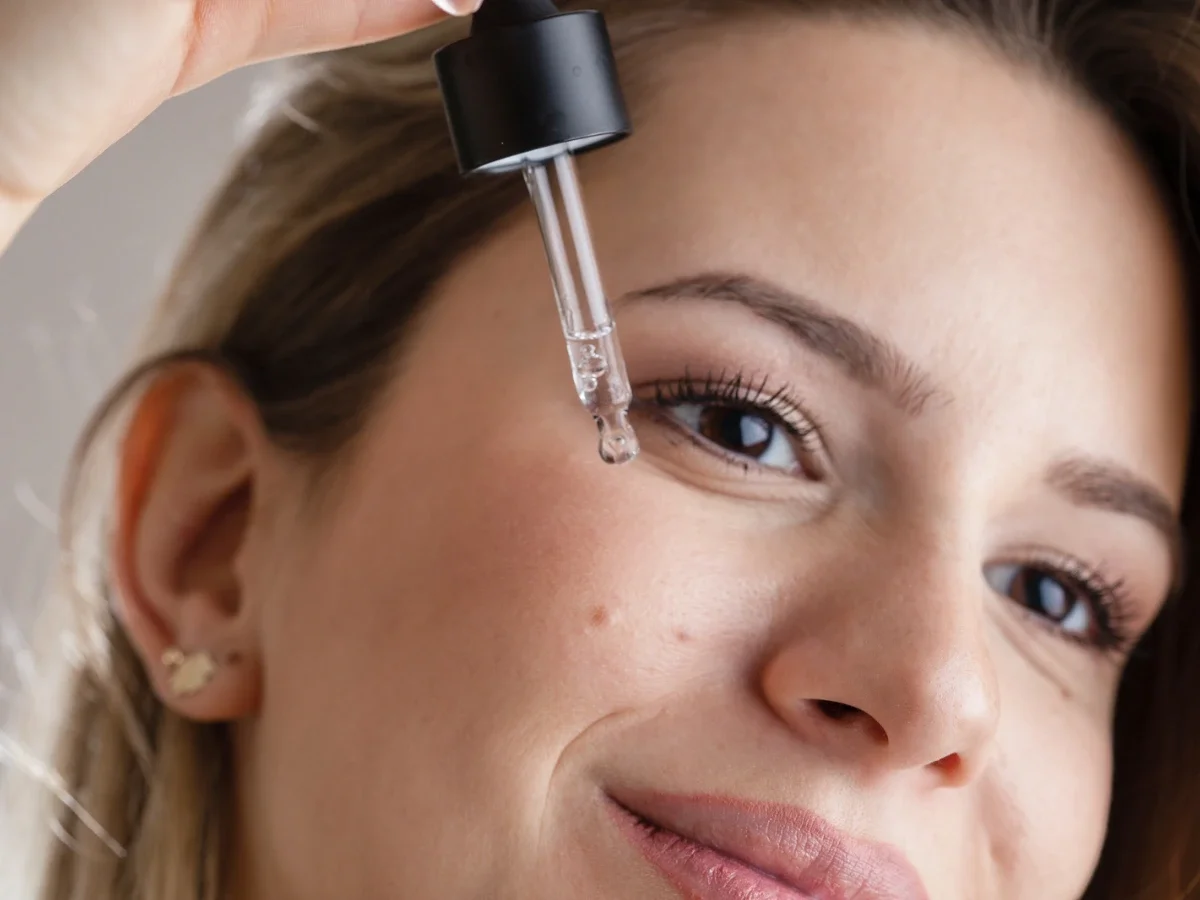
Layer hydration, then seal it. A humectant such as hyaluronic acid, glycerin, or aloe draws moisture into the skin. A barrier-supporting moisturizer or oil helps prevent it from escaping. In altitude, this pairing matters. Cocokind’s Ceramide Barrier Serum layered under Waxelene’s Multi-Purpose Ointment offers a simple, non-toxic way to do both.
SPF, always. UVA exposure increases with altitude, and airplane windows don’t fully block it. Badger’s SPF 30 Unscented Sunscreen and Babo Botanicals’ Sheer Mineral Sunscreen travel well and are unlikely to trigger sensitivity. If you prefer a liquid-free option, Colorescience’s Sunforgettable Total Protection Brush-On Shield SPF 50 works as a powder and reapplies easily over makeup.
Facial mist can help with comfort mid-flight, but it isn’t hydration on its own. Use it over existing skincare, not on bare skin. Herbivore’s Rose Hibiscus Hydrating Face Mist is a reliable option, while True Botanicals’ Renew Nutrient Face Mist is a strong alternative if you prefer stricter certification standards.
Skip makeup if you can. If not, keep it minimal. Your skin is already adjusting to enough.
Navigating Climate Changes
When you arrive, give your skin time to adjust before changing your routine.
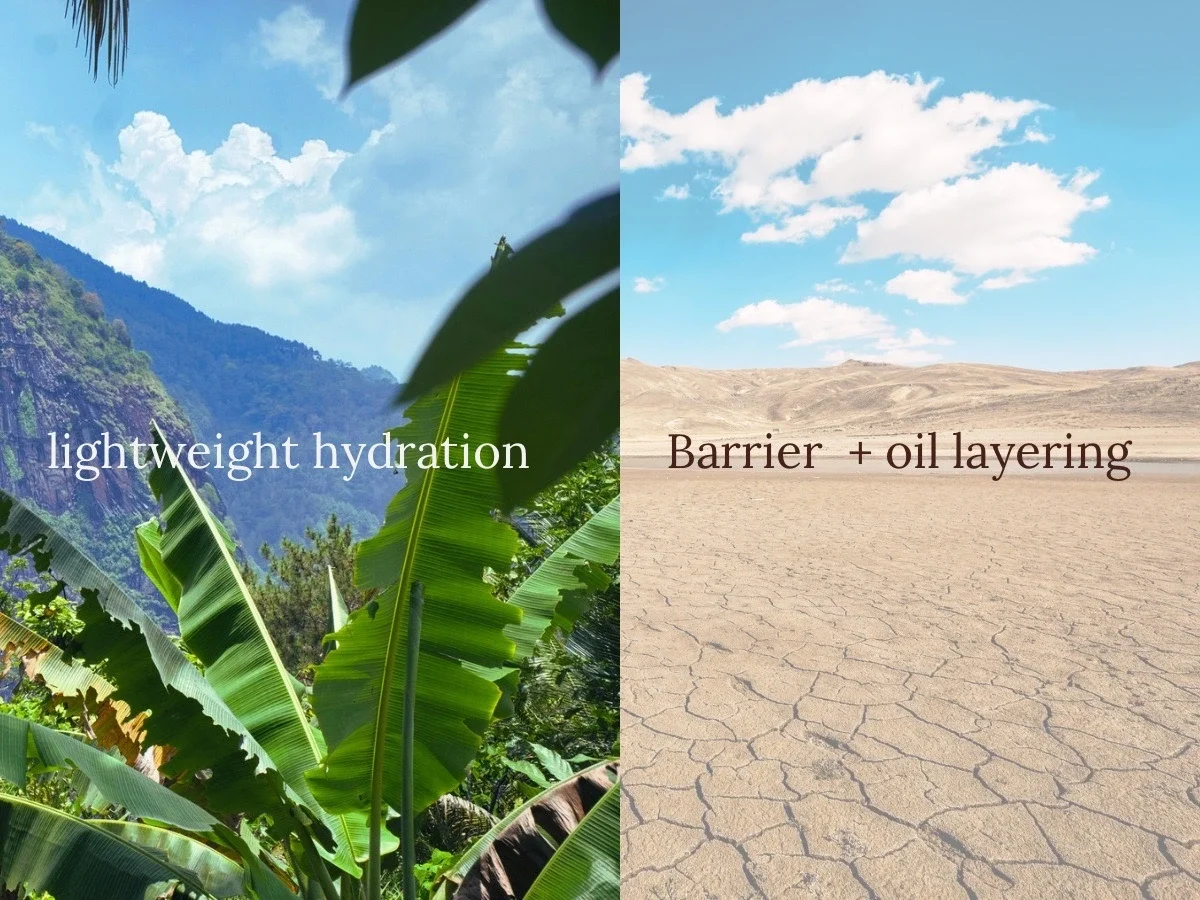
In dry or high-altitude destinations, increasing barrier support is needed. Thus, a facial oil makes a noticeable difference. Pai Skincare’s Rosehip BioRegenerate Oil is a consistent, well-tolerated option, while True Botanicals’ Renew Pure Radiance Oil is a comparable choice if you’re prioritizing MADE SAFE and EWG verification.
In humid or tropical climates, you need less. Switching to a lighter, water-based moisturizer works better. Acure’s Seriously Soothing Cloud Cream transitions well, and Peach & Lily’s Glass Skin Water-Gel Moisturizer is a widely available alternative that many skin types already tolerate.
In cold weather, wind and low temperatures strip moisture. A thicker, ceramide-rich moisturizer offers better protection. Earth Science’s Ceramide Complex Moisturizer and Pipette’s Ceramide Lotion both hold up well in these conditions.
What to Leave Home
This is where most routines improve.
Leave behind strong actives like exfoliating acids or retinol unless your skin is highly accustomed to them and stable. Travel is not the time to push your skin.
Avoid bringing anything new. Testing products in an unfamiliar environment makes reactions harder to interpret.
Do not pack out of habit. Fewer products often lead to better results and a clearer understanding of what your skin needs.
The Non-Toxic Travel Skincare Packing List
A simple, carry-on-friendly routine that supports your skin from departure to return:
Cleanser: Cocokind Milky Cleanser or Ursa Major Fantastic Face Wash. Peach & Lily Power Calm Hydrating Gel Cleanser is a good travel-size alternative.
Toner / Prep: Acure Balancing Rose + Red Tea Facial Toning Solution
Humectant Serum: The Ordinary Hyaluronic Acid 2% + B5
Moisturizer: Adjust based on climate. Acure Cloud Cream for humid environments, Earth Science Ceramide Complex for dry or cold. Peach & Lily Glass Skin Water-Gel works well for warm weather.
Facial Oil: Pai Rosehip BioRegenerate Oil or True Botanicals Renew Pure Radiance Oil
SPF: Badger SPF 30 or Babo Botanicals Sheer Mineral Sunscreen. Colorescience Brush-On SPF 50 for a powder option
Lip Balm with SPF: Hurraw! SPF 15 Sun Lip Balm
Facial Mist: Herbivore Rose Hibiscus or True Botanicals Renew Nutrient Face Mist
Multipurpose Balm: Waxelene for lips, dry patches, and barrier support
Haircare: Ethique solid shampoo and conditioner bars
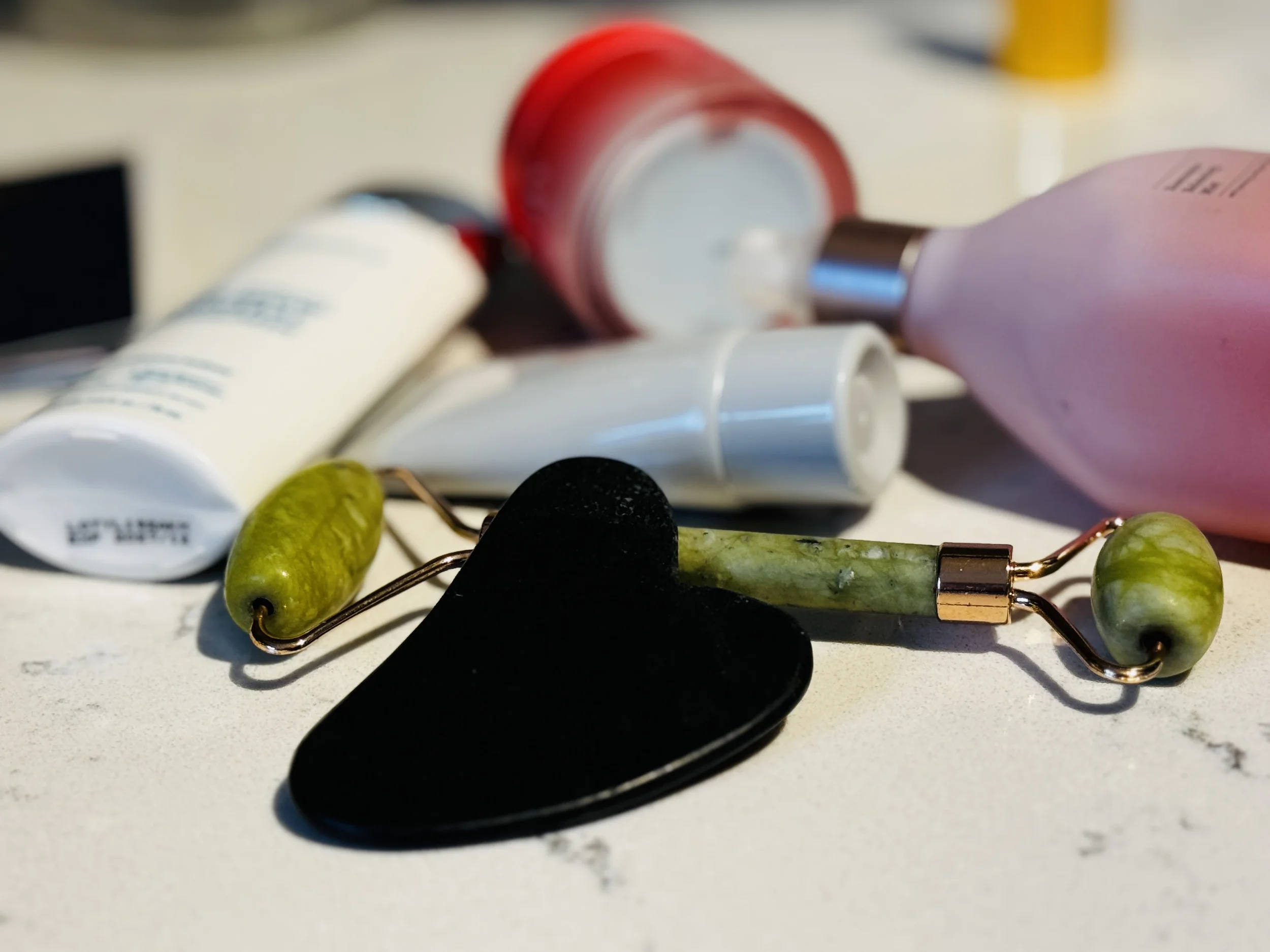
Optional but useful: a travel-size jade roller or gua sha tool. Not essential, but helpful for reducing puffiness after long flights.
The through line is the same as any effective skincare routine: simplicity, intention, and respect for what your skin is doing. Travel places more demand on it. A well-packed bag is how you meet that demand without overcorrecting.
Looking for more on building a non-toxic routine from the ground up? Explore our Outer-Self archives for the full edit.