Solo Travel Is Not a Trend. It Returns You to Yourself
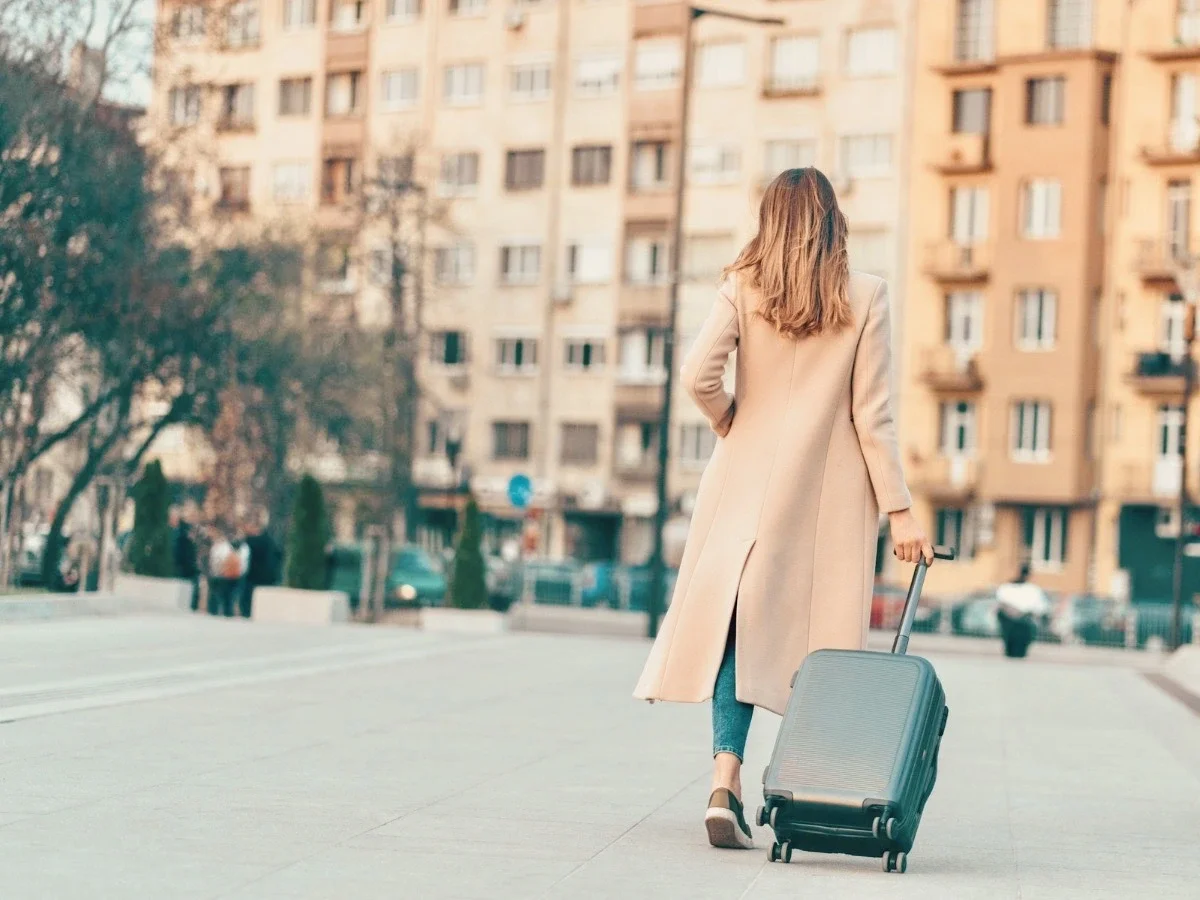
The world has always rewarded women who move through it on their own terms. Solo travel is not a trend. It is a practice, and it has a way of returning you to the version of yourself you forgot was there.
There's a version of solo travel that gets sold constantly: the dramatic flight booked in a moment of courage, the Instagram-worthy table for one at sunset, the post that starts "I did the thing." It looks like a trend because it's packaged like one.
But women who travel alone with intention know something different. Solo travel is not an event. It is a practice that compounds over time, sharpens your instincts, and gives you back something you didn't know you'd lost.
If you're considering your first solo trip and can't quite articulate why, that impulse is worth trusting. This is not about convincing you. It's about giving you the language for something you already know.
What Solo Travel Actually Means
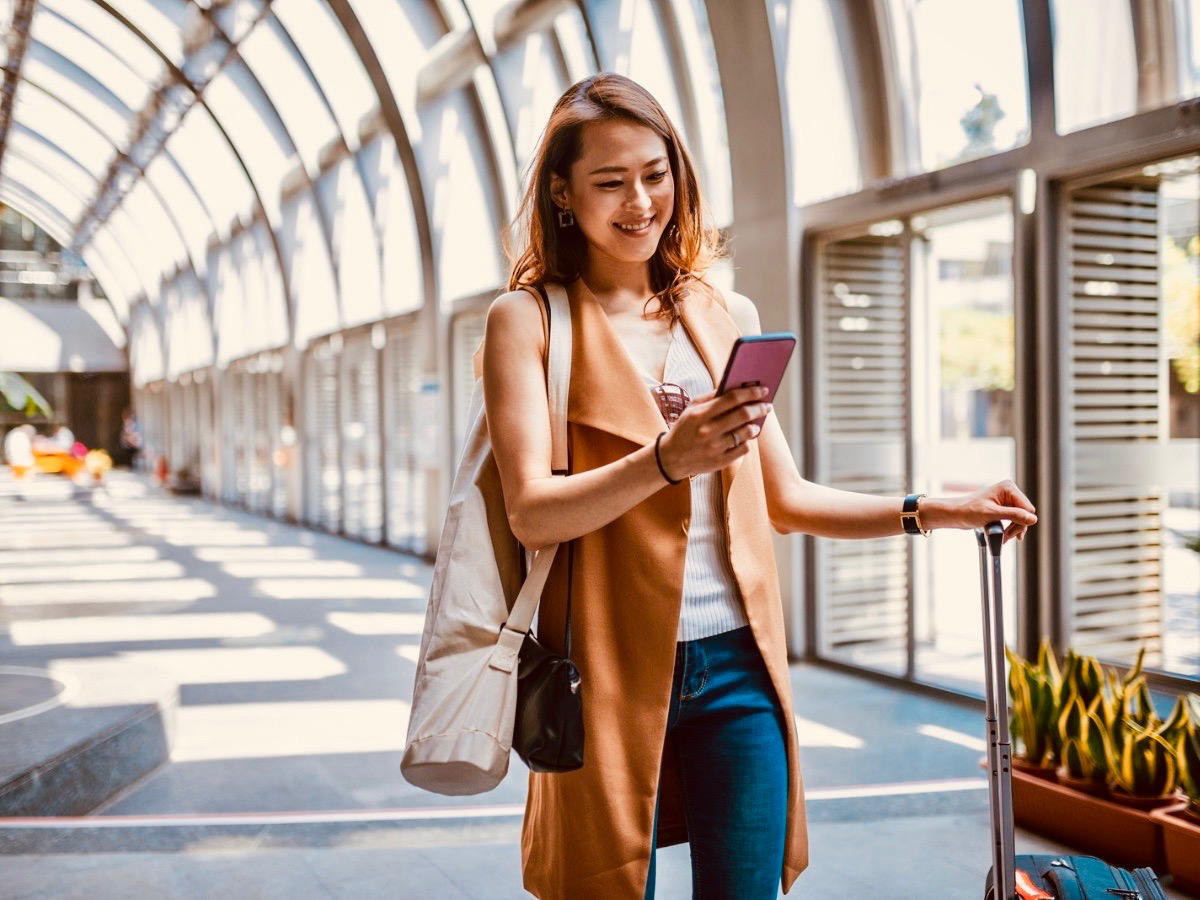
Solo travel is not the absence of companionship. It is the presence of full agency.
Every decision is yours: where to eat, when to linger, what to skip entirely. You move at your own rhythm. You follow curiosity without negotiating it. You get uncomfortable on your own schedule and recover on your own terms. That is not loneliness. That is clarity.
There is a particular confidence that comes from navigating a foreign city, a menu in another language, or a transit system you've never used and figuring it out. Not because someone guided you, but because you trusted yourself enough to try. That confidence travels home with you. It stays.
Why More Women Are Choosing to Travel Alone
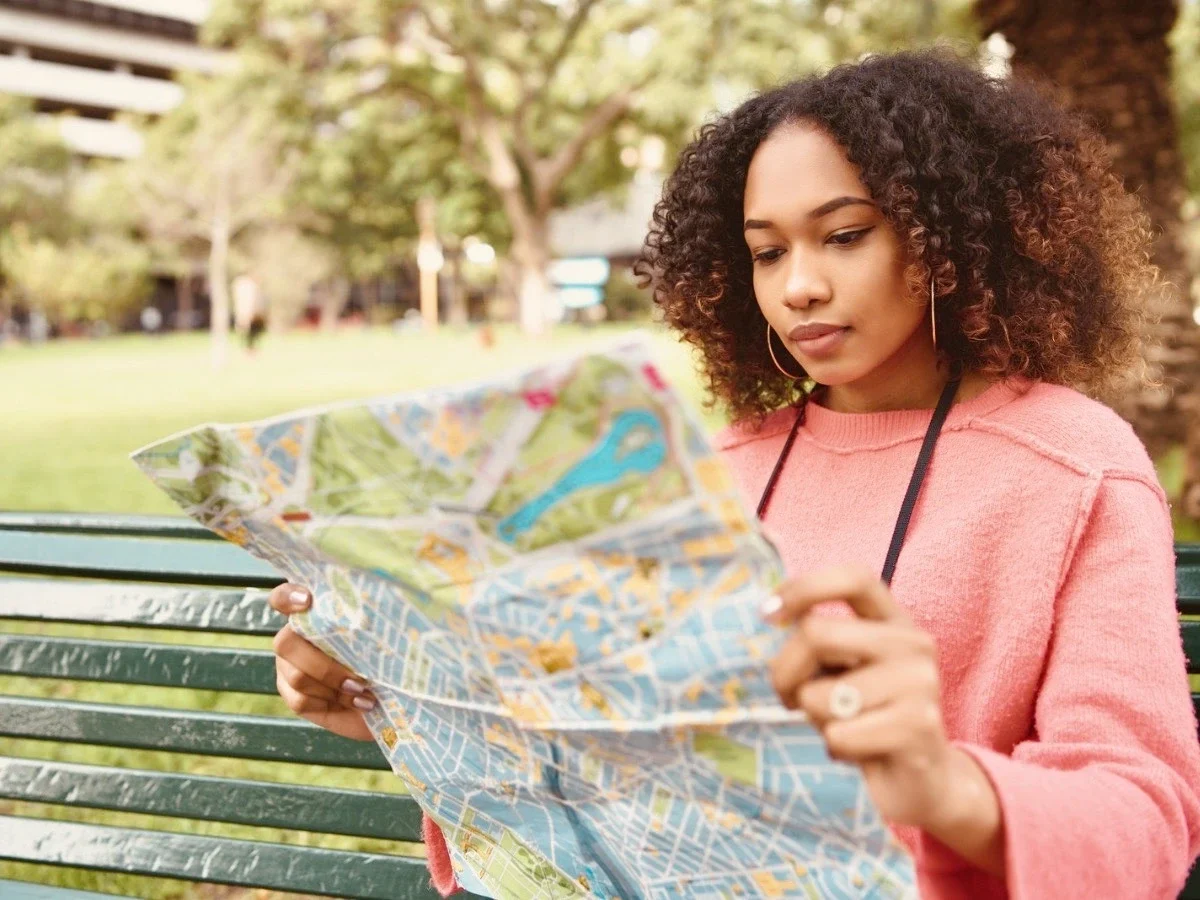
Solo travel among women has grown steadily, and the data reflects not a passing moment but a genuine shift in how women relate to independent movement. Research from Grand View Research estimates that women make up 75 to 84% of solo travelers worldwide. And according to Hostelworld's State of Solo Travel 2025, 63% of first-time solo travelers plan to do it again.
Women are choosing solo travel for flexibility, personal growth, cultural immersion, and the ability to make decisions that are entirely their own. The repeat rate tells you everything. Once is enough to understand what you've been missing.
The First Solo Meal Is the Hardest

Here is something nobody tells you before your first solo trip:the first solo meal is the hardest part.
Not the flight. Not the unfamiliar neighborhood. Not even checking in alone. It's sitting down at a restaurant, being asked "just one?" and saying yes, out loud, in public, without apology.
It feels exposed in a way that's hard to explain until you've done it. And then, somewhere between the bread basket and the main course, something shifts. You start to notice the room. You eavesdrop without guilt. You eat at your own pace. You order exactly what you want.
That meal, the first uncomfortable one, is often the moment solo travelers point to as a turning point. Not the landmark, not the sunset view. The table for one, where you decided you were enough company.
Everything after that gets easier.
What You Actually Gain
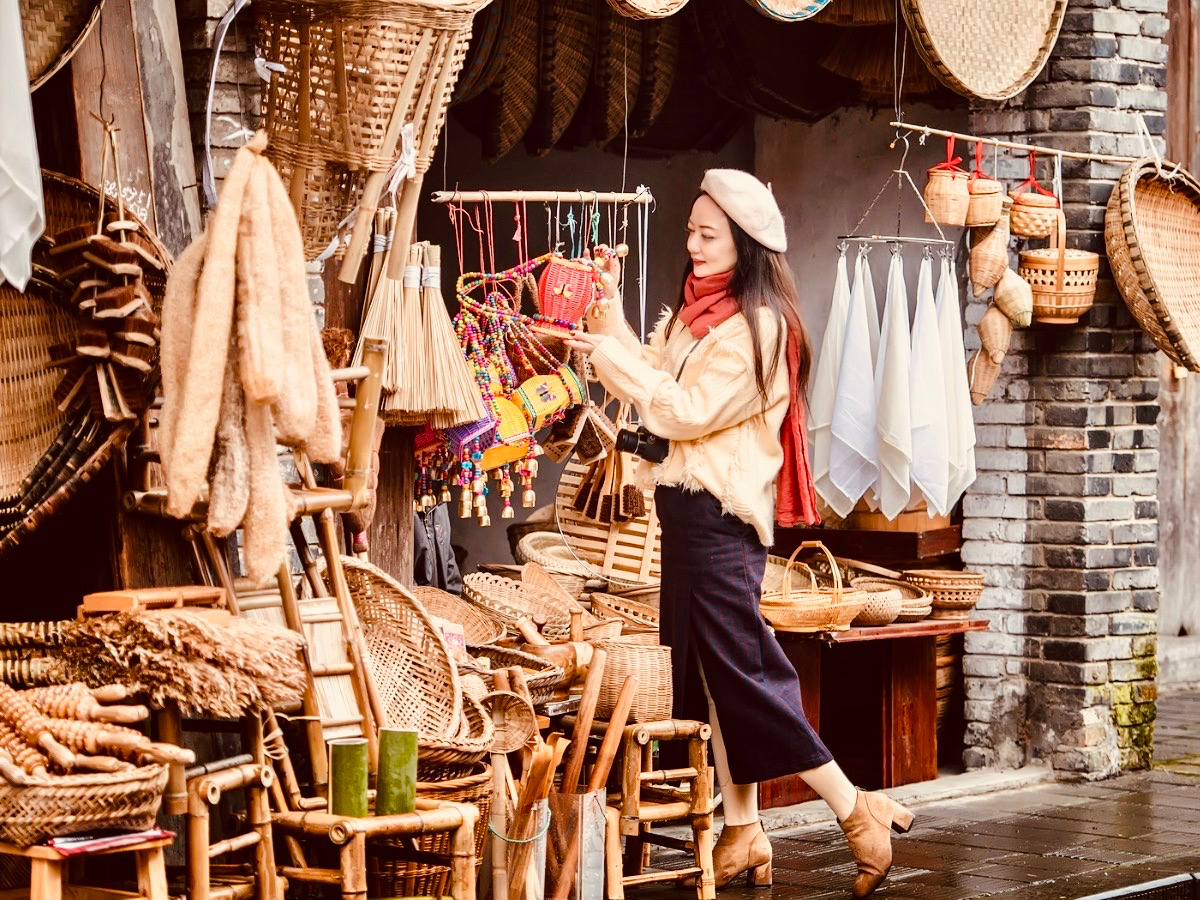
The return on a solo trip is not just a set of memories. It is a recalibration.
Women who travel alone consistently describe the same outcome: they come back knowing themselves with more precision. They know what they value, what they can navigate, what they were making too large in their daily life, and what they were underestimating about themselves.
Solo travel reveals your default settings and gives you the chance to change the ones that are no longer working.
Beyond the internal, there is the relational. Traveling alone makes you a more grounded, more curious, more self-possessed person to be around. You stop defaulting to someone else's preferences by habit. You bring a genuine point of view because you've had the experience of forming one independently.
Solo Travel as Cultural Enrichment
There is something specific that happens when you move through a place entirely on your own: you notice more.
You're not managing another person's experience, so you become fully present in yours. You observe how people move through their days: what a morning market sounds like, how strangers make eye contact (or don't), what a city feels like at the hour before tourists arrive. You absorb cultural texture that gets filtered out when you're traveling with others.
This is how solo travel becomes enrichment rather than escape. It is not running away from something. It is moving toward a fuller understanding of the world and your place in it.
For women, especially there is something distinct about moving through a foreign place without a group framing how you're received. You get the unfiltered version of a culture. And it gets the unfiltered version of you.
The Practical Reality, Addressed Honestly
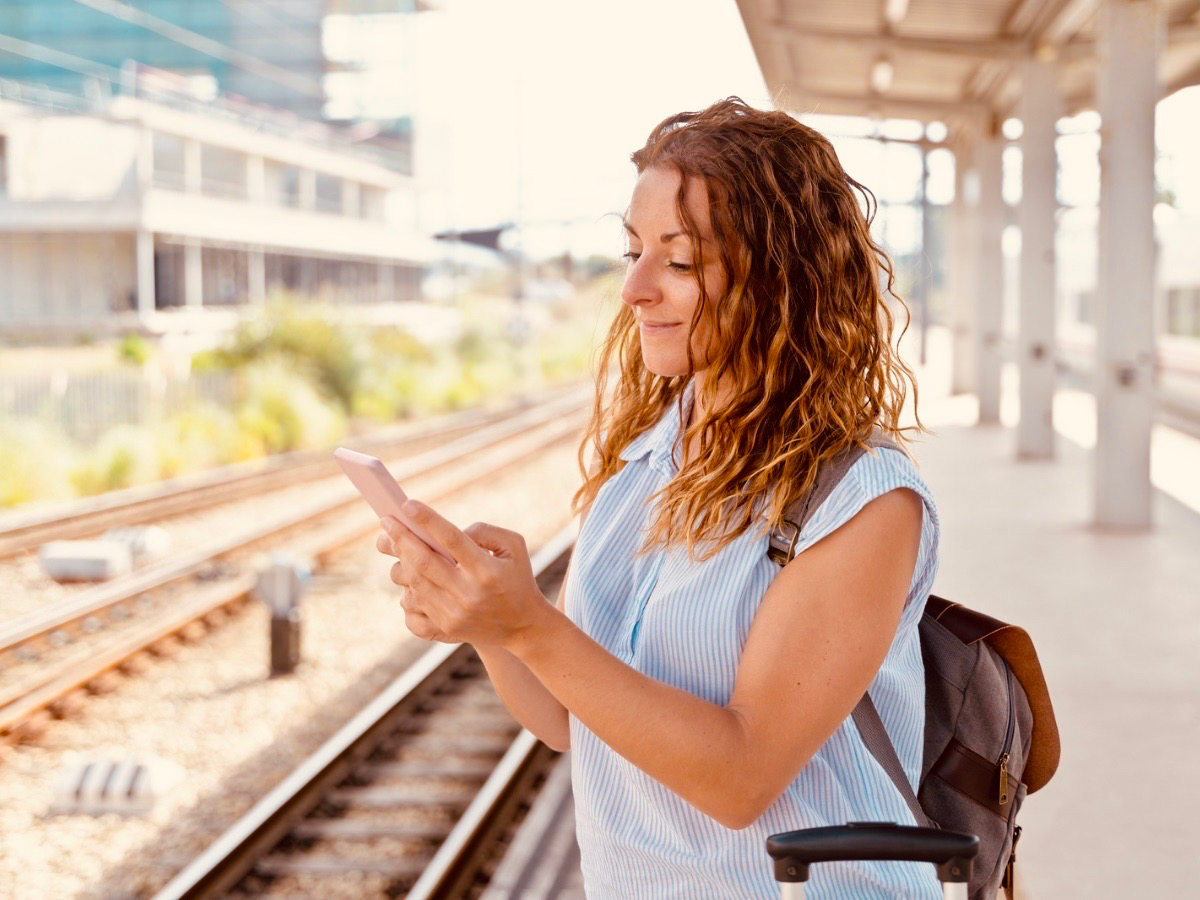
Yes, there are things to prepare for. Safety is real. Logistics matter. Being a woman traveling alone requires more situational awareness than a comparable trip with others. Acknowledging that is not pessimism. It is part of traveling intelligently.
But "be careful" is not the same as "don't go."
What helps:
1. Research through a lens that's relevant to you. Look specifically at how women and solo travelers experience the destination you're considering. Travel forums, women's travel communities, and writers whose context matches yours will tell you more than a generic travel guide.
2. Have your first night fully sorted before you arrive. Know exactly where you're going and how you're getting there. This single decision eliminates most of the arrival anxiety and lets you land with confidence.
3. Start with a destination that feels manageable. Your first solo trip does not need to be remote or adventurous to be meaningful. A city with good public transit, walkability, and a strong solo travel community can be every bit as expensive.
4. Trust your instincts more than your itinerary. Intuition is data. If something feels off, it probably is. You are allowed to leave, redirect, or decline without explaining yourself to anyone.
5. Let go of the perfect trip standard. The goal is a real trip: one where you made the decisions, navigated the unexpected, and came home with something that wasn't in the itinerary.
Why This Is Not a Trend

Trends have expiration dates. Solo travel does not, because it was never new.
Women have been moving through the world alone, by choice, for as long as there has been a world to move through. Nellie Bly circumnavigated the globe in 72 days in 1889. Freya Stark was mapping unmapped terrain in the Middle East in the 1930s. Your grandmother may have taken a train somewhere alone and never mentioned it because it didn't require a name.
The visibility is new. The community is new. The conversation is new. But the act itself, a woman choosing to go somewhere on her own terms, predates the hashtag and will outlast it.
Starting Is the Only Step That Requires Courage
Most of what feels like a barrier before the first solo trip dissolves within 48 hours of arriving somewhere new. The discomfort at eating alone, the uncertainty about what people will think, the fear that you won't know what to do with yourself—it doesn't disappear because you prepared well. It disappears because you went.
The first trip does not need to be perfectly planned, boldly adventurous, or socially shareable. It needs to happen.
And that first meal, the one where you say "just one" without apology? That's not the hard part anymore. That's the beginning.
Where are you going first?