Why We Romanticize Places We Barely Knew
On memory, nostalgia, and the locations that become larger than life

The place and the person who stood in it eventually become impossible to separate.
Some places occupy more space in memory than they ever did in reality.
A city visited for a semester. A coastal town passed through during childhood summers. A neighborhood before life moved elsewhere. Years later, these places are remembered with an emotional weight that seems disproportionate to the time actually spent there—and the longing they produce is specific in a way that resists easy explanation.
We think about returning. We revisit photographs. We wonder whether the café is still there, whether the street looks the same, and whether the version of the place we remember still exists. What is striking is not that we miss these places. It is how deeply we miss them despite having known them so briefly.
The question is why, and the answer is more interior than it first appears.
What Made It Memorable Was Never the Place
Most locations we pass through are forgotten with surprising speed—airports blur together, hotel rooms dissolve into one another, entire trips can fade into a handful of photographs and a vague recollection of weather. Yet some places remain unusually vivid, and the explanation is rarely found in the place itself. More often, it lies in what was happening in our lives while we were there.
A city becomes memorable because it coincided with independence. A neighborhood because it marked a beginning. A country because it represented possibility at a moment when possibility felt personal and urgent. Over time, the place and the period merge completely. What we carry in memory as a location is frequently a chapter of life attached to a map — and the emotional charge belongs as much to the chapter as to the geography.
The Longing Is Rarely Geographical
This is where romanticization begins.

What we long for is rarely the view—it's who we were while watching it.
The longing for a place we barely knew is often not entirely geographical. A person misses the city where they studied abroad—the streets, the routines, the specific quality of afternoon light through a particular window. But what feels like a desire to return is frequently something more interior: a desire to revisit the version of themselves who existed there. Curious, uncertain, unburdened by responsibilities that arrived later. In possession of a future that still felt open.
The place becomes a container for that identity. Inside it sits a particular set of possibilities, a particular understanding of who you were becoming. When we miss the place, we are often missing access to those things—and no amount of returning can fully restore them, because what made the place meaningful was not the geography but the self who inhabited it.
Memory Is an Editor, Not an Archive
Time does not preserve places neutrally. It curates them—and research on autobiographical memory consistently shows that emotionally significant experiences are retained while neutral or negative details fade, leaving behind something closer to meaning than record.

Memory keeps what mattered and quietly lets the rest go.
The difficult commute disappears. The cramped apartment goes. The loneliness of not yet knowing anyone is nonexistent.
What survives is distilled: the market visited every weekend, the afternoon light at a particular hour, the conversations that felt ordinary at the time and feel significant in retrospect.
The longer a place remains inaccessible, the more thoroughly the ordinary parts are removed, until what remains is something closer to meaning than memory. A small apartment becomes a symbol of independence. A city becomes a symbol of youth. A country becomes a symbol of family history or a version of belonging that never quite transfers to anywhere else. At some point, the place stops functioning as geography and begins functioning as narrative—a fixed point in your own story that you return to repeatedly in thought because it helps explain something about who you became.
Why Returning Is Rarely What We Imagine
People often believe that revisiting a beloved place will restore the feelings associated with it. Sometimes it does. More often, it reveals how much of the attachment belonged to a particular moment rather than a particular location.
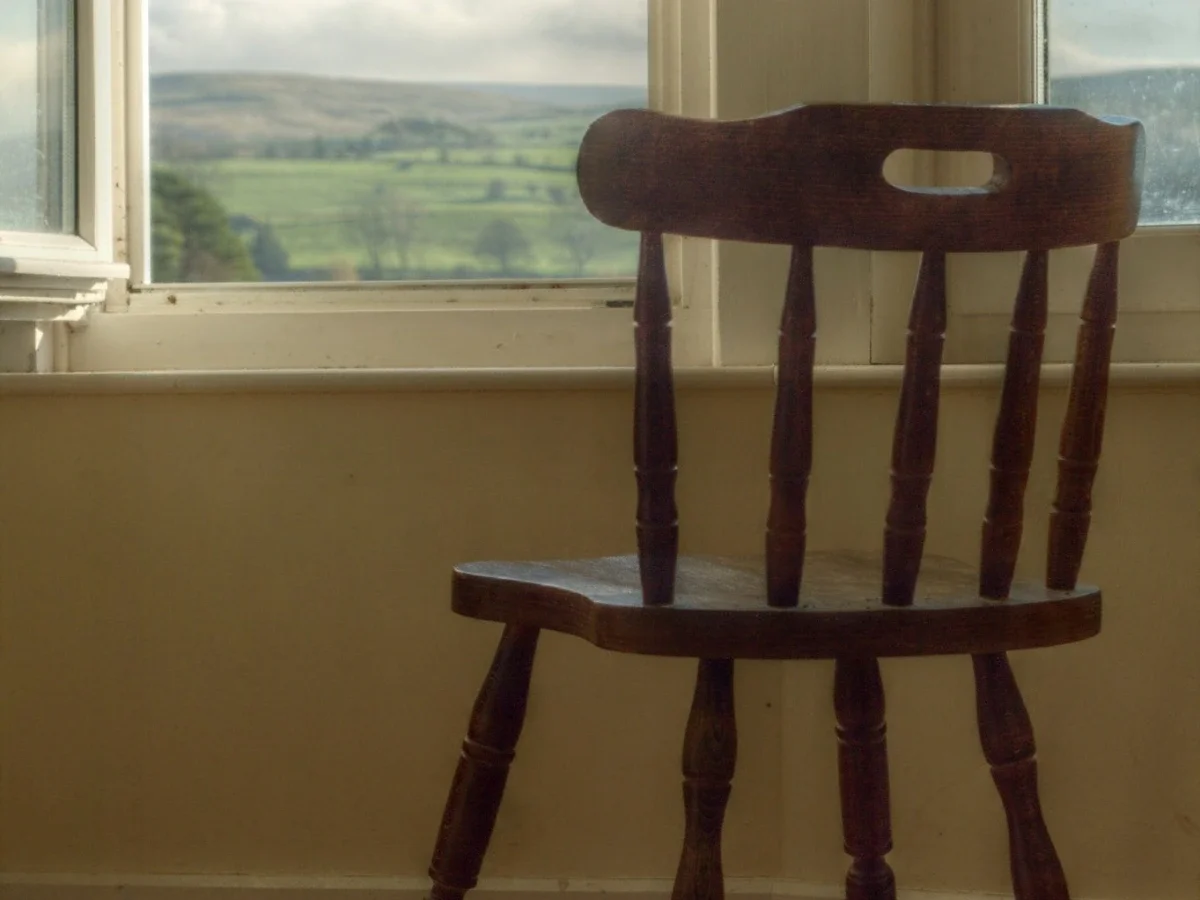
Some rooms stay furnished with a version of us that no longer visits.
The difficult commute disappears. The cramped apartment goes. The loneliness of not yet knowing anyone is nonexistent.
This realization can be disappointing. It can also be clarifying. It confirms that what we valued was never entirely external. The place mattered because of what happened there, and what happened there cannot be reconstructed by returning but by understanding what it meant and carrying that understanding forward.
The Places We Carry
Perhaps this is why places we barely knew can remain emotionally significant for decades. They are preserved not because we understood them but because they became attached to something important—a transition, a discovery, a relationship, a version of ourselves that feels increasingly distant.
The places that stay with us are rarely the ones we knew best. They are often the ones that arrived at exactly the right moment—when we were still forming, still uncertain, still open to being changed by what we encountered. Long after the details have faded, they continue to hold something we are reluctant to release.
What we romanticize is rarely the place itself. It is the life that briefly unfolded there—and the reminder, still faintly available in the memory of it, that we were once someone standing at a beginning.
Further Reading: On Travel, Memory, and the Places That Stay
These stories explore travel as transformation, self-knowledge, and the way certain places become part of who we are.
→ Cities That Are Beautiful to Walk Alone: Five cities—from Bergamo to Oaxaca—that reward unhurried attention and reveal themselves only to those moving through them slowly, without a plan.
→ Solo Travel Is Not a Trend. It Returns You to Yourself: On what travelling alone actually does—not as an act of independence but as a practice of returning to your own company.
→ The Songs We Inherit From Our Parents: A companion piece from the Music section—on the things absorbed before we had the vocabulary to evaluate them, and why certain inheritances outlast the circumstances that produced them.
→ The Discomfort We Keep Rescheduling: From the Inner-Self—on the versions of ourselves we postpone confronting, and what shifts when we finally stop negotiating with what we already know.