Albums That Feel Like a Foreign Country: Music as Cultural Travel

Some albums don't just play—they relocate you. Five records that open doors into other emotional worlds, and why letting them in changes more than your playlist.
There is a particular kind of listening that happens when music arrives from somewhere you've never been—not just geographically, but emotionally. A different architecture of grief. A different understanding of celebration. A different way of moving through time.
This is what intentional listening can do at its best: take you somewhere. Not as tourism, but as genuine contact. Another cultural and emotional landscape moves through you, and you feel subtly changed on the other side.
These five albums are not a canon. They are doors. Each one opens onto a world with its own logic, textures, silences, and emotional vocabulary. None require expertise or prior knowledge. They only require the willingness to sit with the unfamiliar until it becomes, slowly, something you recognize.
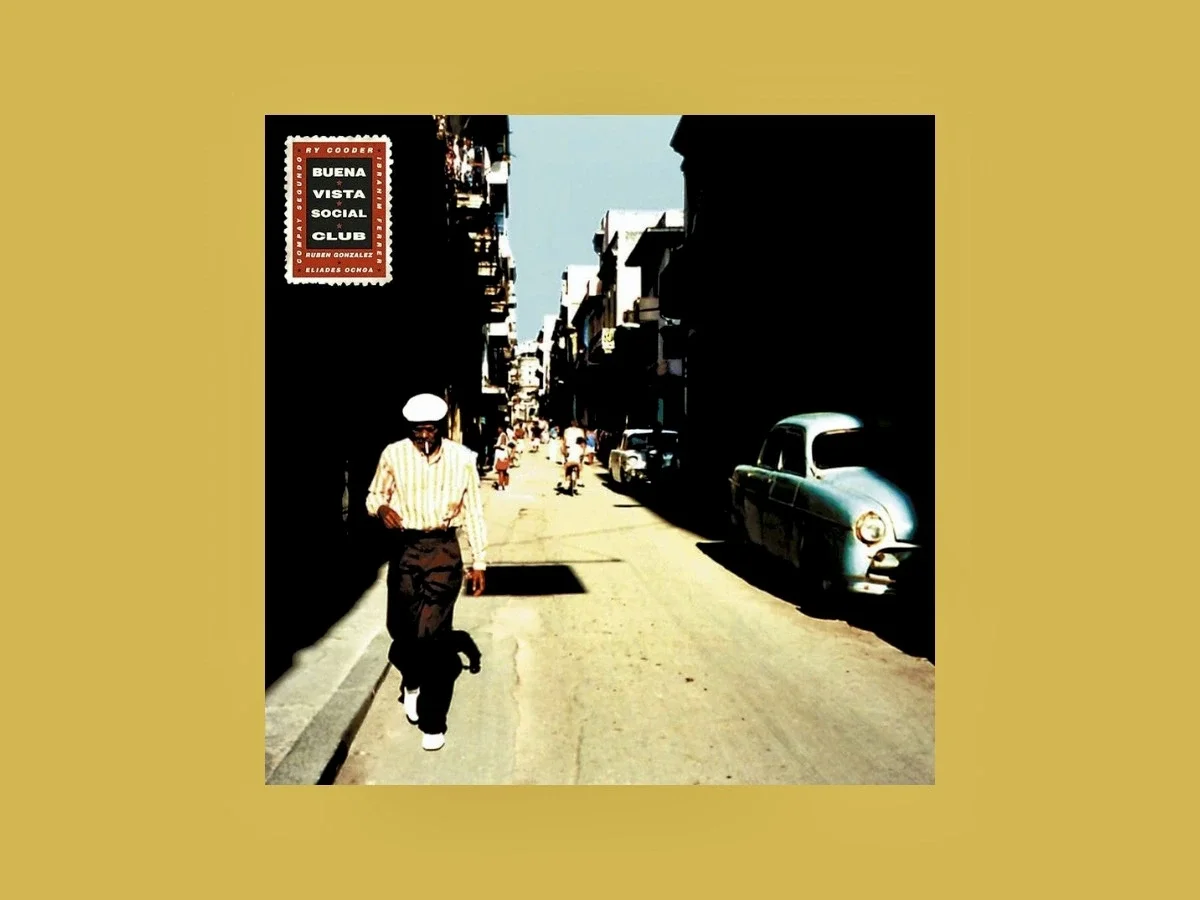
Communal rhythms from Havana that reframe time as warmth, patience, and shared memory.
Buena Vista Social Club—Buena Vista Social Club (1997)
Before this album existed, most of these musicians had been forgotten—older Cuban artists whose moment, by the world's accounting, had passed. What Ry Cooder and Ibrahim Ferrer assembled was a document of something that had never stopped being alive.
The music is son cubano: a form built on interlocking rhythms, call, response, and melodies that refuse to be hurried. To listen to it is to understand immediately that there is another way to measure a day. The joy in it is not triumphant. It is something older and more patient—the kind that has survived long enough to know exactly what it is.
The acoustic guitars, hand percussion, and warm brass arrangements create music that feels communal rather than performative, as though the listener has wandered into a room where the songs existed long before they arrived.
If you have one morning that feels too fragmented, too fast, too full—press play and let it reset the pace.
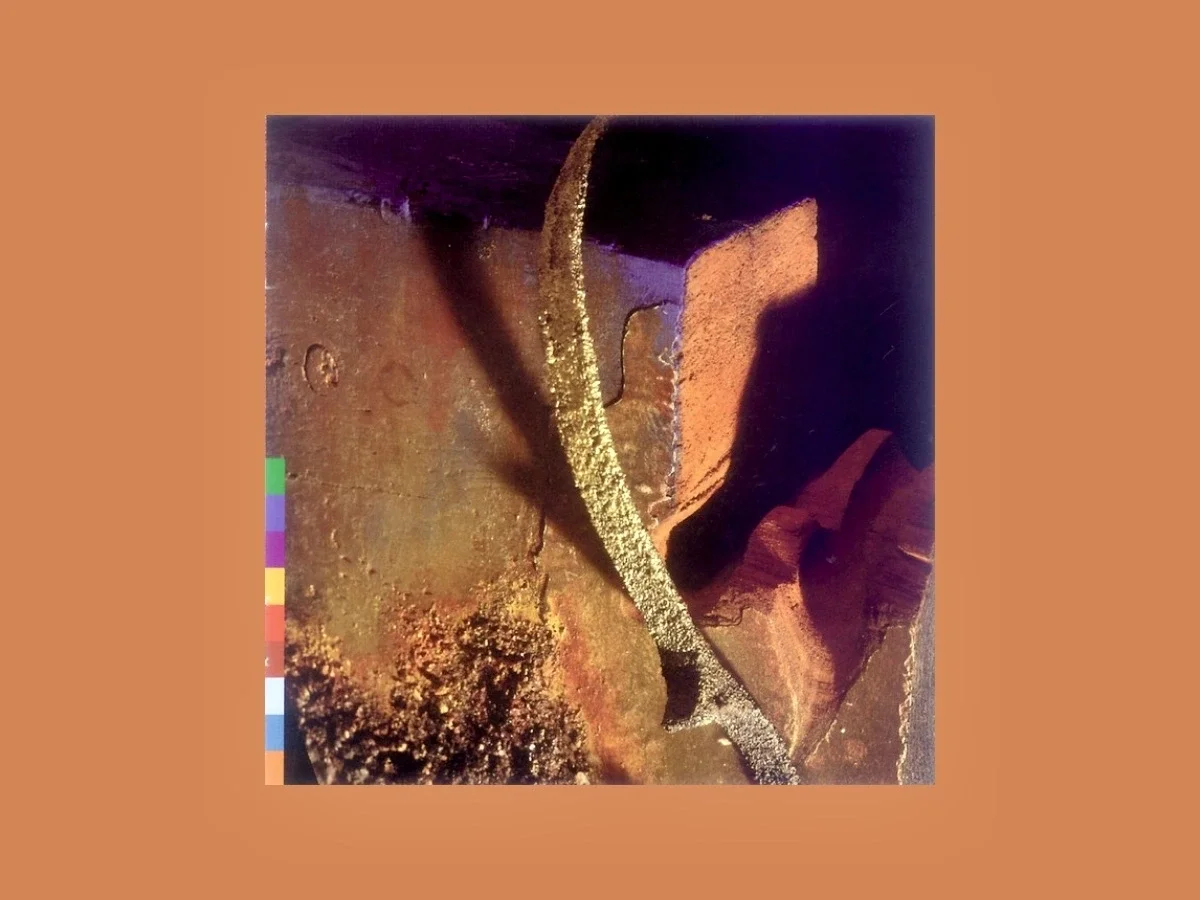
A Sufi devotional recording that dissolves language into rhythm, repetition, and spiritual motion.
Nusrat Fateh Ali Khan—Mustt Mustt (1990)
Qawwali is a devotional music tradition from the Sufi Muslim world—built not for spectacle but for spiritual transcendence, designed to dissolve the boundary between the self and something larger. Nusrat Fateh Ali Khan was its greatest modern practitioner, a vocalist so extraordinary that listeners with no knowledge of Urdu or Punjabi often describe feeling physically moved by his work.
Mustt Mustt, his collaboration with producer Michael Brook, introduced qawwali to many Western listeners without diluting its emotional intensity. The title track remains one of the most transporting recordings of the twentieth century. Layered percussion, cyclical rhythms, and Khan’s soaring vocal improvisations create the sensation of being carried forward by something beyond language.
It enters the body before the mind has a chance to ask what it means.
This is an album for the hour when you need to feel part of something larger than your immediate circumstances.
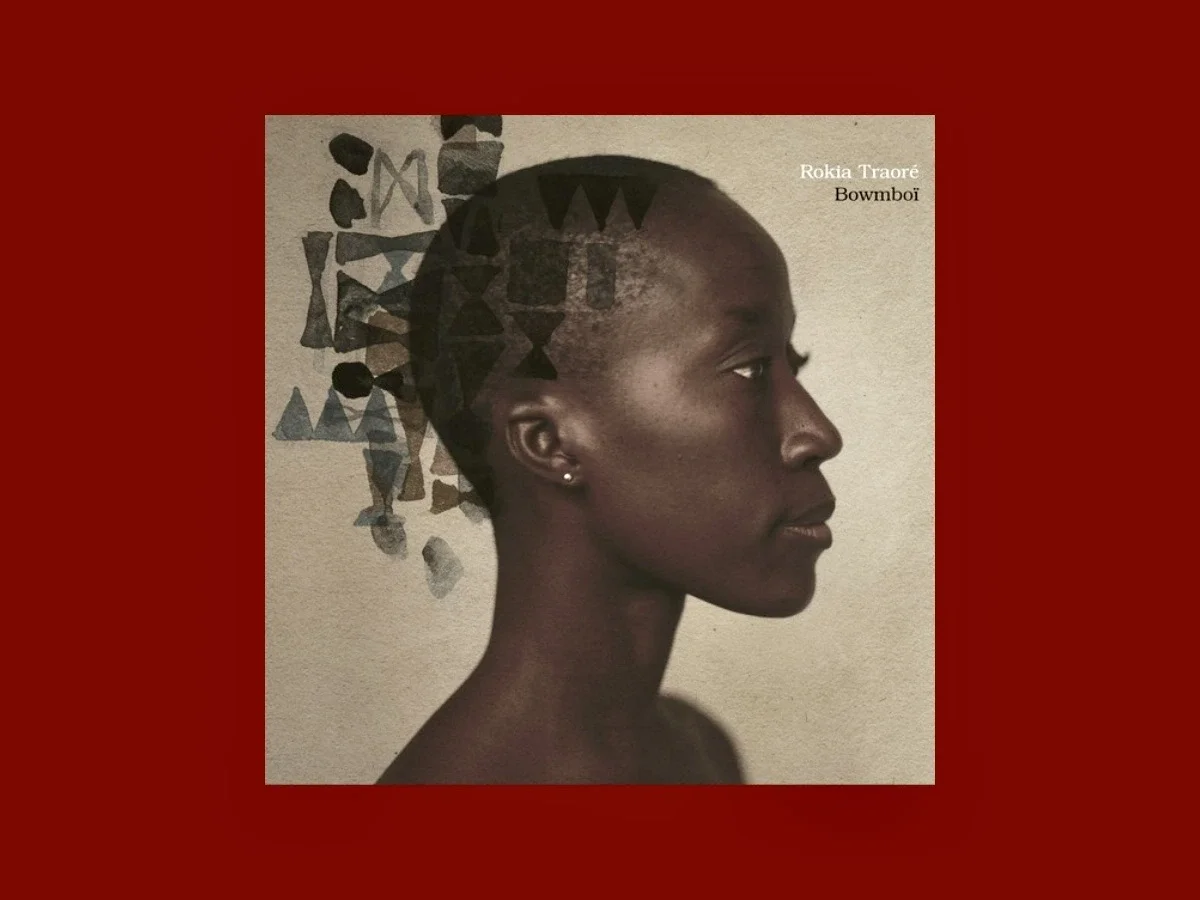
A sparse meditation on longing and return, shaped by West African griot tradition and modern restraint.
Rokia Traoré—Bowmboi (2003)
Mali has produced some of the most emotionally sophisticated music in the world—a tradition shaped by griots, hereditary keepers of communal memory whose role is part musician, part historian, part moral witness. Rokia Traoré comes from this lineage while moving decisively beyond it: her music is sparse, guitar-led, and unmistakably her own.
Bowmboi is an album about longing—for home, for the people who shaped you, for versions of yourself left behind. Its quietness demands attention rather than permitting distraction. Delicate guitar lines, restrained percussion, and Traoré’s intimate vocal phrasing make the songs feel startlingly close, as though they are being sung directly toward the listener.
Disconcerting at first. Then a gift.
Listen on a slow evening when you have something unresolved to sit with. It will help you find its shape.
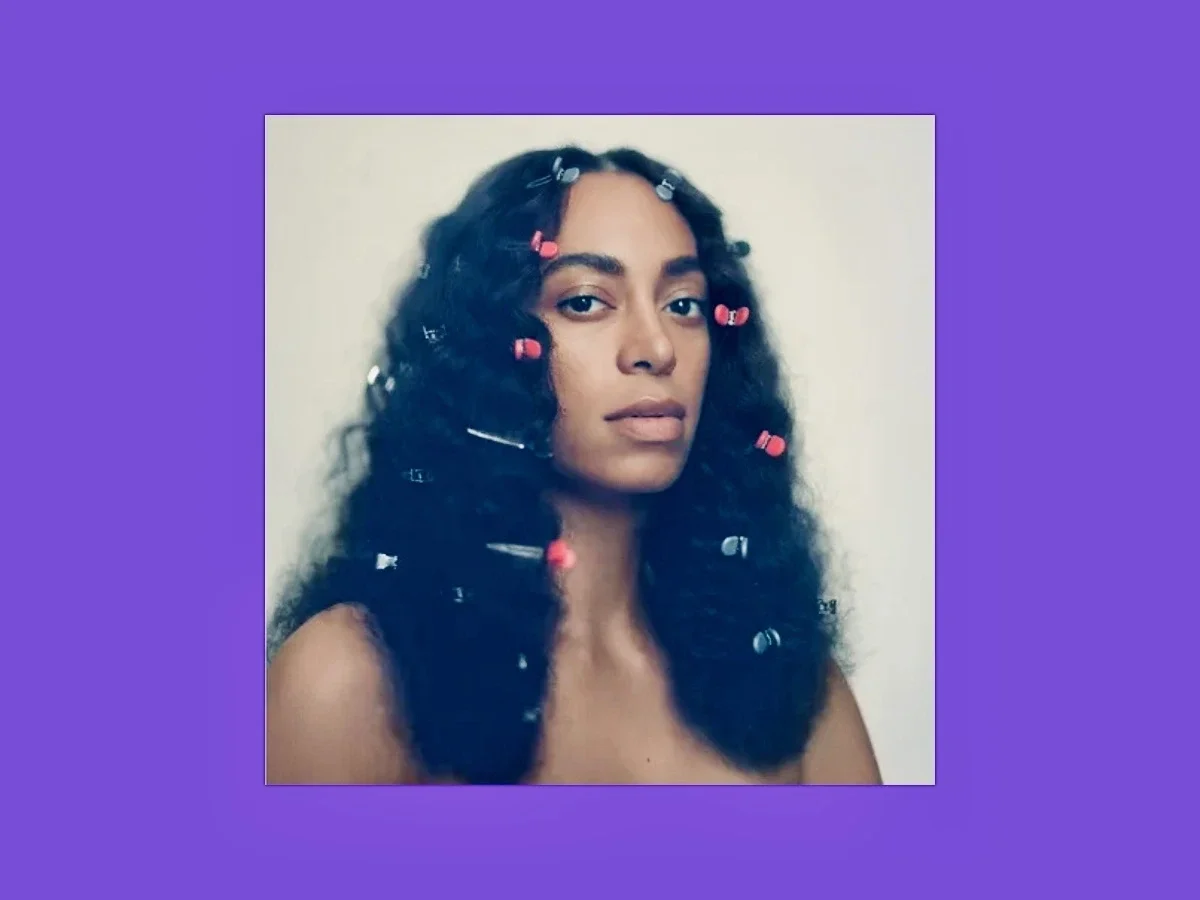
A slow, intimate interior world built from silence, protection, and emotional clarity.
Solange—A Seat at the Table (2016)
Some albums announce themselves immediately. A Seat at the Table does the opposite. It lowers the temperature of the room until you begin hearing things you normally move past.
Built from slow-burning neo-soul, restrained arrangements, and interludes that feel more overheard than performed, the record creates an emotional architecture centered on protection: of self, of memory, of dignity. Solange is less interested in spectacle than atmosphere. The album asks what it means to remain emotionally intact inside a culture that constantly demands performance.
The music moves with extraordinary patience. Songs unfold conversationally, refusing dramatic release in favor of accumulation. By the final stretch of the record, the listener has quietly adjusted to a different emotional rhythm, one rooted in reflection instead of reaction.
What makes the album transporting is not escapism but specificity. It invites the listener into a deeply lived interior world and trusts attention, rather than explanation, to do the work.
Listen late at night, preferably alone. Let the stillness re-calibrate you.
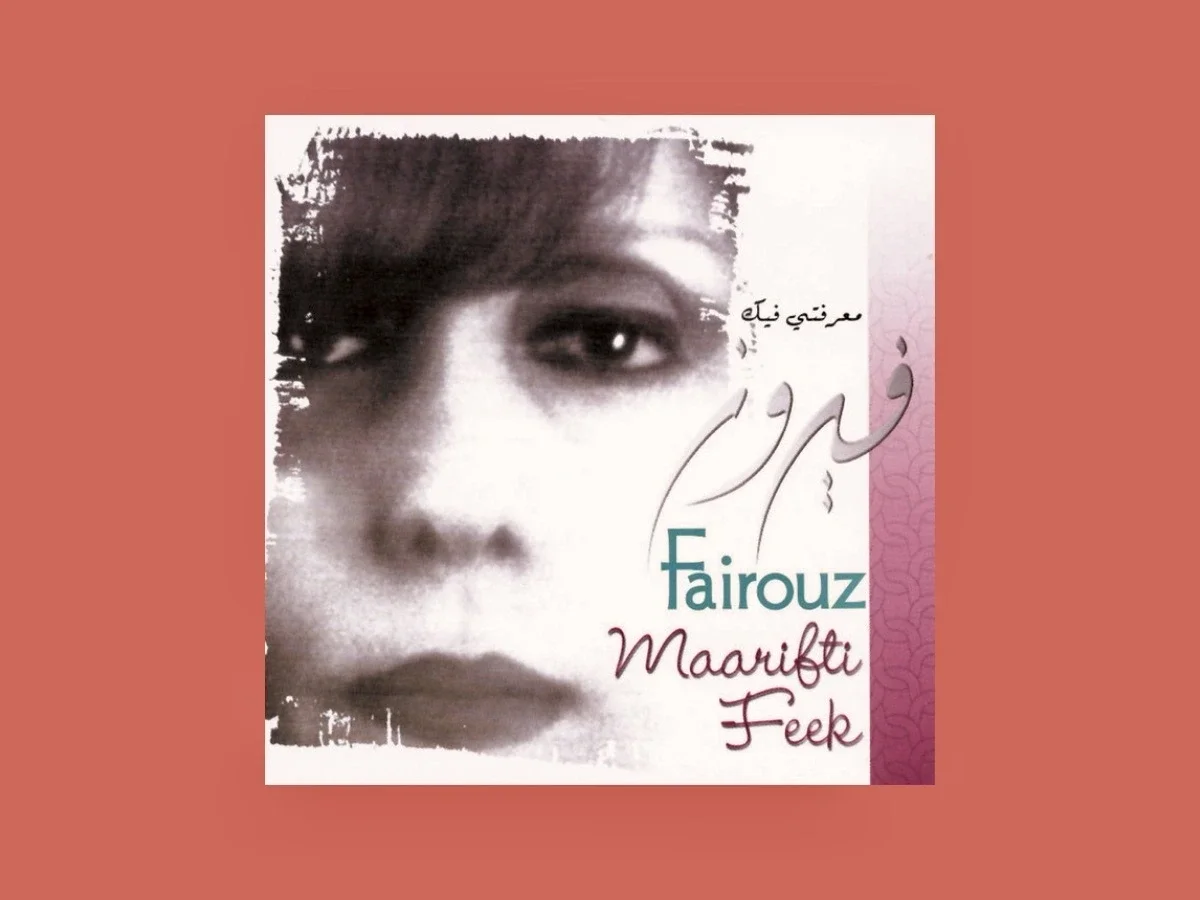
A restrained late-career recording that feels like memory held in stillness and voice.
Fairouz—Maarifti Feek (1987)
There is a reason Fairouz is often described as the voice of the Arab world, though her influence is less symbolic than structural across decades of music, memory, and daily life in Lebanon and beyond.
Maarifti Feek (I Know You) belongs to her later period, defined by control and restraint rather than vocal display. The emphasis is on phrasing and stillness, with emotional intensity carried through minimal melodic movement.
The orchestral arrangements remain spacious throughout, functioning as a backdrop rather than a focal point. Fairouz stays at the center of the mix, her voice unabsorbed by instrumentation, shaping the emotional direction of each piece through phrasing rather than force.
What defines the record is its sense of continuity—music that feels less like performance than presence, accumulated over time rather than staged in a moment.
This is an album for evenings. For endings. For moments when language feels slightly insufficient for what remains.
On How to Listen
These albums are not background music. They are invitations—and like any genuine invitation, they ask something of you in return.
Give each one a full, uninterrupted listen before deciding anything about it. Unfamiliar music often takes longer to open than music you already know. The structures are different; the emotional cues arrive in unexpected places. What sounds strange on first listen sometimes becomes exactly what you needed by the third.
The world is full of music made by people who have found profound and specific ways to be alive. The decision to let more of that in is its own practice.
Listen to the Albums
Further Reading: Music, Memory, and Emotional Recognition
→ The Playlist as Ritual
An exploration of intentional listening as emotional practice: how playlists become containers for memory, identity, longing, and transformation. It considers the ways ordinary habits quietly structure inner life, revealing music not as background noise but as a method of self-recognition.
→ The Art You're Drawn to When You're Grieving
A meditation on why certain works of art become emotionally magnetic during periods of grief and transition. Through questions of attachment, emotional memory, and projection, it examines how art can hold feelings that resist direct articulation.
→ What Artists Know About Looking at Themselves
A reflection on self-image, observation, and the instability of identity under sustained attention. Moving through portraiture and artistic self-examination, the essay explores the uneasy distance between who we are and who we believe ourselves to be.