Hair Is Heritage: The Story We Carry
Before it is a style, a trend, or a choice, hair is a language. A language passed down without words, learned before we understood what we were learning.
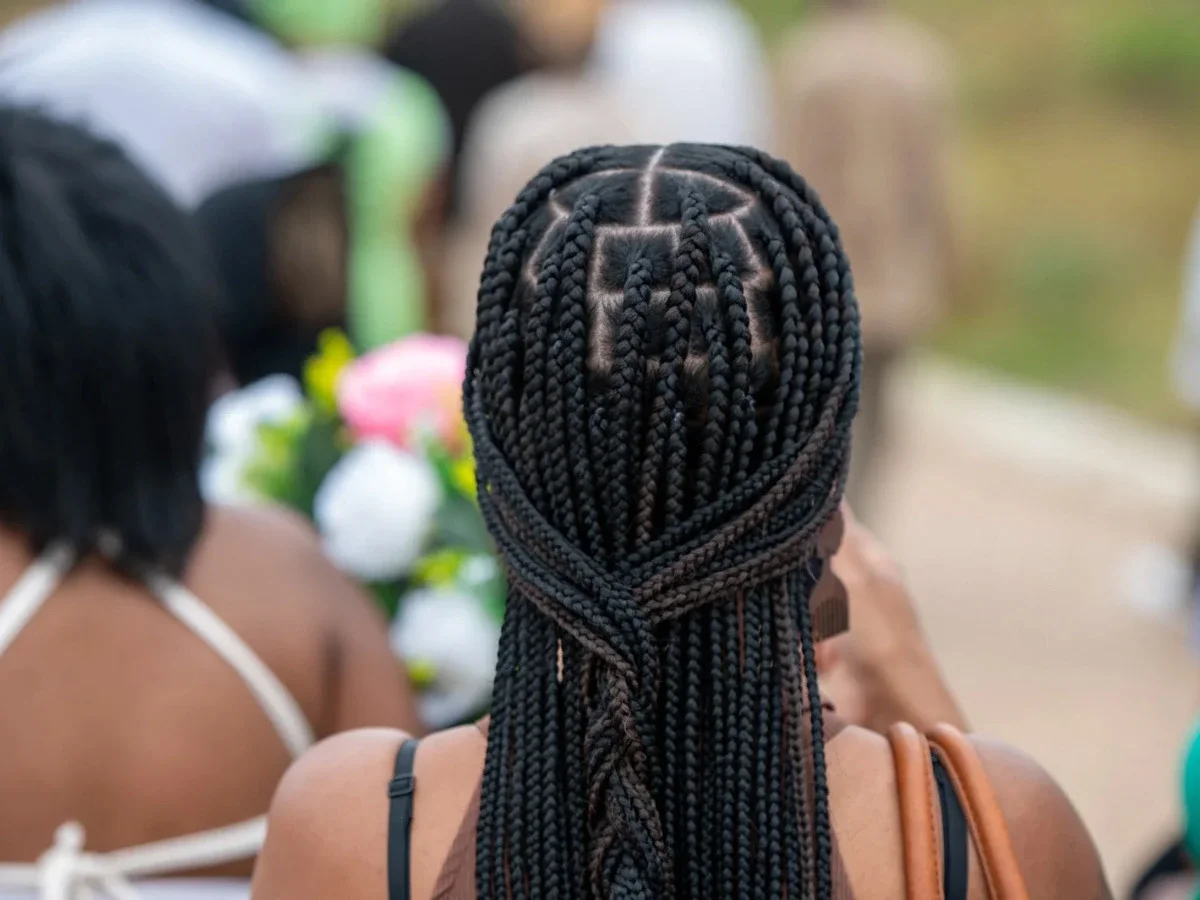
A pattern only some people know how to read.
Think of the first hands that touched your hair.
Not a stylist. Not a mirror. The hands of someone who knew you before you knew yourself. A grandmother working oil through your scalp on a Sunday morning. A mother separating sections with a comb, her hands steady and certain in a way that felt like safety. An aunt who braided with a particular tension—tight enough to last the week, gentle enough to mean something.
Those hands were doing more than managing hair. They were passing something down.
What Hair Has Always Carried
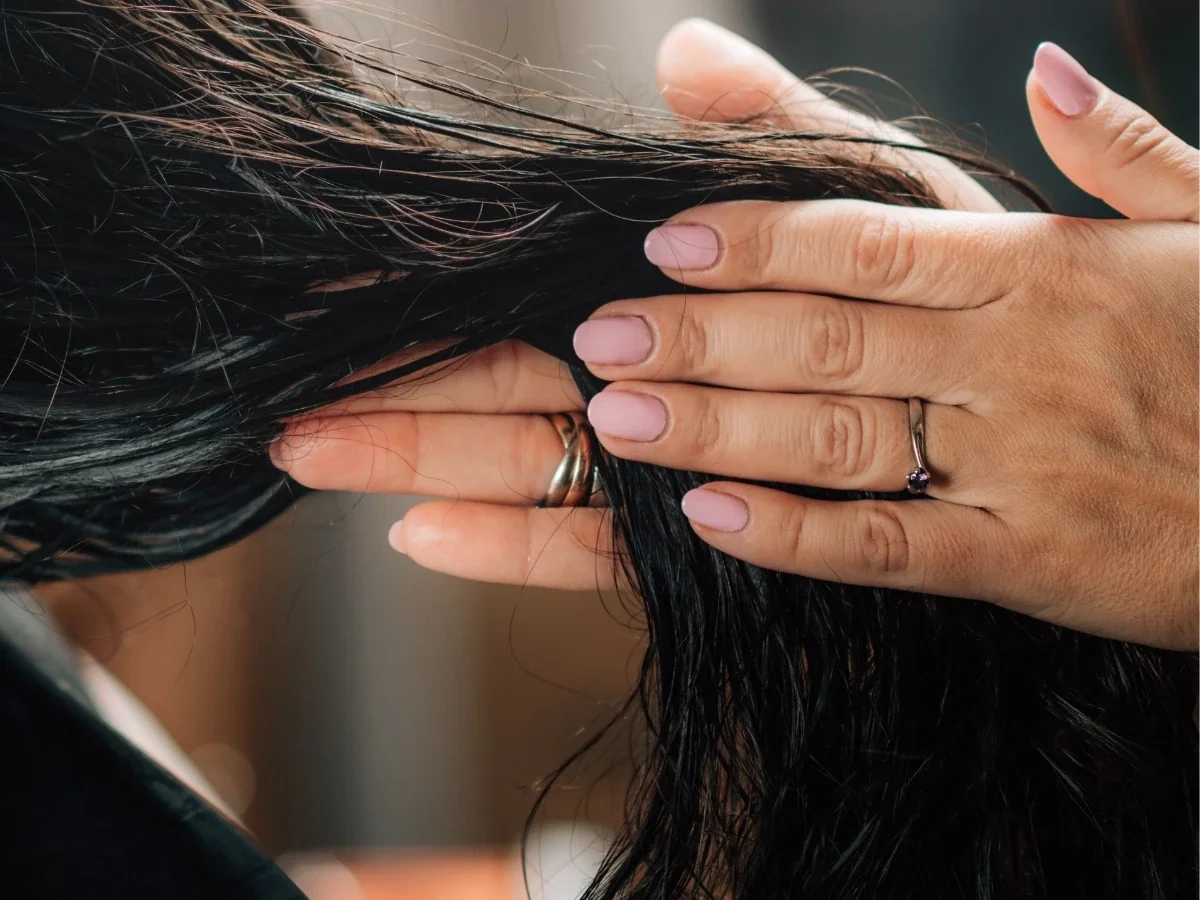
The ritual outlasts the words for why we do it.
Across history, cultures have understood hair as something far beyond aesthetics. In many West African traditions, hair communicated social status, age, spirituality, and tribal identity—elaborate patterns and styles that functioned as a visual language, legible to those who knew how to read it. In ancient China, cutting hair was considered a profound act; the body, inherited from one's ancestors, was to be honored, not altered. Among Sikh communities, uncut hair—kesh—is one of the five articles of faith, a practice of accepting the body as given, of living in alignment with something larger than personal preference.
In Indigenous communities across the Americas, hair has long held spiritual significance—cut during periods of mourning, worn long as a marker of cultural identity and resistance. During centuries of forced assimilation, cutting Indigenous children's hair in boarding schools was not incidental. It was the point. To sever the connection. To interrupt the inheritance.
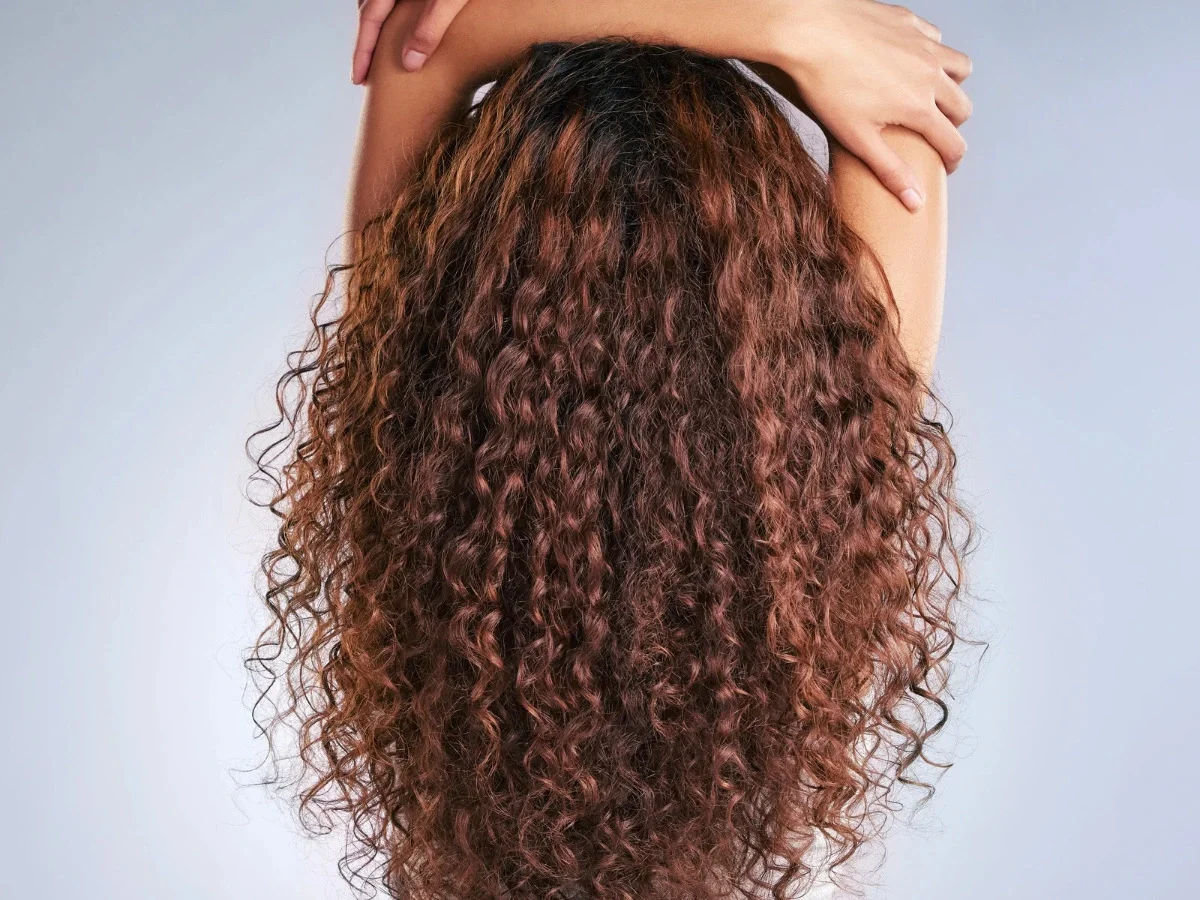
Texture, left alone, is its own kind of statement.
Hair has never been just hair. It has been a site of power, resistance, memory, and belonging—sometimes all four at once.
The Politics of Texture
For Black women, the relationship with hair has always held a weight that is both deeply personal and unmistakably political. Colonial beauty standards devalued natural textures, while schools, workplaces, and public institutions often rewarded conformity and penalized braids, locs, afros, and twists. Choosing to wear natural hair became more than a style—it became an act of reclamation, identity, and self-definition.
What We Inherit
But there is another dimension of hair as heritage that lives outside politics and inside the ordinary.
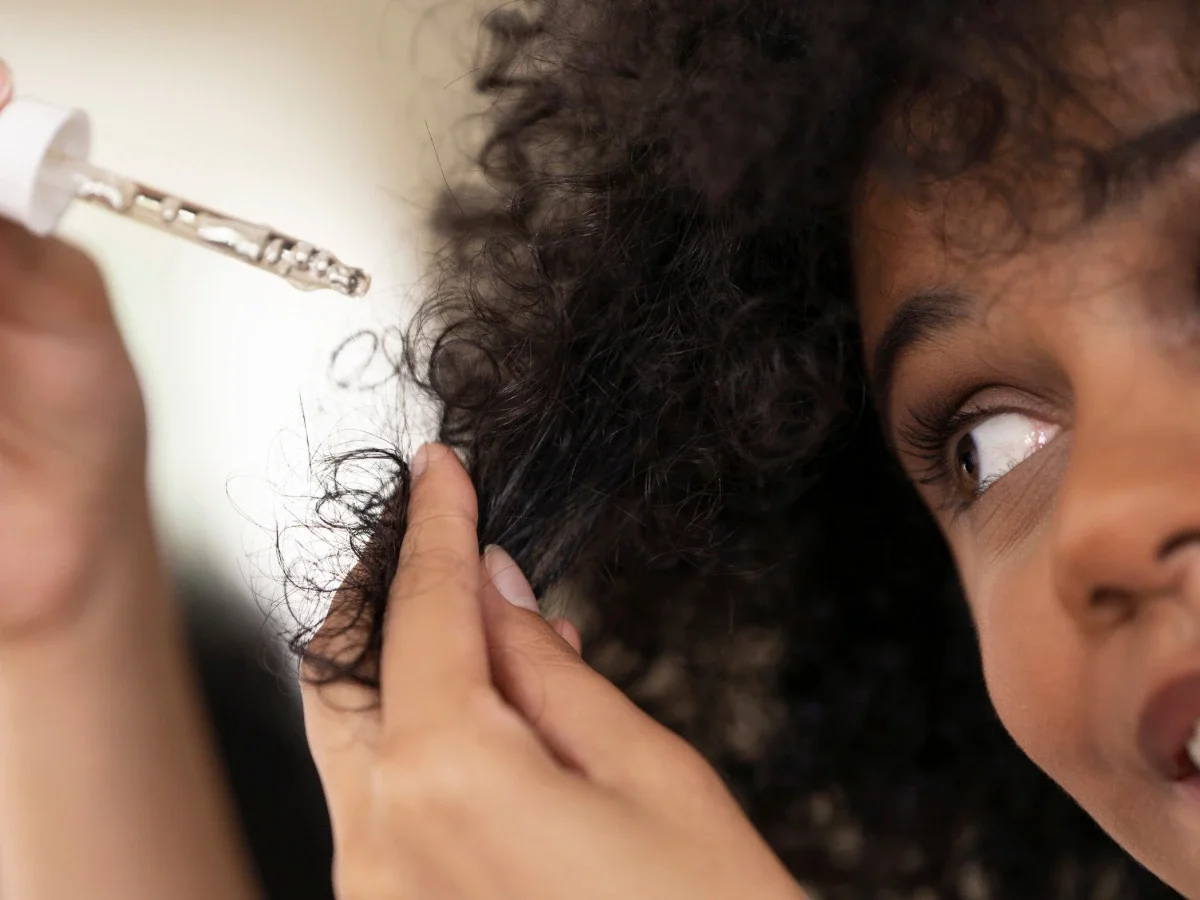
Learning to love her curls before she has the words for it.
The smell of a particular oil warming between someone's palms. The specific sound of a wooden comb moving through wet hair. The ritual of a wash day—water, detangler, sections, patience—repeated so many times it becomes part of the body's memory rather than the mind's.
These are the practices daughters inherit long before they have words for them. And then one day they find themselves standing behind their own child, their hands moving in the same pattern, and they understand: this was never just about hair. It was about continuity. About the knowledge that what you learned at someone's knee, you will one day pass on at yours.
Hair traditions are how many families remain connected across generations, across borders, and despite the distance migration and time create. A Guatemalan grandmother teaching her granddaughter to braid the same way her own mother taught her. A Jamaican mother maintaining her daughter's locs in a country where nobody around them understands why. A Nigerian woman teaching her mixed-race daughter to love the texture of her curl pattern—teaching her, really, to love herself.
The hands remember even when the words are gone.
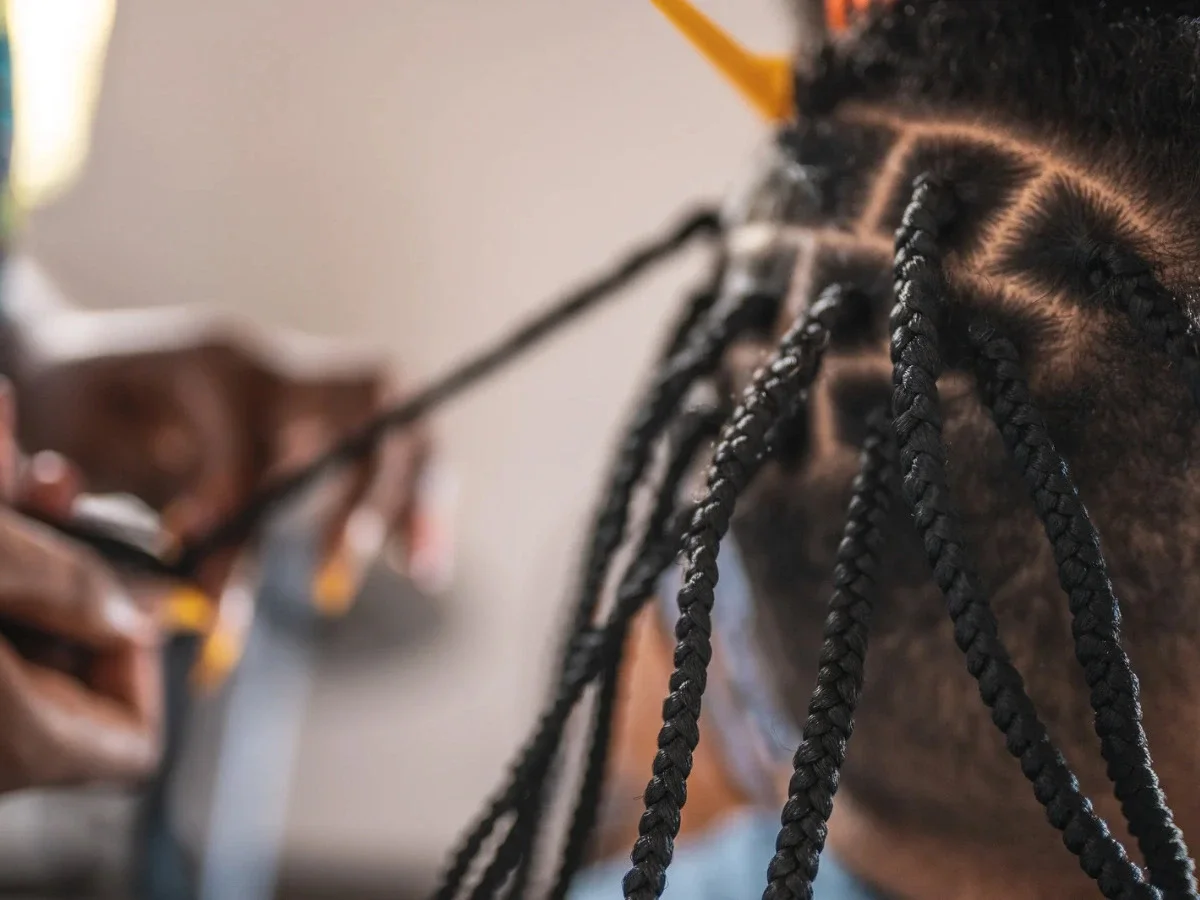
Hands that learned this pattern from someone else's hands.
The Choice That Is Also an Inheritance
There is a particular kind of freedom in deciding, as an adult woman, what your hair means to you.
Not what it means to your employer. Not what it means to the neighborhood you grew up in, or the beauty standards that shaped your adolescence, or the partner who once had an opinion about it. What it means to you.
Some women cut it all off at a moment of transition and feel, for the first time, entirely themselves. Some grow it long as an act of patience and intention. Some return to their natural texture after years of alteration and find it feels like coming home—to a version of themselves they forgot was there. Some color it, loc it, shave it, wrap it, and in each decision make an argument about who they are and what lives within them.
None of these choices exists in isolation. They are made in conversation with everything that came before—the hands that first touched your hair, the standards that told you what it should look like, the women in your family who made their own decisions in their own time.
Hair is where heritage meets choice. Every morning, in front of a mirror, we decide what to carry forward, what to reshape, and what to release. In those quiet rituals, identity is not only expressed—it is remembered.
Further Reading: Identity, the Body, and the Outer Self
These pieces explore the choices we make about how we present ourselves—and what those choices reveal about who we are becoming.
→ Dressing for the Woman You Are Becoming When the clothes that once fit no longer do—and what to do next.
→ Fragrance as Identity: How Scent Shapes Memory and Self On the most emotionally charged beauty choice you make—and why most women never examine it.
→ What Your Hair Is Actually Telling You On listening—and the non-toxic treatments that respond honestly.
→ What Modern Body Care Gets Right The rituals that begin before you leave the house.
→ The Women Who Dress Best Are Not the Ones Who Follow Trends Most Closely On building a wardrobe that reflects who you are rather than what is current.