Beyond Style: The Cultural Meaning of the Outer Self
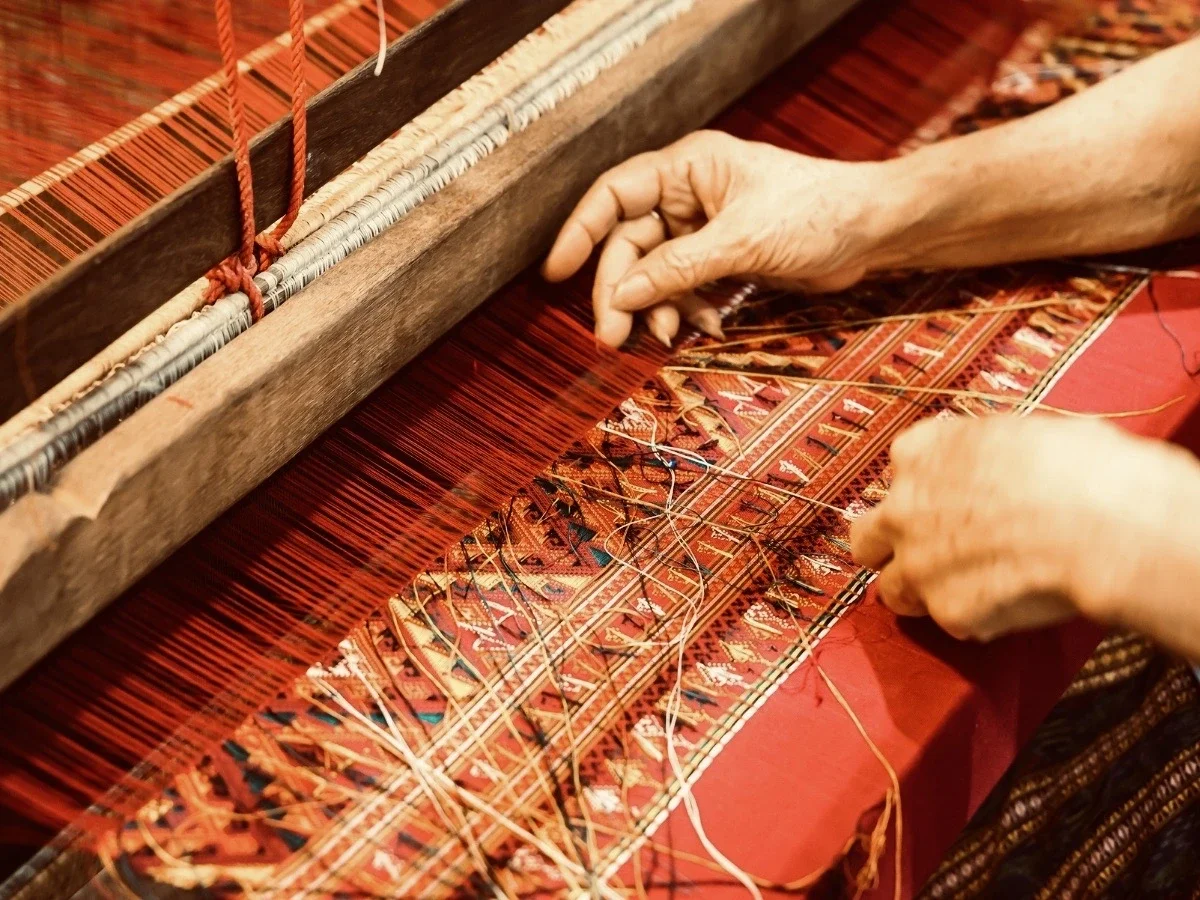
A woven garment doesn't start as an object. It starts as an inheritance.
Why clothing, beauty rituals, and everyday acts of care have always been about more than appearance.
"Don't judge a book by its cover" is one of our most familiar reminders to look beyond appearances. It carries an important truth: character cannot be measured by clothing, beauty, or status.
Yet somewhere along the way, the lesson became something broader—that the visible parts of our lives matter less than the invisible ones.
History suggests otherwise.
Appearance as Cultural Language
Long before fashion became an industry or beauty became a marketplace, the outer self-served as a form of communication. Across cultures, the way people dressed, adorned themselves, cared for their bodies, and prepared for meaningful moments reflected identity, belonging, values, and tradition.
The outer self was never only about being seen. It was about participating in a shared cultural language.
A woven garment passed through generations. A family recipe for caring for skin. Natural hair embraced despite changing beauty standards. A preference for materials chosen for their connection to place and craft.
These choices may appear personal, but they often carry stories much larger than the individual. They reflect memory, resilience, heritage, and the communities that shape us.
Perhaps the mistake is not that we pay attention to the outer self, but that we have reduced it to style alone.
The outer self extends beyond clothing or beauty. It includes the everyday choices that make our values visible: the rituals we return to, the way we care for our bodies, the objects we keep close, and the presence we bring into the spaces we occupy. These choices are rarely isolated acts of self-expression. They are influenced by family, environment, history, and tradition.
Culture does not exist only in museums, ceremonies, or celebrations. It lives in ordinary routines.
When the Outer Self Became a Marketplace

The closet keeps expanding. The question rarely does.
Every society develops practices around care. The ways we prepare for the day, dress for important occasions, mark transitions, or present ourselves in public reveal shared ideas about dignity, respect, identity, and belonging.
But in contemporary society, how we present ourselves is often interpreted through the lens of consumption.
Trends arrive before previous ones have had time to settle. Skincare routines become increasingly complex. Closets expand while algorithms encourage constant reinvention, suggesting that the next purchase might bring us closer to a better version of ourselves.
In this environment, the outer self can begin to feel like a project that is never complete.
The question shifts from What does this choice express? to What should I buy next?
Yet there is another way to understand the outer self.
Choosing Intention Over Excess
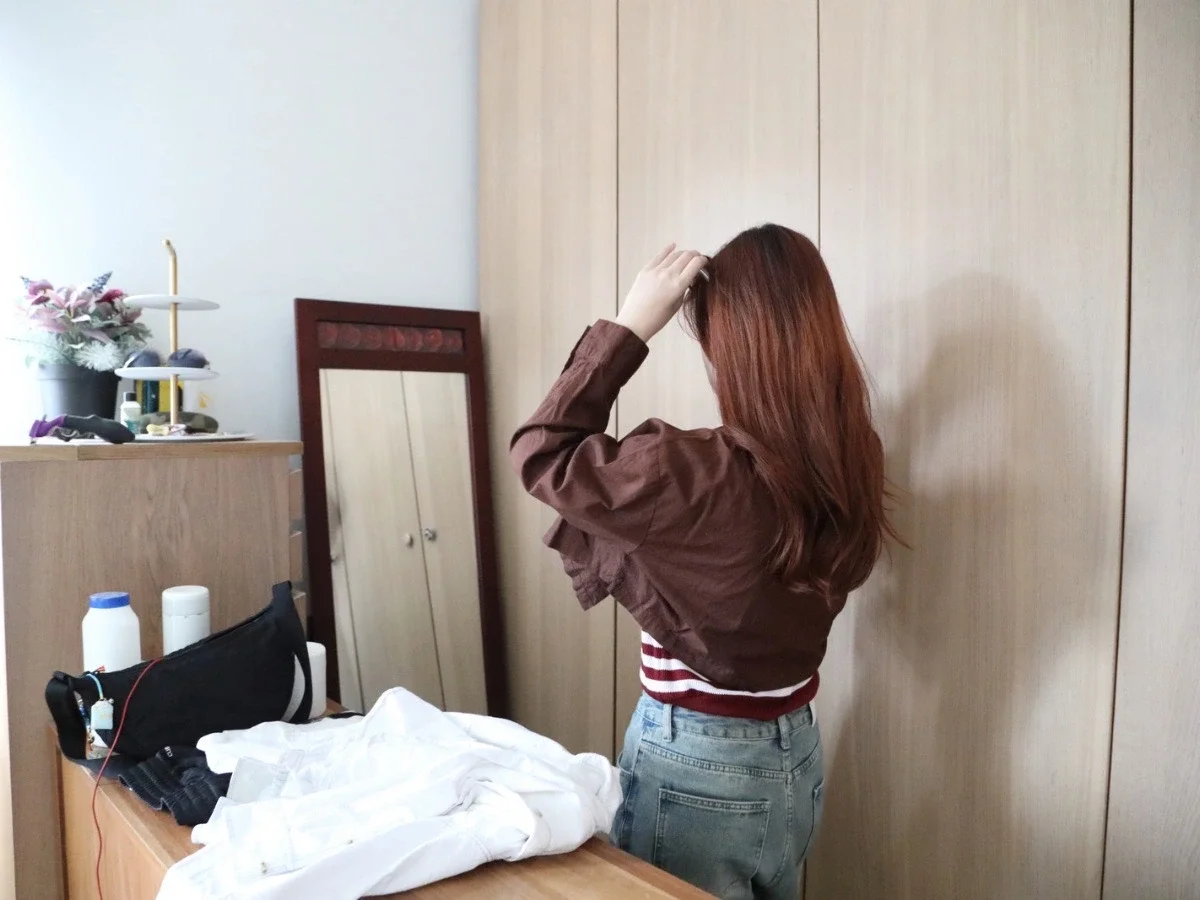
Not every choice needs an audience to mean something.
A growing number of people are reconsidering their relationship with what they wear, use, and keep. They are choosing garments designed to last, repairing rather than replacing, simplifying their routines, and seeking products whose origins and ingredients they understand.
These choices are often described as sustainable, minimalist, or conscious. But beneath those labels is a deeper desire: to create greater alignment between everyday life and personal values.
Minimalism, in this sense, is not about owning as little as possible. Sustainability is not simply about purchasing differently. Both ask a more meaningful question: Does what surround us support the life we want to live? The same question applies to self-care.
Wellness has increasingly become another marketplace, measured by elaborate routines and carefully curated aesthetics. Yet many cultural traditions understand care less as performance and more as practice.
Preparing the body for the day. Washing, moisturizing, tending to hair. Choosing clothing with intention. Taking time to be present. These acts do not gain their meaning from how they appear online or how many products they require. Their value comes from the relationship they create with us.
Care is not an occasional reward. It is a daily practice of attention.
More Than a First Impression
None of this suggests that appearance should define us. Human beings remain far more complex than first impressions allow.
But dismissing the outer self as superficial overlooks the role it has always played. It is one of the places where identity becomes visible—not as a fixed image, but as an evolving conversation between individuals and the communities that shape them.
The outer self-changes because we change.
We inherit traditions and question them. We carry pieces of our upbringing while making room for new experiences. We refine our style, simplify our habits, and choose practices that better reflect who we are becoming.
Perhaps the lesson was never that appearances do not matter. Perhaps it was that appearances alone are not enough.
The outer self has always been more than decoration. It is where culture, memory, values, and intention become visible. It invites us to consider not only how we present ourselves, but why those choices matter—and what they reveal about the lives we are trying to create.
Further Reading: Identity, the Body, and the Outer Self
These pieces explore the choices we make about how we present ourselves and what those choices reveal about who we are becoming.
→ Dressing for the Woman You Are Becoming: When the clothes that once fit no longer do and what to do next.
→ Fragrance as Identity: How Scent Shapes Memory and Self: On the most emotionally charged beauty choice you make and why most women never examine it.
→ What Modern Body Care Gets Right: The rituals that begin before you leave the house.
→ The Women Who Dress Best Are Not the Ones Who Follow Trends Most Closely: On building a wardrobe that reflects who you are rather than what is current.