Dressing for the Woman You Are Becoming
Style isn't just what you wear. In the middle of a life transition, it's one of the first languages your reinvention speaks.
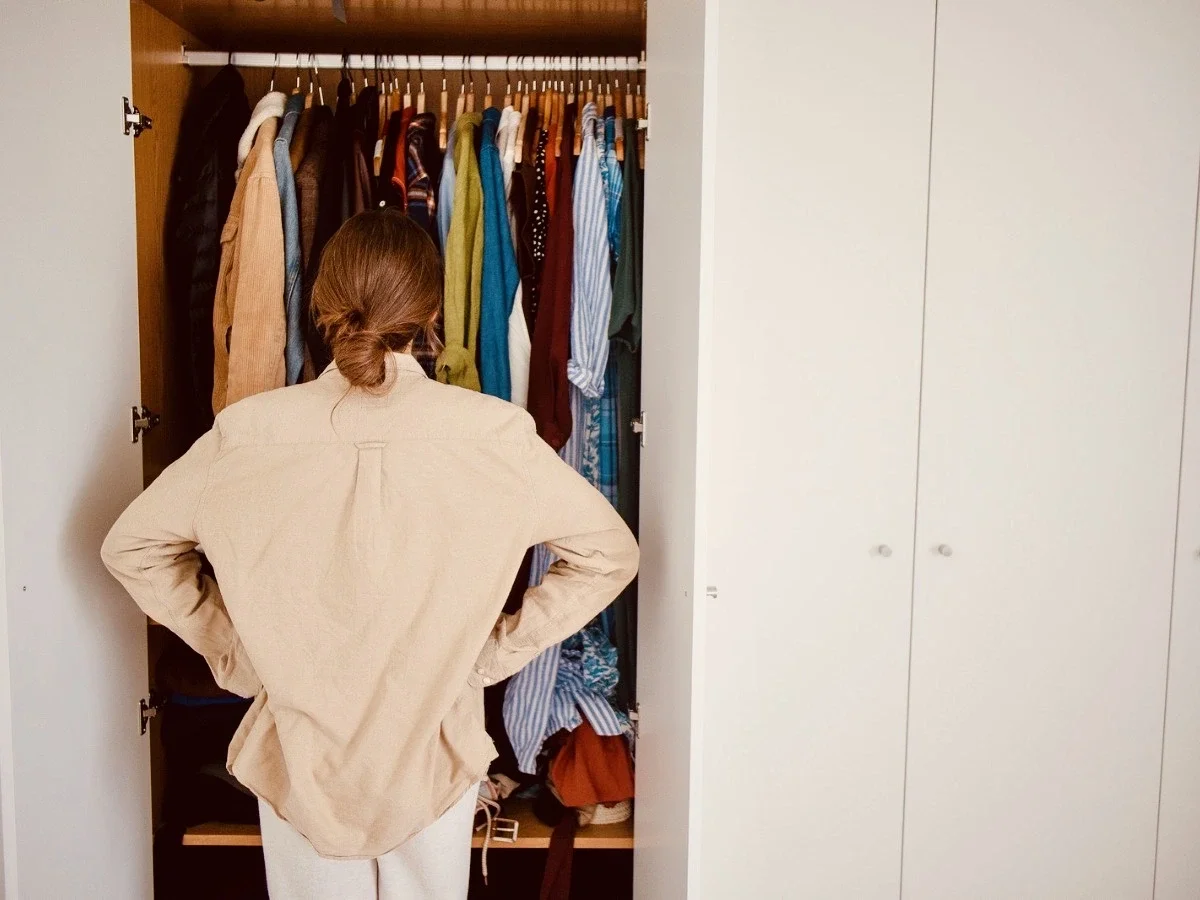
There's a particular kind of morning that happens during a transition: a career shift, the end of a relationship, a deliberate reinvention. You open your closet and feel nothing. Not dissatisfaction exactly. Something quieter and more disorienting than that. The clothes are fine. They just belong to someone you used to be.
This is not a crisis. It's information.
What you wear has always been a form of communication, first to yourself, then to the world. When your life changes in ways that feel fundamental, what you reach for in the morning starts to feel misaligned. The wardrobe that served the job you had, the relationship you were in, the version of yourself still figuring things out — it did its job. It's just not the job you need anymore.
Dressing through a transition is not about reinventing your style from scratch. It's about listening more carefully to what you want to project, feel, and carry into a room, and building from there.

Start With How You Want to Feel, Not How You Want to Look
Most style advice starts with aesthetics. A better starting point is sensation.
Before you shop anything or clear anything out, ask yourself: what do I want to feel when I walk into a room? Capable. Calm. Commanding. Soft. Seen. Unignorable. The answers are different for every woman, and they shift depending on what kind of transition you're navigating.
A woman leaving a long relationship might want to rediscover sensory pleasure in what she wears: texture, color, the weight of a fabric that feels like a choice made entirely for herself. Scent belongs in that same inventory — what you wear and what you carry are part of the same conversation. A woman in the middle of a quiet personal reinvention might simply want to stop dressing for other people's expectations and start dressing for her own.

Audit What You Have Before You Add Anything New
The instinct during a transition is often to buy, to signal the new chapter with new things. Resist it, at least at first.
Go through what you own and sort it honestly into three categories: what still feels like you, what never quite felt like you, and what used to feel like you but doesn't anymore. The third pile is the most revealing. Those are the pieces that hold the old story. You don't have to discard them immediately, but you do need to see them clearly.
What remains after that audit is your actual foundation. It may be smaller than you expected. It may be more coherent. Either way, you're building from truth rather than accumulation.
Invest in Pieces That Have Staying Power, Not Trend Lifespan
Transitions are expensive in energy. This is not the moment for impulse buying or trend chasing. It's the moment for investing in pieces that will still feel right when the dust settles—pieces that communicate something about the woman you're becoming, not the one you're leaving behind.
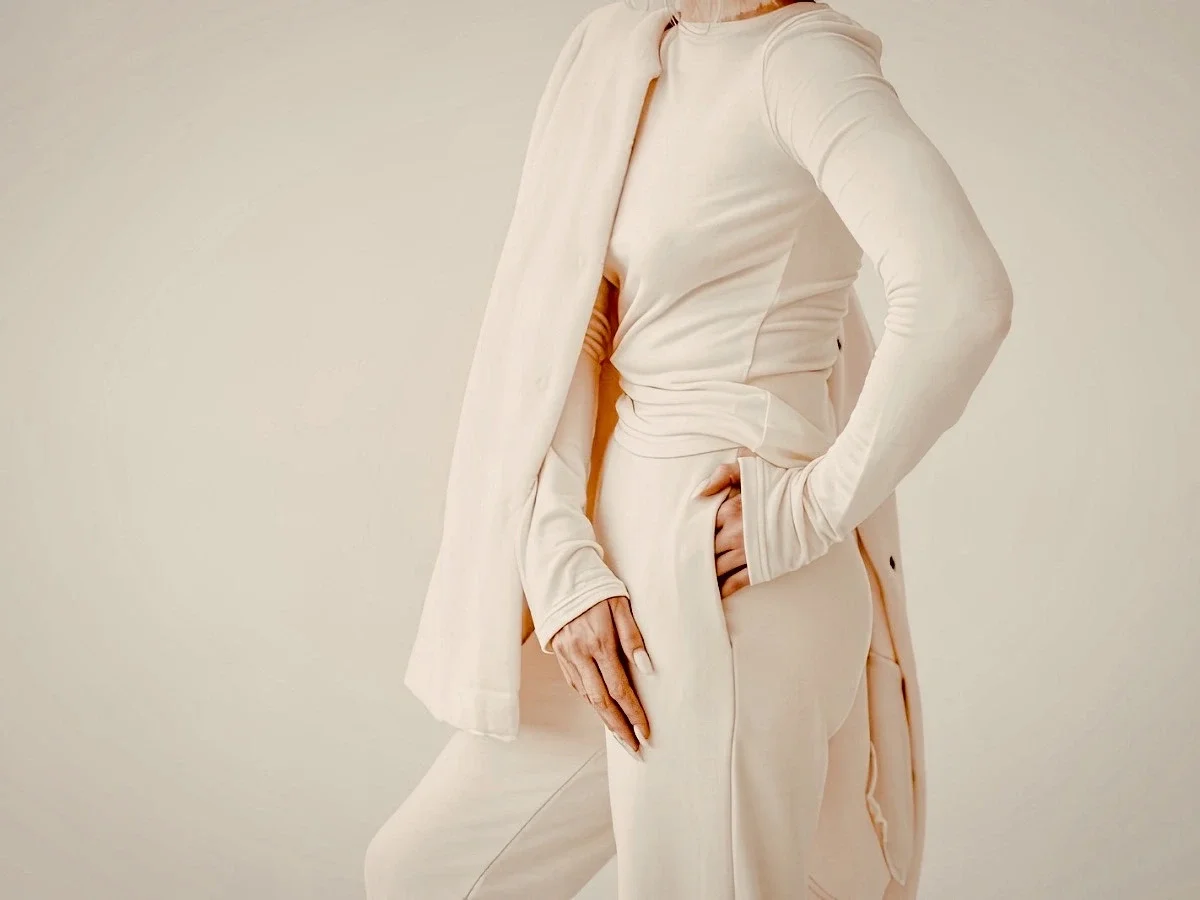
Think in terms of silhouette, fit, and quality of material rather than color or print. A well-cut blazer in a neutral that fits your body. Trousers that make you stand differently. A dress that doesn't require explanation. These are the wardrobe anchors that carry you through change without dating themselves to a single season.
This is also where sustainable fashion becomes a practical philosophy, not just an ethical one. When you're rebuilding an identity, intentional acquisition serves you better than volume. Buying less and choosing better is exactly the right discipline for this moment.
Let Color and Detail Be the Conversation
Once the foundation is stable, this is where reinvention gets to show up visually. Not through wholesale change, but through the details that signal evolution.
A woman who always wore neutrals might find herself drawn to one strong color — not because she's becoming a different person, but because something has loosened. A woman who dressed for the background might start choosing pieces that ask to be noticed, because she's done making herself smaller. These aren't trend decisions. They're identity decisions, wearing themselves.
Pay attention to what draws your eye when you shop now versus what drew it before. That shift in pull is data. Trust it.
The Woman You're Becoming Deserves a Wardrobe That Anticipates Her
You don't need to have fully arrived to dress like you're on your way.
One of the quiet powers of intentional style during a transition is that your clothes can hold the vision before you fully inhabit it.
The blazer bought for the career you're stepping into, worn before the title is official. The dress that belongs to the social life you're reclaiming, worn to the first dinner out. Getting dressed with intention for the person you're becoming is a form of commitment to her — one you make every morning before the world has a chance to weigh in.
Style, at its best, is not performance. It's alignment. When your outside starts to match the inside you're working toward, something settles. The same logic applies to scent, fragrance holds chapters the way clothes do, and choosing one with intention during a transition is a quieter but equally powerful act of alignment.
You stop apologizing for the change. You walk into rooms differently.
That's the real wardrobe transformation. Everything else is just clothes.
Further Reading: Style, Identity, and the Woman in Transition
These pieces explore the outer choices that carry inner meaning—and what they reveal about who you are becoming.
→ Fashion Is More Than a Trend On building a wardrobe that reflects who you are rather than what is current.
→ Sustainable Summer Fashion: Dressing With Intention On the discipline of buying less and choosing better.
→ Fragrance as Identity: How Scent Shapes Memory and Self The most emotionally charged beauty choice you make—and why most women never examine it.
→ What Modern Body Care Gets Right The rituals that support how you feel before the clothes ever go on.
→ How to Shop for Accessories on a Budget—With Style and Intention On choosing pieces that express personality rather than follow a moment.