What Iris Apfel Knew About Getting Dressed
Iris Apfel never dressed to disappear. She dressed to stay exactly, unmistakably herself—and she wasn't the only one who understood that.
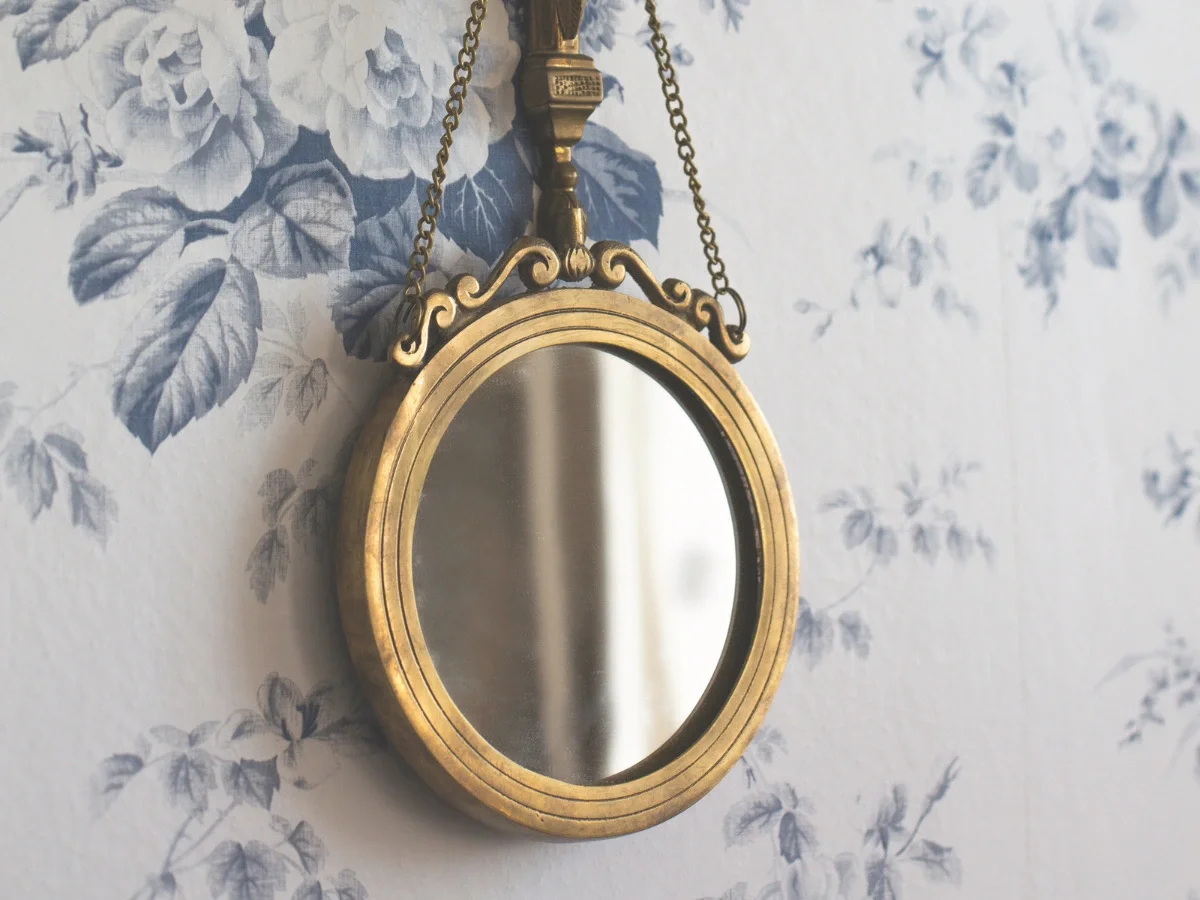
A particular hesitation, before the mirror.
A hesitation settles before the mirror.
You put on the thing you loved in the photograph: the unusual jacket, the enormous earrings, the color you normally avoid. At home, it feels unmistakably like you. Then you imagine walking outside, and almost without noticing, you change into something smaller.
We call this a lack of confidence. It isn't. It's the discomfort of being seen making a choice that belongs entirely to you.
Personal style isn't about what we like. It's about belonging—to what women our age wear, what looks appropriate, sophisticated, current. Even as adults, we keep dressing for the room. Iris Apfel stepped outside that negotiation entirely and stayed there for most of a century.
What Apfel Understood
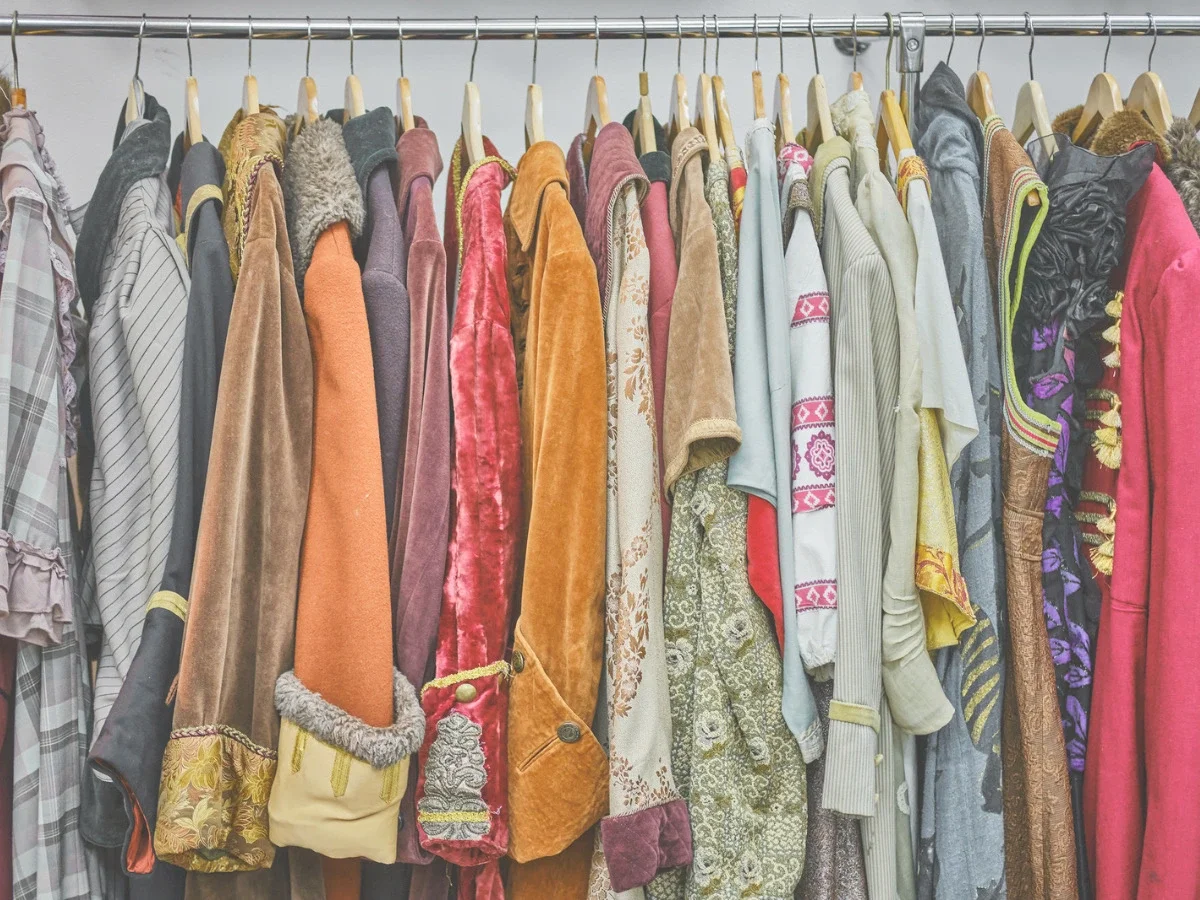
Different women. Same refusal.
Iris Apfel didn't dress as though trying to look younger. Her enormous glasses and exuberant layering suggested something else: that getting older didn't require becoming visually quieter. She wore the same instinct at ninety that she wore at thirty. Most people let go of it somewhere in between.
She wasn't alone in that instinct—she was just its most public example. Elsa Schiaparelli treated fashion as imagination. Vivienne Westwood made clothing capable of carrying an argument. Coco Chanel introduced clothes that were, in their time, unexpectedly practical and modern. Different women, decades, and aesthetics entirely. But the same refusal ran underneath: none let anyone edit their point of view down to something safer. What connects them isn't a look. It's a point of view—a visual language each of them developed and returned to until it became recognizably theirs.
The Rules Get More Sophisticated
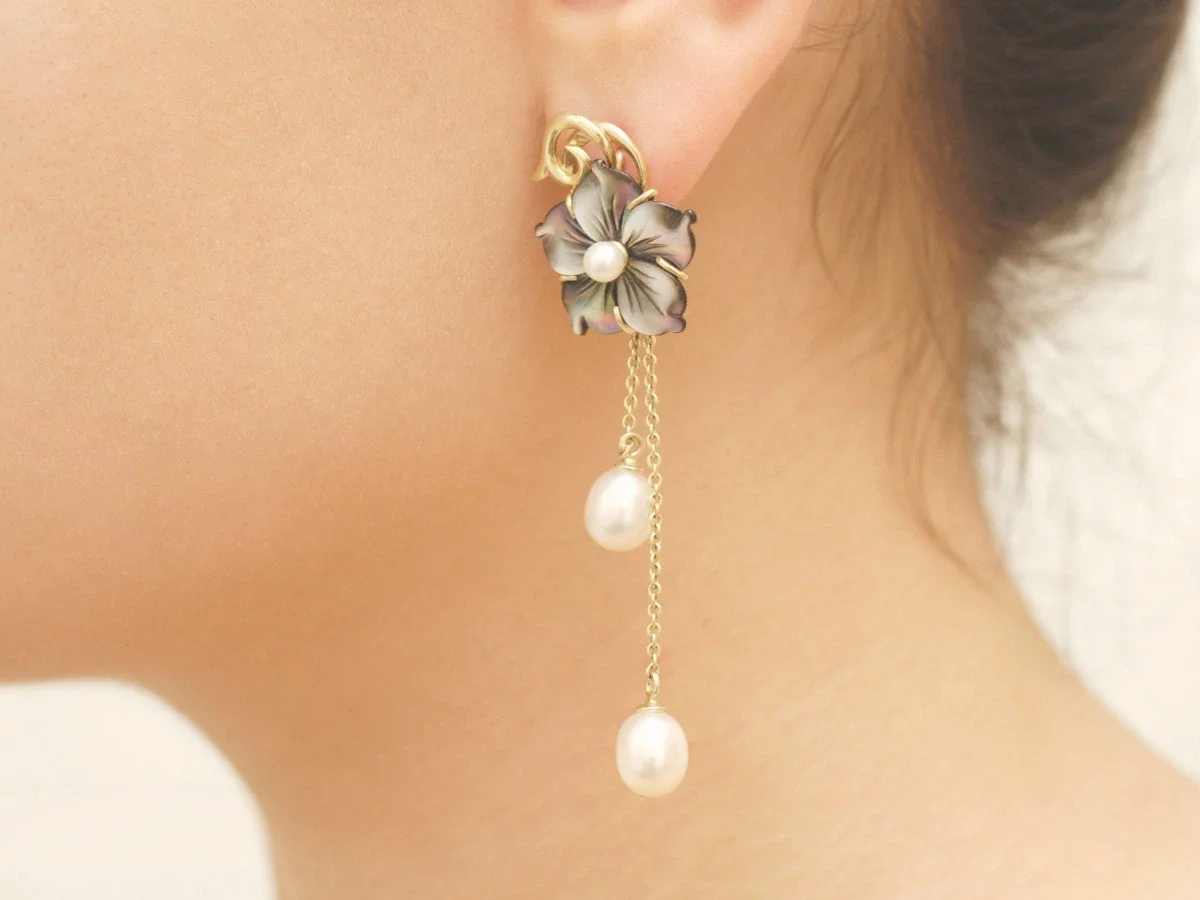
The one you loved in the photograph.
Adulthood is supposed to free us from adolescent social pressure. We have more money, more self-knowledge, less patience for other people's opinions. And yet a skirt can still be too short for your age. A print can still be too young.
We don't ask what people will think anymore. We ask something quieter: is this appropriate for someone like me? That question isn't about taste. It's about who you believe you're supposed to look like. A woman your age. Someone in your profession. Someone with your responsibilities. Style becomes a surprisingly precise map of where you think you belong.
Learning to Make It Palatable
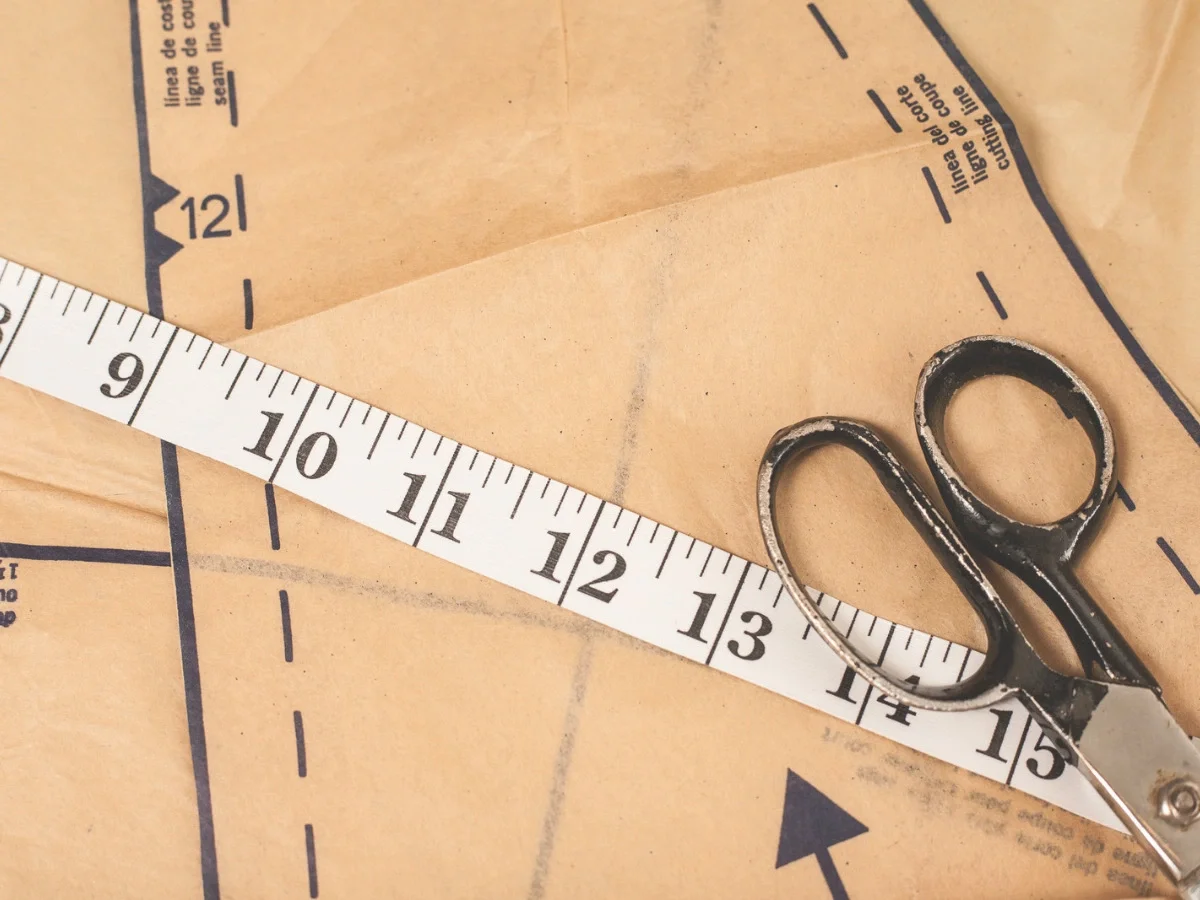
Measured, marked, taken in.
Women become very good at self-editing: soften the outfit, simplify, remove one accessory, buy the interesting thing and never wear it. We admire women with extraordinary style and assume we couldn't dress like that ourselves.
But the problem usually isn't a missing point of view. It’s years spent learning to make it smaller. Sometimes the interesting jacket really isn't your style. Sometimes it's exactly your style, and the discomfort is seeing a version of yourself you haven't let anyone else see yet.
It isn't only about how you look. It's about what people assume about you: more playful, more serious, less conventional than the version they'd already filed you under. That's what feels vulnerable.
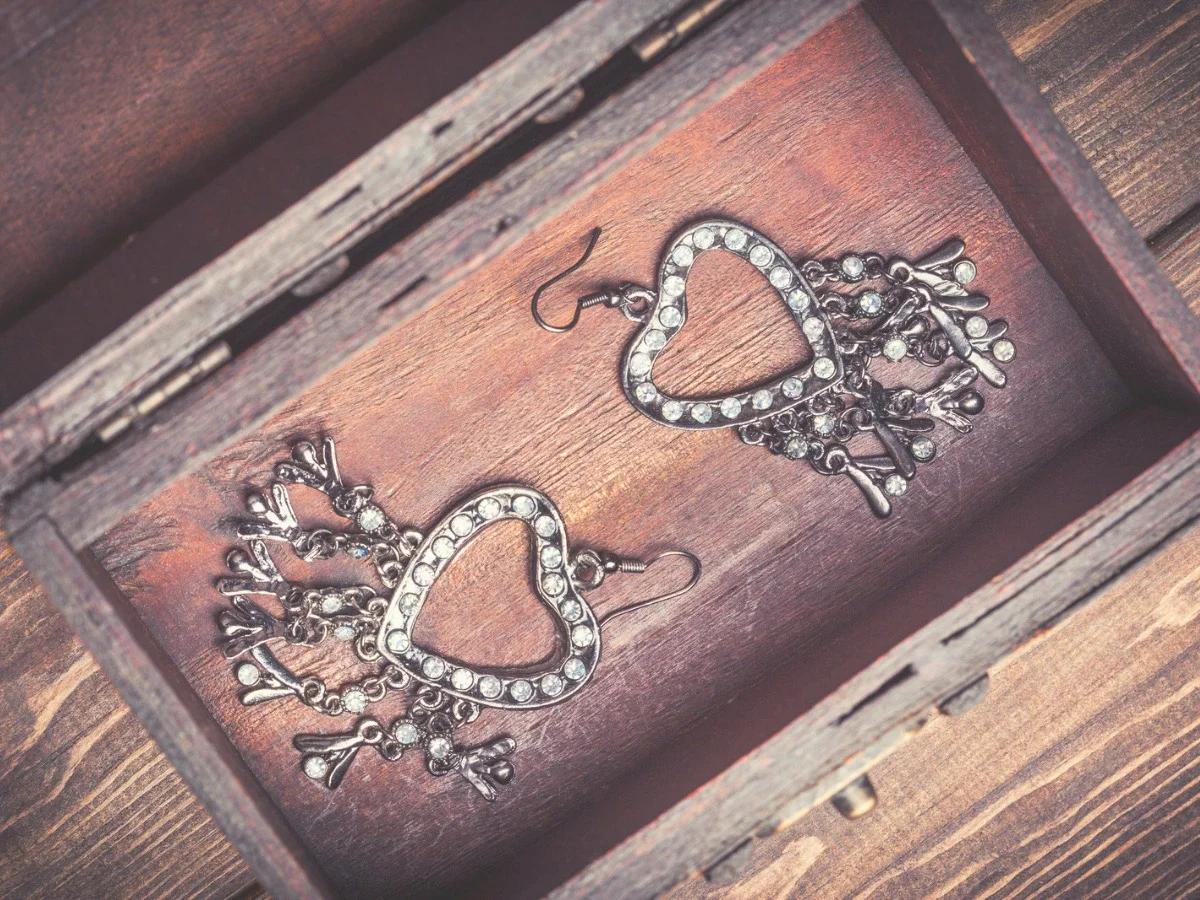
Back in the drawer, again.
What Actually Needs to Change
The most interesting style evolution is often small: the earrings that keep going back in the drawer, the red shoes you only wear at home, the jacket you love but think is too much. These choices seem trivial. Clothing has a strange ability to make an internal shift visible.
You don't need a new wardrobe. You need to get curious about the difference between what you genuinely dislike and what you've learned to fear wearing. That distinction changes what you keep, what you buy next, and what finally makes it out of the closet.
What Apfel Knew All Along
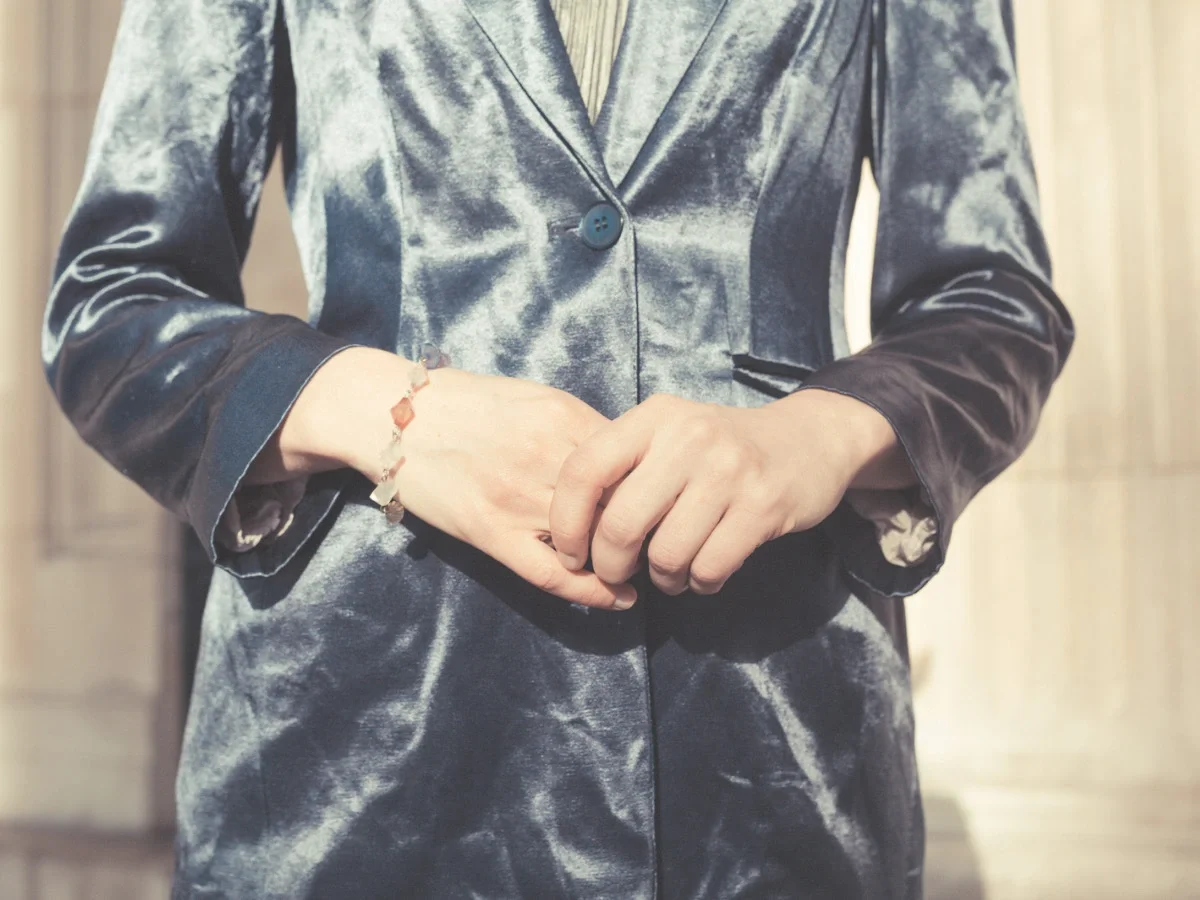
The unusual jacket, almost chosen.
Apfel wasn't remembered for following the rules well. She was remembered for developing a point of view and returning to it, decade after decade, knowing not everyone would share it. Schiaparelli, Westwood, and Chanel proved it wasn't a personality quirk—it was a discipline, repeatable across a century of very different women.
Someone always thought the glasses were ridiculous, the shoulders too sharp, the corset too political, the tweed too plain. Someone always preferred the version of her that was easier to categorize. She dressed anyway.
Personal style isn't about having a signature look, a perfectly edited wardrobe, or a working knowledge of every trend. It's about knowing what's yours—and refusing to dress it smaller.
Further Reading: On Dressing Without Asking Permission
These pieces follow the same idea in different forms—that what we choose to wear, and who we choose to become, are rarely about the object itself.
→ Hair Is Heritage: The Story We Carry: The same instinct Apfel names—identity spoken outwardly long before anyone has the words to explain it.
→ The Women Who Dress Best Are Not the Ones Who Follow Trends Most Closely: Apfel's own argument, restated as a rule: style as feeling, not compliance with the room.
→ What Cinema Understands About Reinvention: The discomfort Apfel names directly—seeing a version of yourself you haven't let anyone else see yet—traced through film instead of a closet.