The Recipes Our Grandmothers Never Wrote Down
On oral tradition, cultural memory, and what disappears when no one is left to ask.
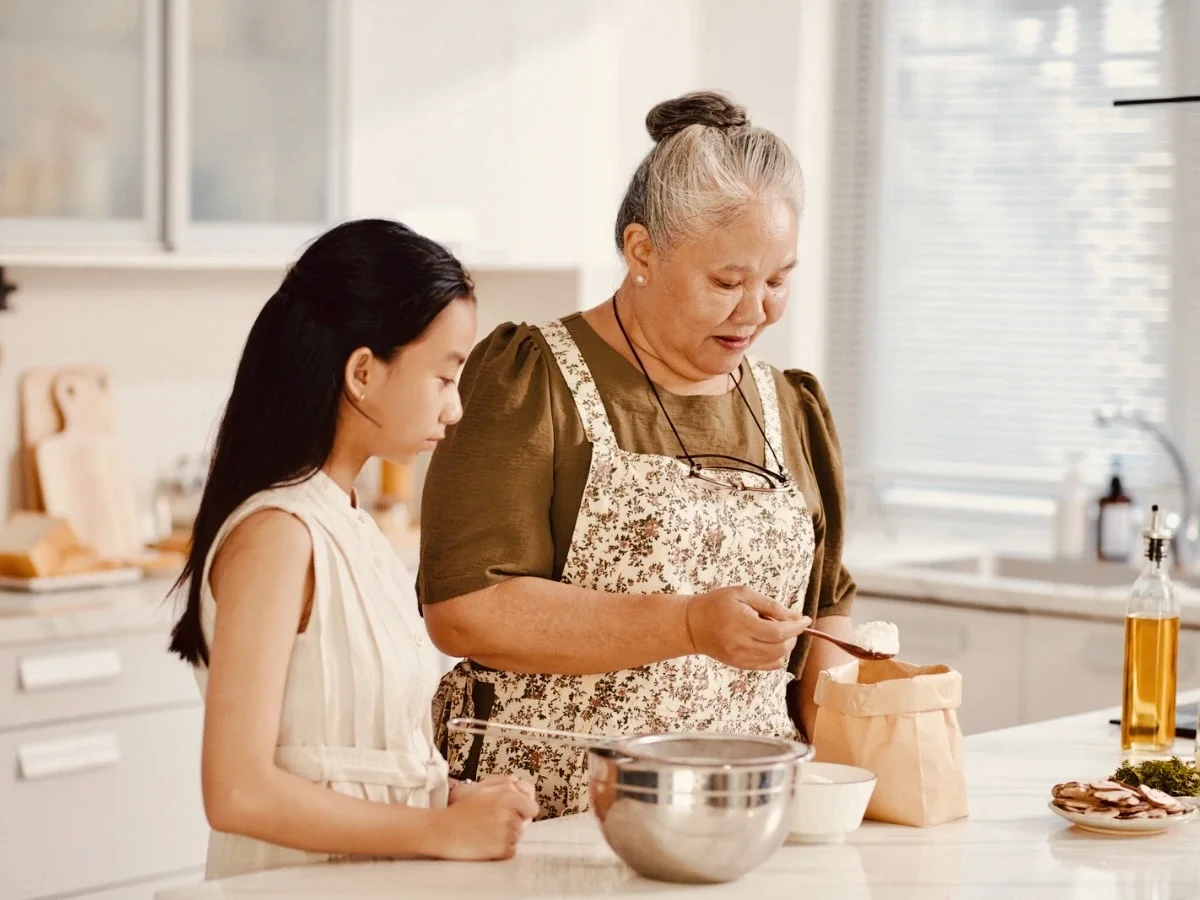
The most important family recipes were almost never written down. Because nobody thought to write them. Because writing was never the system that kept them alive.
For most of history, cooking knowledge moved the same way language, customs, and family stories did: through presence, repetition, and proximity. Knowledge survived because people did.
Most of us only notice this when it is already too late. A grandmother passes. Someone attempts to recreate the dish at the next family gathering. The ingredients are approximately right. Something essential is missing.
What is missing is not a measurement. It is the person who held the knowledge—and the decades of practice that made the recipe legible only in her hands.
Knowledge That Lived in Presence, Not Paper
Children learned to cook by standing beside someone.
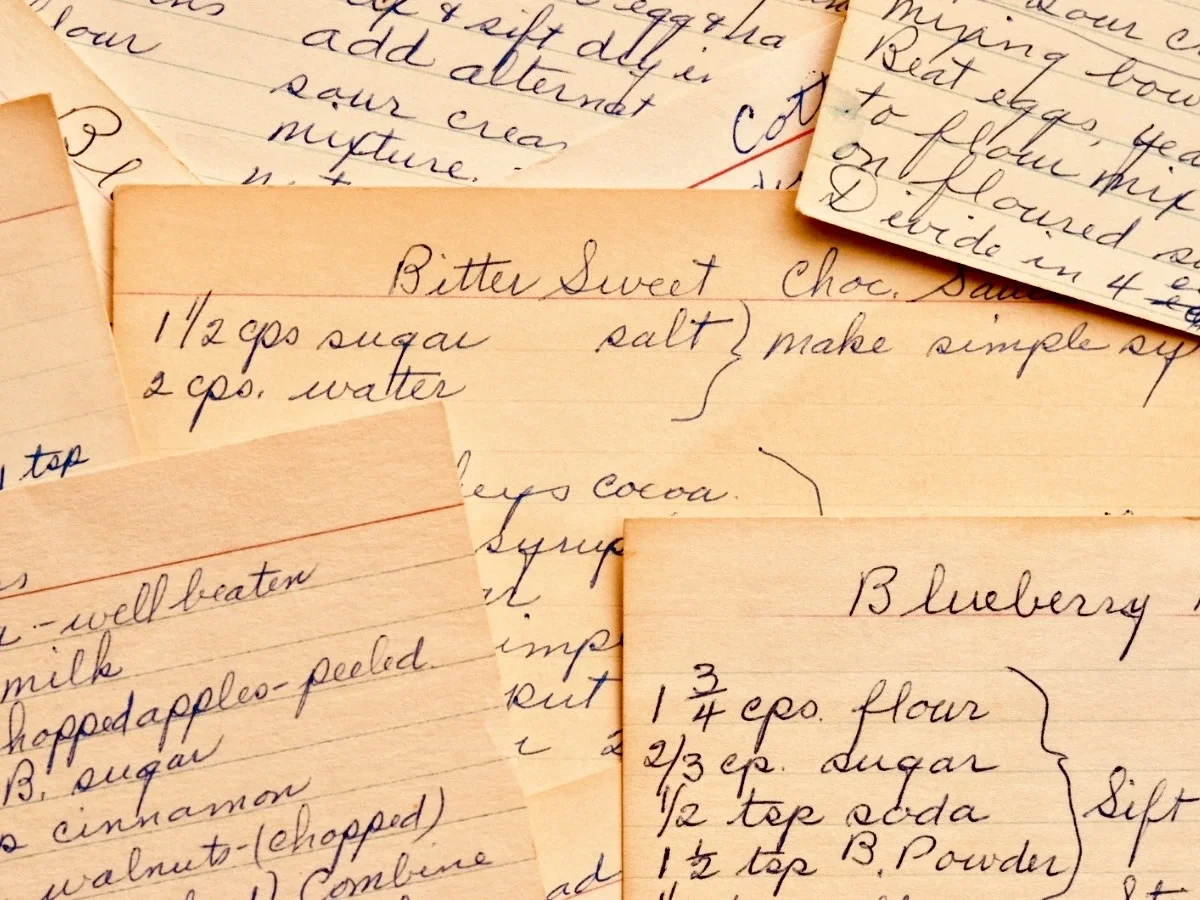
Techniques were absorbed through proximity and repetition, which is why so many inherited recipes contain instructions that baffle anyone who was not there to receive them. Cook until ready. Add enough flour. Season to taste.
The measurements existed. They simply existed in experience rather than writing.
A written recipe assumes knowledge can be separated from the person who holds it. Oral traditions make the opposite assumption. The goal was not perfect replication. It was continuity—and continuity required someone present to receive what was being passed on.
If that person was there, the recipe survived.
What Gets Lost Beyond the Recipe
Preserving a dish and preserving a food tradition are not the same thing.
A recipe can explain how to prepare something. It rarely explains why it mattered—why a particular bread appeared at funerals but not celebrations, why a soup became inseparable from a migration, why a dish that looks ordinary to an outsider carries an entire history for everyone else at the table.
The recipe preserves the method. The people preserve the meaning.
This helps explain why inherited recipes often feel incomplete when reduced to a card or notebook page. Information survives. Understanding does not always survive with it. A list of ingredients can tell you what was made. It cannot fully explain why it mattered.
When one disappears, the other becomes harder to interpret—a dish you can technically recreate but cannot quite understand.
This is the loss that rarely gets named. It is not the recipe that goes missing. It is the context that gave the recipe its significance.
What We Mean When a Food Tastes Like Home
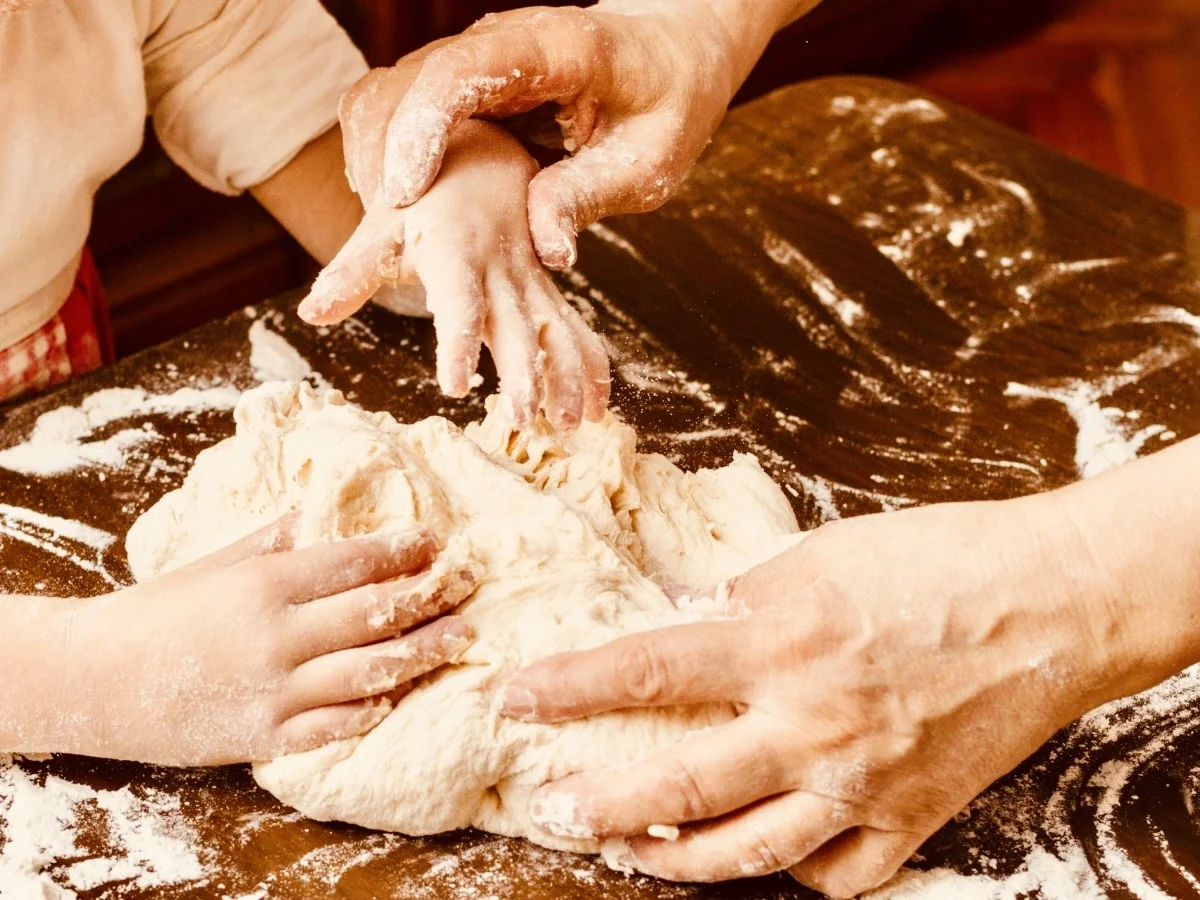
What people often describe as the taste of home is not a flavour but a pattern.
The dish itself matters, but so does its repetition—the fact that it appeared at ordinary dinners, holidays, difficult seasons, and celebrations. Familiar food becomes emotionally powerful not because it is exceptional, but because it has become part of the structure of everyday life.
Smell and taste reach memory differently than most other senses. A familiar dish does not simply prompt a recollection. It can reinstate one—the kitchen, the season, the person, the feeling of being somewhere safe.
People may forget addresses and exact dates. They often remember precisely how something tasted—and through that taste, much of what surrounded it.
This is why the loss of an unwritten recipe has become larger than a culinary gap. It is the loss of a sensory key to a door that it cannot easily be opened another way.
The Hidden History in Every Family Dish
Many dishes people describe as traditional are, in fact, records of adaptation.
Migration, economic hardship, and the simple reality of ingredient availability have shaped family cooking across generations. A grandmother substitutes one ingredient for another because she has no choice. The substitution stays.
A generation later, it becomes the dish—the original version already gone, the adaptation now carrying the full weight of authenticity.
Many family recipes are, therefore, records of adaptation rather than preservation. What gets handed down is often not an original version of something, but a solution—an adjustment created to new circumstances and repeated to become tradition.
This is why the search for culinary purity can be misleading. Food traditions survive not because they remain unchanged but because they remain meaningful.
The most enduring family recipes are often archives of resilience disguised as everyday meals, carrying histories their makers never thought to explain because explanation seemed unnecessary when the people who understood were still alive.
What Preserving Family Food Traditions Actually Means
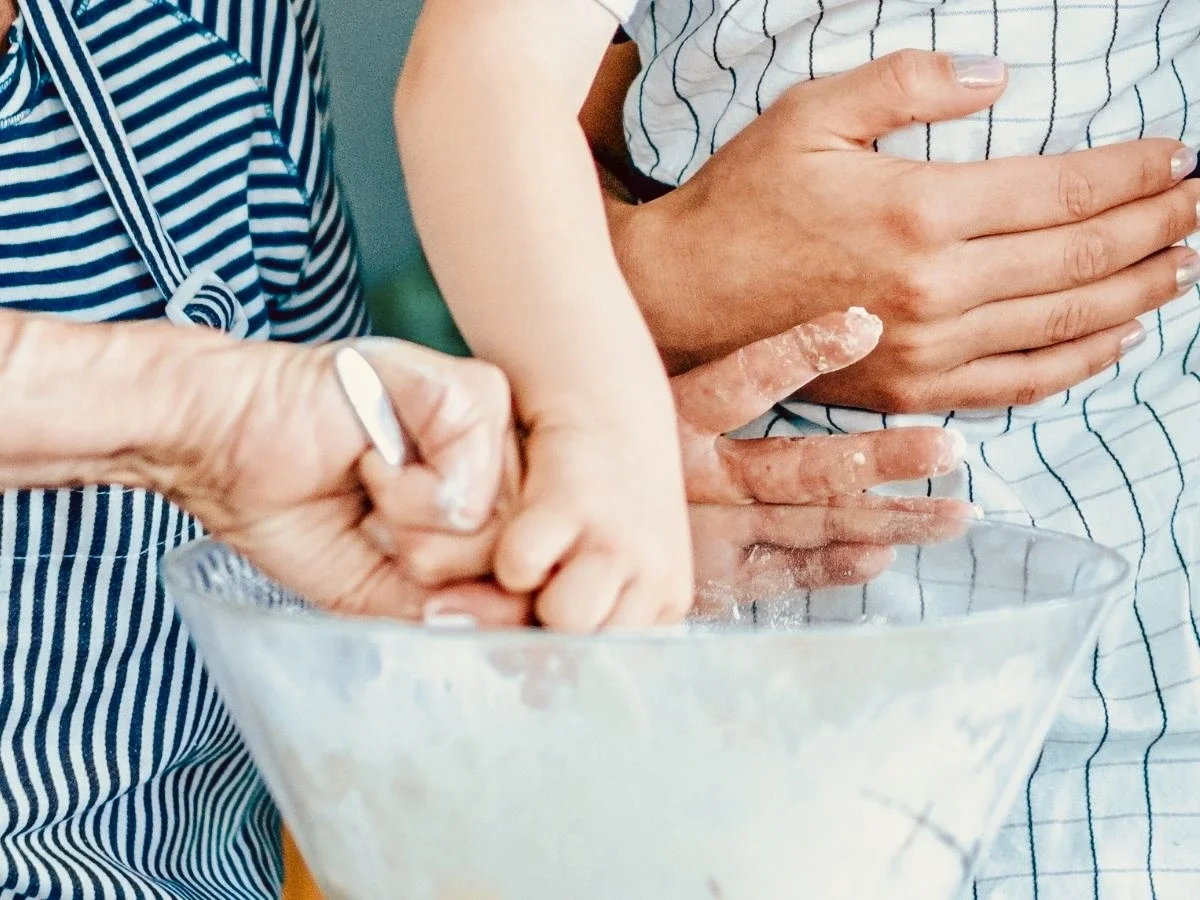
The recipes our grandmothers never wrote down matter for reasons that extend well beyond food.
They remind us that inheritance is not only about objects or documents. It is also about practices—forms of knowledge that survive specifically because they move between people, through relationships in real time.
A family recipe fully understood is not a culinary artifact. It is a record of migration, adaptation, memory, and care. While it’s a way of feeding people, it is also a way of belonging to one another.
The question is not whether every unwritten recipe can be recovered. Many cannot.
The more important question is, can we recognize what these recipes represent before the people who carry them are no longer here to be asked?
Because what moves between generations at a kitchen table is rarely just food. It is knowledge designed to travel through relationships. A recipe card can preserve ingredients. It cannot fully preserve the experience of being taught.
Some forms of inheritance survive because they are written down.
Others survive because someone takes the time to stand beside another person and learn.
Further Reading: On Food, Memory, and What Gets Passed Down
These pieces explore how food carries identity, history, and the things language struggles to hold.
→Food in Literature: Cultural Memory in The Bastard of Istanbul: In Elif Shafak's novel, shared kitchens preserve histories that politics complicates and official records leave unspoken. On food as cultural archive.
→Iranian Food, Memory, and The Lion Women of Tehran: How Persian cuisine functions as resistance, remembrance, and the quiet insistence of belonging across generations.
→The Table as Connection: How Shared Meals Build Emotional Intelligence: What happens at a table that goes beyond nourishment — and why the shared meal remains one of the oldest emotional practices we have.
→The Discomfort We Keep Rescheduling: On the knowledge we already carry and keep postponing — a companion piece from the Inner-Self on inheritance of a different kind.