The Lion Women of Tehran. Iranian Food and Memory.

Tea as invitation — warmth, pause, and the beginning of story.
In The Lion Women of Tehran, Iranian food becomes a vessel for memory, identity, and quiet continuity. Through everyday meals and kitchen rituals, the novel shows how women preserve culture and emotional history beyond politics and borders.
In The Lion Women of Tehran, food operates beneath the surface of the narrative—never symbolic for its own sake, never ornamental. It appears in kitchens, childhood homes, and moments of pause, carrying emotional weight without demanding attention. Iranian food, as Marjan Kamali presents it, is part of how life is lived, remembered, and passed on, resonating with the broader reflections on memory and resilience found in other essays on literature and food pairings.
While the novel’s political and feminist dimensions are thoughtfully explored in our book review of The Lion Women of Tehran, here we follow a quieter thread: how taste, ritual, and shared meals can hold emotional continuity across distances of time and place.
Food as Memory Not Nostalgia
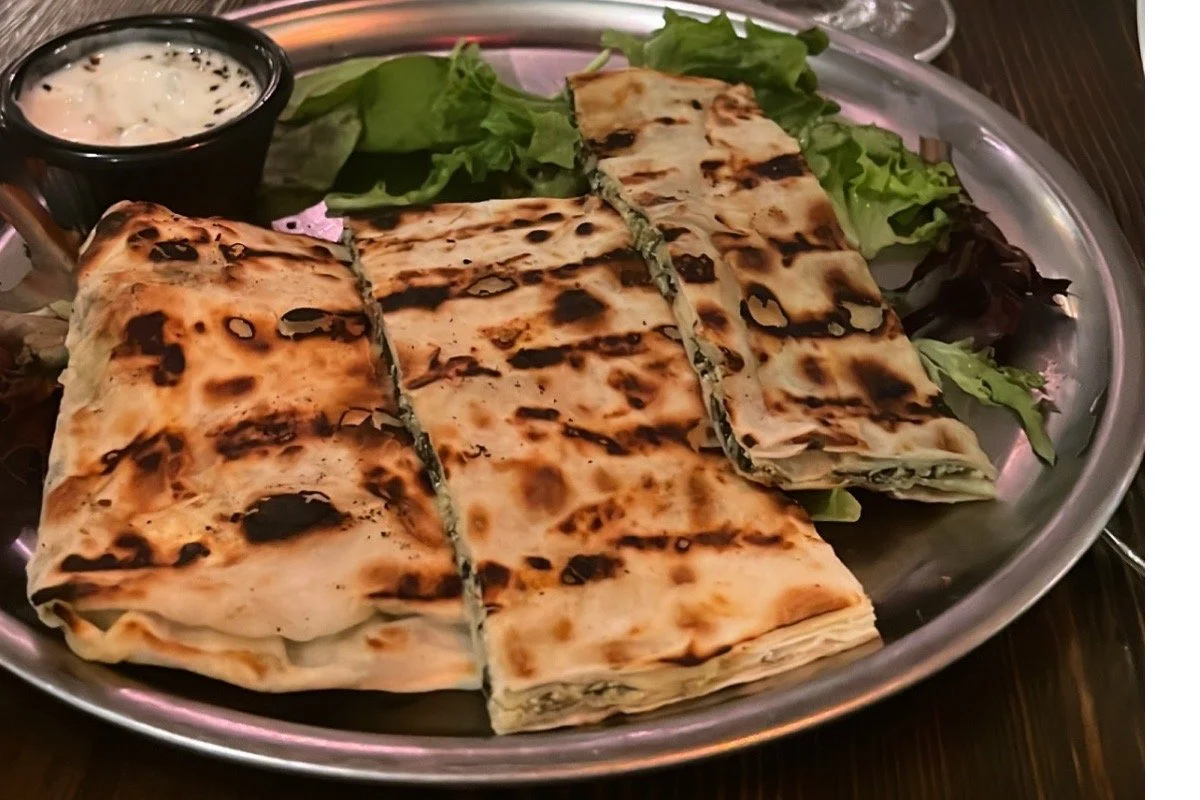
Everyday bread, carrying memory from one table to the next.
Kamali’s use of food resists nostalgia. Dishes do not appear simply to evoke longing for a lost homeland; instead, they surface as markers of time and change. A familiar meal means something different in childhood than it does in adulthood, exile, or grief.
Taste becomes a quiet archive. It stores emotion without explanation and retrieves it without permission. In this way, food mirrors memory itself—nonlinear, persistent, and deeply personal.
Kitchens as Sites of Transmission
In the novel, the kitchen becomes a place where practical skills and unspoken knowledge pass hand to hand. Recipes are exchanged with stories, shapes of mentorship, and the habits of care. This practice of cooking together evokes a broader pattern in food writing where food anchors memory and belonging, not through spectacle, but through repetition and presence.
This echoes other pieces on this site where food and literature meet in thoughtful ways—like the pairing of a grounded dish like shepherd’s pie with Clare Leslie Hall’s Broken Country, where the act of eating becomes part of the reading experience rather than a distraction from it
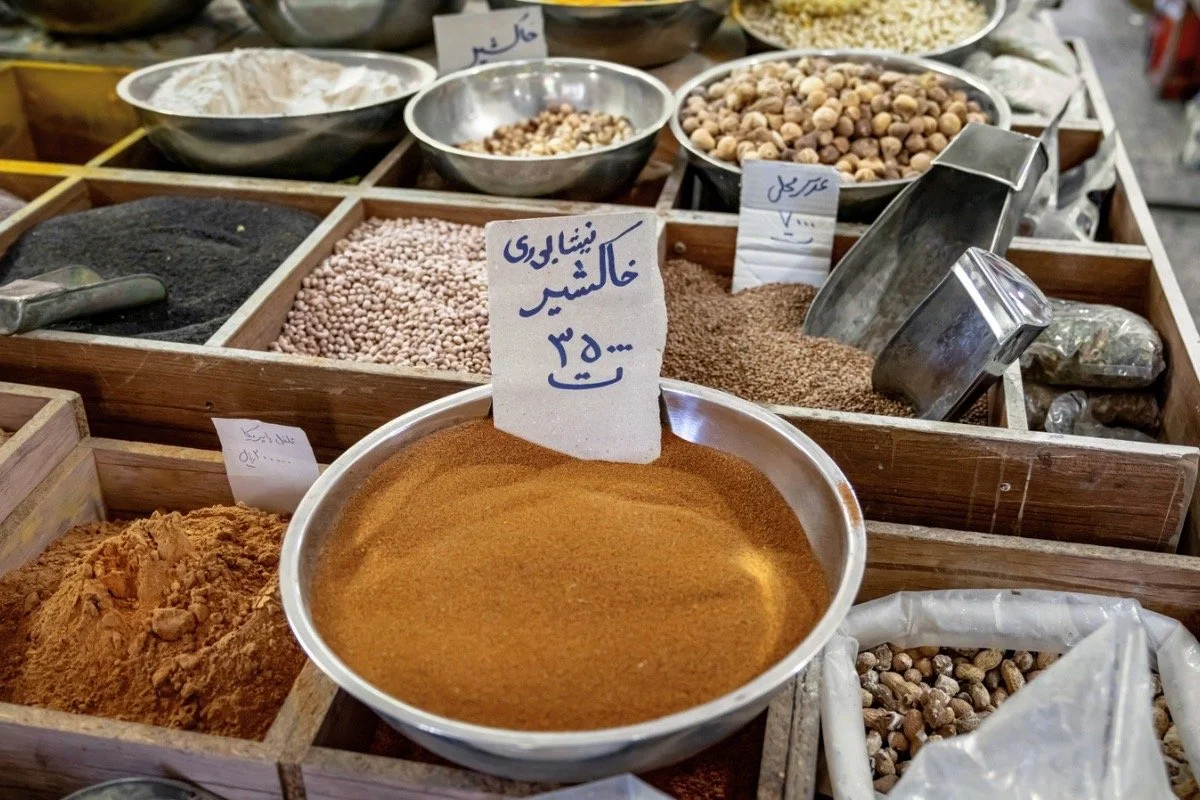
Markets as archives, where flavor carries history forward.
Cultural Continuity in Everyday Acts
What gives food its power in Kamali’s world is its ordinariness. Meals are prepared not as statements, but as necessities. Yet within that necessity lies persistence. Cooking, sharing, and remembering flavors become ways of holding onto identity when external structures are unstable. This quiet continuity is not framed as rebellion, but it is meaningful nonetheless.
Why Food Matters Here
Kamali avoids romanticizing Iranian culture through food. The dishes in The Lion Women of Tehran are lived-in and functional, carrying feeling without spectacle. They connect women across generations, across geographies, and across moments of rupture.
Food does not explain the characters’ lives—but it accompanies them. And in that accompaniment, it preserves something essential: memory lived through the body, memory that lingers long after the book is closed.
Tasting the Story: Shirazi Salad
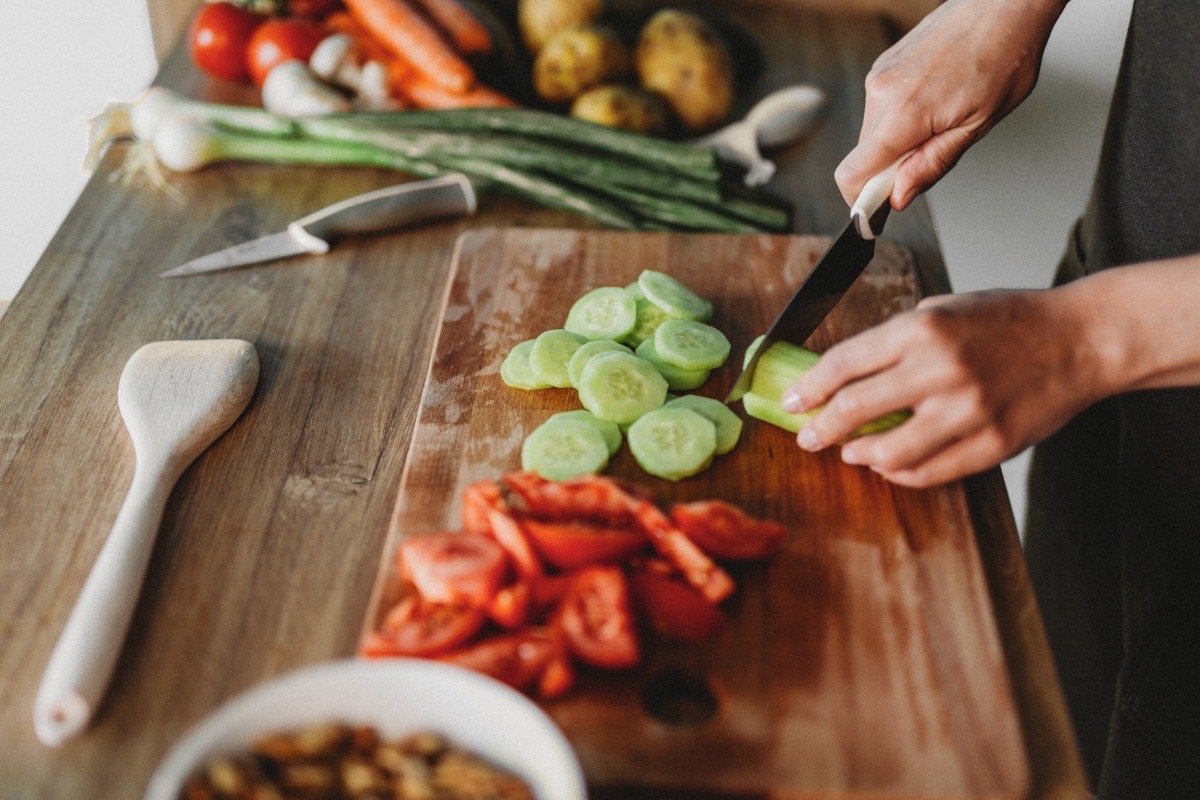
Knowledge passes hand to hand before it ever reaches the table.
One of the simplest yet most evocative dishes associated with Iranian cuisine — and echoed in the novel’s spirit — is Shirazi salad. Bright, fresh, and unpretentious, it embodies the generosity and warmth that define Iranian hospitality.
Ingredients
Ripe tomatoes, finely diced
Persian or English cucumbers
Red onion, minced
Fresh mint
Olive oil (optional)
Lemon juice (or sour orange juice)
Salt and pepper
This salad doesn’t overpower — it refreshes. Much like The Lion Women of Tehran, it lingers quietly, leaving an impression far greater than its simplicity suggests.
The Importance of Food in Literature
Food in literature is rarely just sustenance. It is memory made edible. In The Lion Women of Tehran, Persian cuisine becomes a vessel for longing, belonging, and love — connecting generations of women through shared rituals and unspoken understanding.
Reading this novel reminded me that stories are not only read; they are tasted, smelled, and remembered. And sometimes, the most powerful way to understand a culture is not through explanation, but through a meal offered with open hands.