The Lion Women of Tehran by Marjan Kamali
On a friendship that outlasted three revolutions and one unforgivable afternoon.
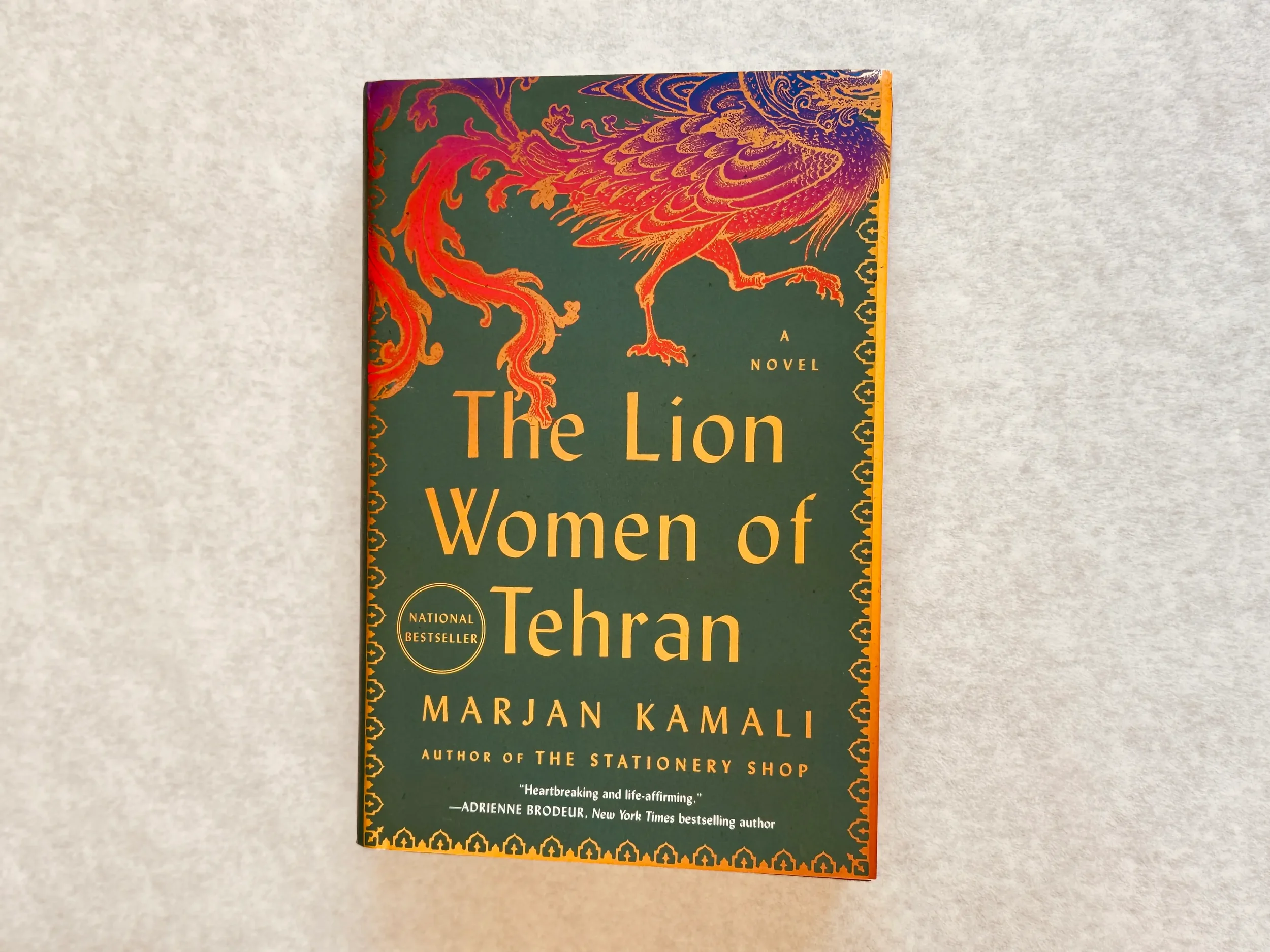
The Lion Women of Tehran book cover by Marjan Kamali
Tehran, 1953. Two seven-year-old girls meet on a school bench, on opposite sides of a class divide neither of them chose. Homa gives Ellie a small bird charm on a necklace. Ellie wears it for years—until she doesn't.
That necklace outlasts almost everything that comes after it.
A Friendship Measured in Distance
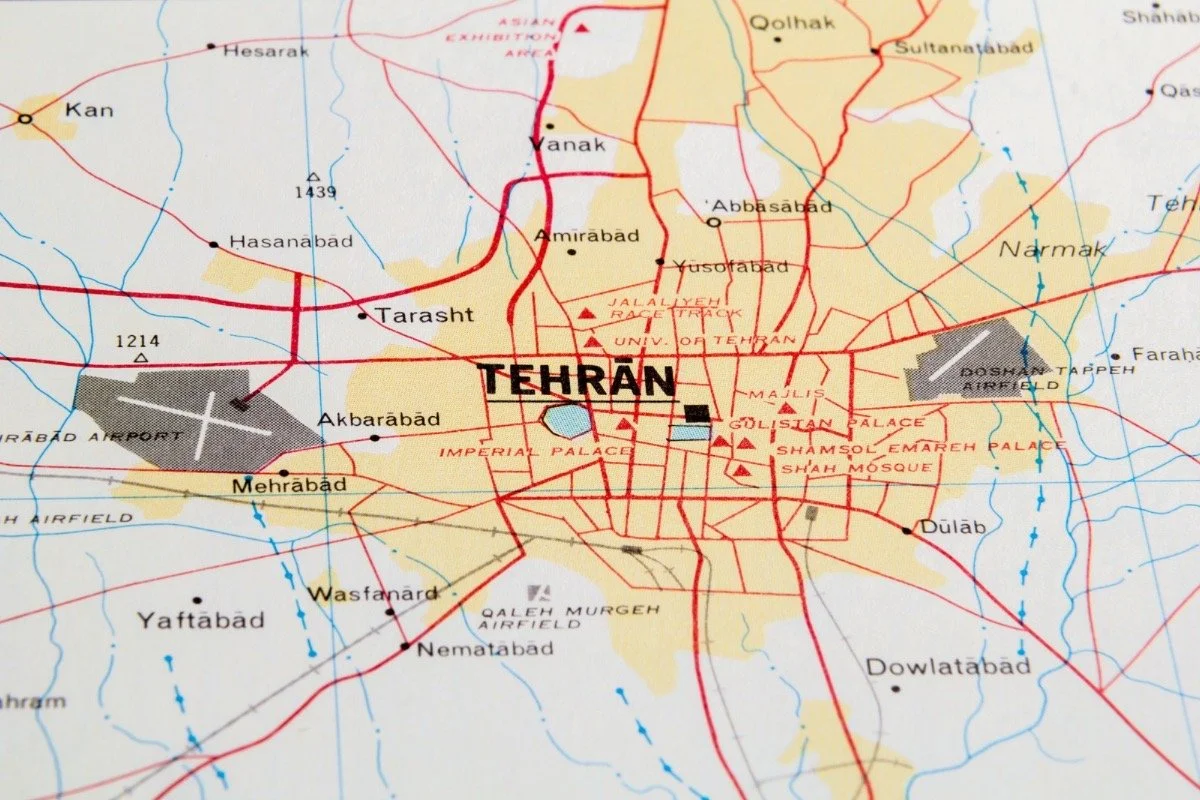
Ellie's family, recently reduced to poverty after her father's death, shares little with Homa's world except the same cramped downtown Tehran neighborhood. When Ellie's fortunes recover, and she's absorbed back into elite society—new school, new friends, a new name for herself, Elaheh the Beauty—Homa stays exactly where she started: the daughter of a man imprisoned after the 1953 coup, sharpening into the activist she was always going to become.
The two lose touch. Ellie tucks the bird necklace into a jewelry box and tells herself childhood friendships are meant to be temporary.
The Betrayal, and What Caused It
Years later, Ellie's own carelessness—a casual remark to a colonel, made from jealousy dressed up as ordinary conversation—puts Homa's activism in front of the state. Kamali doesn't stage this as villainy. The colonel doesn't torture the information out of Ellie. He flatters it out of her, in a conversation that must have felt, at the time, like nothing at all.
That's the novel's sharpest argument: authoritarian systems don't need dramatic cruelty to do their worst damage. They need an ordinary human weakness, and the patience to wait for someone to hand it over voluntarily.
What Survives Three Revolutions

The friendship doesn't end there, even though it's tempting to assume it should. Across the 1953 coup, the 1979 revolution, and decades of separation, imprisonment, and exile, Ellie and Homa's bond keeps reappearing—a letter reaching New York from Tehran in 1981, a reconciliation neither of them was owed, but both chose anyway.
By the end of the novel, Homa writes to her own granddaughter, urging her toward freedom rather than success, and closing with two words that carry the weight of everything survived to get there: love madly.
What the Necklace Was Holding
A small bird charm, worn for a while and then put away, was never about the object itself. It was a tangible reminder that their friendship had been real before either woman had reason to doubt it—evidence that survived even the years neither of them could stand to look at each other directly.
Seventy years of coups and revolutions couldn't undo what started on that school bench.
Further Reading: On Ordinary Choices with Enormous Weight
These pieces follow the same idea in different forms—the most consequential betrayals and reconciliations rarely arrive as dramatic gestures; they accumulate in small, ordinary decisions instead.
→ Iranian Food, Memory, and The Lion Women of Tehran: A companion read on how food functions as inheritance in the same novel—memory carried at the table, not just across decades.
→ What Neither Curse Could Give Them: A different kind of survival across distance and time—what it costs to be truly known, rather than just remembered.