Food in Literature: Cultural Memory in The Bastard of Istanbul
Turkish and Armenian cuisine in The Bastard of Istanbul, symbolizing food and cultural memory.
In The Bastard of Istanbul, Elif Shafak transforms food into a powerful narrative device. More than nourishment, meals become vessels of identity, memory, and belonging. Through richly described dishes and shared kitchens, the novel demonstrates how food in literature can preserve histories that politics often complicates or silences.
Set between Istanbul and the Armenian diaspora, The Bastard of Istanbul follows Asya Kazancı and Armanoush Tchakhmakhchian as they navigate questions of heritage and truth. While political tensions shape the backdrop, it is food and memory that carry the story’s most intimate revelations.

Stuffed pepper dish reflecting preservation of Armenian food traditions
The Kitchen as Cultural Memory
Within the Kazancı household, cooking is vibrant and communal. Turkish dishes arrive layered with humor, superstition, and ritual. Here, Turkish cuisine is not simply sustenance—it is performance, continuity, and identity.
Every meal reinforces belonging. Recipes are repeated, gestures remembered, flavors perfected. The kitchen becomes a living archive where cultural knowledge survives through practice rather than proclamation.
In this way, Shafak shows how cultural food stories function as intergenerational bridges, grounding characters in traditions that resist erasure.
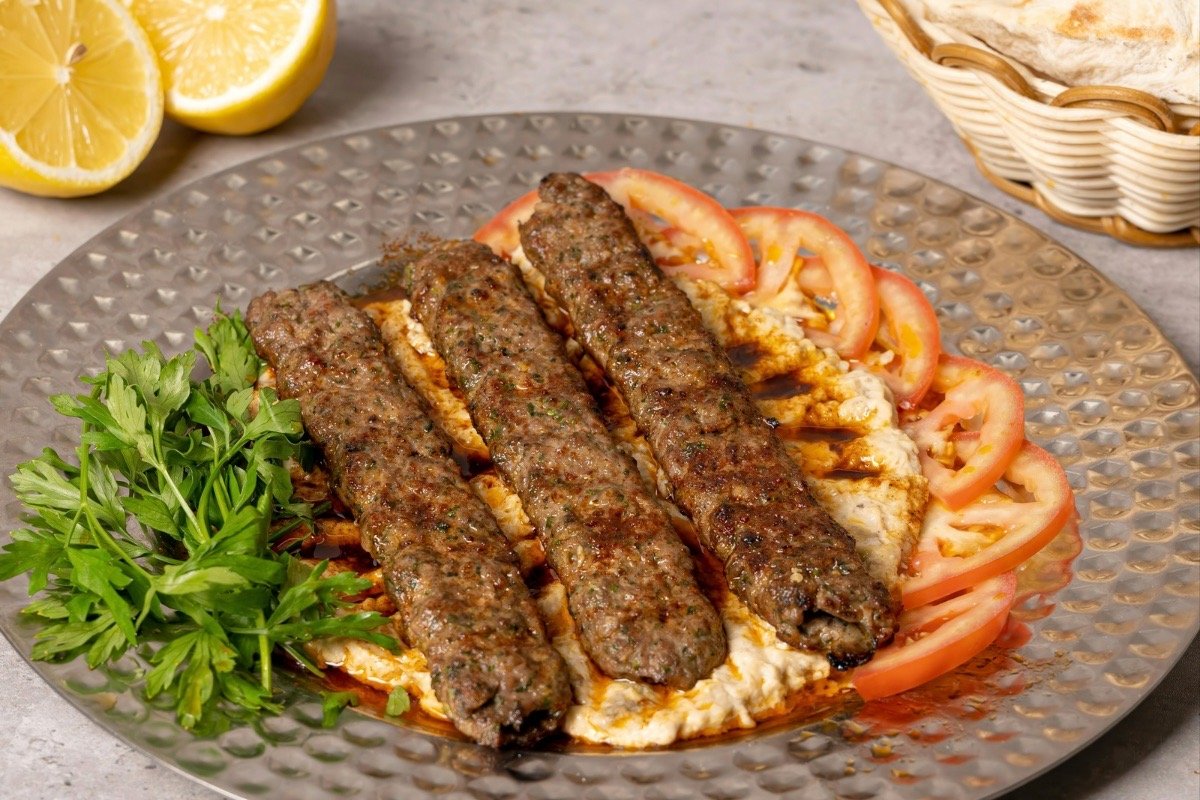
Kebab dishes shared across Turkish and Armenian cuisine reflect intertwined histories preserved through food and memory.
Armenian Cuisine and the Preservation of Memory
For Armanoush, Armenian cuisine carries inherited remembrance. Dishes prepared in diaspora kitchens preserve stories that official histories have often left unspoken.
Cooking becomes an act of quiet resistance. Each recipe safeguards lineage; each shared dish affirms survival. Through taste and texture, Armanoush reconnects with ancestral memory, demonstrating how food and memory intertwine to protect cultural identity.
This culinary preservation echoes other literary explorations of diaspora and identity — as seen in our reflection on Iranian food and memory in The Lion Women of Tehran, where recipes likewise function as vessels of cultural continuity across displacement.
In The Bastard of Istanbul, food is not nostalgic decoration — it is testimony.
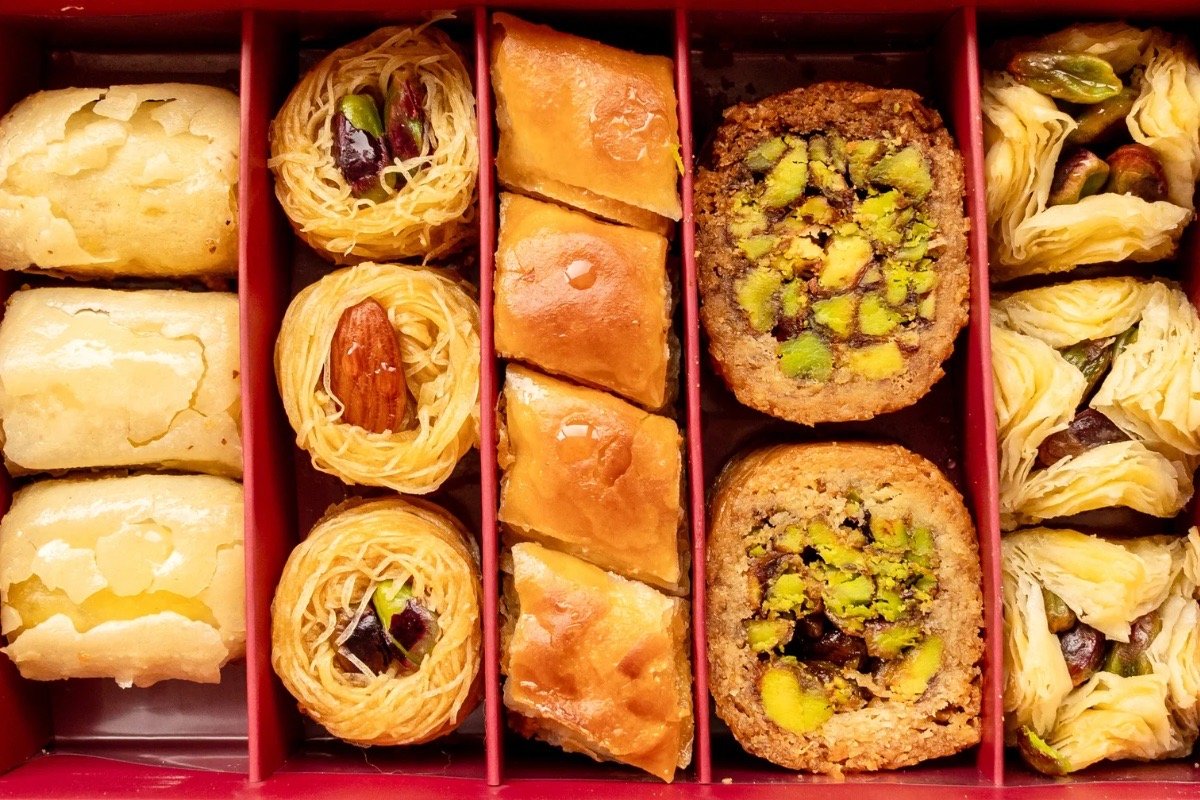
Baklava representing shared Turkish and Armenian culinary history
Turkish and Armenian Cuisine: Shared Flavors, Interwoven Histories
One of the novel’s most striking insights lies in its portrayal of Turkish and Armenian cuisine as deeply intertwined. Similar spices, shared cooking techniques, and overlapping dishes reveal centuries of coexistence.
Food becomes a meeting ground where division softens. Political borders may attempt separation, but flavors tell a more complex story—one of exchange, influence, and shared history.
Through these culinary parallels, Shafak expands the conversation about food in literature, suggesting that taste can reveal truths that historical narratives obscure.
Storytelling Like a Recipe
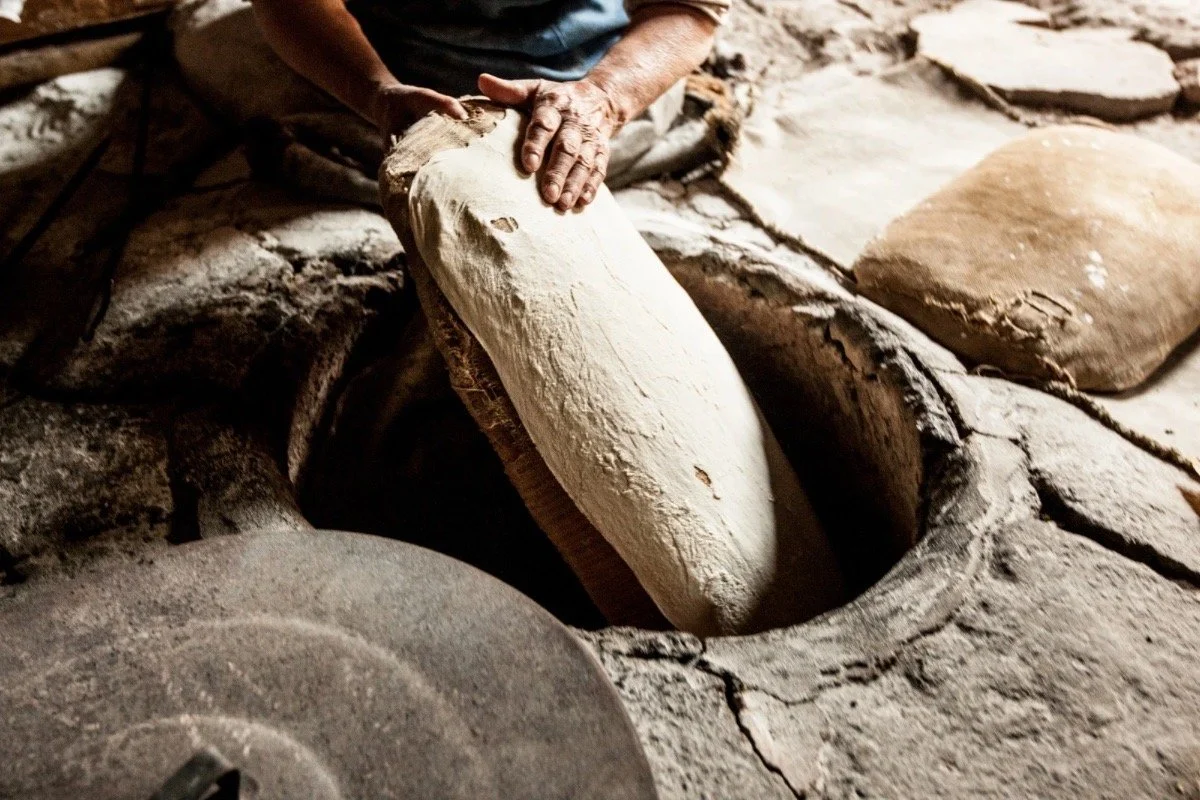
Shared Turkish and Armenian dishes reflect the intertwined histories at the heart of The Bastard of Istanbul.
Shafak structures the novel like a carefully layered dish. The narrative blends humor and sorrow, realism and mysticism.
Characters such as Mr. Bitter and Mrs. Sweet embody flavor as metaphor, reinforcing the novel’s sensory language.
Sweetness and bitterness coexist—just as memory holds both joy and pain. This stylistic choice deepens the theme of cultural food stories, where emotional contrast mirrors culinary balance.
The storytelling feels cooked rather than constructed.

Family sharing a meal symbolizing food as cultural memory in The Bastard of Istanbul
Food as Coexistence
At its core, The Bastard of Istanbul presents food as a pathway toward empathy. Shared meals create space for acknowledgment without demanding agreement
Shafak suggests that coexistence begins in the everyday—in preparing, offering, and tasting. Through food, history becomes human.
In this novel, the most enduring stories are not only told. They are cooked, shared, and remembered.
FAQ’s
How is food used in The Bastard of Istanbul?
Food symbolizes memory, identity, and cultural continuity, connecting Turkish and Armenian histories.
Why is Turkish and Armenian cuisine important in the novel?
Their shared culinary traditions highlight intertwined histories and challenge narratives of separation.
What role does food and memory play in literature?
Food often preserves cultural identity and transmits history across generations.