What to Eat While Reading The Women
Three dishes for the men who shape Frances McGrath—and the one worth cooking twice.
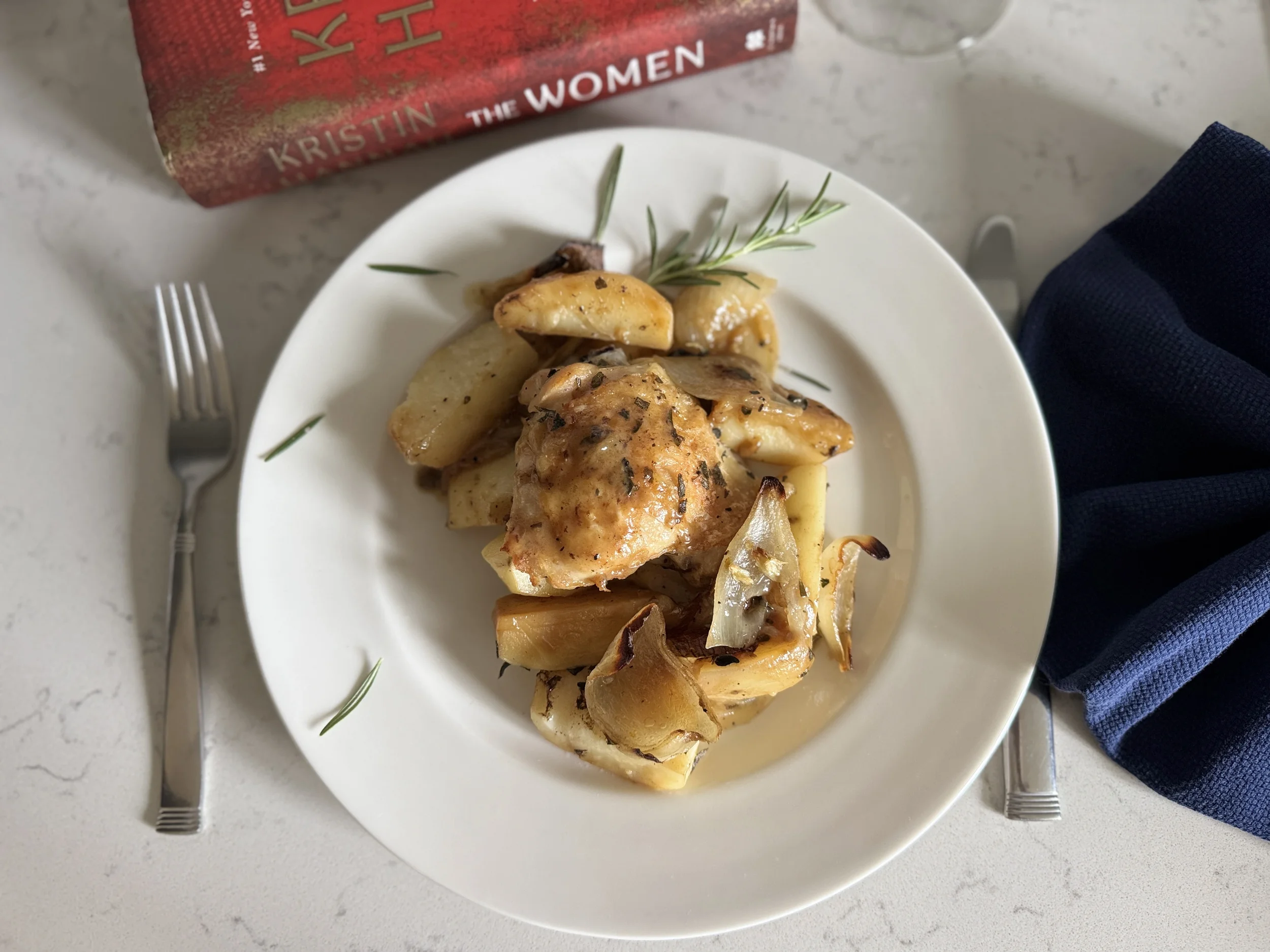
The meal that says you're home now.
Frankie McGrath walks into her bungalow before she sees him. She smells him first: onions gone soft in the pan, potatoes catching color in the drippings, rosemary cutting through the rest. Nothing dramatic happens in the scene. It's the first time in the novel that ordinary life feels possible again—and it's the moment many readers carry out of the book with them, long after the harder chapters have blurred.
This is not a review. The Women has already earned one here. This is the meal beside the reading—the plate that carries you through the chapters that ask the most. Frankie survives the men in this book more often than she is loved by them. These are the three pairings that linger longest.
Roasted Chicken, Potatoes, and Onions For Henry.
For the meal that says: you're home now.
Henry's dish grounds the novel, and it should ground the reading too. It never performs. It simply arrives, night after night, long after the men who announced themselves have gone. That restraint is the entire character.
Prep Time: 15 minutes · Cook Time: 45 minutes · Serves: 4
Ingredients:
4 bone-in chicken thighs
2 ½ teaspoons kosher salt
3 tablespoons olive oil (or avocado oil)
1 large sweet onion, peeled and quartered
3 garlic cloves, peeled and smashed
⅓ cup low-sodium chicken broth
⅓ cup white wine
3 tablespoons lemon juice (ideally from one fresh lemon)
6 potatoes, peeled and quartered
Fresh oregano and rosemary, chopped, for garnish
Freshly ground black pepper
Instructions:
1. Preheat the oven to 425°F. Pat the chicken thighs dry.
2. Combine the salt with chopped rosemary, oregano, and pepper. Season the chicken thoroughly.
3. In a large cast-iron skillet, brown the chicken in 2 tablespoons of olive oil on both sides. Remove and set aside.
4. Add the remaining oil to the skillet with the onions; cook one minute. Add the potatoes, let them color slightly, then add the garlic for a final minute.
5. Return the chicken to the pan. Add the broth and wine. Once it steams, transfer the skillet to the oven.
6. Roast 40–45 minutes, until the chicken is cooked through, and the potatoes are tender.
7. Finish with fresh lemon juice and a scatter of oregano. Serve directly from the pan.
Pair with the chapters 27th after Frankie comes home—when the hardest thing left in the room is sitting still with someone.
Buttermilk Biscuits, Split and Buttered For Jamie.
For love that ends before it's ready to.
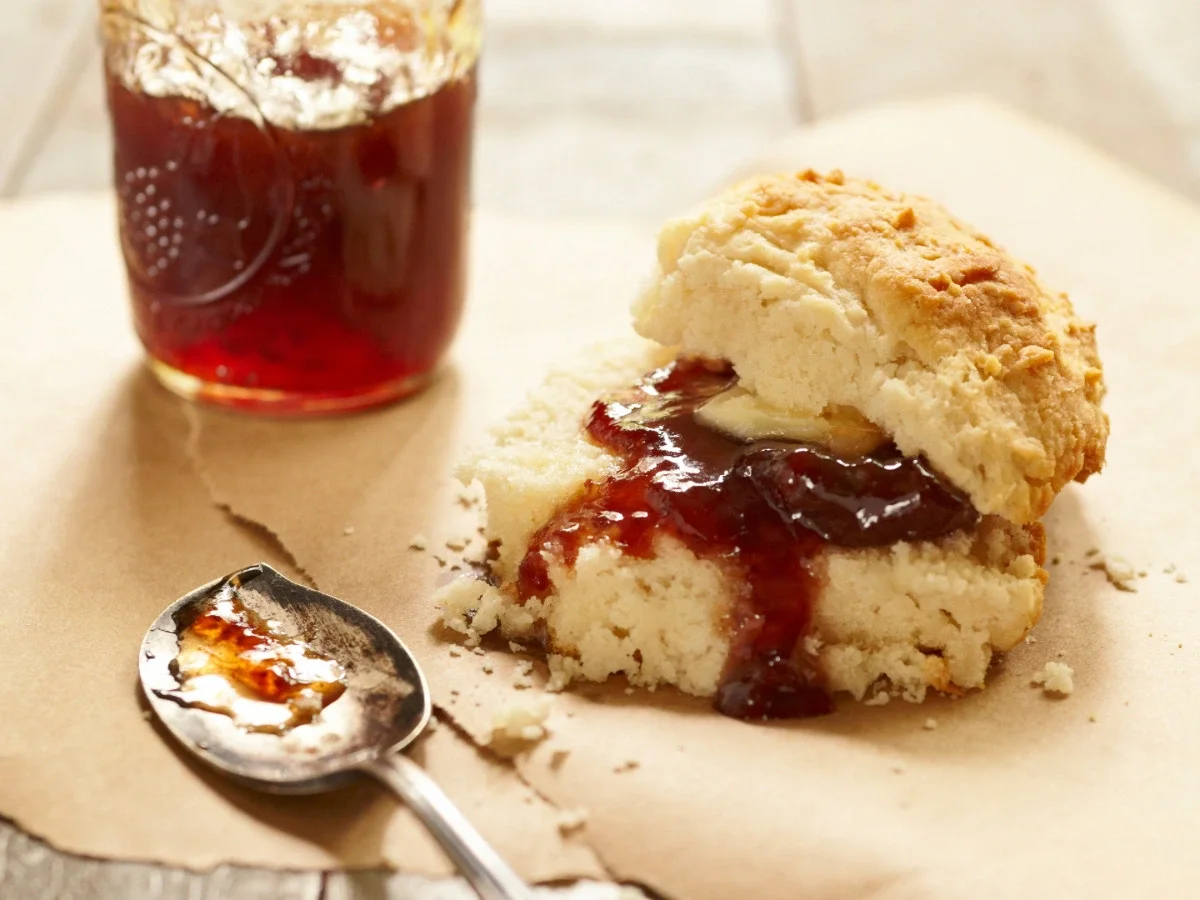
Gentle enough to hold onto, because that's what he was.
Jamie is gentleness in a place with almost none to spare. A recipe here would miss the point. Warm biscuits split open, butter melting before they reach the plate, a thread of honey across the top. Something gentle enough to hold onto, because that's what he is.
Pair with the chapters at the 10th, before you know how little time he has left.
Baby Back Ribs, Smoked Every Fourth of July
For Connor. For the traditions that made room for everyone—until they didn't.
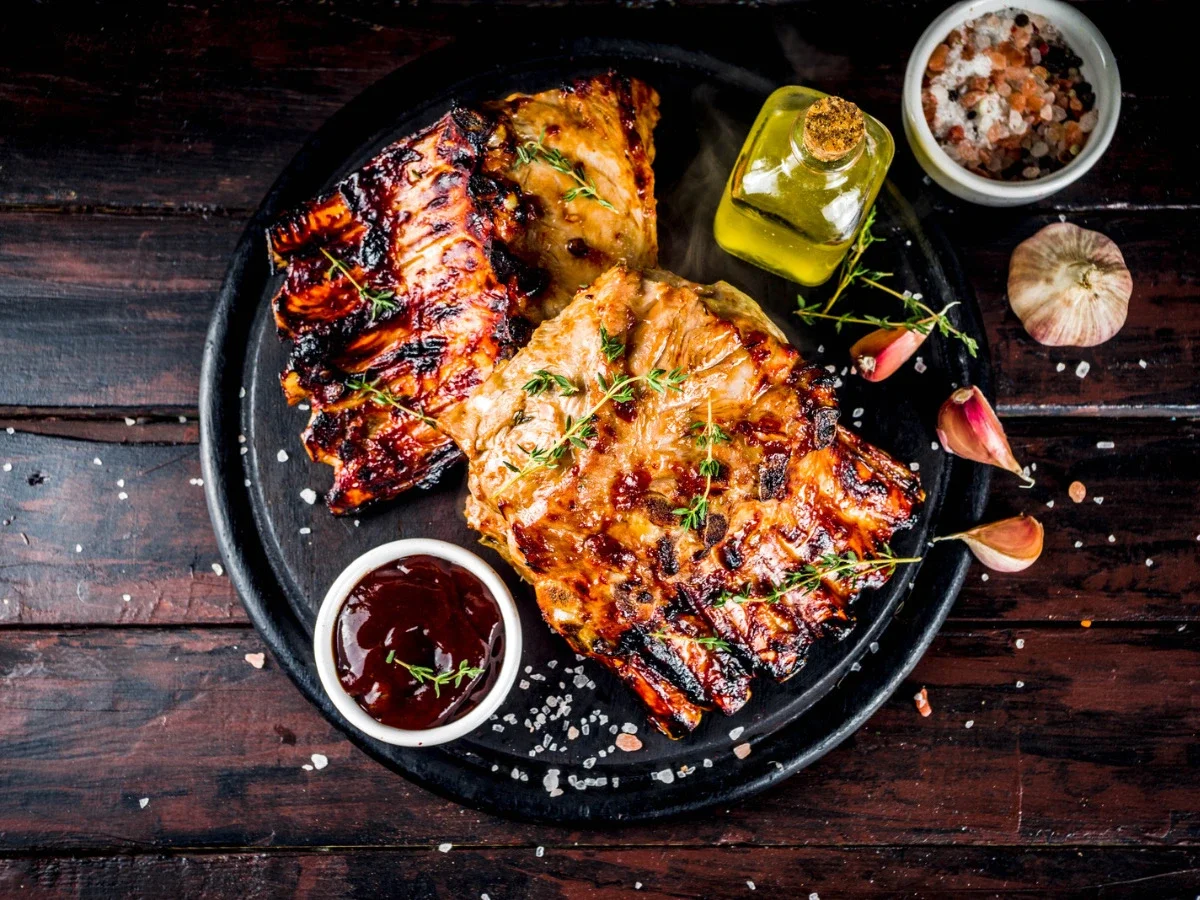
A ritual that made room for everyone—until it didn't.
Frankie's father built a fortune with his own hands and spent the rest of his life deciding whose sacrifice counted. Every Independence Day, the McGraths gathered around his barbecued ribs, the kind of meal that becomes family ritual simply because it happens every year. After Vietnam, those traditions remain, but Frankie no longer fits inside them the way she once did. His pairing isn't about comfort. It's about inheritance, belonging, and how quickly both can become conditional.
Pair with the chapters at the 26th before Frankie comes home to a family that no longer knows where to place her.
Finley leaves the novel early, but through Frankie's memories he never really disappears. Rye stays the longest: charismatic enough to make that first conversation unforgettable, and dishonest enough to cost her something she never fully gets back. Some men in this book are better held in a slice of toast spread with peanut butter, or a drink left unfinished than in a full meal.
Pairing food to The Women was never about giving every man a dish. It's about choosing which moments belong at the table.
Further Reading: On Food, Grief, and What Gets Carried Forward
These stories look at meals as a language for what's difficult to say outright—memory, distance, and the different registers love can take.
→ The Women—Book Review: Our August book pick—on Frances McGrath, a combat nurse sent home to a country that insists women were never in Vietnam, and what it costs to be written out of the record.
→ What to Eat While Reading Minbak: Three dishes for three generations of women sharing one room, and the meals that carry what none of them can bring themselves to say aloud.
→ What to Eat While Reading Wild Dark Shore: A pairing built for the novel's quiet intensity—simple, warming food for a story about grief and what survives it.
→ The Table as Connection: How Shared Meals Build Emotional Intelligence: On the shared table as one of the oldest emotional practices we have, and why it still asks something specific of the people who sit down at it.