On the women's history that asks us to forget.
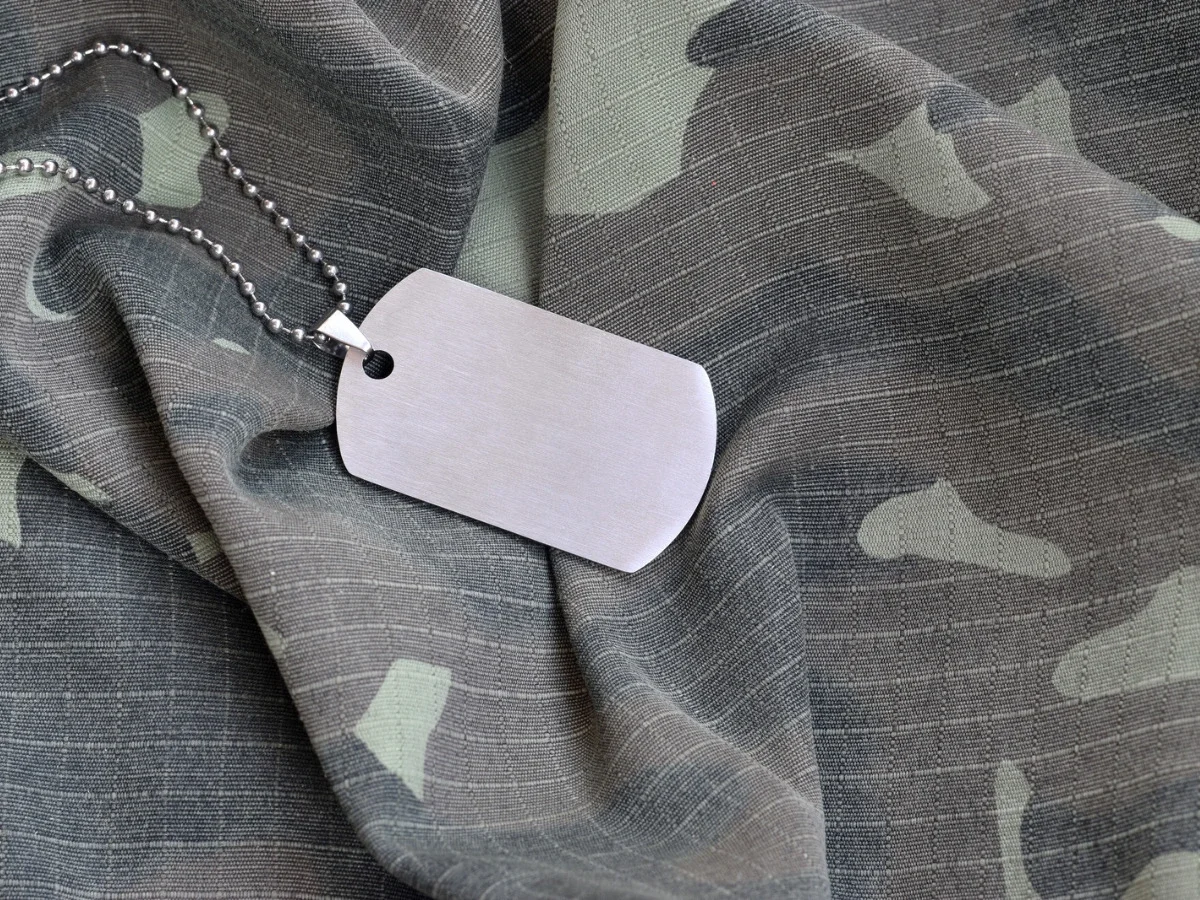
No name stamped in the metal—a fitting image for a service the record never quite made room for.
In The Women, Kristin Hannah follows Frankie McGrath, a young nurse who enlists in Vietnam almost on impulse, driven less by conviction than by a need to matter in a family that has always measured worth through military service.
What follows is not only a war story. It is a story about what happens after the recognition ends.
Frankie returns to an America that insists women did not serve in Vietnam. The war she survived is difficult enough to carry; being told it did not happen to her is something else entirely.
Although The Women is fiction, it draws on the documented service of American women, particularly nurses, whose work during the Vietnam War was long overlooked in the public memory.
Frankie McGrath: Competence Without Credit
Frankie does not arrive in Vietnam as a hero. She arrives uncertain, determined to prove herself, and gradually discovers that courage has less to do with dramatic moments than with showing up, shift after shift, when other people's lives depend on you.
She becomes exceptionally good at her job during the worst moments of other people's lives. Night after night, she learns what competence looks like under pressure.
Yet none of that service follows her home in a form her country readily recognizes.
She is not confronted with open hostility as much as polite disbelief, repeated in the familiar refrain: "There were no women in Vietnam."
The violence of that sentence is not only that it is false. It asks Frankie to doubt the reality she lived.
When Honor Has Conditions
For Frankie's family, military service is a legacy passed from one generation to the next. Her ancestors and uncle served, and military duty has become part of the family's identity, not simply its history.
Rye is the first to tell Frankie that women can be heroes too. The thought takes root, and she enlists partly because she wants a place on her family's wall of military honor.
When she comes home, her parents tell people she has been studying abroad in Florence, keeping her service out of the family story.
The contradiction is difficult to miss. The family has made military service a measure of honor, then finds a way to exclude Frankie's service from that honor.
What she thought was a legacy turns out to be conditional.
Barb and Ethel: The Record Nobody Filed

Long after the history books move on, it's the letters that keep the story alive.
If the country won't remember what Frankie did, her friends will.
Alongside Barb and Ethel, Frankie finds more than friendship. She finds witnesses.
Their friendship gives the novel another way to think about history: not only as something preserved in official records, but as something carried by the people who were there.
What the three women build under extraordinary pressure: competence, dark humor, trust, and a knowledge of one another that doesn't need explaining—becomes its own record.
Memory survives in less official places: around dinner tables, in letters and photographs, in the stories people continue telling after history books have moved on.
What We Choose to Remember
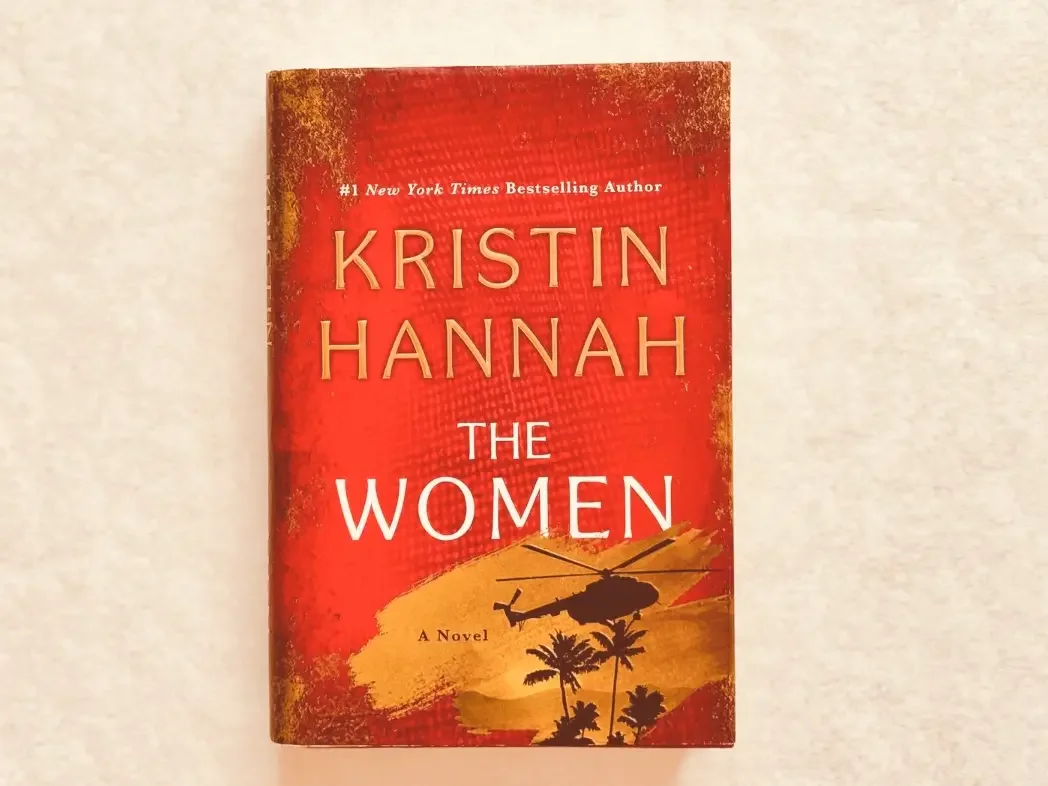
who gets remembered, and who doesn't.
The novel's larger question is not simply why women were overlooked. It is what happens when forgetting becomes part of the story a country tells about itself.
Frankie's experience is a particularly stark version of something history does repeatedly. Work disappears. Names disappear. The people who carried the burden remain absent from the version of events that survives.
And once a story has been omitted for long enough, its absence can begin to look natural.
The Women is interested in what it takes to make that absence visible again.
Frankie does not need anyone to invent her history. She needs them to acknowledge that she was there.
And sometimes being remembered begins with something as simple as refusing to let someone tell you that you weren't.
Further Reading: On Service, Memory, and Who Gets to Be Remembered
These pieces explore what gets preserved, what gets erased, and who carries the truth when the official record doesn't.
→ Minbak: Ela Lee's Novel of Secrets, Silence, and Three Generations: On the family stories that get quietly rewritten to protect an image—and what it costs the generation left holding the truth.
→ Wild Dark Shore: A Literary Novel on Family, Survival, and Grief: A companion piece on isolation and inheritance—how grief gets carried differently across a family, and what survival asks of the people left to remember it.
→ Why Women Are So Good at Hiding It: On the quiet discipline of composure—and what it costs to make invisibility look effortless.