Minbak Review: Ela Lee's Novel of Secrets, Silence, and Three Generations
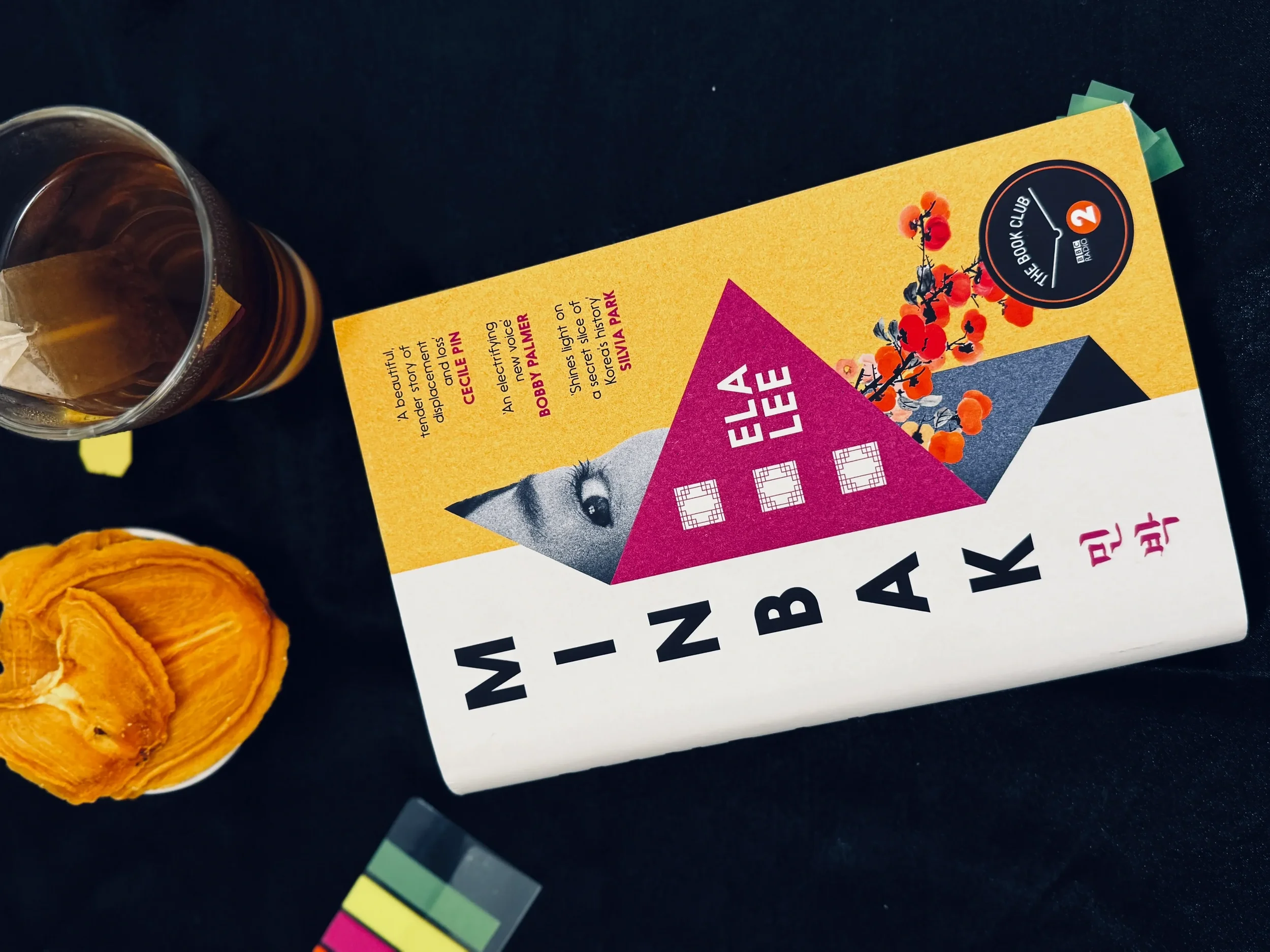
What happens when the walls of your home stop being yours, and the people you have been protecting can finally see in?
Minbak by Ela Lee is one of those novels that arrives quietly and stays. Spanning 1980s Incheon and 2008 London, it follows three generations of Korean women, Youngja, Hana, and Ada, whose lives are bound by secrets kept in the name of love and slowly unraveled by the intimacy of having nowhere left to hide.
I read it slowly, and it rewards that pace.
Lee writes with spare, lyrical precision. Her sentences carry the weight of what her characters cannot say, and her images linger. A minbak, a Korean homestay, is a guesthouse carved out of a family home where the private becomes unavoidably public. Lee uses this not just as a setting but as the novel’s central idea. What does it cost to protect the people you love? And what does it cost them?
What is Minbak About?
Incheon, 1985. A baby is born without a surname on the night the army rolls into town. Decades later, in London, tragedy forces Hana to open her home as a minbak, echoing her mother’s past.
Three women. One room. Nowhere left to hide. What unfolds is both a family reckoning and an excavation of a buried chapter of Korean history.

The House is as Mirror
Lee returns to the minbak across both timelines with quiet precision. In 1985, Youngja opens her home while under financial strain, pulling her daughter, Hana, out of school to help. In 2008, Hana, now Hannah Penny, does the same after her carefully constructed life collapses.
This repetition is not a coincidence. It is an inheritance. The minbak dissolves the boundary between what is shown and what is hidden. Privacy, once surrendered, becomes revelation. What was contained begins to surface, not all at once, but inevitably.
Youngja: The Weight of What She Carried
Youngja is not easy to read. She expresses her pride, resourcefulness, and love through silence.

By the time we meet her in London, she is living with Alzheimer’s disease. Her memories fragment, but what she has spent a lifetime suppressing begins to emerge with unsettling clarity.
Lee handles this with restraint. Youngja is not diminished by her illness. If anything, she becomes more legible, the past pressing forward as the present recedes.
Her influence on Hana is not spoken of. It is absorbed. Hana has learned, with precision, that distance is safer than exposure.
Hana: When Protection Becomes a Prison
Hana is the novel’s most complex figure. To Ada, she is cold and unknowable. To her London neighbors, she is Hannah Penny, composed, distant, self-contained. Beneath that is a woman who has survived something she cannot name and built a life around ensuring no one gets close enough to ask.

Ela Lee does not simplify Hana. Hana is withholding out of fear, not cruelty.
There is a quiet tension in watching her give Ada everything she never had, stability, education, safety, while withholding the one thing Ada wants: truth.
Like many characters shaped by survival, Hana mistakes control for protection. The novel makes clear that love built on concealment is still a form of harm.
Ada: The Daughter Who Insists on Knowing

Ada is the force that shifts the novel. She has spent her life adapting to Hana’s silences, learning to read moods, to perform, and to stay within invisible boundaries. Proximity changes that. Grief changes that. In the confined space of the minbak, she begins to ask questions.
What she uncovers is not just personal, but historical: the reality of Korean “paper orphans,” children displaced through foreign adoption under conditions shaped by poverty, shame, and systemic pressure.
Ada’s strength is not just her persistence, but her tenderness. Her care for Youngja, patient and present, contrasts with Hana’s emotional distance. Her search for truth is not separate from her love. It is the clearest expression of it.
How Each Woman Shapes The Others
What Lee captures with precision is how behavior moves across generations without ever being explained.
Youngja’s silence teaches Hana that feeling is dangerous. Hana’s distance teaches Ada that love must be earned. Ada’s refusal to accept that begins to break the pattern.
These influences accumulate slowly, like weather shaping a landscape. By the end, each woman’s choices feel inevitable, not because they are right, but because they are learned.
The Cultural Undercurrent
Minbak is also a novel about displacement.
Hana leaves Korea and becomes Hannah Penny. From the outside, her life appears fully assimilated. But the past does not translate so easily.
The minbak reappears in London as if the country she left had followed her.
Lee, who writes from a British-Korean perspective, avoids both nostalgia and detachment. Korea is not romanticized. London is not neutral. Both are spaces where these women exist slightly out of place.
The Intimacy of Shared Space
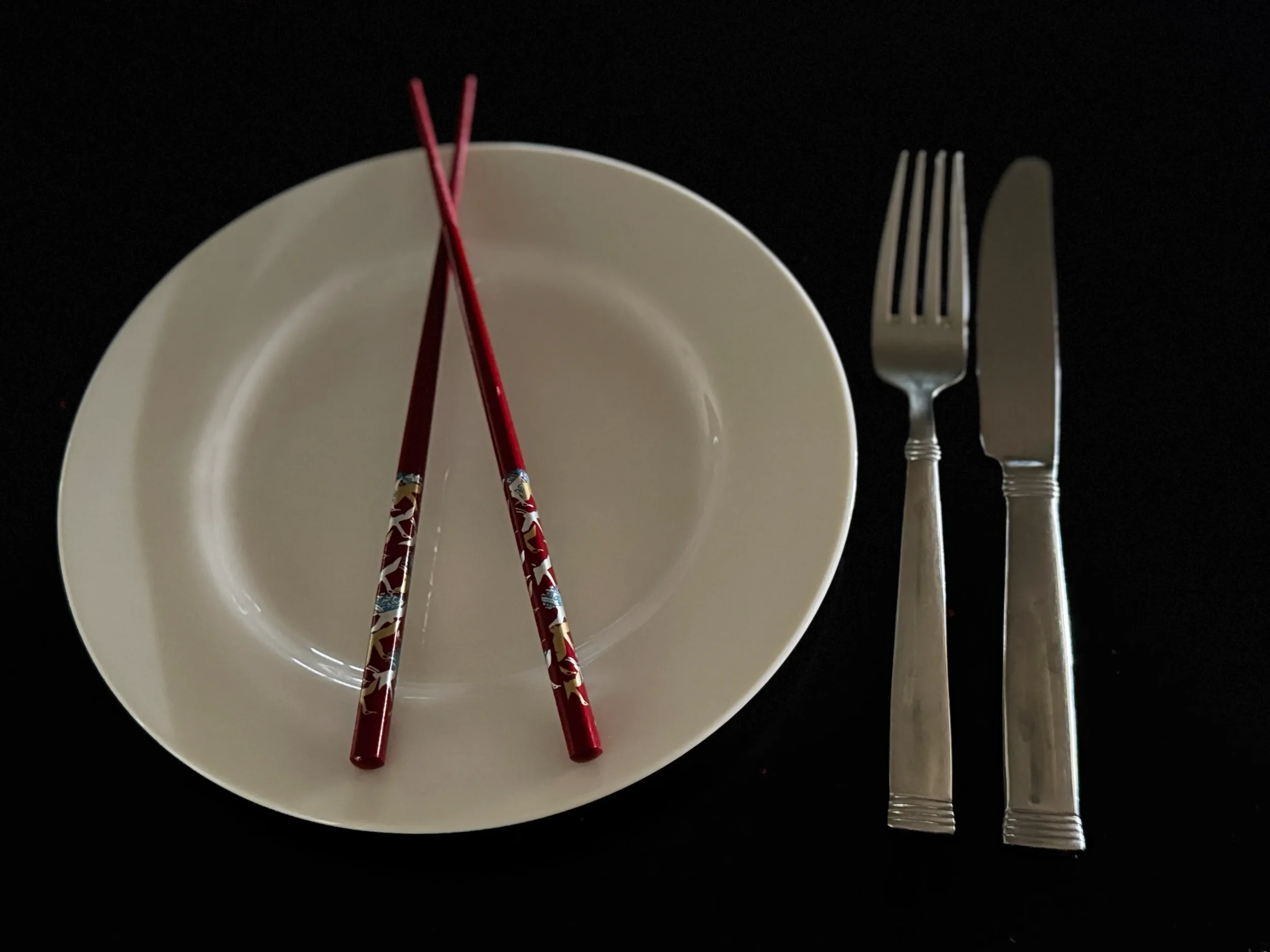
The novel understands something simple and powerful. Proximity creates truth. Three women, one room. No exits. Meals become moments of exposure. Not dramatic ones, but ordinary ones. In their repetition, they strip away performance.
Food, in Korean culture, carries meaning beyond sustenance. It is care made visible. When Youngja cooks, she is communicating in the only language she has. Ada begins to understand. Hana resists it. The tension between those responses says everything.
Is Minbak by Ela Lee Worth Reading?
What lingers is not just the plot, though it is quietly propulsive. It is the emotional truth at the center.
The people we try hardest to protect are often the ones we keep at the greatest distance. Secrets kept in the name of love still withhold. Being fully seen by a mother, a daughter, or a grandmother can feel both unbearable and necessary.
For readers drawn to multigenerational stories, diaspora narratives, and complex mother-daughter relationships, Minbak is a novel that invites slowly reading.
And, as May marks Asian Pacific American Heritage Month, it also feels like the kind of story worth sitting with now in particular.
FAQ About Minbak by Ela Lee
What is Minbak about?
A multigenerational story following three Korean women across two timelines, exploring family secrets, identity, and buried history.
What themes does it explore?
Generational trauma, silence within families, immigration and identity, and the cost of emotional protection.
Is Minbak based on real history?
The novel highlights South Korea’s adoption policies during that timeframe.
Further Reading
The Table as Connection — on what happens when people are forced to share a space and cannot look away
Wild Dark Shore — April Book Review — another novel about survival, grief, and the radical act of letting someone in
Dysfunctional Families in Literature and Emotional Intelligence — how the stories we read shape our capacity for empathy