What This Year's Fiction Keeps Noticing
On what fiction notices before language catches up.
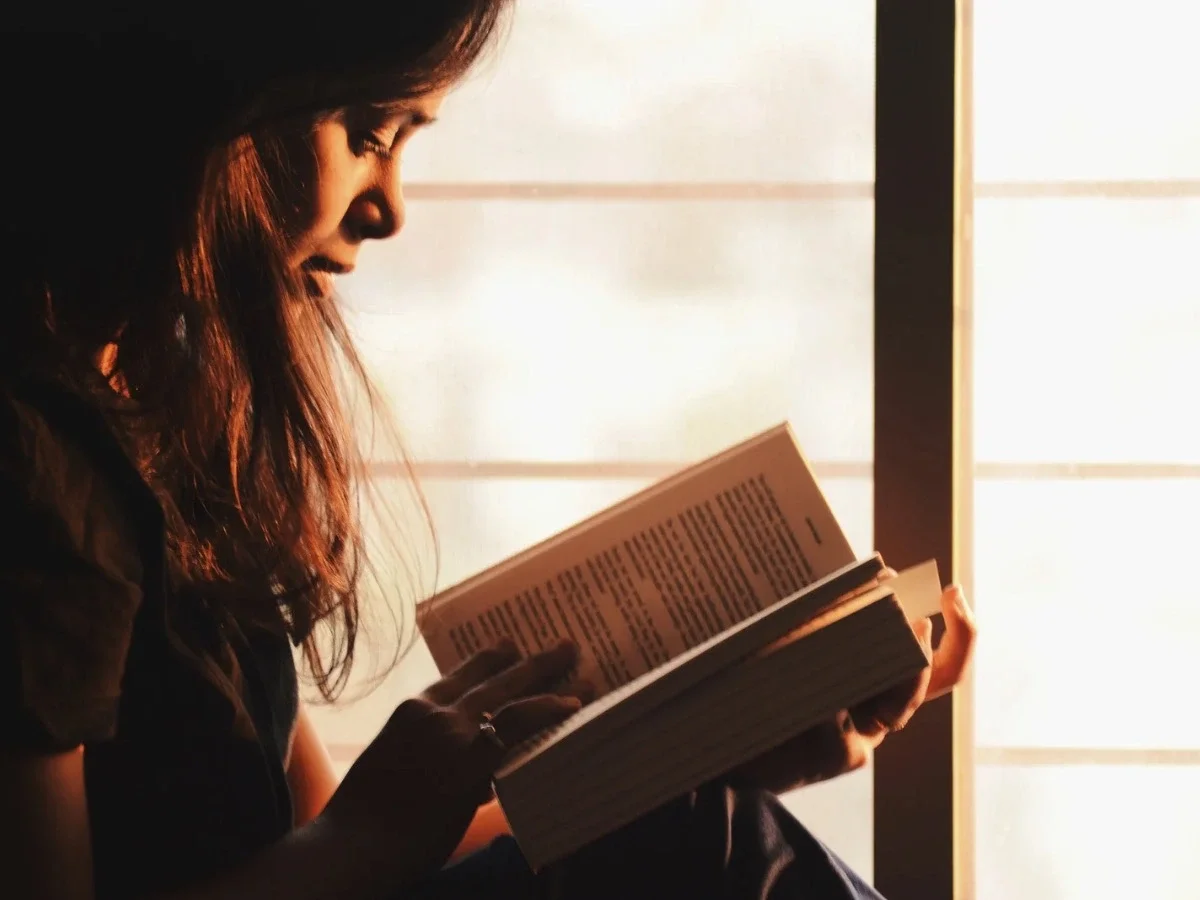
Fiction noticed the emotional climate of 2026 before anyone else did.
This year's fiction keeps noticing something about the present that's easy to miss.
Not connection, but the appearance of connection. Not home, but the certainty of where it is. Not identity, but the performance of finally arriving at one.
Across these novels, something keeps surfacing beneath the stories themselves: the distance between being close to someone and being able to reach them.
Contact Without Understanding
The recurring anxiety across these novels isn't isolation. It's proximity without intimacy—people who stay in constant contact and still become strangers to the ones closest to them.
Broken Country builds its tension on what stays unsaid: conversations avoided, timing missed, silence doing more work than dialogue. All Fours works the same problem from the opposite angle—a narrator capable of intense self-observation who still can't translate what she sees into certainty.
Broken Country and All Fours arrive at the same quiet correction from opposite directions, and neither leaves much room to disagree: saying the difficult thing doesn't automatically move anything. It just makes the difficulty easier to see.
Home Is Something Made, Not Inherited

The past is not behind anyone. It is already inside the present, quietly determining what is and isn't possible now.
Across these novels, home is rarely something people inherit intact. It has to be rebuilt, often somewhere new, after the original version has been lost, left behind, or made impossible to return to.
Minbak treats belonging as something continually made through memory, community, and the fragile work of starting again. In The Safekeep, the house becomes an archive that refuses to stay quiet about what it's kept. The Names carries that same inheritance into language and family, into the identities people are quietly expected to accept.
Older stories of displacement tend to look backward, toward what was lost. These three are more interested in what gets built once the inherited version of home stops being enough.
Where home was is no longer the interesting question. How it gets made, this time, is.
Identity as Negotiation, Not Arrival
These novels resist the familiar arc where a woman finally becomes herself by the last chapter.

Fiction pays attention to emotional realities long before they harden into consensus.
In All Fours, Miranda July keeps her narrator intensely self-aware without turning that awareness into resolution. Desire gets recognized without getting explained. Contradictions stay contradictions. The Names unsettles the link between identity and inheritance similarly, while Minbak treats belonging as something negotiated continually rather than discovered once, for good.
None of these books needed their women to arrive anywhere. They needed them to keep noticing where they were.
The Past Hasn't Passed
In these books, memory has stopped functioning as backstory. It works more like infrastructure: load bearing, mostly invisible, and difficult to renovate around.
In The Safekeep, history occupies domestic space and refuses to stay behind the people who inherited it. In Broken Country, the past determines what can and can't be said between people who love each other. Even Wild Dark Shore, set against environmental collapse and physical isolation, asks how inherited history keeps shaping what its characters believe is still possible.
Nostalgia treats the past as a place to visit. These novels treat it as a place no one ever actually left.
Six Novels That Never Talked to Each Other
Different authors, different countries, different literary traditions—and each one lands on some version of the same discomfort: closeness doesn't guarantee understanding, home must be built rather than received, and that a self doesn't have to resolve to be worth writing.
None of these novels were written in conversation with one another. That's what makes the overlap worth noticing. When six unrelated writers independently decide that accumulation is more interesting than resolution, that isn't a shared theme editors imposed after the fact. That's fiction registering something true about the present before anyone has found the language to say it directly.
The stories aren't ahead of anyone. They're just willing to sit in the part most people skip past.
Further Reading: On Fiction, Memory, and the Cultural Moment
These pieces explore the novels shaping this year's reading and what they reveal about identity, family, and belonging.
→ Minbak Review: Ela Lee's Novel of Secrets, Silence, and Three Generations: Three generations of Korean women, two timelines, one room—and the secrets that surface only when there is nowhere left to hide.
→ All Fours Review: Miranda July's Radical Novel of Marriage and Desire: A novel about the moment a life stops explaining itself cleanly and starts revealing what was there all along.
→ What Books About Dysfunctional Families Teach You About Real Relationships: A companion piece on The Names, The Safekeep, and Broken Country—read here through family dynamics rather than cultural climate.