How to Repair Your Skin Barrier Fast (3-step Spring Skincare Reset)

A simple 3-step spring skin reset: cleanse gently, repair your barrier, and protect daily for calmer, healthier skin.
Spring doesn’t ask you to become someone new—it asks you to shed what you no longer need.
Your skin feels that first. After months of cold air, indoor heat, and heavier routines, the barrier is often quietly compromised—tight, reactive, or breaking out in ways that don't quite make sense. This is not the moment to add more. It's the moment to refine.
A spring skin reset is not about chasing a glow. It's about restoring balance—gently, intentionally, with products that support the skin instead of overwhelming it.
Signs Your Skin Needs a Skin Barrier Reset
What worked in winter can quietly become too much in spring. Persistent dryness despite moisturising, sudden sensitivity or redness, breakouts from products that once worked, dull or uneven texture—these aren't problems to fix. They're signals to simplify.
The Spring Skin Reset Philosophy
You’re not fixing your skin—you’re giving it space to function again. A compromised skin barrier can increase sensitivity and breakouts, which is why dermatology focuses on repair before active treatments.
Barrier repair over exfoliation cycles
Fewer products for clearer skin feedback
Consistency over constant correction

Unexpected breakouts can signal your routine is too heavy for the new season.
When you remove the excess, your skin recalibrates. This approach supports long-term skin barrier repair rather than short-term fixes.
These aren't new additions—they're quiet replacements for what your skin no longer needs.
Cleanse without stripping. Your cleanser should support the barrier, not challenge it. Look for low-foam or non-foaming formulas that are pH-balanced. OSEA's Ocean Cleanser leaves skin clean without tightness. For more reactive days, the creamy formula from True Botanicals offers additional soothing support.
Repair is where real change happens. Prioritise ceramides, niacinamide, and panthenol—ingredients that hydrate and restore without overwhelming. Barrier-focused formulas from Peach & Lily work well when skin needs calming more than correcting. A lightweight moisturiser with ceramides and niacinamide from La Roche-Posay keepshydration steady without heaviness. For an additional layer, The Ordinary's Hyaluronic Acid 2% + B5 replenishes moisture without adding complexity.
Protect daily, without exception. Spring light is stronger than it feels. A mineral SPF is non-negotiable for repairing skin. The zinc-based mineral sunscreen from Colorescience blends seamlessly and sits well under minimal makeup. The mineral SPF from True Botanicals doubles as a primer with a subtle, non-irritating finish.
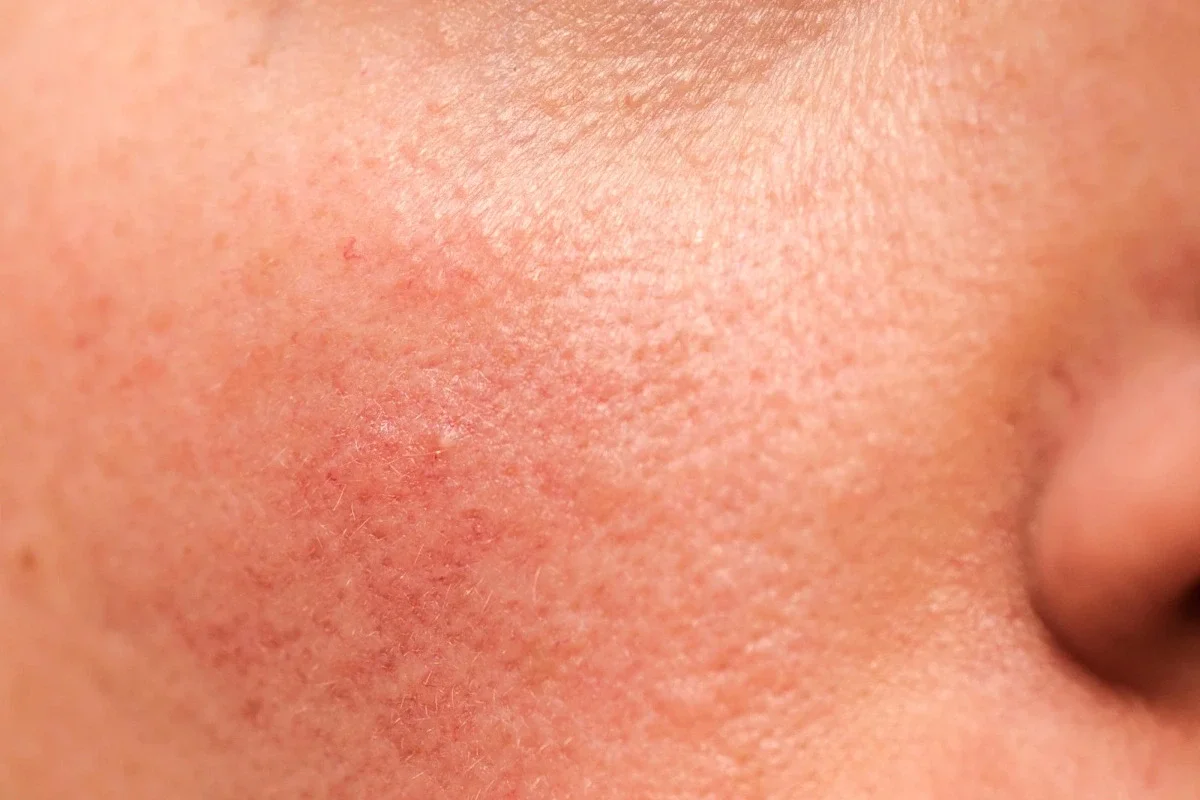
Redness and sensitivity are often early signs your skin barrier needs repair.
What to Avoid When Repairing Your Skin Barrier
Not every effective product is necessary in every season. Temporarily step back from over-exfoliation—acids and scrubs—and from retinol if skin feels reactive. Heavy occlusives that worked in deep winter may start to clog as temperatures shift. Refinement is restraint.
A Simple Spring Skincare Routine
Not a full routine—just enough structure to support skin barrier repair and stay grounded.
Gentle cleanse
Hydrating serum
Moisturizer
SPF
Night
Cleanse
Repair serum
Barrier cream
Skin, Season, and Subtle Change
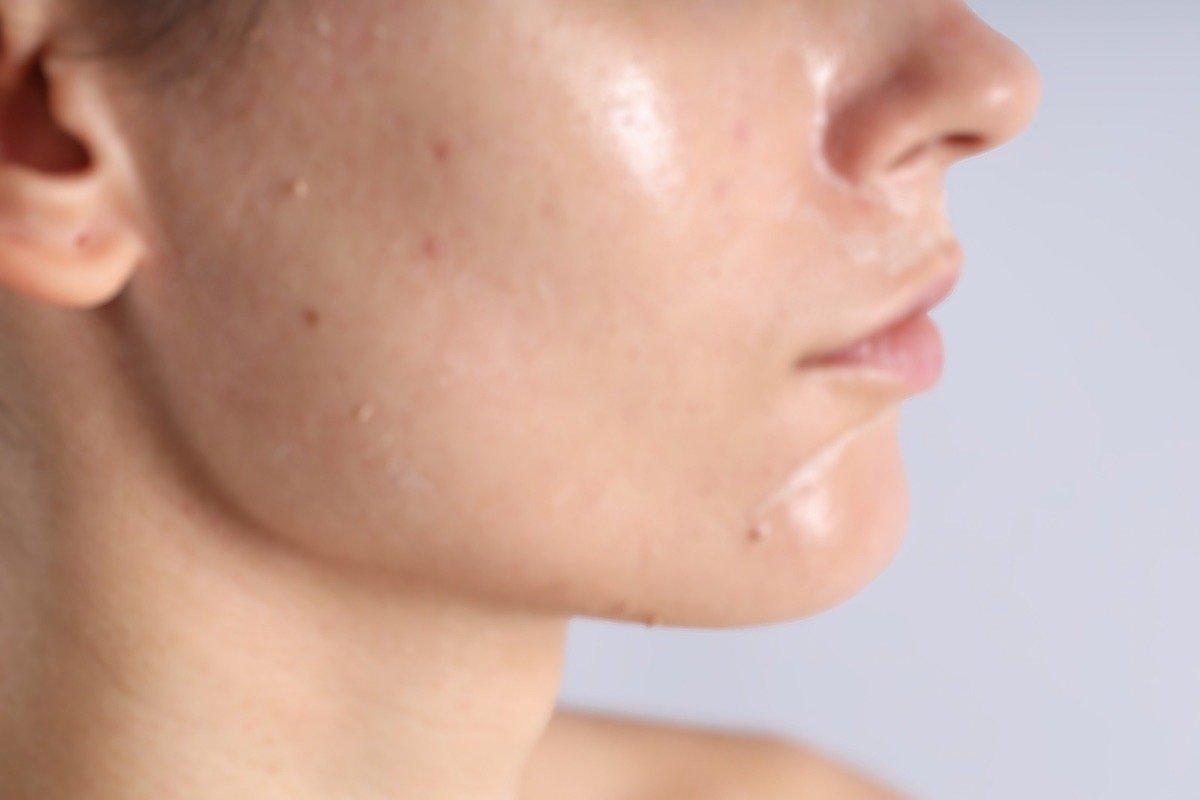
Balanced, resilient skin is the result of consistent barrier support—not more products.
Most people notice reduced sensitivity within one to two weeks. Full barrier repair takes around two to four weeks depending on consistency. Give it time.
Spring is a transition—not a transformation. Your skin doesn’t need intensity right now.
It needs support while it adjusts. And often, the glow you’re looking for comes from what you stop doing—not what you add.
Spring is subtle. It invites, it doesn’t force. Your skin responds the same way.
Further Reading: Non-Toxic Care, Ritual, and the Skin You're Returning To
These pieces explore barrier repair, personal ritual, and care as a form of attention.
→ What Your Hair Is Actually Telling You The same barrier logic—pH, gentleness, restraint—applied to hair instead of skin.
→ Skin Barrier Repair: Why It Matters — and How to Start Now The deeper guide to what depletes the barrier and what genuinely restores it.
→ Fragrance as Identity: How Scent Shapes Memory and Self On how scent, like skincare, becomes a quiet form of self-recognition rather than decoration.
→ Dressing for the Woman You Are Becoming On how the outer self tracks a change that is still happening underneath.
→ The Best Non-Toxic Nighttime Skincare Routine The repair that happens while you sleep — and how to support it intentionally.