The Languages We Hear Before We Understand Them
What a second language, learned late and on purpose, teaches you about being unreachable.

Before the words arrive, the hands are already talking.
The time when the second language stopped being noise and started to mean something. I didn't grow up bilingual. I built the language slowly and on purpose, well into adulthood, sentence by uncooperative sentence, without the shortcut a childhood gives you: the chance for a language to arrive before you're old enough to notice the work. I remember the exact texture of before: sitting in a room full of people, catching tone without catching a single word, laughing half a beat behind everyone else because I was translating in real time, always arriving late.
That memory is the reason a market, years later, in a country where I spoke neither of my languages, stopped me cold. I stood a few feet from a vendor and a customer mid-negotiation: voices rising, someone laughing, hands moving fast. I understood every emotional beat of it and not one word. I could have told you exactly how it felt. I could not have told you what it was about.
The Sound Before the Meaning
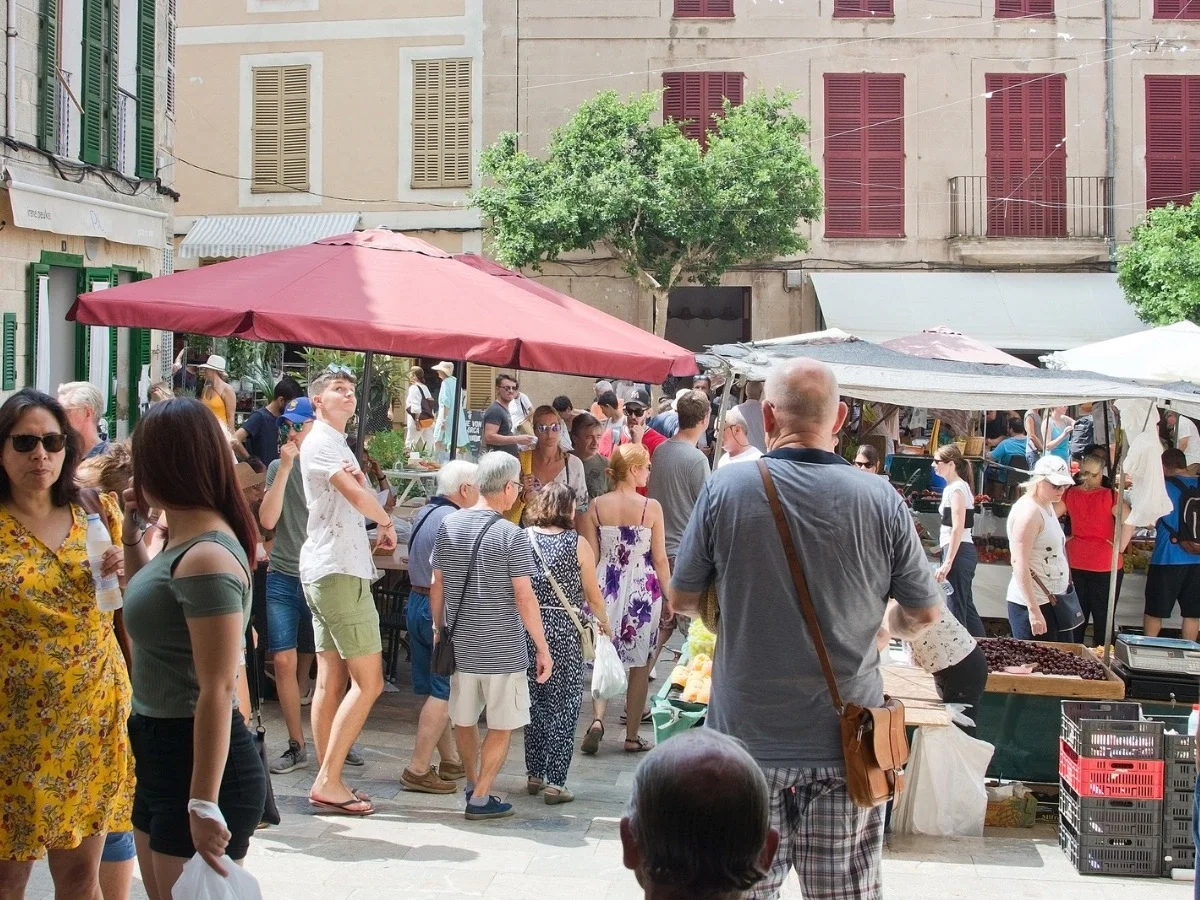
You hear its weather long before you hear its words.
Before I understood my second language, I understood its weather. Whether a voice down the hall was annoyed or amused arrived long before the words did. The cadence gave it away every time. Meaning came later, and it cost something. Feeling came first, and it came for free.
Most travelers get a smaller, faster version of this. You don't hear words in an unfamiliar language. You hear its weather. A stranger's laugh across a train car tells you the joke was at someone's expense before you know whose. For a few seconds, everyone in earshot becomes fluent in the same wordless language—then the words arrive, and the gap opens back up.
What the Gap Actually Costs
That's where the real cost begins.

Not understanding costs more than convenience. It costs participation.
It's tempting to think not speaking the local language mostly costs convenience—directions, a menu, a smoother exchange at a counter. It costs more than that. It costs agency. You stop being a participant in what's happening around you and become, instead, a spectator standing slightly outside your own trip.
What Learning One Language Teaches You
Learning one language as an adult doesn't erase the distance. But it changes what that distance feels like moment to moment. You already know that not understanding is temporary, that comprehension is earned rather than inherited.
You're not naive about the barriers. You know precisely how many hours of confusion sit between where you're standing and being able to catch a joke in real time.
The reflex doesn’t fully go away. Standing in a room where I understand nothing, I still catch myself reaching instinctively for the language I built by hand, as if the discipline of having earned one might transfer, might unlock this one by proxy. It never does. But the impulse says something true: you start to believe understanding is transferable, no matter how many languages you've already earned. Every new one asks you to start over.
The Small Repairs
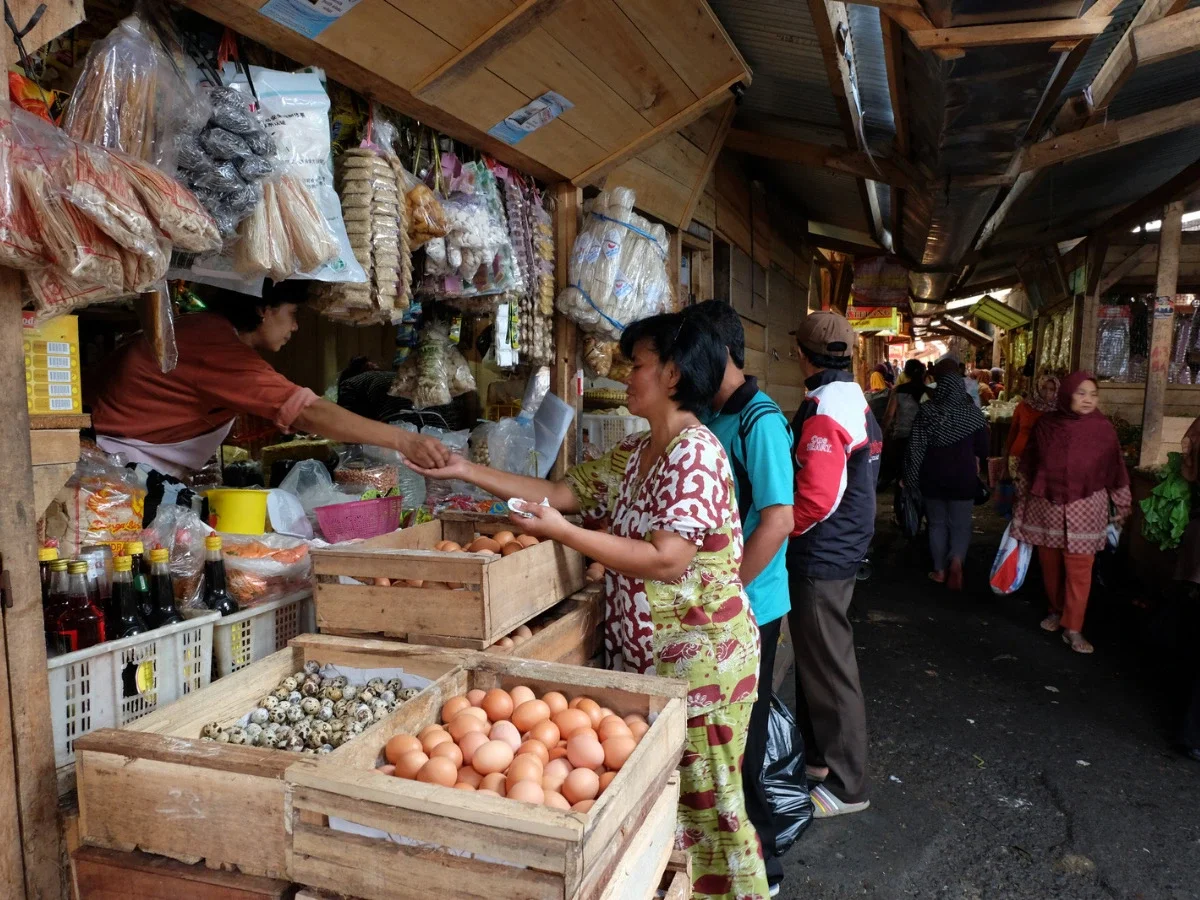
Not because the words were correct. Because the attempt was visible.
What closes the gap is rarely fluency. It's something smaller: a phrase attempted, a pronunciation offered wrong but offered anyway, an effort visible enough that the other person can see you’re trying. I've watched a single mispronounced thank you, delivered with real effort, change a stranger's face entirely. Not because the words were correct.
Because the attempt said something words alone can't: I see that this is yours, and I'm not assuming you should meet me in mine.
That, more than grammar, is the actual difference between feeling like a visitor and feeling briefly, imperfectly let in.
Carrying a Language I Built, and Still Getting Lost
Building a language as an adult didn't make unfamiliar places feel less foreign. It made me more willing to let that unfamiliarity stay unresolved. I no longer expect understanding to arrive quickly, and I no longer mistake its absence for distance.
Some of the most meaningful moments of travel happen before a shared language exists. Travel repeatedly places us in conversations we can't fully understand, reminding us that communication begins long before comprehension. Curiosity, patience, and visible effort become a language of their own.
Every unfamiliar conversation becomes an invitation to notice the quieter languages we hear before we understand them—those spoken through tone, gesture, patience, and generosity, long before words catch up.
Further Reading: On Language, Distance, and Being Understood
These pieces explore what gets lost and what gets built in the space between cultures, languages, and the people we're trying to reach.
→Why Diaspora Travelers Experience Places Differently: On inherited memory, partial belonging, and what happens when the homeland you were promised doesn't match the one you find.
→Why We Romanticize Places We Barely Knew: On how brief encounters with a place become disproportionately vivid in memory, and why the longing they produce is rarely about the geography itself.
→Femininity, Authority, and Travel Cultures Around the World: On how identity and perception shift across cultures, and what it takes to be understood or misunderstood in an unfamiliar context.
→Albums That Feel Like a Foreign Country: On how music, like language, can carry the full emotional weight of a place before a single word is understood.