Why Diaspora Travelers Experience Places Differently
On partial belonging, inherited memory, and the gap between the country you were promised and the one you find.
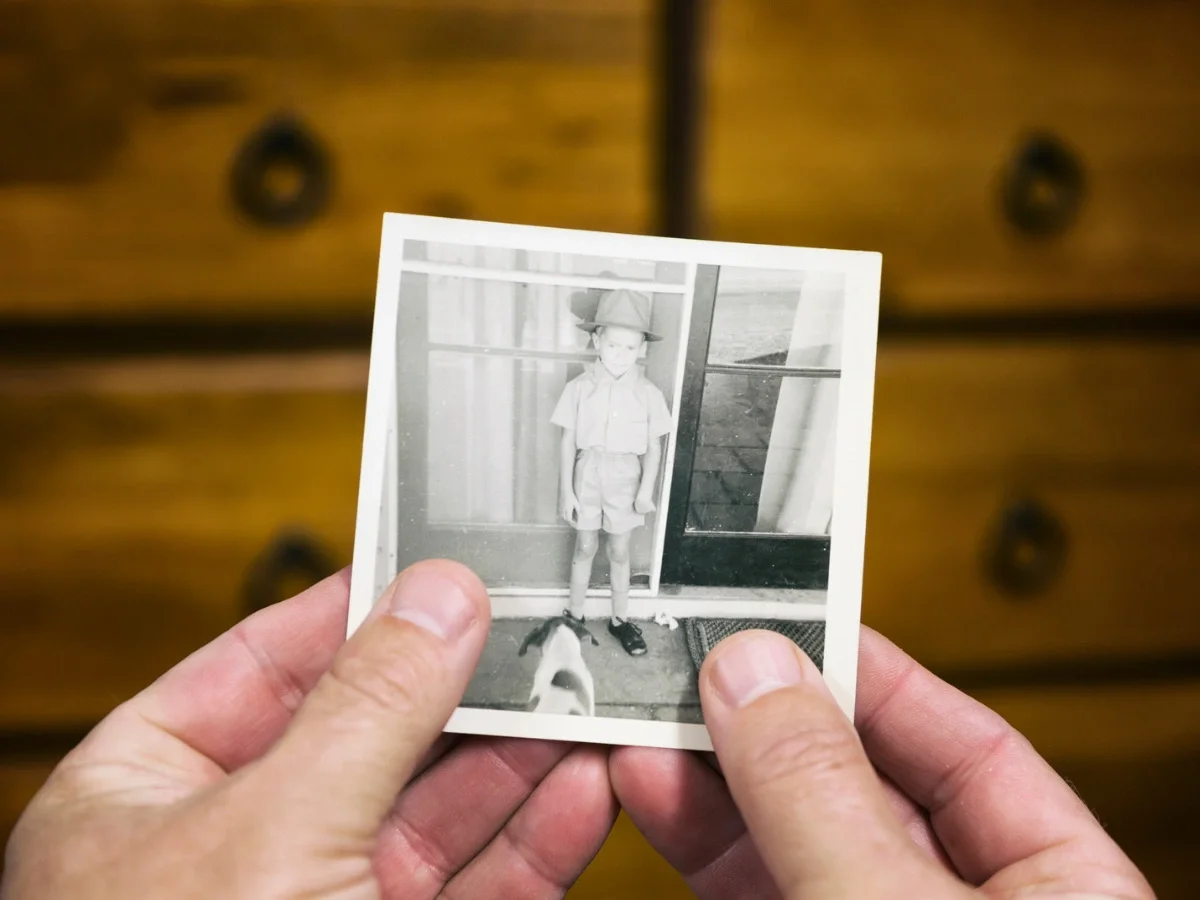
A photograph handled so often it's gone soft at the corners
There is a particular kind of disorientation that has nothing to do with jet lag or unfamiliar streets. It happens when you land somewhere you're supposed to know. For most travelers, arrival is a blank page. For a diaspora traveler—someone visiting a homeland they inherited but weren't necessarily raised in—arrival is closer to editing a page someone else already wrote. The country existed in your mind long before your plane touched down. The question is what happens when the place and the inheritance don't quite match.
Neither Visitor Nor Local
A diaspora traveler occupies a strange middle position. You are not a tourist, exactly—tourists don't have a grandmother's kitchen to compare the food against, or a language they half-recognize in their bones. But you are not a local either. Locals don't need a translator for their own extended family, or feel their accent shift and betray them the moment they speak.
It's not exclusion so much as ambiguity. A shopkeeper switches to English before you've spoken. A cousin smiles at a phrase you pronounced just differently enough to sound like an outsider. None of it is hostile. All of it says the same thing: you belong here, and you don't—not entirely.

What gets passed down before you ever leave home.
The Country That Existed Before the Country
Long before the traveler books a flight, they've already visited the place many times—through food, through language fragments, through photographs handled so often they've softened at the corners, through the way a parent's voice changes when they say the name of their hometown.
This is cultural memory, and it behaves differently than ordinary memory. It isn't built from your own experience. It's built from someone else's, transmitted through repetition until it feels like it belongs to you. You can be homesick for a place you have never lived in. You can miss a smell you've never actually smelled, only heard described enough times that your mind manufactured an approximation of it.
By the time the traveler arrives, the destination has to compete with an idealized version assembled from someone else's nostalgia. Families rarely pass down the ordinary Tuesday. They pass down weddings, reunions, and streets remembered before everything changed.
What Gets Inherited, What Gets Left Out
Every diaspora inheritance comes with gaps, and the traveler usually doesn't discover them until they're standing inside one.
Maybe it's the language understood at home but spoken haltingly abroad, frozen somewhere around the year a parent emigrated. Locals recognize it immediately—not as wrong, but as dated.
Maybe it's politics, slang, or social rules that changed after the family left. The version of home being preserved wasn't about staying current. It was about staying whole.
This is the paradox at the center of diaspora identity: the culture passed down is often frozen at the exact moment someone left it, while the actual place kept moving. The traveler arrives carrying a snapshot and finds a film still playing.
Expectation Meets the Actual Place
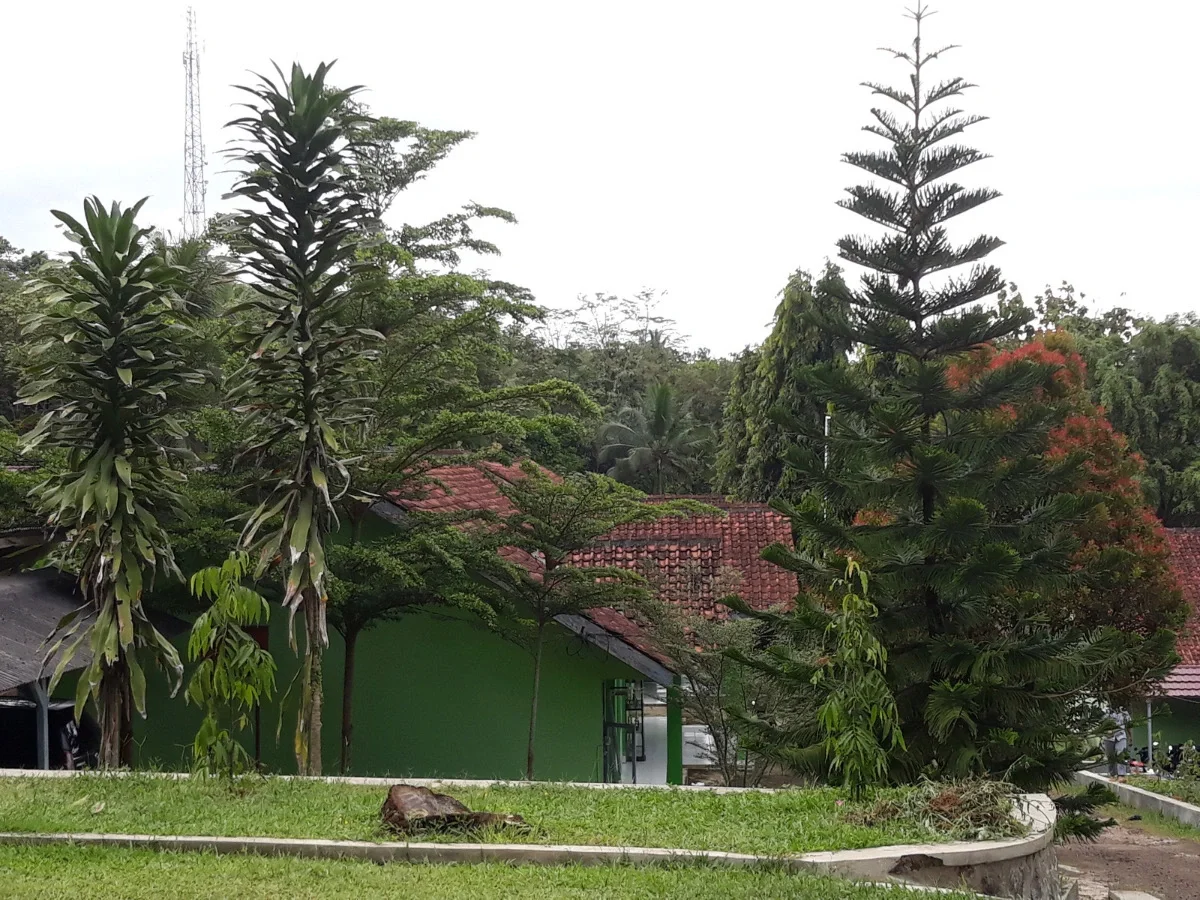
Smaller, more developed, less picturesque than the one carried in memory.
Many diaspora travelers describe a particular kind of grief that belongs only to diaspora travelers, and it rarely gets named directly: mourning a place you're currently standing in.
It happens when the ancestral village turns out smaller, or more developed, or less picturesque than the one built in your imagination across years of stories. It happens when a grandmother's house has been sold, renovated, turned into something else entirely, and the physical anchor for a lifetime of family narrative isn't there to visit anymore. It happens in the gap between the country your parents left and the country that exists now—two different places wearing the same name.
None of this means the trip failed. It means the traveler was visiting two places at once: the country that exists today and the one carried forward through family memory. The disappointment, when it comes, is often less about the destination than about discovering that inherited memory was never a place anyone could return to.
The Complication Is the Point
Diaspora travel rarely resolves into complete belonging. Instead, many travelers learn to hold two truths at once: genuine connection through family, language, history, and culture, alongside genuine outsiderness shaped by distance and a life lived elsewhere. Those realities don't cancel each other out. They coexist.
A Different Kind of Return
Diaspora travelers don't experience destinations the way other travelers do because they're not really visiting a place for the first time. They're visiting it for the second time, holding a first version that only ever existed in someone else's memory.
If anything, it makes the experience more layered: two timelines unfolding at once—the present-day street and the one carried forward through family memory.
Maybe that's the more honest way to think about it: not as a return, exactly, since you can't return to somewhere you never left from in the first place. Something closer to a meeting. Between the place as it is, and the place you were given to carry, long before you ever had the chance to see it for yourself.
Further Reading: On Belonging, Memory, and the Places We Carry
These pieces explore what travel reveals about identity, inheritance, and the versions of ourselves we carry into unfamiliar places.
→Why We Romanticize Places We Barely Knew: On how brief encounters with a place become disproportionately vivid in memory.
→Femininity, Authority, and Travel Cultures Around the World: On how identity and perception shift across cultures, and what it takes to be understood—or misunderstood—in an unfamiliar context.