When Music Was Something You Could Hold
On what we gained, and what we quietly gave up, as music stopped taking up space.
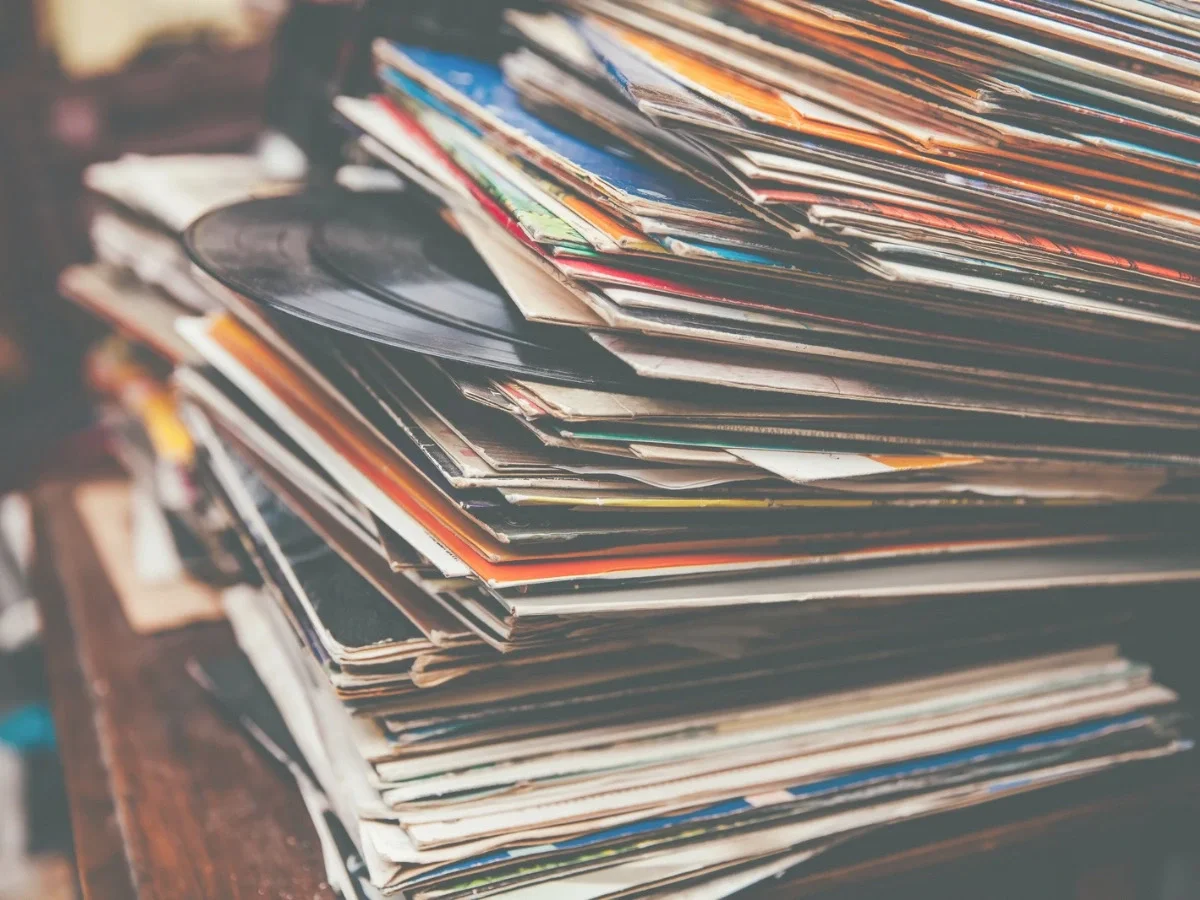
A record collection, worn into a biography.
There was a time when buying music meant coming home carrying it.
An LP tucked under your arm. A cassette in your pocket. A CD in a paper bag from the record shop. You could see what you had bought. You could stack it, lend it, lose it, find it years later. The album had a cover, a spine, a weight.
Music took up space.
That physicality shaped how we listened, whether we noticed it or not. Every format that followed changed something essential about the experience: what we heard, where we heard it, how much of it we heard, and what we believed an album to be.
The history of recorded music is also a history of attention.
The Album Arrives
When Columbia introduced the long-playing record in 1948, it wasn't simply giving listeners a new piece of technology. The LP's longer playing time made room for something that would become central to modern music: the album as a sustained work.
Songs could have a sequence. An opening. A middle. An ending.
The cover became part of the experience too—photography, typography, liner notes, and credits gave the music a visual and physical identity. A record collection became a kind of biography. You could walk into someone's room and learn something about them from the shelves without asking.
The album wasn't just something you listened to. It was something you lived alongside.
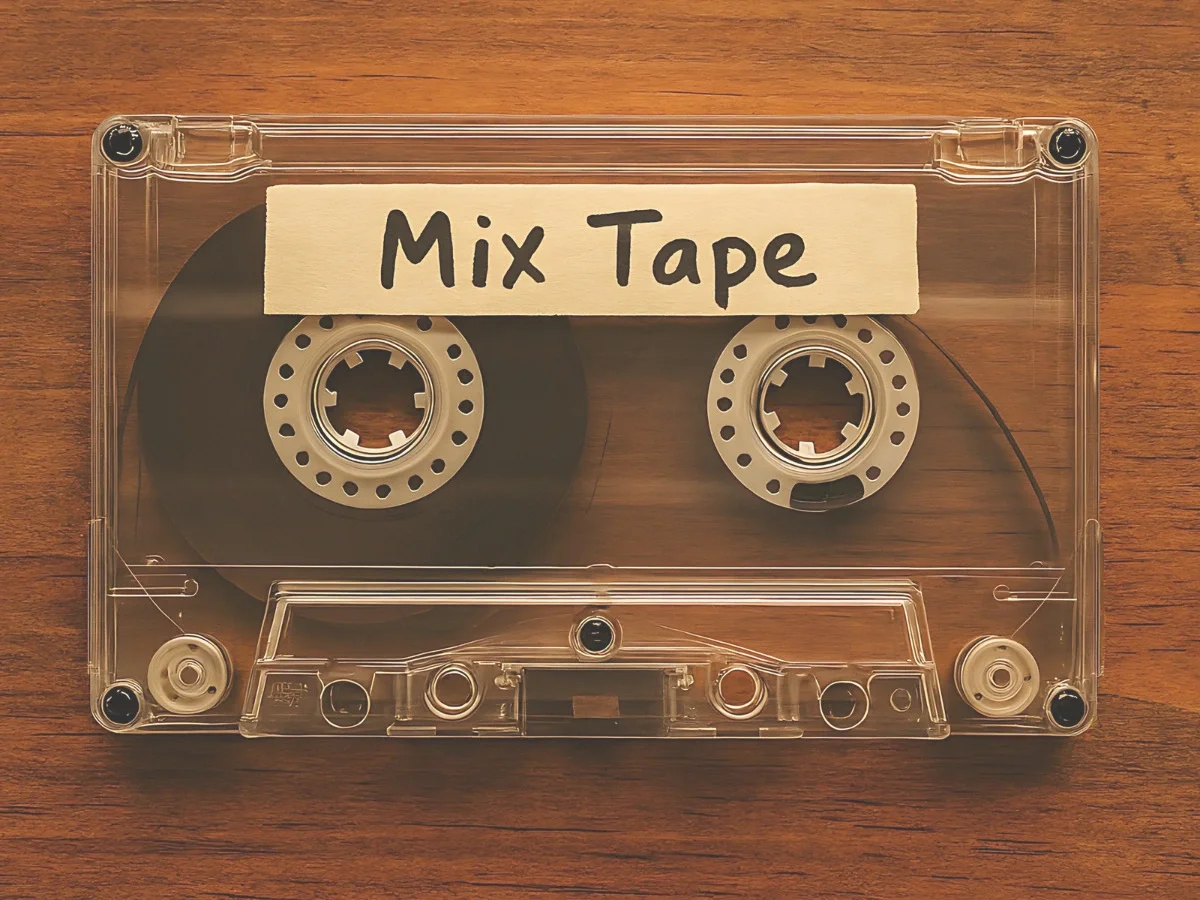
Sequencing with intent.
Then Music Became Portable
The cassette changed that relationship. Music could leave the living room—into the car, onto a Walkman, into a bedroom or across a school campus.
But its most interesting cultural contribution may have been the mixtape. A mixtape wasn't simply a collection of favorite songs. It was sequencing with intent: the first track had to earn the second, the last track had to leave a feeling behind.
A mixtape was a declaration of friendship, a flirtation, an apology, a summer soundtrack.
The CD Makes It Cleaner
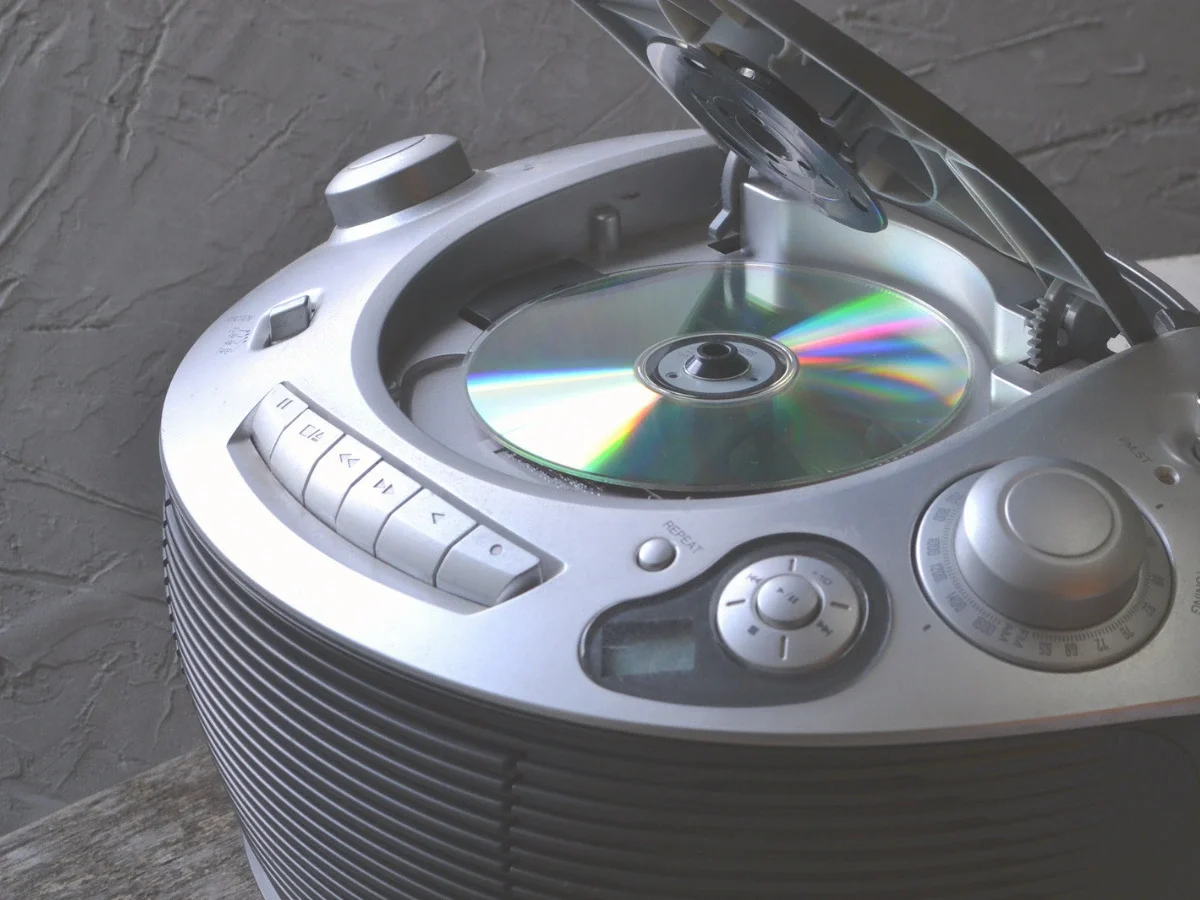
The compact disc arrived promising a better version of recorded sound—no surface noise, no needle, no turning the record over. Smaller, sturdier, easier to transport.
The ritual grew simpler. You still owned something; the CD could sit on a shelf beside everything else. But the object was beginning to feel less like an artifact and more like a container for information. The next great change wasn't going to make the object better. Not a better object. No object at all.
When Music Became Data
Nothing to hold. Nothing to store.
Digital downloads separated music from the physical album. A song could now exist without the sleeve, the shelf, and the album.
The iPod made the change visible: thousands of songs, weighing almost nothing, in a device that fit in your pocket. Then came streaming, and even the idea of carrying music began to disappear. You didn't need to own the song. You didn't need to store it. You could ask for it.
The question changed from what do you have to what do you want.
We Gained Almost Everything
It would be easy to turn this into a story about what we lost. It isn't, quite.
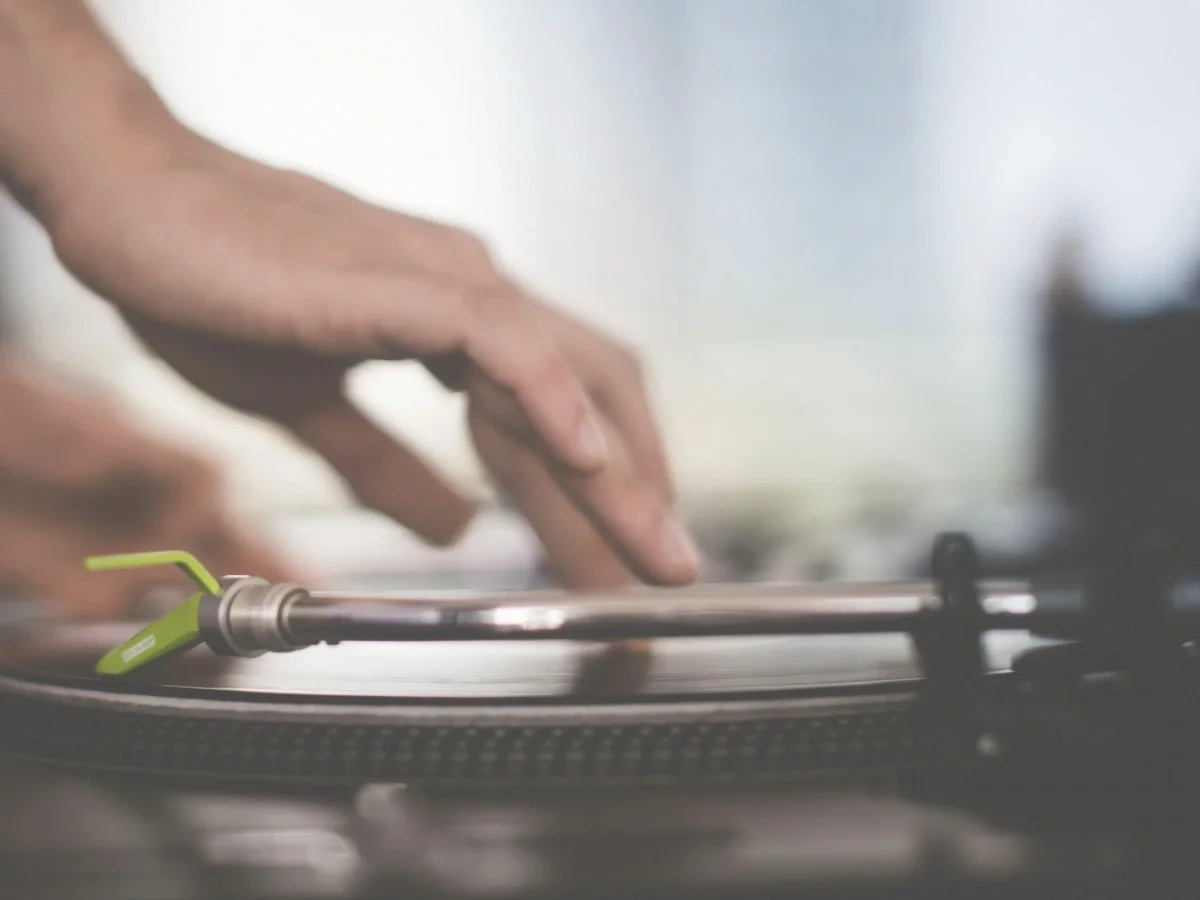
Always another possibility.
Streaming is extraordinary. A listener with a phone can move from Nina Simone to Fela Kuti to a folk recording to a new artist from another continent, in minutes. Access has never been greater.
But abundance changes attention. The LP taught you to stay with an album. The cassette made sequencing personal. The download made the individual track the unit that mattered. Streaming makes it remarkably easy to leave before any of them finish. Skip. Search. Save. Next. Always another option, waiting underneath the current one.
Why the Object Keeps Coming Back
Vinyl has returned. Cassettes have found a new audience. People buy physical editions of albums they can already stream.
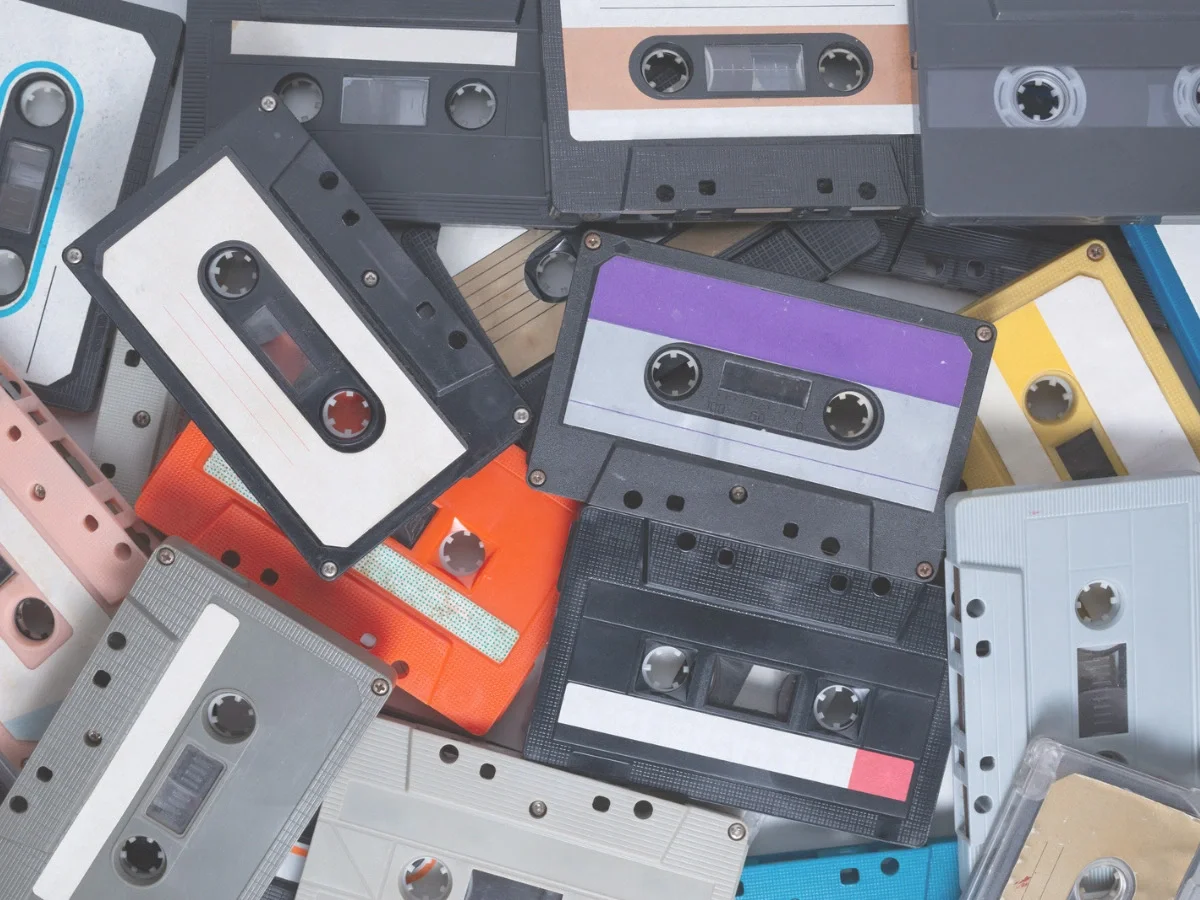
Every color, its own summer.
It makes little economic sense. It makes emotional sense.
A record holds a memory a playlist rarely does—the sleeve can remind you where you were when you bought it, who gave it to you, the year you played it obsessively. The object gives the music somewhere to live. It also gives listening a beginning and an end. You put the record on. You turn it over. You finish it.
What We Were Holding
We tend to describe the history of recorded music as technological progress: better sound, smaller devices, greater portability, more choice. That isn't the real story. The real story is how each format taught us to pay attention differently.
Physical music refuses to disappear because a record was never a delivery system. It's a container for time. An object can outlast the moment it was made for—a song on a shelf can wait twenty years for you.
Not because we need the object. Because sometimes the things that matter are the things that leave a trace.
Further Reading: These stories look at what music carries beyond the sound itself—memory, ritual, and the things we hold onto without meaning to.
→ The Songs We Inherit From Our Parents: On why some music survives across generations, and what it carries when it does.
→ The Playlist as Ritual: On intentional listening as emotional practice, and how playlists become containers for memory and identity.
→ Albums That Feel Like a Foreign Country: Five records that don't just play—they relocate you.