On voice, and what an artist builds from everyone who came first.
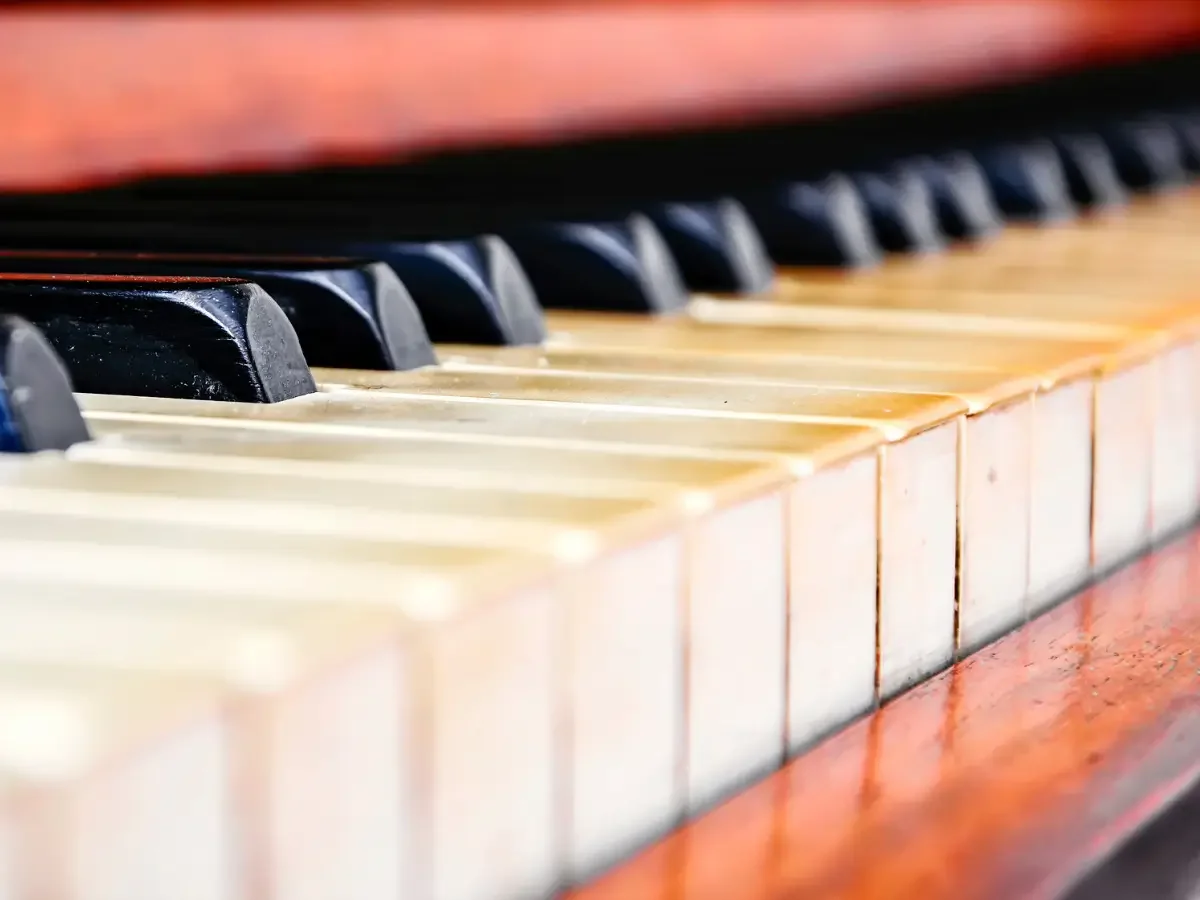
Every voice begins as repetition.
Nobody sounds like themselves at first.
Before an artist has a recognizable voice, usually a long period of listening transpires: records played obsessively, musicians imitated, techniques borrowed, sounds tried and abandoned.
Every artist begins with other people.
At some point, influence becomes less obvious, and the techniques an artist has absorbed begin to form in unpredictable ways. One day someone hears half a minute and knows who it is.
Artists don't find their voices. They build them, choice by choice, record by record.
Nina Simone: Inheritance
Nina Simone came to music already carrying a wide vocabulary. She trained as a classical pianist and dreamed of becoming a concert pianist. Bach was central to her education, alongside gospel, blues, jazz, and Black church music. She auditioned for the Curtis Institute of Music but was not accepted. And she believed race was the reason. Turned away, she took her training to an Atlantic City nightclub under a new name; her family wouldn't know she was playing the devil's music, and there she was told she would have to sing too. The civil rights movement became impossible to separate from her work: "Mississippi Goddam" answered the murder of Medgar Evers and the bombing of a Birmingham church.
That is part of what makes her sound so difficult to imitate. A classical sensibility can sit inside a blues phrase. A gospel cadence can transform a familiar song. Her piano playing can be formally intricate and emotionally raw at the same time.
Her voice wasn't created by escaping her influences. It came from changing the relationship between them.
Björk and the Instruments That Didn't Exist
Björk took a different route. Her career has moved through pop, electronic music, orchestral writing, experimental composition, and visual art, and she has made technology part of the creative process itself. Medúlla is built largely from human voices, the instrument reduced to the body. Biophilia went the other way: an album with ten apps, one for each song, and instruments that did not yet exist.
Between them runs one question: what counts as an instrument. For the bass line of "Thunderbolt," her answer was a Tesla coil.
The Night Bowie Retired Ziggy
On 3 July 1973, near the end of a sold-out show at London's Hammersmith Odeon, David Bowie told the audience it was the last show they would ever do. Most of his band had no idea. He was retiring Ziggy Stardust, the persona that had made him famous.
Bowie complicates the idea of a fixed artistic identity. He understood that identity could be creative material: an artist could invent a character, inhabit it, make music through it, and eventually leave it behind.
For many musicians, consistency creates recognition. For Bowie, reinvention did. His voice was the willingness to keep becoming someone else.
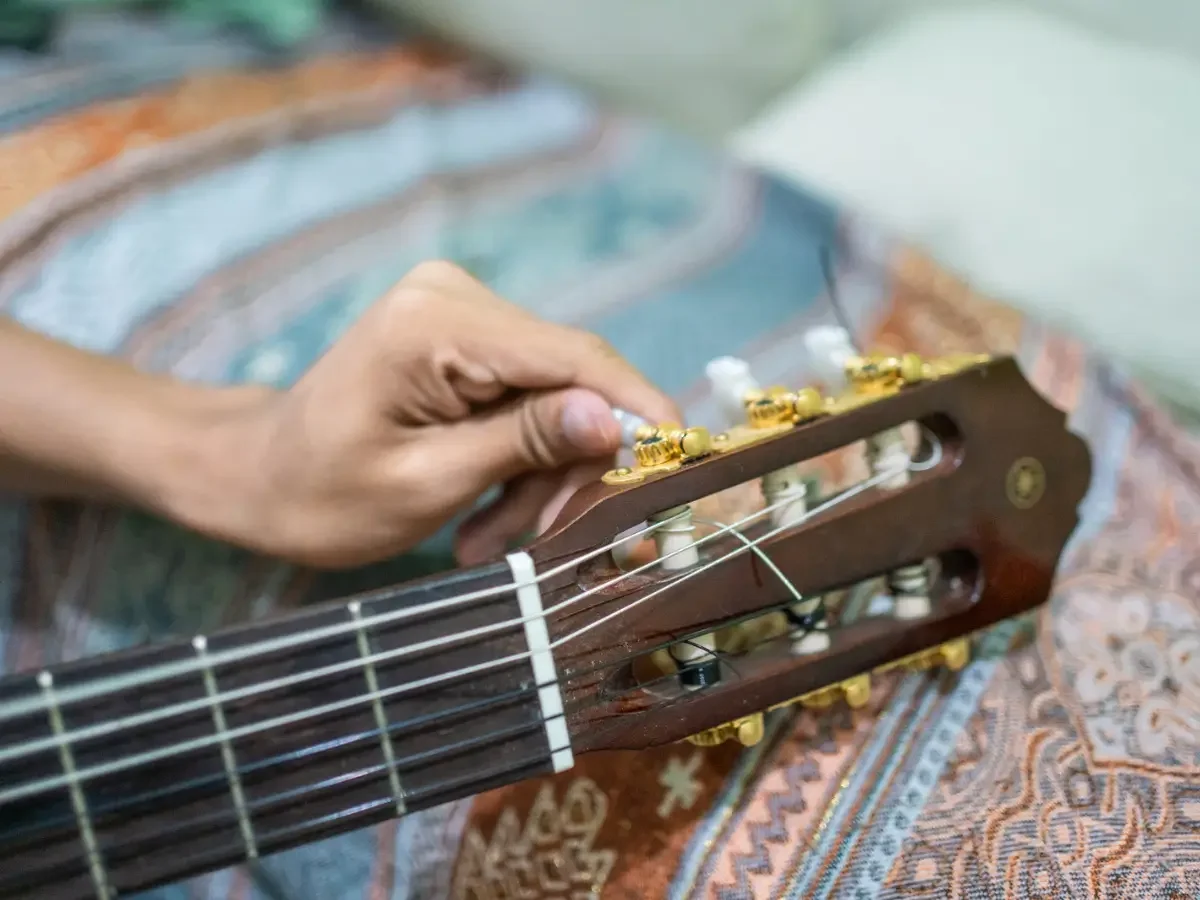
The craft became the voice.
Joni Mitchell: Craft
Joni Mitchell's singing voice is instantly recognizable, but much of what makes her sound like herself happens underneath. Polio weakened her left hand, and she compensated with dozens of open tunings. Then, she wrote in those tunings: harmonies that resist resolution, melodies that wander before they land. The technical choices became inseparable from the songwriting.
At first, technique is something you can hear an artist working at. Eventually, it disappears into instinct. The chord doesn't sound clever. It sounds inevitable. Mitchell's musical vocabulary became part of her emotional vocabulary: the structure itself could communicate uncertainty, intimacy, or movement before the lyric explained anything.
The craft became the voice.
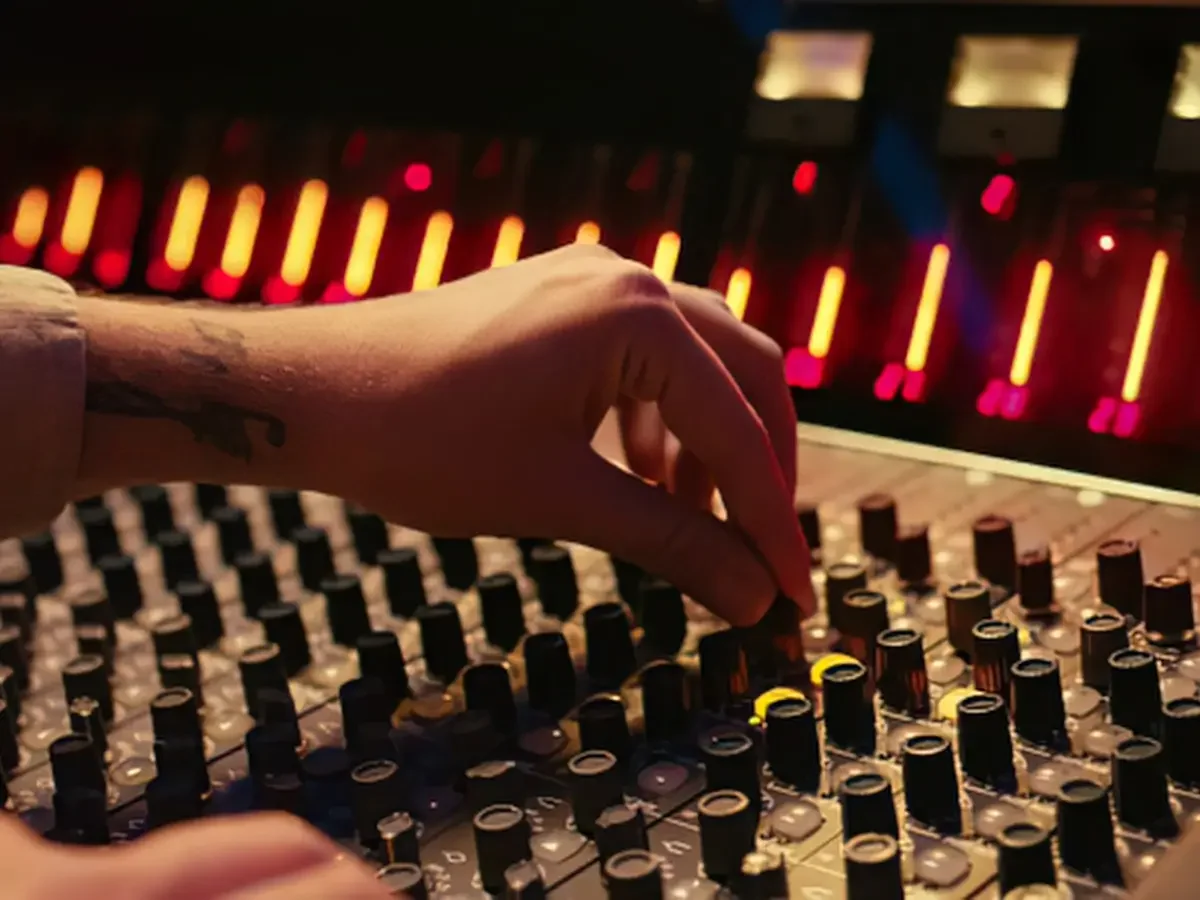
A voice can live in the decisions around the singing.
Prince: Control
Prince offers another version of authorship. On his debut, For You, he wrote, arranged, produced, and played nearly every instrument himself. Voice isn't limited to the person singing. It can live in the rhythm section, the arrangement, the production, the guitar sound, the decision to leave something sparse or make it overwhelming. His records feel unmistakably authored because so many of those decisions pass through the same sensibility.
That is what was at stake in 1993, when a dispute with his label over who owned his music ended with "slave" written on his cheek.
The Part We Don't Hear
The finished artist creates an illusion: afterwards everything sounds inevitable. We hear Björk and know it is Björk. We hear Simone and know it is Simone. Bowie, Mitchell, Prince.
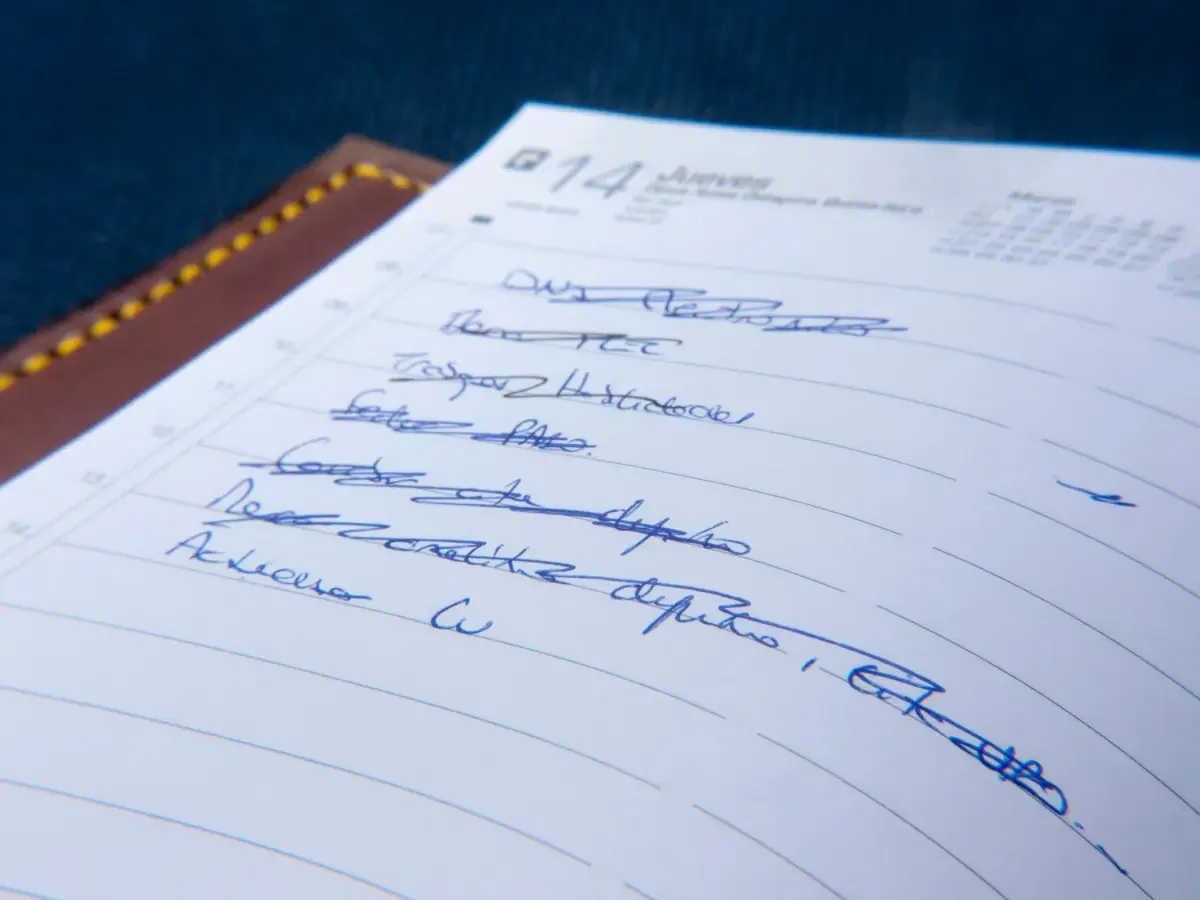
The artist lived through the mess.
But before the recognizable voice there was imitation. Failed experiments, records that went nowhere, songs that sounded too much like someone else, techniques that took years to master.
After the sorting happened, the public hears the result. The artist lived through the mess.
Originality rarely arrives as a single revelation. It accumulates: a chord someone taught you, a record you played until you knew it by heart, a strange idea you were told wouldn't work, a mistake you liked enough to keep. Then another.
Choice by Choice
None of them began from nothing. They began with the world already inside them.
Originality was never about making something no one has ever heard. An artist doesn't have to invent the raw materials; they make choices nobody else would have made in quite the same way, until the music becomes unmistakable. Not because it contains nothing borrowed. Because everything borrowed has been transformed.
Further Reading: On Voices That Were Built, Not Found
A voice is rarely found. More often it is inherited, revised, and finally owned.
→ The Songs We Inherit From Our Parents: What we absorb before we have taste of our own, and why it stays long after we start choosing for ourselves.
→ Cinema and Reinvention: On becoming someone new before you’re ready, and why the best versions of it begin with disorientation.
→ What They Built, Not Just What They Made: Authorship as ownership, and the artists who controlled the machinery behind the art.