Why Some Music Makes Us Feel Seen
On emotional recognition and the songs that know us better than we expected.
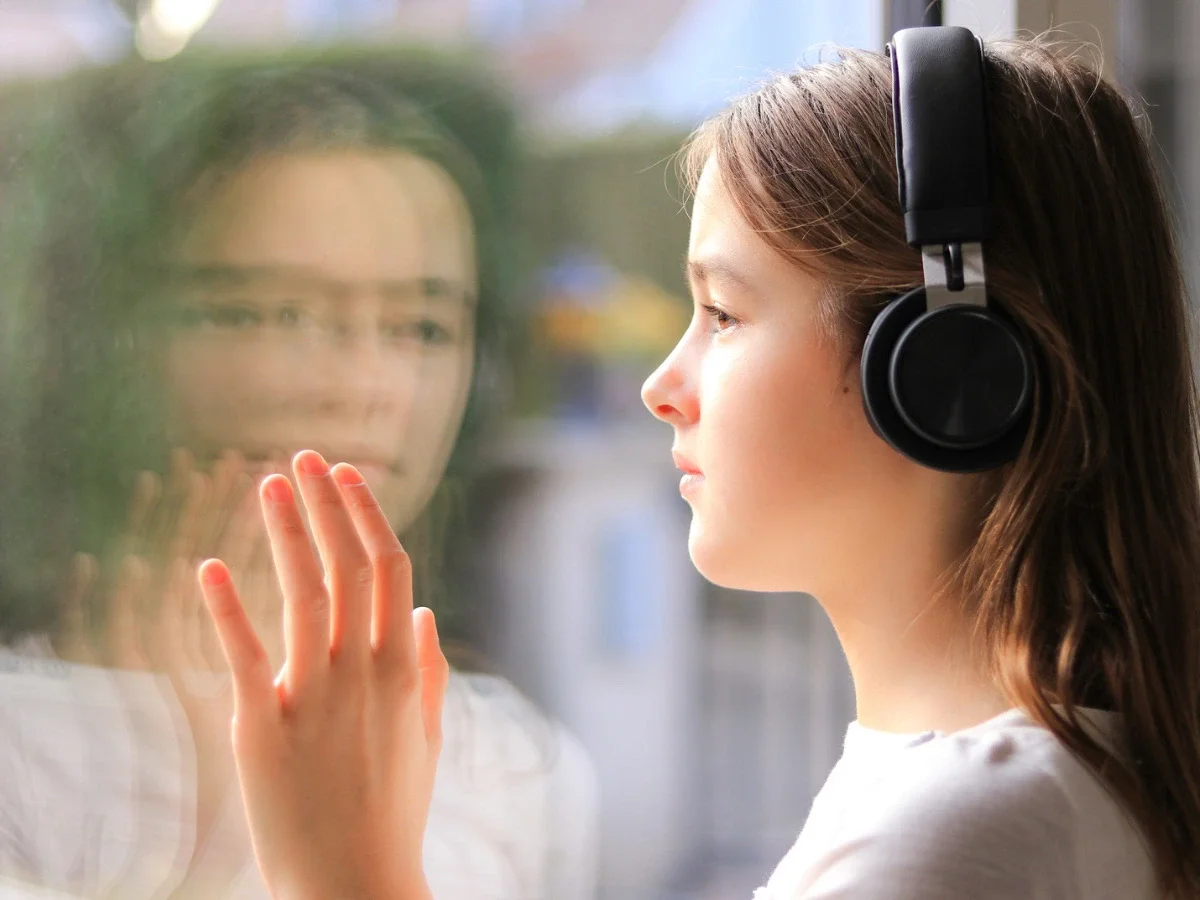
Some songs don't need to be explained—they just need to be felt.
There is a particular experience that happens when a song arrives at exactly the right moment.
It does not solve anything. It does not change the circumstances. But somehow, it understands—and that understanding does something a conversation, a book, or even another person sometimes cannot. It makes an interior experience feel witnessed without requiring you to explain it.
This is what separates music from most other art forms. A painting can represent a feeling. A novel can trace its contours with precision. Music can make recognition feel immediate arriving in the body before the mind has had time to assess it. The question worth asking is not simply why we enjoy certain songs. It is why some songs feel as though they already know us.
Why Music Feels Like Recognition
Music operates differently than language. It works through rhythm, tone, repetition, and emotional association—which means it can mirror an internal experience without needing to name it.
This matters because naming is not always what we need. There are emotional states that resist description—grief that hasn't found its shape yet, joy that feels too fragile to articulate, a longing that has no clear object. Music reaches those places not by defining them but by inhabiting them alongside us. It provides the form when we cannot find the words.
This is why people describe certain songs in surprisingly personal terms—it captured something I couldn't explain, it expressed a feeling I had never been able to name. The song did not give them new information. It gave them company in something they were already carrying.
Why We Return to Music During Difficult Periods
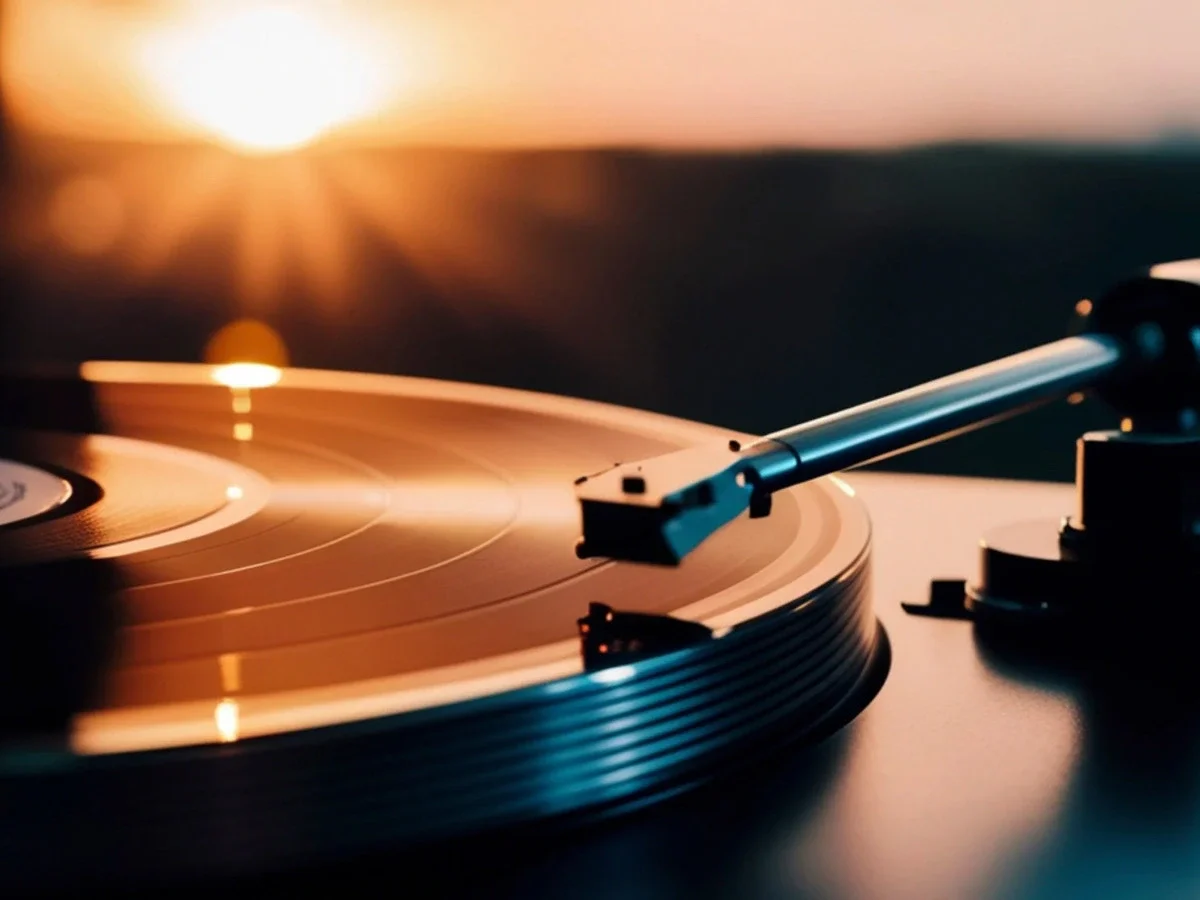
The songs we return to often become an archive of who we once were.
Certain songs become companions.
During heartbreak, transition, uncertainty, or loss, people return to specific music because it provides emotional structure. It gives shape to experiences that feel overwhelming or formless. A song does not remove sadness—it makes sadness feel less isolated. It confirms that the feeling is real, that it has been felt before, that someone found a way to hold it in sound.
This may explain why the music from difficult chapters of life is remembered with such extraordinary clarity. The song becomes part of the architecture of survival—not a solution, but a companion through the moment. And companions from those times carry a different weight than anything that came after.
When a Song Stops Being Something We Like and Becomes Something We Are
Most people can name a song that belongs to a specific version of themselves.

The song that was never just a song.
A song from a first love. A song from a city left behind. A song from the period when everything changed at once. The attachment can feel almost irrational—the song may be entirely ordinary to anyone else, yet, for one person it becomes inseparable from a particular moment, relationship, or version of who they were.
This is because a song does not become meaningful solely because of what it sounds like. It becomes meaningful because of where it meets us. The same piece of music can represent freedom to one person and loss to another. Heard during a period of reinvention, it becomes permanently attached to that feeling of becoming someone new. Heard during grief, it carries a different weight entirely.
Music functions as an emotional archive in this way—storing experiences that are difficult to explain but impossible to forget. Over time, the songs we carry become autobiography.
What Happens When We Outgrow the Music That Defined Us
Identity changes. The songs that once felt essential can eventually feel distant.
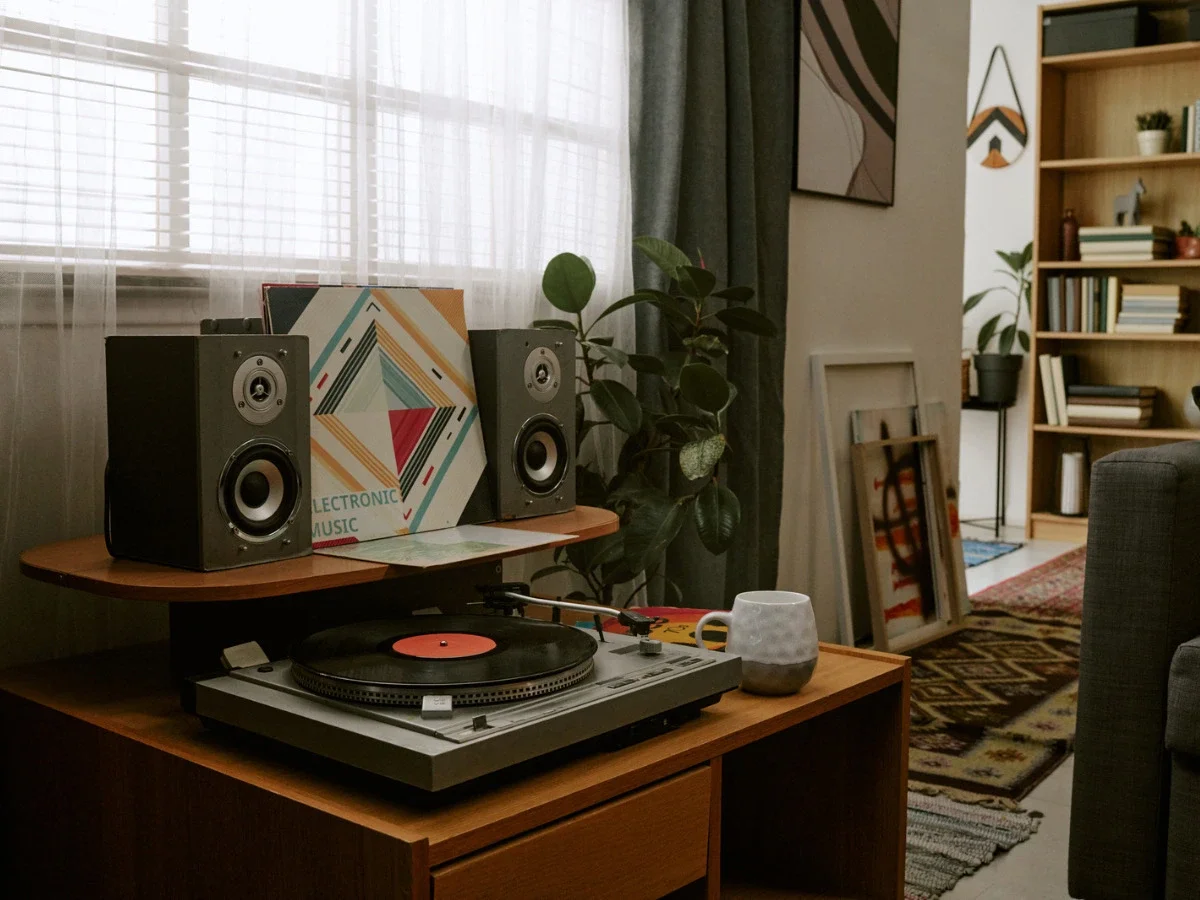
The song hasn't changed. We have.
A playlist that once represented a version of freedom may later remind us only of a person who no longer exists.
This can feel surprisingly emotional—because leaving behind a song can feel like leaving behind an earlier self. The attachment was never just to the music. It was to who we were when the music found us.
But growth does not require rejection. Returning to old music with new experience often allows us to understand earlier versions of ourselves with more generosity than we could manage in the moment. The song has not changed. We move around it differently. And in that movement, something previously inaccessible—about who we were, what we needed, how far we have come—becomes legible.
The most powerful songs are not the ones that remain fixed in meaning. They are the ones that continue to mean something new as we change. They stay available. They wait. And every time we return, they tell us something different about who we have become.
Further Reading: On Music, Memory, and What Sound Carries
These pieces explore music as emotional archive, recognition, and the things we carry without fully knowing why.
→ The Songs We Inherit From Our Parents: On why certain music survives across generations—and what it carries when it does. A companion piece on inherited listening and the emotional worlds songs preserve.
→ The Playlist as Ritual: On intentional listening as daily practice—and how choosing music deliberately becomes a form of self-knowledge.
→ Albums That Feel Like a Foreign Country: Five records that don't just play—they relocate you. On music as cultural travel and the kind of listening that expands what you thought you knew.
→ The Discomfort We Keep Rescheduling: A companion piece from the Inner-Self—on the things we already carry and keep postponing, and what shifts when we finally stop negotiating with what we know.