On credit, and who the record decides to remember.
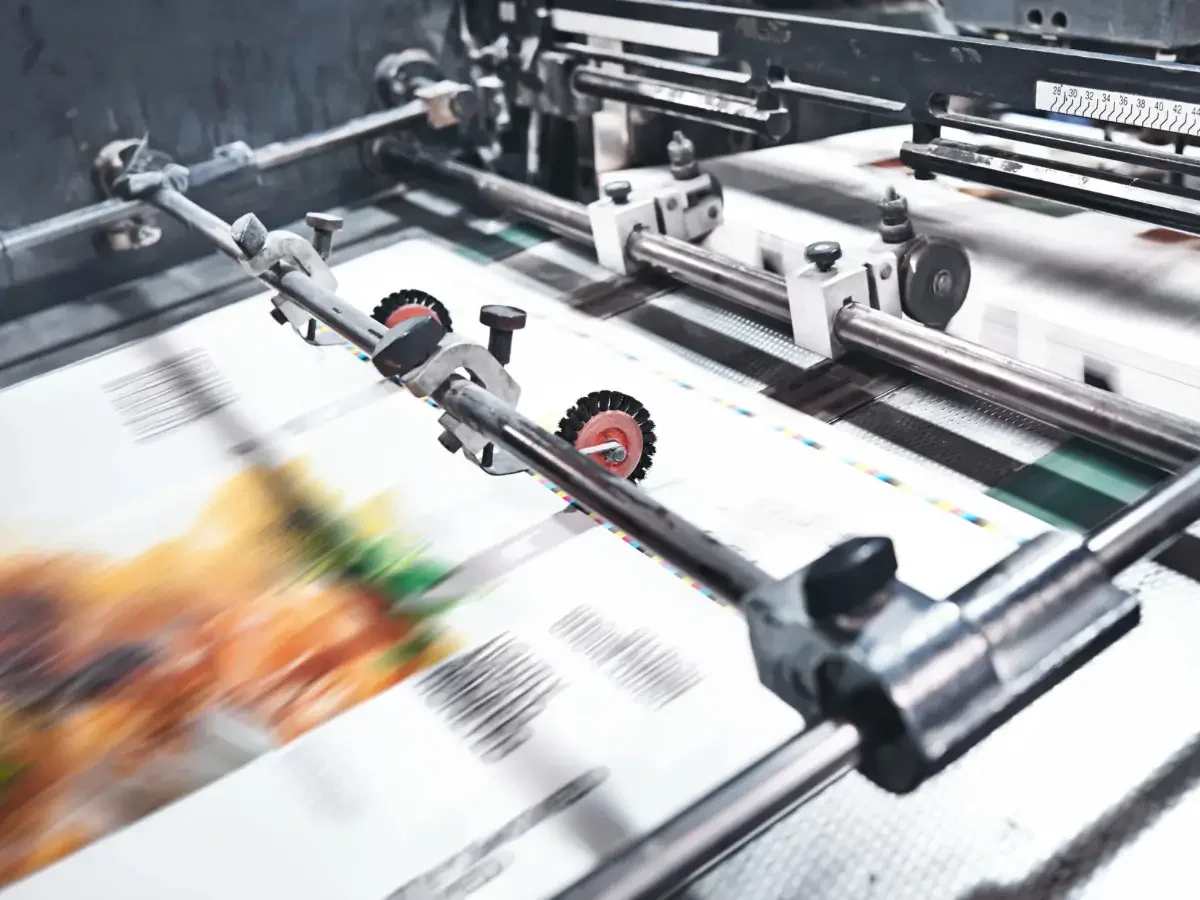
A million copies, three names.
In October 1961, Knopf published Mastering the Art of French Cooking. The names on the cover run alphabetically: Simone Beck, Louisette Bertholle, Julia Child. History kept only the last.
The idea began with Bertholle, who wanted a French cookbook for American cooks. She brought in Beck, known as Simca, and the two published a slim volume in 1952, What's Cooking in France. Child, an American trained at the Cordon Bleu, joined them, and the three taught as L'École des Trois Gourmandes, a name that sounded like a joke.
Refused Twice
Houghton Mifflin signed the three in 1953, asked for substantial revisions in 1958, and passed the following year. The verdict, as Child recalled it, was that Americans wanted something quick, not an encyclopedia.
In June 1960, the manuscript reached Judith Jones at Knopf, an editor who had lived in Paris and understood it at once. She is credited with the title. On hearing what it would be called, Alfred Knopf said he would eat his hat if anyone bought a book by that name.
Then Craig Claiborne reviewed it in The New York Times, and the book went on to sell more than a million copies.
The Camera Chose One
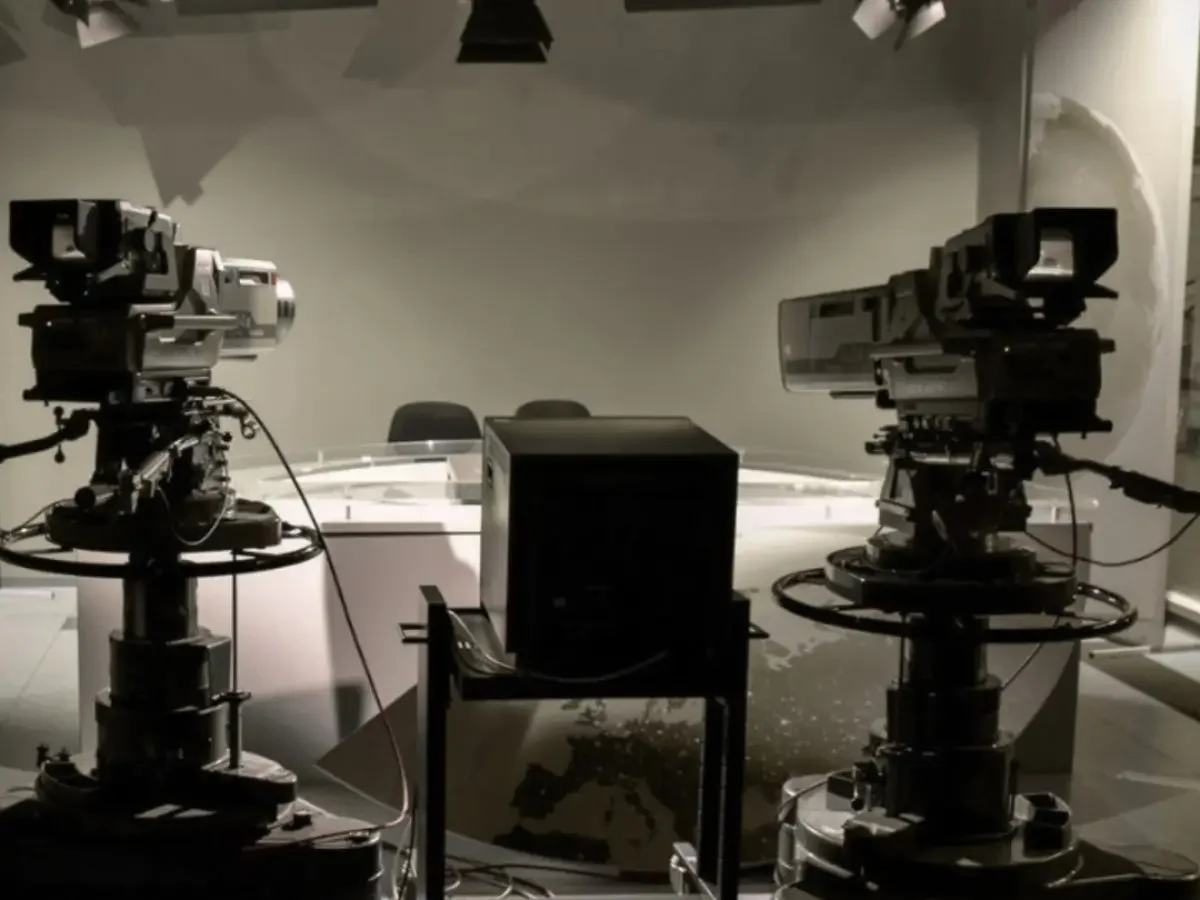
The book had three names. The screen had room for one face.
Child did much of the promoting herself. On a Boston book-review program, she arrived with a hot plate, a whisk, and eggs, and made an omelette. Viewers wrote in. WGBH asked for pilots, and The French Chef began broadcasting on February 11, 1963. She was fifty, with a cookbook and almost no television experience, an American translating French technique for American kitchens.
The book had three names. The screen had room for one face.
With Louisette Bertholle
By the end of 1960, Beck and Child had grown frustrated with Bertholle. They felt she had not contributed enough to merit a third of the book, and they wanted Knopf to change the byline to read by Simone Beck and Julia Child with Louisette Bertholle. Beck proposed ten percent of the proceeds for her, against forty-five each for the other two.
The contract kept Bertholle a full co-author, and the final split was eighteen percent to her and forty-one percent each to Beck and Child. Her name stayed on the cover. The partnership did not survive the dispute. Volume Two, in 1970, carries only Beck and Child.
The contract kept her a full co-author.
Les Mères
In France itself, where the tradition came from, there was almost no demand for the book. France had its own way of keeping the record.
In Lyon, much of the city's gastronomic reputation was built by women, les mères, and the best-known of them, Eugénie Brazier, trained the chef who became the face of French cooking.
Julia Child's name came last in 1961. On the title page of the fortieth-anniversary edition, it comes first.
Further Reading: On credit and the record
→ The Women by Kristin Hannah: On who gets remembered, and who doesn't.
→ The Recipes Our Grandmothers Never Wrote Down: The other half of the question: what survives when no one writes it down, and no one's name is attached.
→ 48 Hours in Lyon: The city where les mères built a gastronomic reputation, and where you can still eat your way through it.