Why We Cry at Fiction We Know Isn’t Real
On visibility, timing, and why the same story can find one person and pass straight through another.
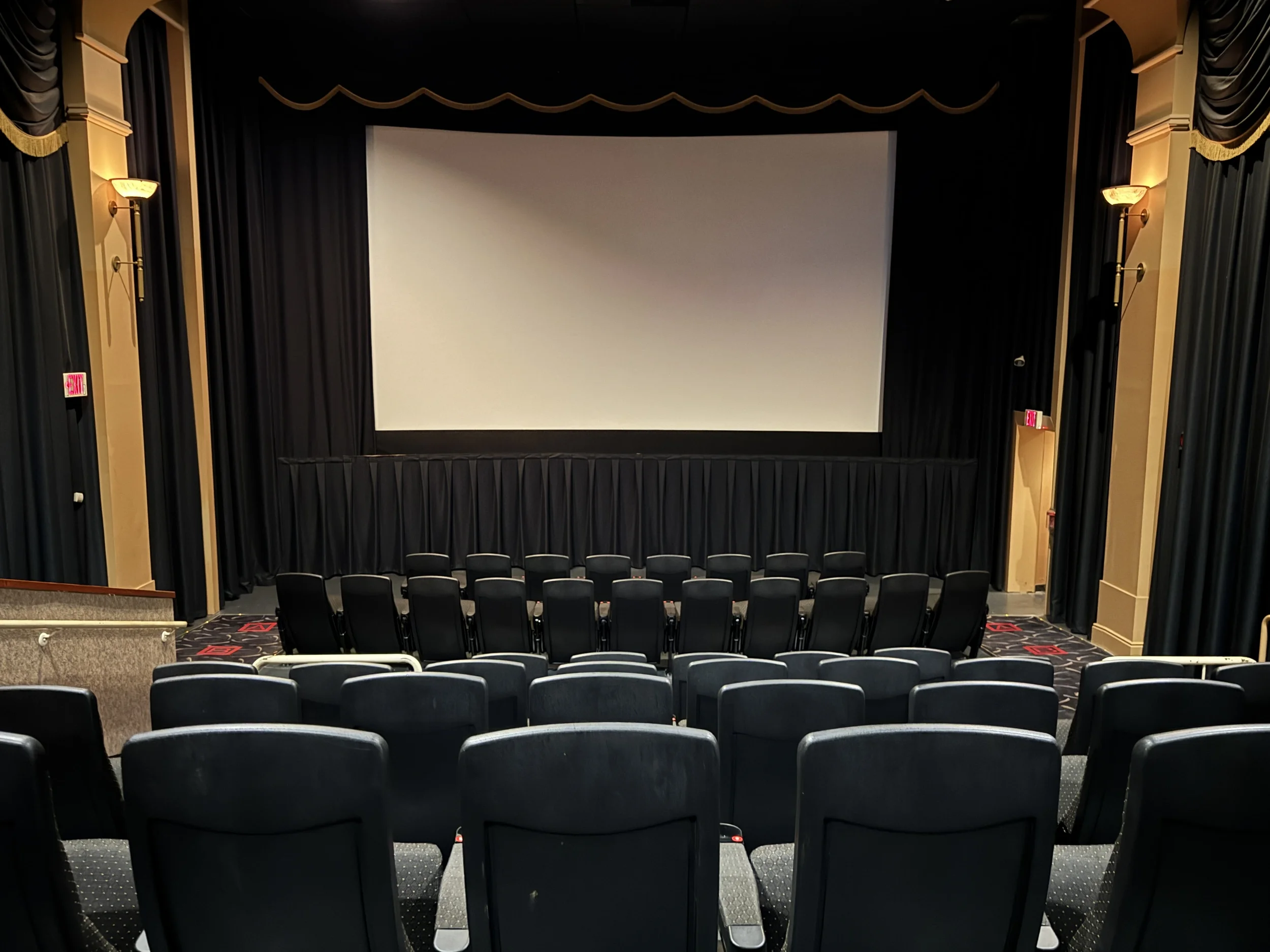
Every story starts as an empty room—what fills it depends on who walks in.
Two people can watch the same film and leave carrying entirely different things. The credits roll. One quietly wipes away tears. The other stands, stretches, and asks what’s for dinner. Neither is unusual.
The more interesting question is why the same story reaches one person and barely touches another. We often assume films move us because they're sad. Yet psychologists who study narrative and emotion have long noted that stories resonate most deeply when they connect with experiences we've already begun processing ourselves. Fiction rarely invents feelings; more often, it gives shape to ones that already exist. The difference, I've come to think, has less to do with the story than with the person arriving to watch it.
The Story Wasn’t the Difference
The same film can mean something entirely different to different people.
Not because they're watching a different story, but because they're bringing a different life into the cinema with them.
Stories never arrive in empty rooms. They meet people carrying unfinished conversations, quiet regrets, fresh beginnings, and losses that still haven't found language. The film remains the same, but every audience brings a different emotional landscape into the theatre.
Why It Finds One Person and Not the Other
Go back to the two people leaving the theater.
The one in tears isn't more sensitive, and the one asking about dinner isn't unmoved by life in general. Something in the story simply landed on a question one of them happened to be carrying and missed the other entirely — not because it failed to be true, but because it arrived at a door that, for now, was already closed.
That's the part that rarely gets said about crying at fiction: it isn't a measure of how deeply someone feels things. It's a measure of what happened to be unresolved in them on that Tuesday, in that seat, at that hour.
The same person, watching the same film two years later, might be the one in tears next time. The film hasn't changed. The person meeting it has.
When Recognition Arrives
The moment before deciding whether to leave.
There are experiences we move through long before we understand them. A friendship quietly changes. A relationship ends. A city becomes somewhere we used to live. A version of ourselves slips away so gradually we barely notice it happening.
Real life rarely pauses to ask us how we feel while we're still inside it. Stories do. They hold a moment just long enough for us to notice something we'd already been living.
Perhaps that's why recognition so often arrives in a dark cinema rather than in the middle of an ordinary Tuesday afternoon. Not because fiction creates the feeling. Because it finally gives it somewhere to land.
We Rarely Cry About What We Think We’re Crying About
We often cry at endings that, on paper, aren't especially sad. Two people choosing different lives. Someone leaving a city. A conversation that changes nothing on the surface and everything underneath it.
The emotion always arrives before the explanation. Only later do we realize the story had wandered into territory we already knew—not because we'd lived the characters' lives, but because we'd been carrying some version of the same question. What if we'd chosen differently? Who might we have become? What comes after this version of our lives ends? Good stories don't hand us someone else's life. They quietly return us to our own.
Why Certain Stories Stay

A bicycle disappearing into morning fog—the fragment that outlives the plot.
Years later, we remember remarkably little of a film's plot. Studies of memory suggest we remember emotionally significant moments more vividly than the full sequence of events, helping explain why certain scenes linger long after we've forgotten the plot around them. What survives are fragments.
A bicycle disappearing into morning fog. Someone standing in a doorway before deciding whether to leave. Two strangers talking until sunrise. A city slipping past a train window.
The images remain because they attached themselves to something outside the film itself. They became woven into a period of our own lives.
When we return to those stories years later, we're not only meeting the film again. We're meeting the person we were when we first saw ourselves.
It Was Never an Escape
The city slips past. The reflection stays.
Films are often described as escapism, as though their purpose is to help us forget real life for a while.
The stories that stay with us seem to do the opposite. Films don't simply preserve stories. They preserve versions of ourselves. Returning to them years later means revisiting both. Which brings us back to the two people leaving the theater, carrying entirely different things.
Neither viewer misunderstood the film. They simply encountered it from different places in life. Sometimes a story arrives exactly when we're ready to recognize ourselves inside it.
Further Reading: Recognition, Return, and What Meets Us Where We Are
These pieces explore the timing of understanding—how the same place, story, or self can mean something different depending on who arrives to meet it.
→ Solo Travel Is Not a Trend. It Returns You to Yourself—On how traveling alone becomes less about the destination and more about the version of yourself you come back knowing.
→ Cities That Are Beautiful to Walk Alone—On why returning to the same place can mean meeting it as an entirely different person.
→ Why Women Are So Good at Hiding It—On the feelings that go quiet not because they've resolved, but because there's been nowhere for them to land.