What Queer Cinema Reveals About Fear, Intimacy, and Vulnerability
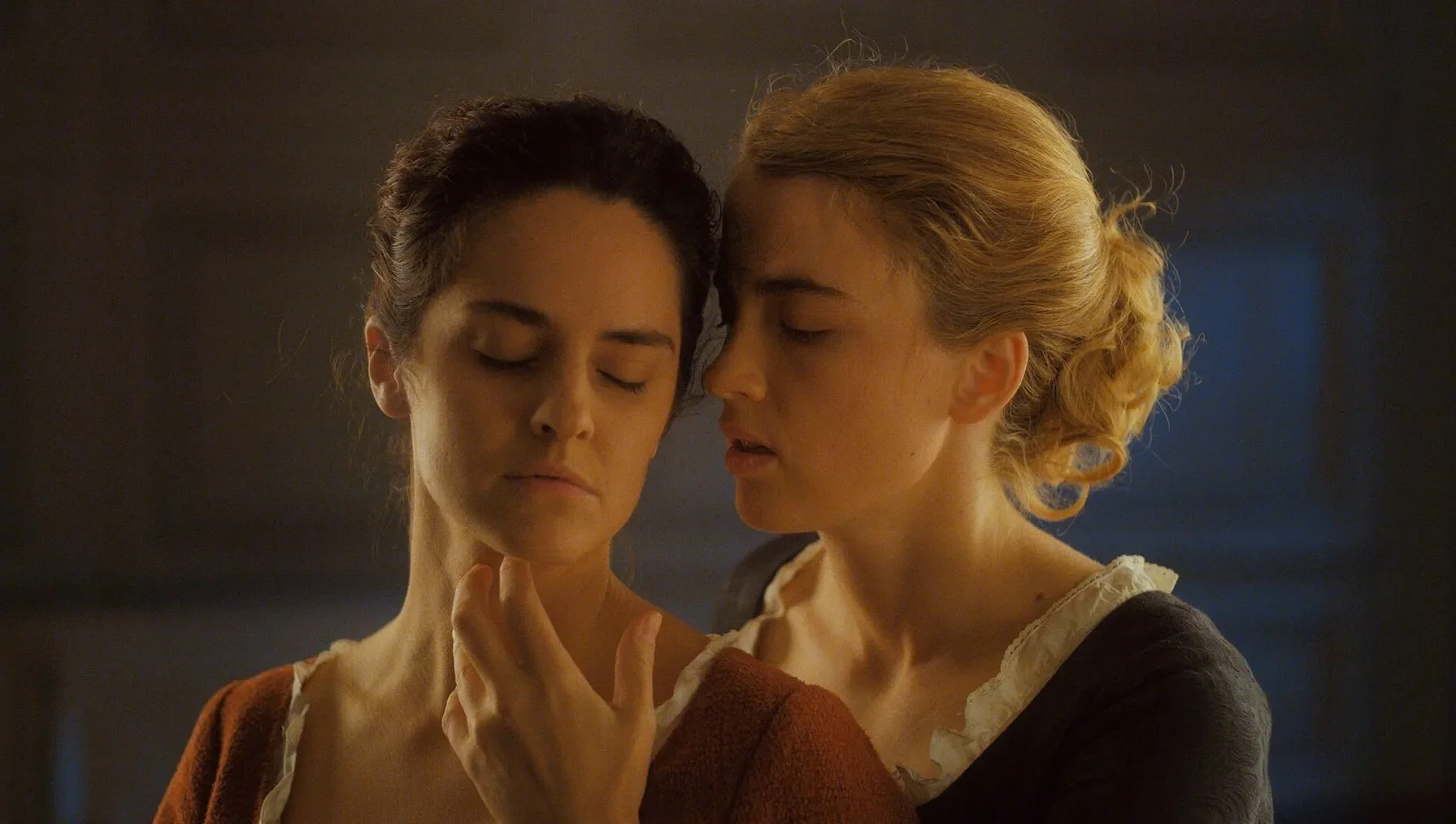
Portrait of a Lady on Fire
Films like Carol and Portrait of a Lady on Fire frame intimacy through longing and quiet observation.
From family rejection to social surveillance, queer films have long explored the emotional cost of vulnerability in a world shaped by fear.
Queer cinema has never treated intimacy as something simple.
In many of the most enduring LGBTQ+ films, love is inseparable from risk. Desire exists alongside secrecy. Vulnerability becomes something negotiated rather than freely expressed. Even the smallest gestures — a glance held too long, a hand brushing another in public, a confession spoken quietly in the dark — can carry the weight of consequence.
For decades, queer filmmakers have explored something mainstream cinema often softens or overlooks entirely: intimacy is never only about romance. It is about safety. Visibility. Survival. The ability to exist emotionally without punishment.
What gives queer cinema its emotional depth is its understanding that fear is rarely abstract. It is inherited through families, reinforced by religion, shaped by masculinity, and maintained through social scrutiny. These films are not simply stories about sexuality. They are stories about the conditions surrounding love itself.
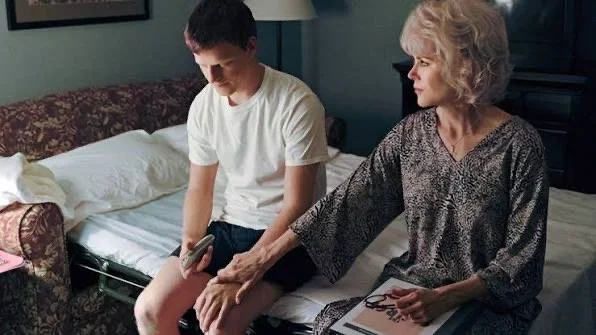
For many queer characters, home is both refuge and risk.
These narratives continue to resonate because they recognize that tenderness and fear have historically existed side by side — and that being emotionally visible has never carried the same consequences for everyone.
Fear Created by Family
In Moonlight, emotional openness is constantly interrupted by instability, silence, and the pressure to harden oneself against tenderness. Chiron’s fear is not only about desire, but about whether love can exist safely within the world that shaped him.
Similarly, Pariah portrays the fragmentation that occurs when identity becomes something concealed inside the home. Rejection arrives quietly at first — through avoidance, distance, conditional acceptance — long before it becomes explicit.
Queer cinema often portrays family as the first place where closeness becomes associated with danger. Love exists alongside the fear of abandonment, exile, or emotional invisibility. Home becomes both shelter and threat at once.
Religion, Shame, and Emotional Surveillance
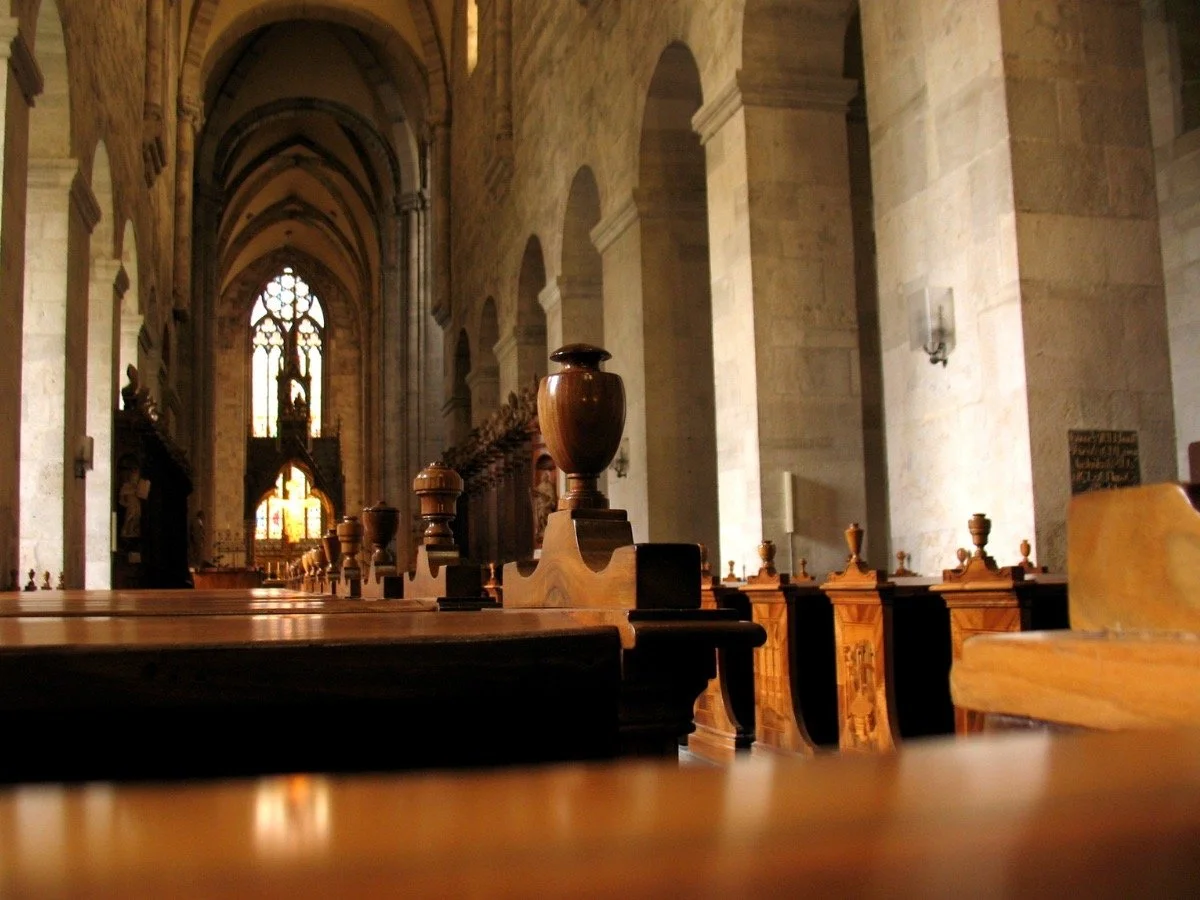
Many queer films explore how religion shapes shame, secrecy, and self-surveillance.
Films like Disobedience and Boy Erased explore how religion can transform desire into internal conflict. These narratives are not solely about belief, but about the psychological burden of existing within systems that frame intimacy as moral failure.
The tension in these films rarely relies on spectacle. It emerges through restraint — suppressed touch, interrupted language, emotions edited down for survival. What they capture so precisely is the exhaustion of self-monitoring: the constant awareness of one’s gestures, desires, and vulnerabilities in environments where authenticity feels dangerous.

Queer cinema often portrays intimacy as both connection and emotional risk.
Masculinity and the Fear of Vulnerability
Few films explore this tension more powerfully than Brokeback Mountain. Beneath its romance is a devastating portrait of masculinity shaped through emotional withholding. The tragedy of the film is not simply that its characters cannot openly love one another, but that they have been taught intimacy itself threatens their survival.
This emotional restraint echoes through All of Us Strangers, where grief, loneliness, and memory intersect with the lingering fear of emotional exposure. The film recognizes how queer adulthood is often shaped by unresolved silence carried forward from earlier years.
In queer cinema, masculinity is frequently portrayed not as strength, but as performance — one maintained through distance, repression, and the denial of tenderness itself.
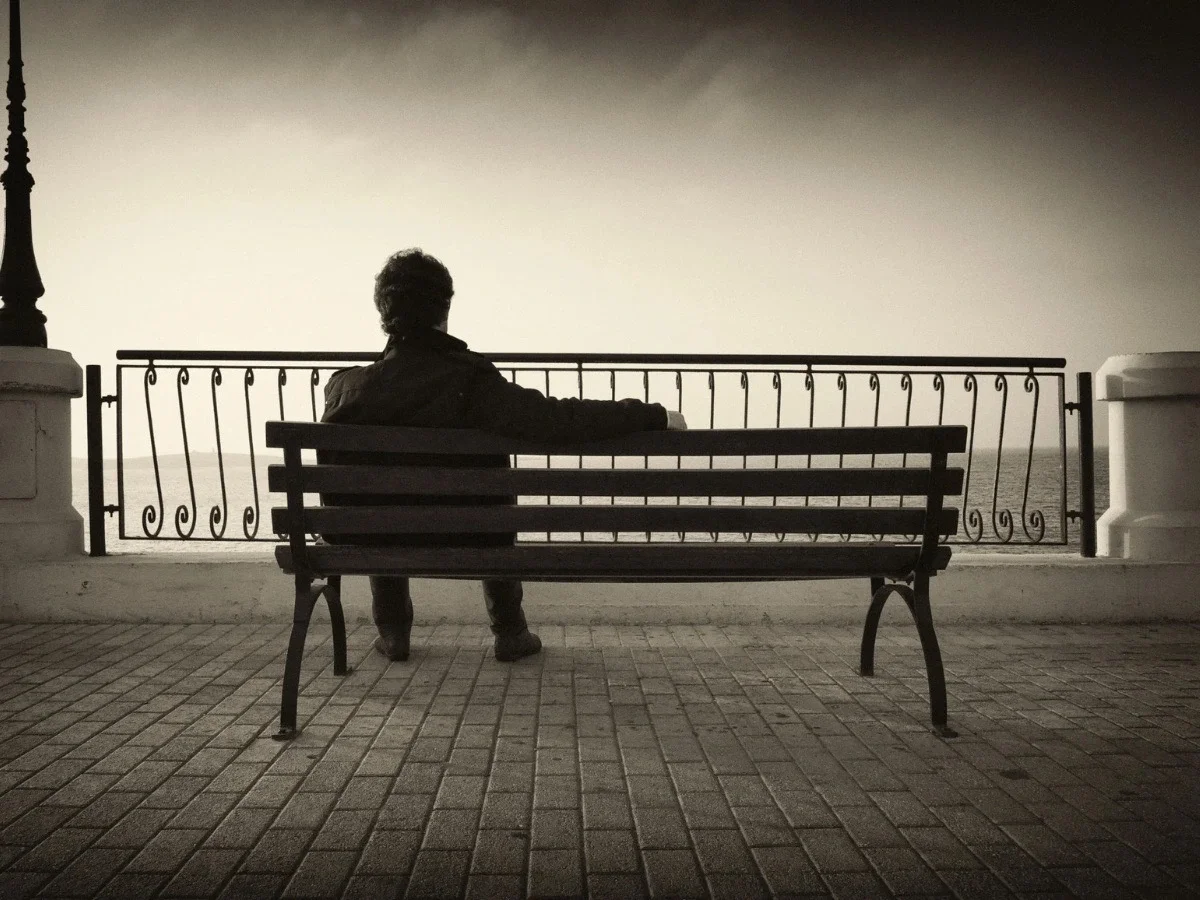
Queer cinema frequently connects visibility with loneliness, longing, and emotional restraint.
Society, Surveillance, and the Fear of Being Seen
In Carol and Portrait of a Lady on Fire, intimacy unfolds beneath constant observation. Public spaces become emotionally charged because visibility itself carries consequences.
These films understand the politics of looking. Tension is communicated through stillness, restraint, and physical distance as characters continuously adjust themselves under the possibility of being seen too clearly.
Queer cinema has long explored what happens when desire must remain coded to remain safe. And yet these films also reveal something transformative: intimacy often becomes more profound precisely because it exists in defiance of restriction.
Intimacy as Resistance

When love is forbidden, even tenderness feels dangerous.
What queer cinema ultimately understands is that vulnerability can become radical.
To love openly in environments shaped by fear is an act of resistance. To remain emotionally visible after shame, repression, or isolation requires extraordinary courage.
These films endure not because they reduce queer life to suffering, but because they understand something deeply human: the desire to be fully known without fear of punishment.
Queer cinema continues to resonate because it recognizes something many films still struggle to confront — being seen has never been equally safe for everyone.
Further Reading
What Artists Know About Looking at Themselves
On visibility, self-perception, and the emotional tension between observing and being observed.How You Talk to Yourself When No One Is Watching
A reflection on inner dialogue, emotional self-surveillance, and the private language that shapes identity.