Ten Films That Show the Importance of Human Connection in Times of Loss and Love

Films about human connection remind us that love and loss are universal experiences. In a world that often lacks empathy across differences, these seven movies reveal why connection remains essential to healing, resilience, and understanding.
We live in an age of constant digital interaction — and increasing emotional distance. Polarization is louder. Patience is thinner. Empathy often feels conditional.
And yet, when grief strikes or love blooms, something universal breaks through the need for connection.
Cinema doesn't just move us — it trains us. If you want to understand why these films land so deeply, our piece on how films influence interpersonal skills and emotional growth explores the behavioral science behind storytelling and empathy. Here, we focus on what those skills make possible: genuine human connection, even in the darkest moments.
Grief & Survival

1. Grave of the Fireflies Love in collapse
Against the devastation of war, sibling devotion becomes lifeline. Institutions fail. Society fractures. Care remains. Connection is survival.
2. Manchester by the Sea Grief and emotional isolation
Some losses do not resolve neatly. This film refuses emotional shortcuts. It portrays grief as immobilizing — but suggests that quiet presence still matters. Connection doesn't erase pain. It prevents complete isolation.
3. Hamnet (2025) Love that outlasts loss
Directed by Chloé Zhao, this film follows Agnes and a young William Shakespeare through the life they build — and the grief that threatens to make them strangers. It gives full, unsentimental space to a woman's mourning. The question it keeps asking: can love transform rather than dissolve when loss becomes unbearable? Connection doesn't promise repair. It offers the possibility of return.
Love Under Pressure

4. Blue Valentine The slow erosion of intimacy
Love rarely collapses suddenly. It fades through missed conversations and emotional neglect. The film becomes a reminder that connection requires maintenance — attention, listening, vulnerability.
5. Call Me by Your Name Vulnerability as transformation
First love may not last — but it expands emotional capacity. The film argues that allowing yourself to feel deeply, even when it ends, is growth. To avoid pain is to limit connection.
6. Sinners (2025) Community as the original act of resistance
Set in 1932 Jim Crow Mississippi, Ryan Coogler's film follows twin brothers building a juke joint — a gathering space, a future — only to face a supernatural threat that functions as a direct metaphor for what has always tried to drain Black culture of its memory and life. The blues isn't just the soundtrack. It's the connective tissue between the living and the dead, between a wounded past and a future worth protecting. Love, here, is an act of defiance. Connection is how culture survives.
Community & Resilience
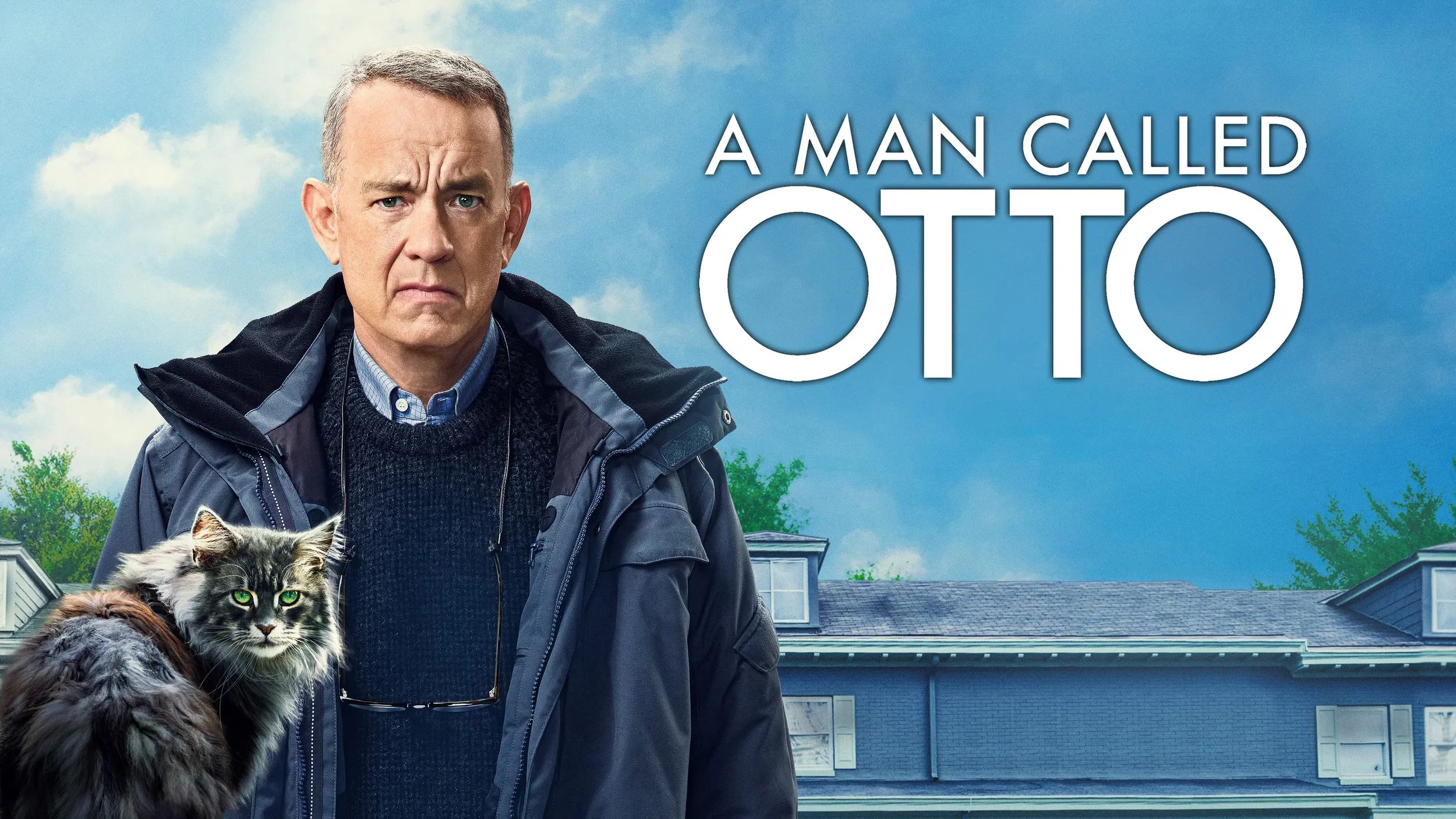
7. A Man Called Otto Community interrupts despair
Grief can calcify into bitterness. Yet small acts of kindness chip away at isolation. Healing often begins externally — through others who refuse to give up on us.
8. The Pursuit of Happyness Parental love as resilience
Adversity reduces life to essentials. Here, what anchors survival is not status — but fatherhood. Emotional bonds become the fuel that sustains endurance.
9. Roma Empathy across difference
Set against social and class divides, the film highlights quiet acts of care. It reminds us that empathy often lives in the unseen — daily devotion, emotional labor, silent protection.
The Ordinary Life, Made Whole

10. The Life of Chuck (2025) Every life is a universe
Told in reverse, this film begins at the end of the world and works backward to a single spontaneous moment: a man dancing in a town square with a stranger, for no reason other than the music moved him. It argues — gently, overwhelmingly — that every ordinary life, fully lived, is enormous.
In a world that reduces people to their loudest moments, this film insists on wholeness.
11. Project Hail Mary (2026) Connection as survival
Underneath the science fiction spectacle, Project Hail Mary is unexpectedly intimate. What begins as a survival story slowly becomes a meditation on companionship, trust, and the emotional necessity of being understood by another consciousness. The film’s emotional center is not romance, but connection itself — the kind that changes a person simply because they are finally witnessed fully and without performance. Amid isolation, fear, and the scale of extinction, the film asks a surprisingly human question: what keeps someone psychologically alive when they are completely alone?
What Love and Grief Reveal About Us
Across cultures, identities, and generations, love and grief remain universal. They cut through performance, status, and division. They remind people of their shared humanity.
In a fragmented world, choosing connection becomes intentional — even radical.
For more stories exploring how love, loss, and complicated family bonds shape identity, read our piece on how dysfunctional families in books improve emotional intelligence.
Stories cannot repair every fracture in society. But they can remind us what happens when people stop seeing each other clearly — and what becomes possible when they begin again.