How Films Influence Interpersonal Skills and Emotional Growth Without Reinforcing Stereotypes
Films influence interpersonal skills and emotional growth by modeling communication, emotional regulation and empathy. When movies avoid stereotypes and portray complex, fully developed characters, they expand our ability to understand others strengthening emotional intelligence in real life.
When we watch films, we practice being humana through them.
If you’ve read our guide to movies that teach empathy and emotional intelligence, you already know cinema can deepen awareness. But beyond emotional recognition, films also shape something more behavioral: how we listen, respond, regulate, and relate.
Storytelling becomes rehearsal space. And the quality of that rehearsal matters.
Why Nuanced Representation Builds Emotional Intelligence
Stereotypes flatten people. Nuanced storytelling expands them.
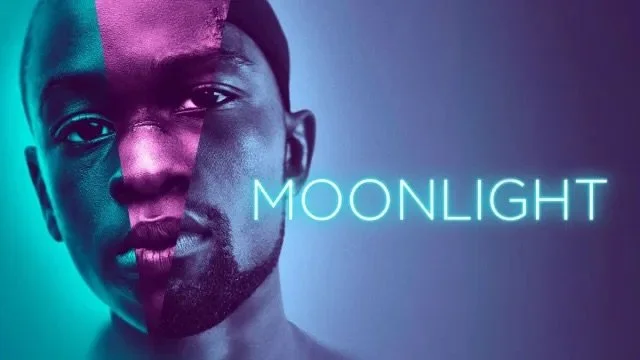
Moonlight portrays masculinity through vulnerability and self-discovery, encouraging viewers to see emotional complexity beyond stereotypes.
In Moonlight, masculinity is not reduced to aggression or dominance. It is vulnerable, searching, conflicted. The film doesn’t instruct viewers to empathize, it creates conditions for it.
In The Farewell, cultural tension isn’t framed as right versus wrong. Instead, it presents layered motivations rooted in love and protection. Holding conflicting thruth is a core emotional intelligence skill.
In CODA, deafness is portrayed with authenticity and agency rather than pity. That shift moves us from sympathy to understanding.
And Minari refuses to reduce the immigrant experience to hardship alone. It includes humor, pride, friction, tenderness — fullness of human contradiction.
Films as Interpersonal Skill Training
Great films don’t just represent emotion; they model relational behavior.

Marriage Story explores how miscommunication and unresolved emotion can escalate conflict, offering a powerful cinematic study of interpersonal dynamics.
Communication and Active Listening
In Marriage Story, we witness how miscommunication escalates conflict. The emotional devastation isn’t theatrical — it’s familiar.
The film becomes a case study in what happens when partners argue to win instead of to understand. Watching this dynamic sharpens awareness:
Do we listen to reply or to comprehend?
Emotional Regulation and Literacy
Inside Out delivers one of the most important emotional lessons in modern cinema: every emotion has value.
Joy cannot function without Sadness.
Anger signals boundaries.
Fear protects.
Psychological research supports this idea. A study summarized by Harvard University highlights that individuals with higher emotional intelligence demonstrate strong interpersonal relationships and better conflict management outcomes. Emotional labeling — the act of naming feelings — improves regulation and relational functioning.
When films teach us to identify emotions clearly, they strengthen how we manage them in real life.
Navigating Conflict Across Difference
In The Hate U Give, the protagonist navigates dual identities across cultural and racial divides. The film refuses simplicity. Instead, it places viewers inside discomfort.
Sitting in discomfort without defensiveness is a core interpersonal skill.
Growth lives there.
Breaking Stereotypes Expands Our Emotional Range
Stereotypes are emotionally lazy. Complexity requires maturity.

Minari explores identity, belonging, and family resilience, portraying the immigrant experience with nuance, humor, and emotional honesty.
In The Intouchables, friendship forms across race and disability not through sentimentality, but through humor and reciprocity.
In Everything Everywhere All at Once, generational trauma, immigrant identity, absurdity, and maternal love coexist simultaneously. People are contradictory — and that contradiction is human.
The more contradiction we can tolerate in characters, the more compassion we can extend to real people.
Cinema as Emotional Rehearsal

The film CODA centers on a hearing daughter in a deaf family, portraying communication, identity, and emotional connection without reducing disability to stereotypes.
When we watch apology, forgiveness, restraint, vulnerability — we internalize scripts. The next time we face conflict, we draw from those emotional rehearsals.
The question becomes: What kind of humanity are we practicing?
For a deeper exploration of how emotional storytelling builds empathy, revisit our original feature on films that strengthen emotional intelligence. And in our companion piece on films about human connection and loss, we explore why connection becomes survival in divided times.
Cinema goes beyond entertainment; it stretches our relational capacity.
The influence of storytelling doesn’t stay confined to the screen. Sometimes it becomes visible in the stories a culture chooses to celebrate.
What This Year’s Oscars Confirmed

Jessie Buckley wins Best Actress at the Academy Awards for Hamnet, a performance widely praised for its emotional depth and portrayal of grief and maternal resilience.
Watching the recent Academy Awards ceremony offered a small but telling reminder of this pattern.
Looking across the nominations and conversations surrounding films like Sinners, Hamnet, and One War After Another, what stood out wasn’t the spectacle. It was emotional gravity. The stories people were talking about most weren’t simply technically impressive — they were relational. They explored guilt, belonging, loyalty, grief, and the fragile ways people try to understand one another.
The films that lingered in discussion were the ones that created a feeling of shared experience. Not because they solved human conflict neatly, but because they allowed audiences to sit inside it. That shift matters.
For years, the industry rewarded scale and novelty. They are allowed contradiction, tenderness, uncertainty — the same qualities we navigate in real relationships.
This is where cinema becomes culturally important beyond entertainment.
When audiences collectively respond to layered storytelling, it signals something about what we are ready to practice as a society: patience with ambiguity, empathy across difference, and curiosity about lives unlike our own.
The films that stay with us rarely shout their lessons. They invite us into emotional proximity. And in that quiet proximity — scene by scene, character by character — cinema continues shaping how we understand one another.
FAQs
1. How do films influence interpersonal skills?
Films model communication styles, emotional responses, and conflict resolution. By observing nuanced characters, viewers practice empathy, perspective-taking, and emotional regulation.
2. Can movies improve emotional intelligence?
Yes. Research shows that exposure to emotionally complex storytelling increases empathy and emotional recognition skills, especially when viewers actively reflect on character motivations.
3. Why is avoiding stereotypes important in film?
Stereotypes reduce people to simplified traits, limiting understanding. Nuanced portrayals encourage viewers to see individuals as multidimensional, which strengthens real-world empathy and relational maturity.