The Pirate Queen by Ariel Lawhon
On accumulation and the authority no one would grant her.

The sea was the first place that made room for her.
Around 1530, a daughter is born into a script already written: marry well, bear children, keep the household. Gráinne Ní Mhaille, known in English as Grace O'Malley, wanted the sea.
Most of what survives about her was written by officials who spent years trying to contain her. In their letters, she is a pirate and a problem on the western coast. Her interior life went unrecorded. Ariel Lawhon's novel imagines it across three sections: maiden, mother, matriarch. Gráinne outlives her parents and much of her generation, and carries love, loss, betrayal, and political struggle forward, each earlier self folded into the next.
That is not a story of resistance. It is a story of accumulation. The sea is where the carrying begins.
The Sea Made Room
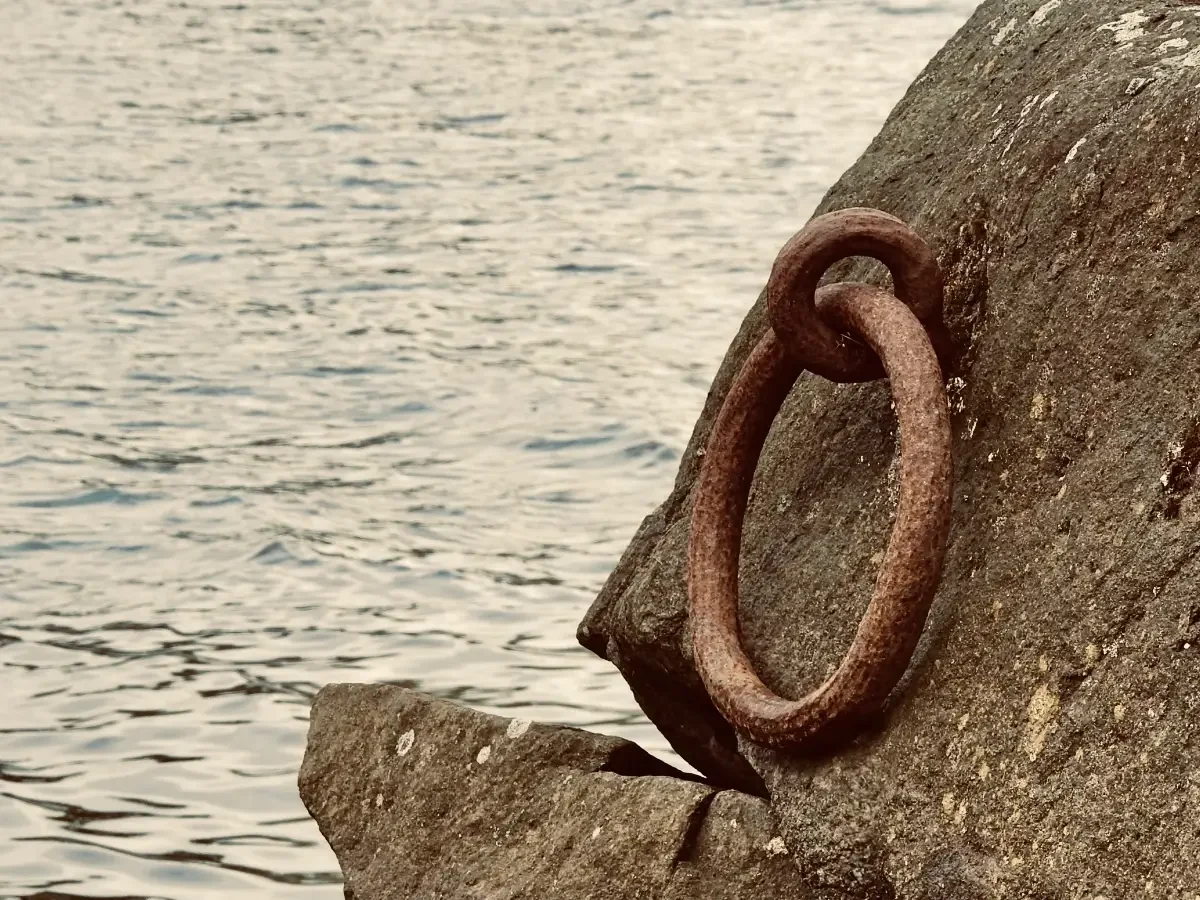
A place to hold fast.
At sea, Gráinne learned to fight and to read dangerous water. Respect came slowly and was never freely given. She claimed it again each time. A ship was the one place that made room for her.
What the Land Withheld
She could command a ship. She could not inherit a chieftaincy. Tanistry, the Gaelic system of succession, passed authority through men, and a daughter, however well educated, stood outside it. Gráinne understood what she was owed and what had been taken. She went after it.
Love Had Its Price
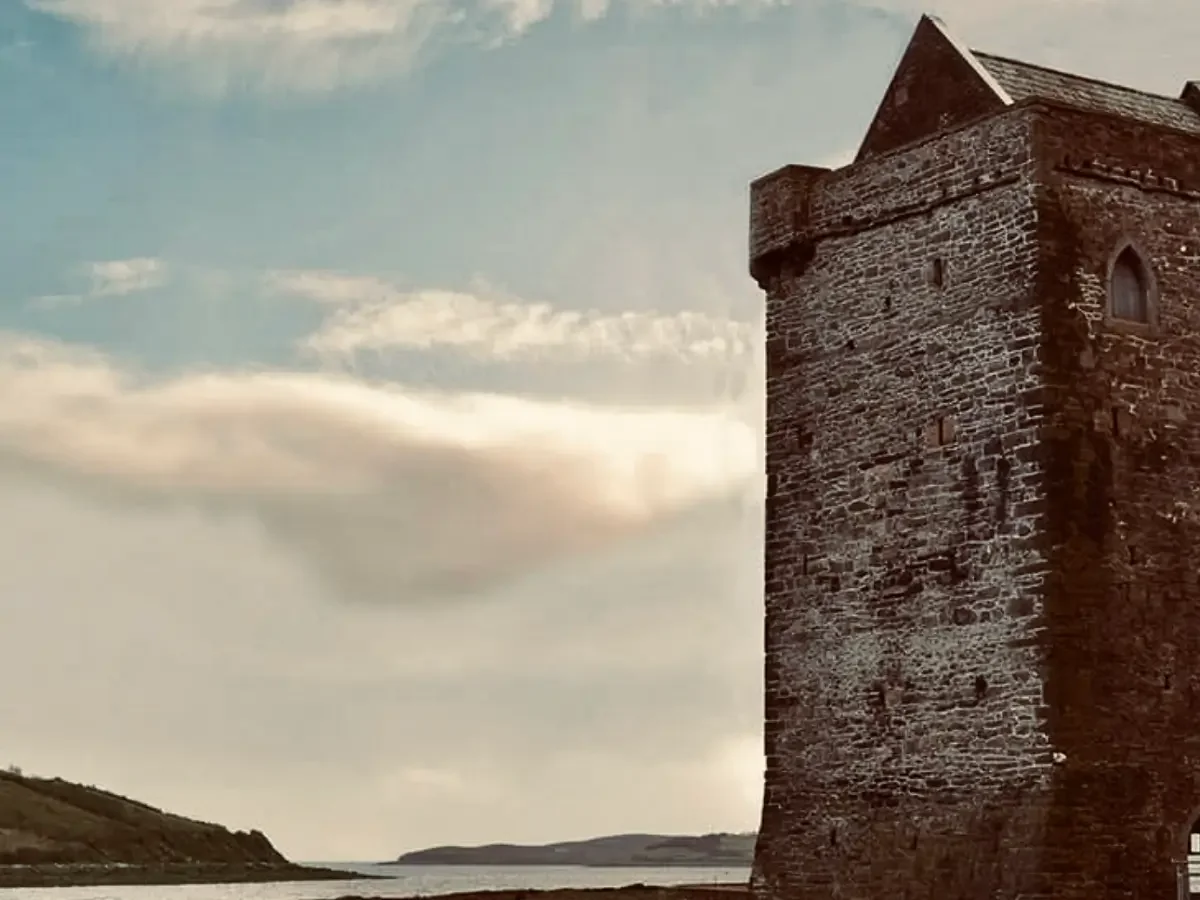
A stronghold between two worlds.
In the novel, Elizabeth I tells her that children are a liability. Gráinne knows the complicated truth of that better than most. Some of her children stood beside her, and others wounded her. She forgave them, often without being asked.
A woman can command ships, defend land, and negotiate with queens, and still be undone by the people she loves most.
The Name That Remained
She ruled between two orders: a Gaelic Ireland that had already decided a daughter could not inherit, and an encroaching English one that offered no better claim. Neither was prepared to give her a title. Pirate Queen is the name left over.
Not inherited. Not granted. Held.
Further Reading: On Power That Was Never Given
These pieces follow the same idea in different forms—that women have long been denied authority and what they held, claimed, negotiated, or built against a world determined to withhold it.
→ A Betrayal That Didn't Need to Be Cruel: A different century, the same refusal to be written out of one's own story—friendship and survival across a lifetime shaped by forces larger than either woman chose.
→ The Word Written Once, on One Form: A different mechanism for the same question—how much of a life is decided by circumstances a person never consented to.