February Book Pick: The Names by Florence Knapp
On why closeness doesn't guarantee clear sight.
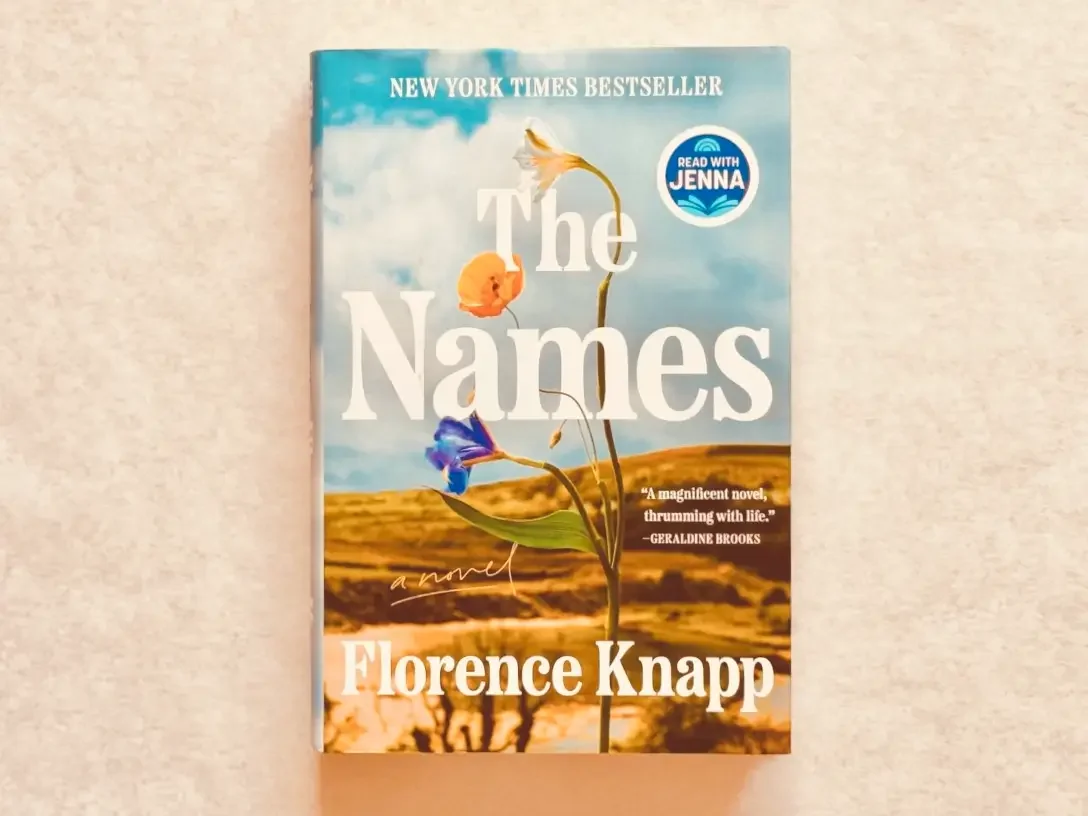
The Names is a debut literary fiction novel that examines family dynamics and emotional survival.
The Names begins with an assumption most families share without saying it out loud: that loving someone closely means understanding them accurately. Florence Knapp spends the rest of the novel taking that assumption apart.
Its tension builds through small shifts in behavior, silences that last too long, and versions of events repeated often enough to become difficult to question.
The novel keeps testing not whether these people love each other. It is whether loving someone is the same as seeing them.
Three People Watching the Same Family
Gordon, Julian, and Bear move through the novel carrying different versions of memory, desire, and power. None is easily reduced to a role, and the novel resists giving any of them the moral certainty that would make the others easier to understand.
Each character sees from somewhere different: what one experiences as care, another experiences as control. What one calls loyalty looks, from outside, like denial.
The distance between those perspectives is where the novel's real tension lives — not in what anyone is hiding, but in how differently each of them is looking.
Cora and the Cost of Choice

Emotional restraint and silence shape the tension in The Names, a novel grounded in psychological realism.
Cora sits at the center of the emotional story, caught between attachment and what she knows about the people she loves.
Her decisions are not dramatic acts of rebellion. They are smaller negotiations with pressure, fear, and consequence. The novel understands that awareness does not always produce action. Sometimes knowing what is happening only makes the cost of changing it clearer.
Silence can feel safer than disruption. Accommodation can look like love. Endurance can become so familiar that it starts to resemble choice.
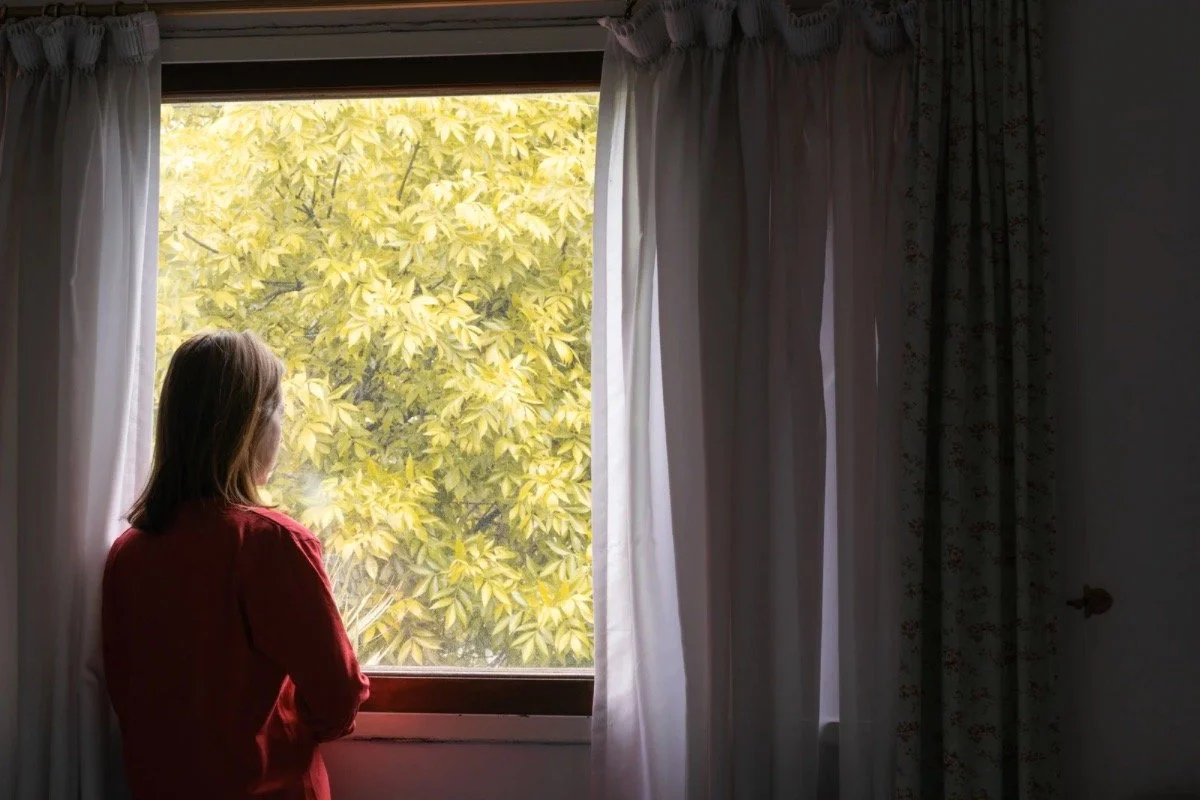
A visual echo of Maia at the window, where silence becomes self-preservation.
Maia and the Distance Closeness Doesn't Close
Maia's silence is not treated as weakness. It is a form of self-preservation.
But her silence says something about the people who love her, too. They haven't lied to her. They've never looked at the place where the truth would be.
The novel is attentive to that exchange: what gets protected when something remains unspoken, and who carries the cost of not being seen clearly enough to be asked.

Fractured perception reflects the emotional ambiguity at the heart of The Names, a literary fiction debut.
What Family Doesn't Guarantee
The Names is ultimately interested in how little accurate perception has to do with love. A family can share a house, a history, and a genuine devotion to one another, and still each be looking at a version of the others that stopped being current years ago.
Through its exploration of same-sex relationships, intimacy, and visibility, the novel asks what happens when a private truth no longer fits comfortably inside the version of each person everyone else has already settled on.
The most unsettling thing isn't that people misunderstand each other.
It's how long you can love someone specific and still be looking at whoever they used to be.
Further Reading: On What Closeness Doesn't Promise
These pieces sit with the same discomfort from different angles—what intimacy guarantees, and what it doesn't.
→ The Safekeep: On the questions a house lets you stop asking — a companion in subject, not conclusion: where that piece is about a story protected on purpose, this one is about a family that never had to choose to look away, because looking clearly was never something intimacy promised to begin with.
→ When the Villain Feels Familiar: On the discomfort of recognizing yourself in the person you're not supposed to root for — the same refusal to grant anyone moral certainty, turned toward a family instead of a single character.