Broken Country by Clare Leslie Hall
On what it costs to want your old self back.
Broken Country opens with a body already found: a farmer is dead, and Beth Johnson knows exactly who's likely responsible. She just isn't ready to say which of the people she loves it is.
Hall builds the novel around that withholding, moving between the 1950s, when seventeen-year-old Beth falls for a boy named Gabriel Wolfe one summer, and the 1960s, when she is married to a quiet sheep farmer named Frank and still mourning their young son, Bobby, dead in an accident two years earlier. When Gabriel returns to the village, newly separated and raising a son of his own, the novel's real question isn't whether Beth will be tempted. It's what she's actually trying to get back.
That's Broken Country's argument: the pull toward an old love rarely has much to do with the person standing in front of you. It has to do with the self that person still remembers you as, before loss rewrote you into someone else.
Beth and the Self Grief Erased
Beth's marriage to Frank is not unhappy. That's what makes her pull toward Gabriel so strongly, and difficult to explain away as simple desire.
Gabriel doesn't just remind Beth of first love. He remembers a version of her that existed before Bobby died—a version she has not been able to locate in herself since. Wanting Gabriel back and wanting that self back are hard to separate.
Hall doesn't let this read as straightforward temptation. It reads as grief looking for a door it can still walk back through.
Leo and the Boy Who Isn't Bobby
Gabriel's son, Leo, is the novel's quietest device. He is a child roughly the age Bobby would have been, arriving at exactly the moment Beth's grief has nowhere left to go.
Beth's tenderness toward Leo is real. It is also, unmistakably, doing something else: standing in for a relationship that ended, with a child who is available in a way her own son no longer is.
The novel doesn't punish her for this. It just lets the reader watch her do it, and watch how easily care and substitution can look identical from the outside.
Frank and What Steadiness Doesn't Protect Against
Frank is the one who stayed. He picked up the pieces after Gabriel first left, built a life and a farm with Beth, and has spent a decade being the reliable answer to a question she never entirely stopped asking.
In Broken Country, steadiness isn't weakness, but it is not immunity either. Frank's presence doesn't prevent Beth's longing. It gives her somewhere safe to have.
What Nostalgia Actually Costs
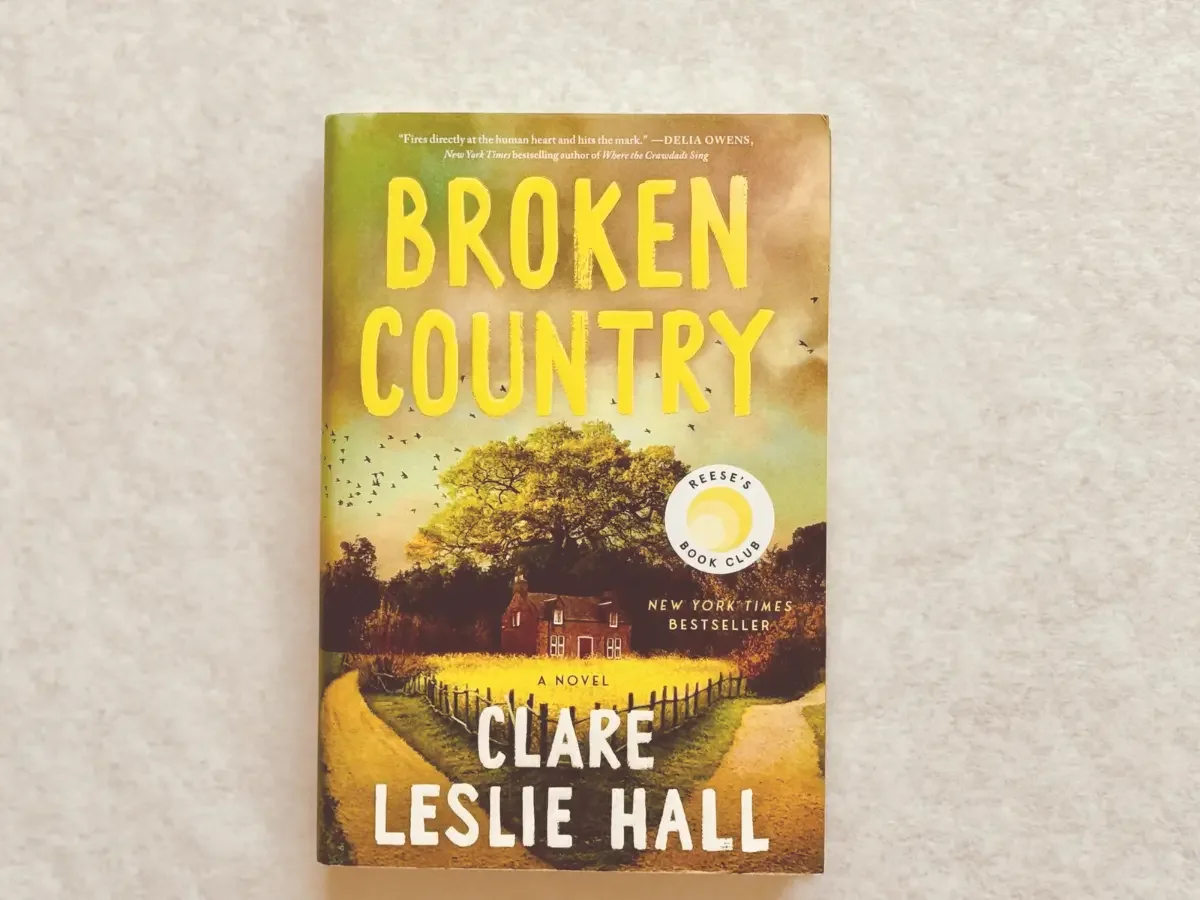
Broken Country by Clare Leslie Hall Book Cover
Broken Country isn't really asking whether Beth should have married Frank or waited for Gabriel. But what happens to the people around someone who are quietly trying to undo a version of their own history?
Without knowing, Frank lives the full shape of what he's absorbing. Leo becomes something he never agreed to be. And Beth, reaching for a self that existed before she knew what loss was, finds that the self she’s chasing may not have survived the same country she's still standing in.
Further Reading: On the Selves We Try to Get Back
These pieces live in the same pull in different forms—what it costs to reach for a version of yourself, or your family, that no longer exists.
→ Minbak: On what happens when privacy runs out of room—a companion book pick on what withholding costs the people kept in the dark about it.
→ When the Villain Feels Familiar: On the discomfort of recognizing yourself in the person you're not supposed to root for—the same complicity, turned toward a woman instead of an antagonist.