On belonging and the seating chart no one wrote down.
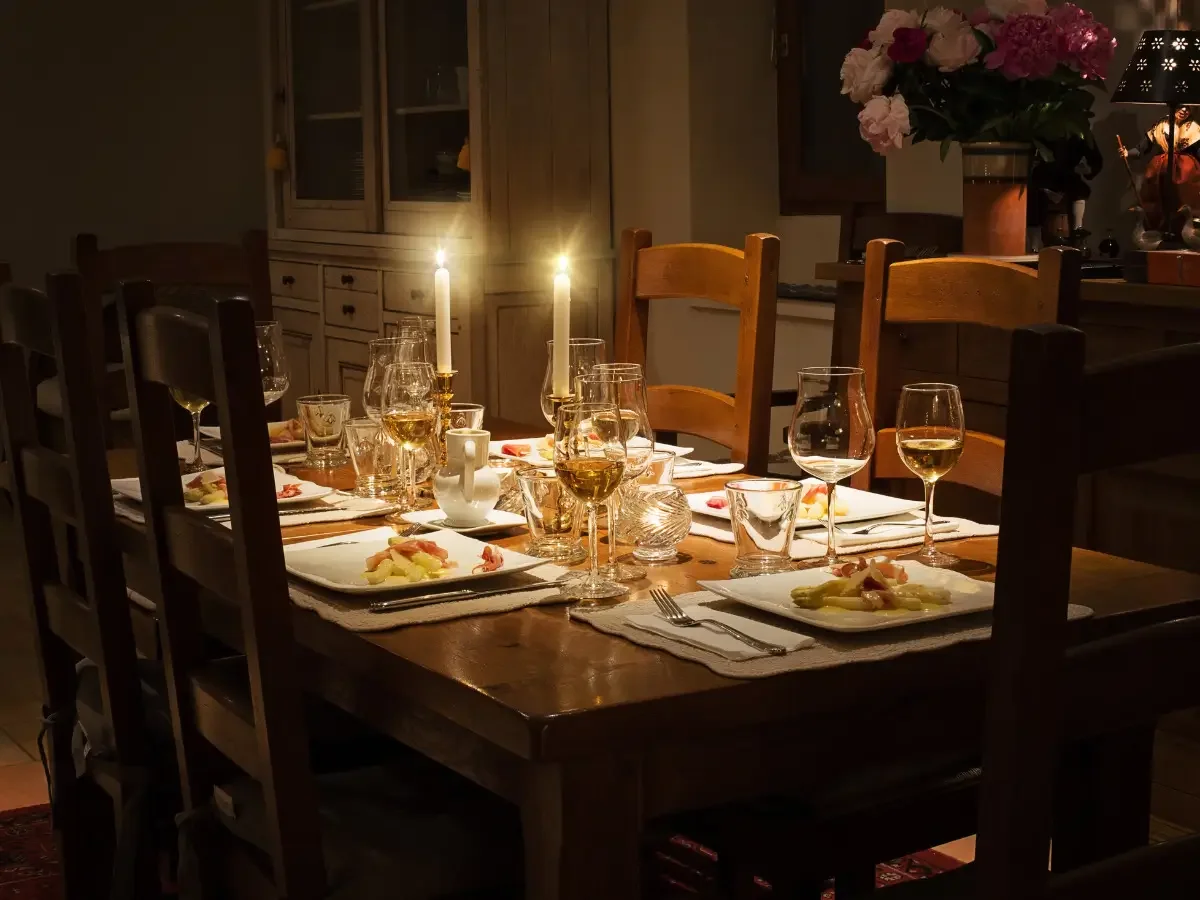
Every family has a seating chart. No one wrote it down.
A holiday table this week. A wedding, a reunion, a long drive home next season.
The car is parked. Through the door, you can hear the room: who is laughing, who isn't, the pitch a family's voice takes when it expects you.
What changes between visits is rarely the people. It's the arrangement. The chart records who sits near the head, whose story is told on her behalf, and who keeps earning a chair that was always hers.
Fiction reads that chart from the outside first.
Not Placed
Frankie McGrath comes home from Vietnam to a family that measures worth by military service. In The Women, the men have their place on the wall of honor. For her, her parents have a cover story: she has been studying in Florence.
At the family's annual Fourth of July party, held at her parents’ home, nothing needs to be withheld, because the story has already been told. She is welcome. She is not placed. The conversation keeps finding somewhere else to go, and she learns to read where, because the silence has a map too.

Most exclusion has no moment to point to. It arrives as a seat near the end of the table, a question that moves on before the answer comes, a pleasantry that closes over what you carried. By the time you notice, it has already become the arrangement.
Homecoming is the discovery of what a place decided while you were gone.
Composure
Lucrezia de' Medici sits at the banquets of a court that watches her. In The Marriage Portrait, a banquet is a performance with an audience that is also a jury. A courtesy and an intention can sit side by side at the same table, and her survival depends on telling them apart.
Few tables are anywhere near that dangerous. The posture is familiar anyway: composed, attentive to everything, keeping a private tally of what was said and what was meant, invisible to everyone but the person doing it. Many women learn it early, in rooms where being agreeable was the price of being left alone.

O'Farrell makes the cost visible. A table that requires a performance is not one you can rest at, and the vigilance doesn't switch off when the plates are cleared. It follows you into the car.
Standing Elsewhere
In The Pirate Queen, Gráinne Ní Mhaille is refused the place her ambition demands. She does not spend her life waiting to be given it. Her authority takes shape elsewhere: on a deck, in a stronghold, face to face with a queen.
Standing and belonging are different things, and only one is someone else's gift.
The table at home is waiting all the same. The plates will be set out, the familiar places taken, the conversation already in motion.
Further Reading: On belonging and the rooms we return to.
→ The Women by Kristin Hannah: A combat nurse comes home to a country insisting women never served in Vietnam.
→ The Marriage Portrait by Maggie O'Farrell: A portrait sitting becomes a countdown, and Lucrezia de' Medici is given an interior life.
→ The Water Family: The family that won't claim her, and the five who refuse to leave her unclaimed.