Why Childhood Vacations Feel Larger Than They Were
On memory, unfamiliar places, and why a week at your grandmother's house can outlast a month as an adult.
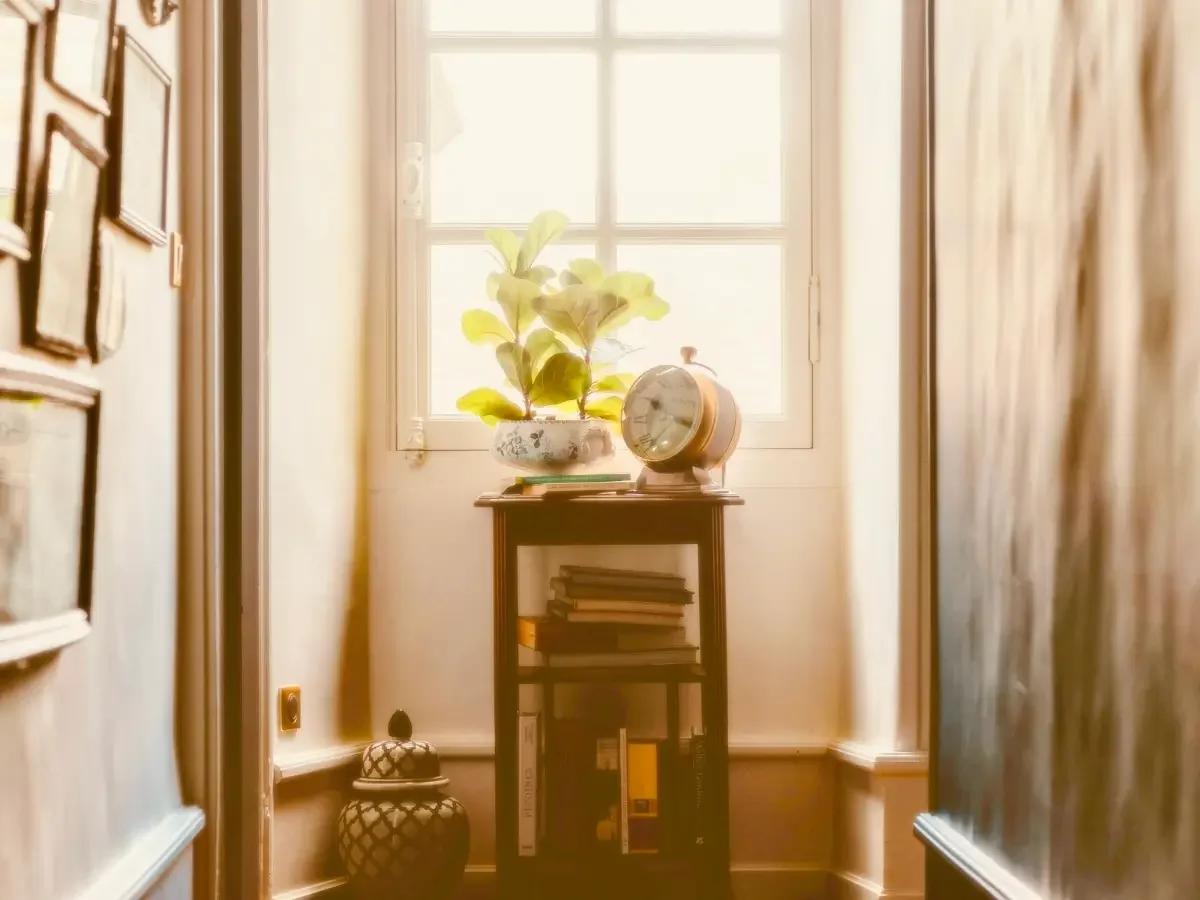
Still exactly where it was left.
At age eight, a single week at the beach can occupy more remembered space than an entire ordinary year does now. Ask most adults to describe a childhood vacation, and they'll produce a small museum: the scent of a particular hallway, the exact texture of a bedspread that wasn't theirs, the route taken to the beach, a game invented once and never played again. Ask the same adult to describe last April, and they'll struggle to fill thirty seconds.
The trip wasn't longer. Yet, it feels that way.
A Life Made Entirely of Firsts
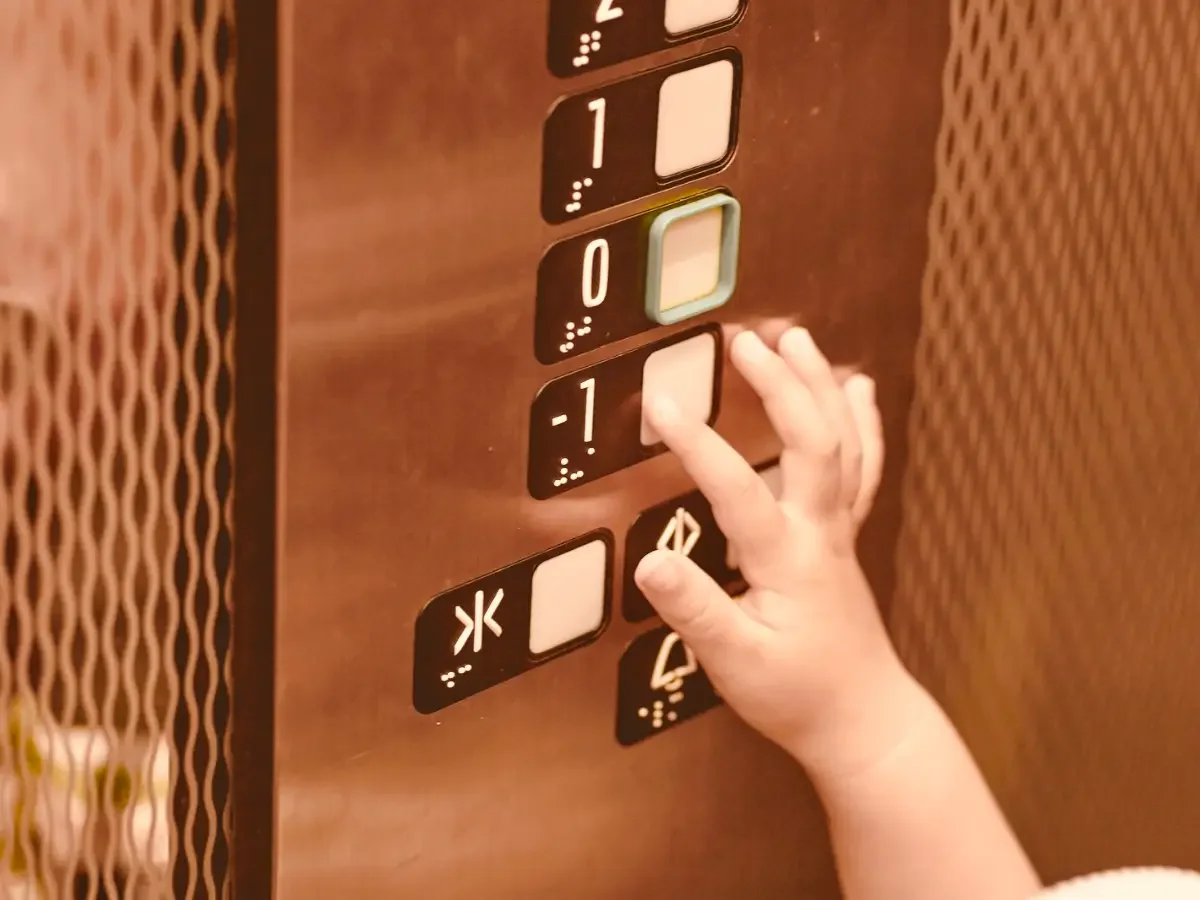
Everything qualifies as novel.
The psychologist Claudia Hammond calls this the Holiday Paradox: a trip feels like it flies by while you're in it, then expands the moment you look back. The mechanism is memory, not the clock. We judge time two different ways—in the moment, and in hindsight. Hindsight is built by counting memories, not minutes. More novelty means more gets recorded, and a mind assumes more recorded time must mean more time passed.
At eight, almost everything qualifies as novel. A hotel is not simply a hotel. It's the hotel with the unfamiliar elevator, the strange carpet, and the pool seen from the bedroom window. A grandmother's house has its special rooms. It has unique sounds at night and its own scent. None of it has been filed away yet as known, so all of it gets recorded.
A child on vacation encounters places for the first time in their life, not for the first time that year.
The Places That Stay
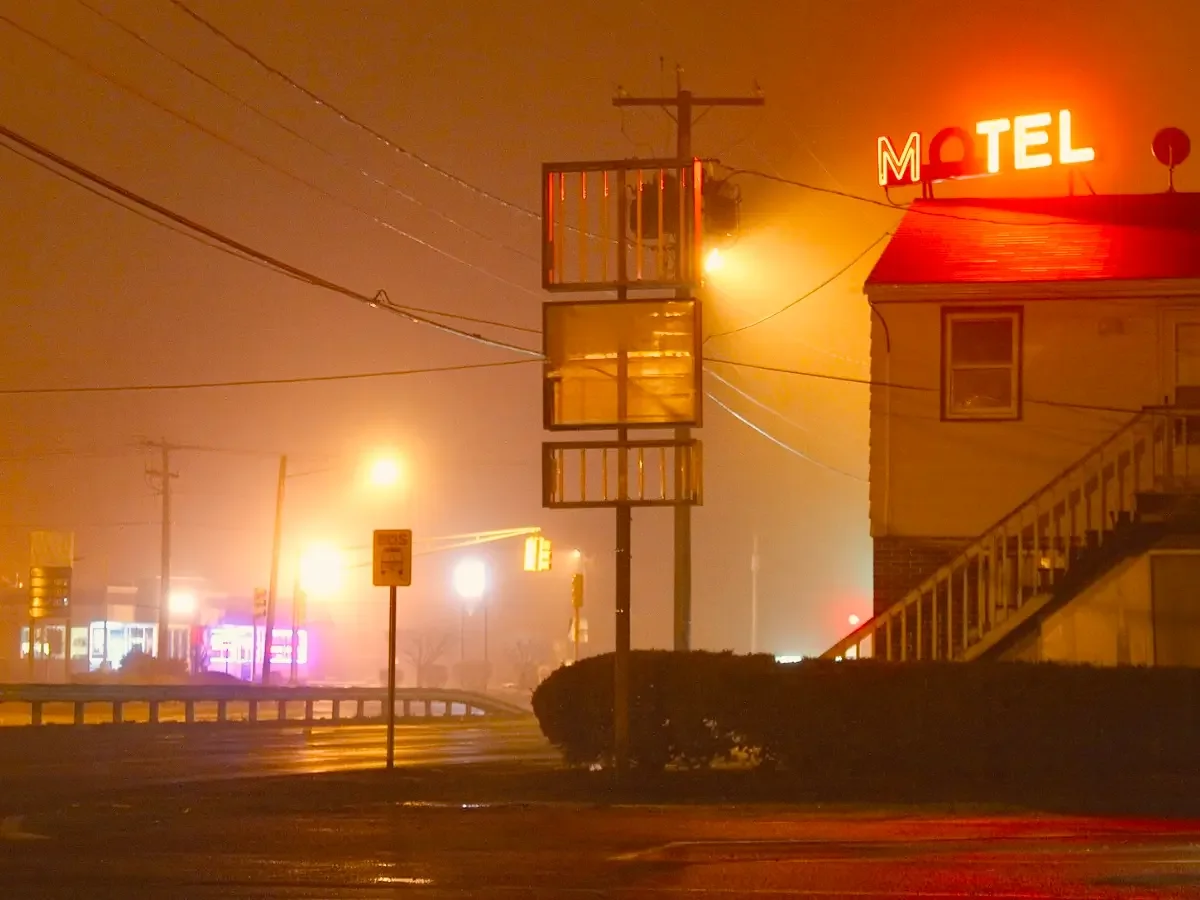
Seen once, from the back seat.
This is why childhood vacations feel so much larger in retrospect than they measured at the time—not breaks from ordinary life, but periods when the map of the world was still being made.
A place visited once can become surprisingly permanent: the house at the end of the road, the stretch of beach where everyone put their towels, the shop that sold postcards, the motel sign seen from the back seat. None of it necessarily seemed significant at the time. It was simply where you were.
Returning to a childhood place later reveals what changed. The house is smaller. The road is shorter. The walk to the beach takes no time at all. What changed was never the place.
What the Hallway Still Holds
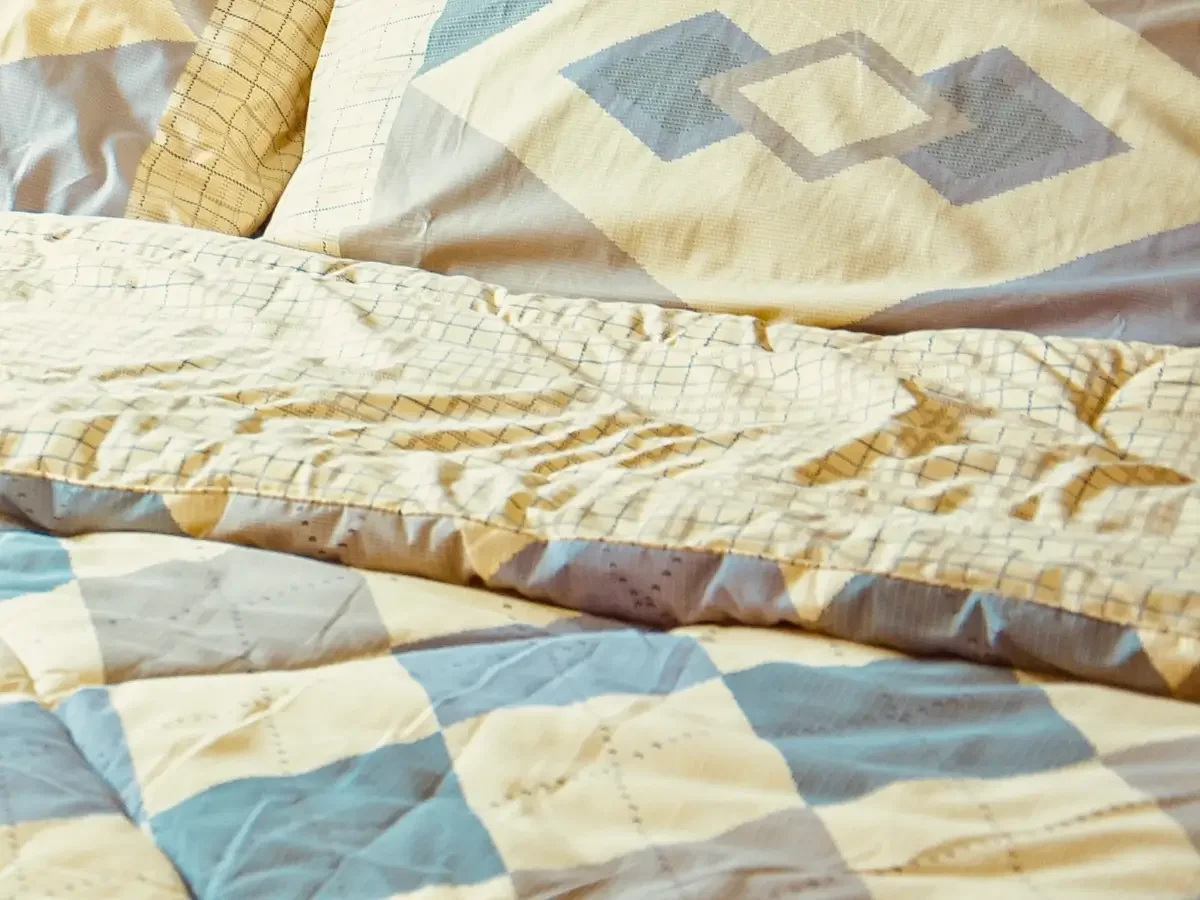
Kept without anyone deciding to.
The memories that survive are rarely the ones anyone would have thought to preserve. Nobody photographs a hallway because it seems important. Nobody knows a specific bedspread will still be remembered decades later. The game invented one afternoon doesn't announce that it will become part of the story.
It gets kept anyway.
At eight, nothing has been marked as ordinary yet—there are not enough accumulated experiences of hotels, beaches, houses, and roads to know how much the world repeats itself. A place can feel enormous because there's no scale to measure it against.
There wasn't more time. The places were new, but so were we.
Further Reading: On What Gets Remembered Larger Than It Was
On memories that don't preserve what happened but who we were while it was happening.
→ What the Playlist Remembers: The same mechanism, a different container—why a song, like a childhood trip, holds onto atmosphere long after the actual details have faded.
→ Why We Romanticize Places We Barely Knew: A different reason the past expands — not novelty this time, but a place merging with the person we were the last time we stood in it.