On color, texture, scale, and buying accessories you already know you want.

Accessories are the last thing most women think about, and often the first thing others notice.
A scarf, a belt, a pair of earrings chosen with care. They speak when nothing else does, about confidence, taste, about the version of yourself you decided to show up as today.
They are also the cheapest way to change an outfit, and women have known it for a long time. Miriam Haskell opened a costume-jewelry boutique in New York in the 1920s, and her business grew through the Great Depression, when women who couldn’t buy new clothes used costume jewelry to update last season’s outfits.
Shopping for accessories well is less about budget than about knowing what you want before you look.
Three variables decide most of it: color, texture, and scale.
Color
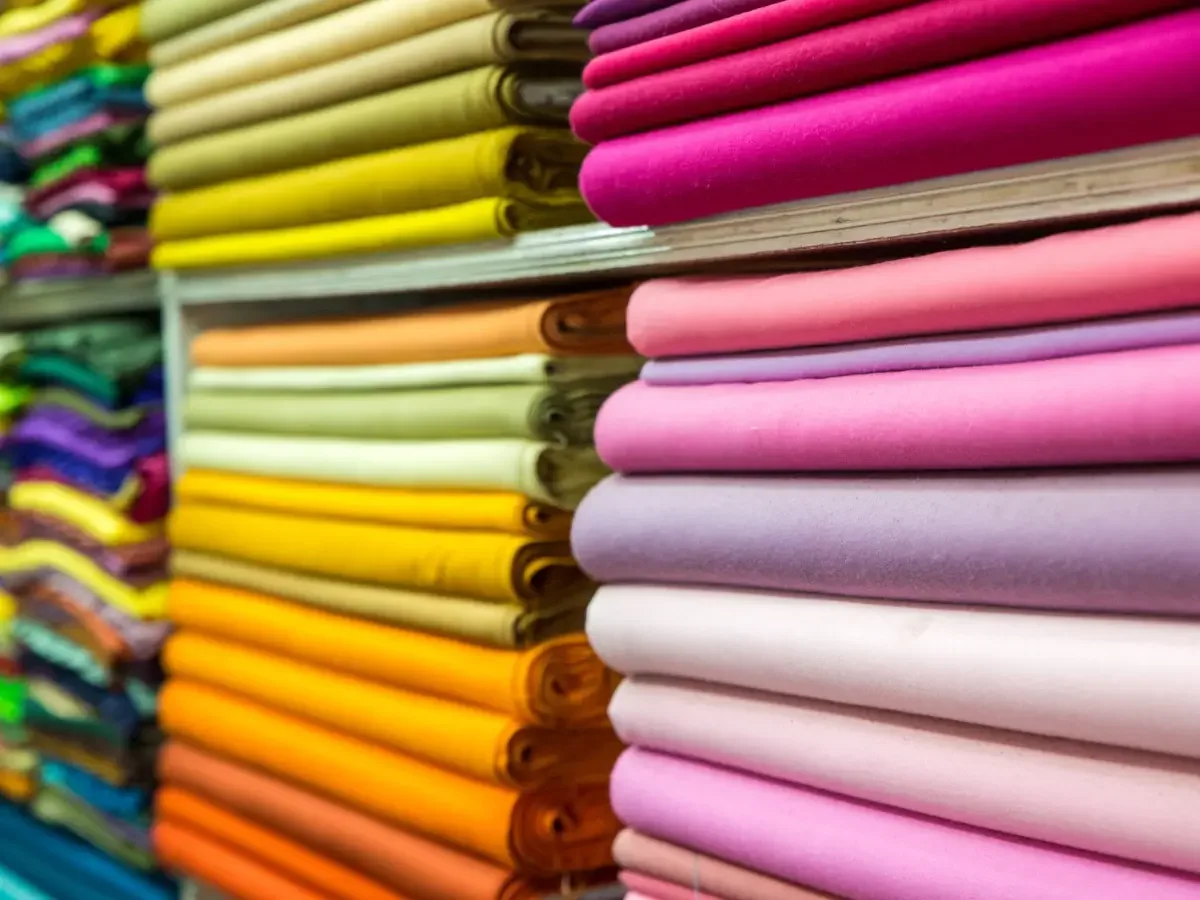
Color shapes how you feel before anyone else sees it. Vivid tones - red, cobalt, vibrant yellow- carry energy and declare something. Muted neutrals and soft earth tones settle and ground. Neither is more sophisticated than the other. The question is which one feels honest to you on a given day, in a given room.
A practical starting point: choose one or two accent colors that feel most like yourself, then anchor everything else in neutrals. This is not a formula. It is a habit of coherence, one that makes getting dressed easier without making it less interesting.
Texture
Texture is the most underestimated of the three, because it’s the only one the wearer feels: the sleek polish of metal, the soft drape of silk or chiffon, the warmth of woven fabric or leather, the organic weight of stone or natural fiber. A day on the move asks for lighter, durable textures. A day for a statement asks for richer, tactile finishes. Accessories that feel good against the skin make you feel more confident, and it shows.
Scale
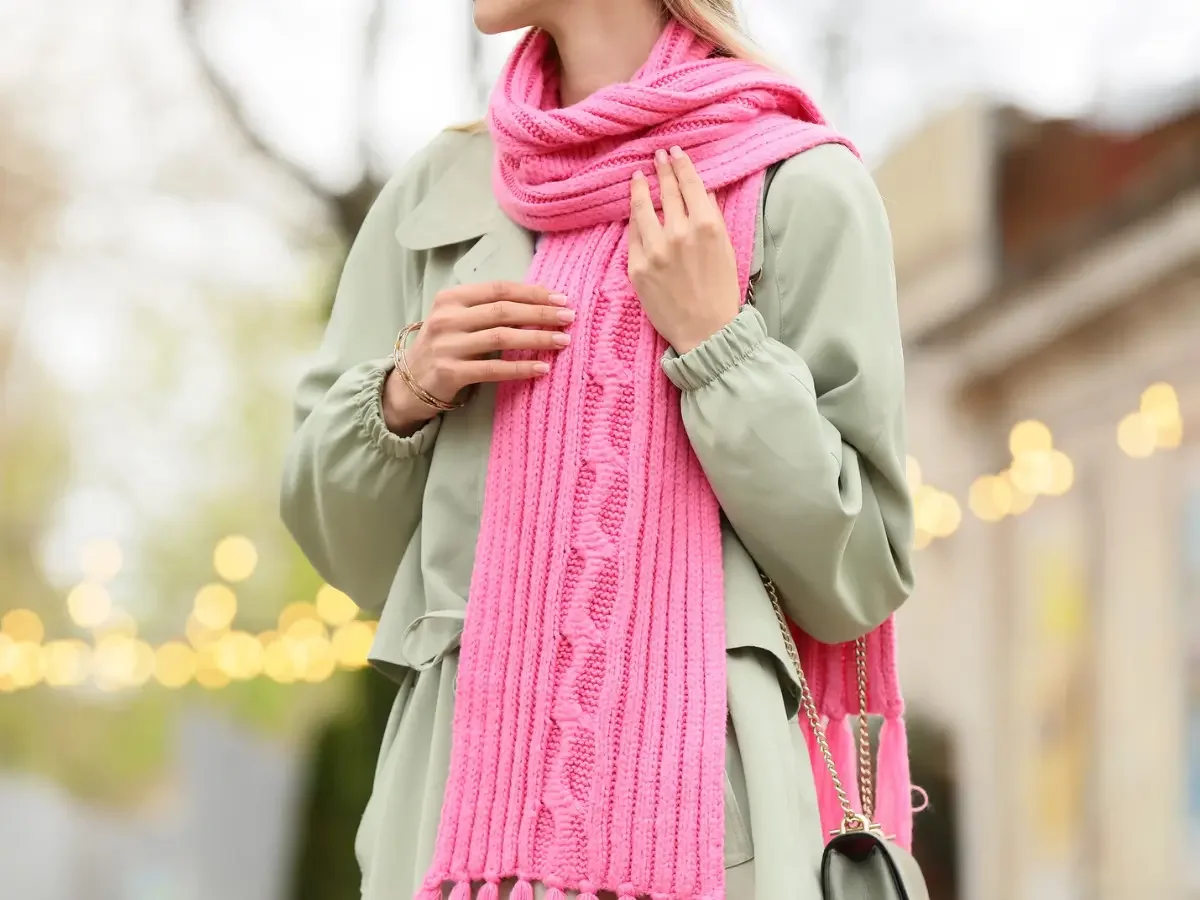
Scale decides impact. Dainty chains, slim belts, and small hoops make a quiet, polished effect. Chunky jewelry, oversized scarves and wide belts command attention. Neither is the safer choice. The right scale is the one best suited to your frame and comfortable enough to wear all day.
What a Screen Can’t Tell You

Color, texture, and scale are also the three things a product page cannot tell you. On a screen, color is approximate, texture is invisible, and scale is a guess; which is how a piece that looked perfect arrives wrong: the finish is off, the size sits differently on the body, nothing in the wardrobe answers it. Knowing your colors, textures, and scale in advance turns a gamble into a decision, and on a budget, where every regret costs something, and that is the difference.
What Was Already There
The most compelling accessories are rarely the most expensive ones. They are the ones chosen with a clear sense of what was already there: what the wardrobe needed, what the moment called for, what felt true rather than aspirational. Buy for the life you are living. Style follows from that, not the other way around.
Further Reading: On What We Add Last
These pieces follow the same idea in different forms — that what we add last says what we knew first.
→ The Women Who Dress Best Are Not the Ones Who Follow Trends Most Closely: The wider argument: style lives in the detail, and the question before any purchase is where it goes.
→ The Scent Someone Keeps of You: The accessory no one sees: the choice that completes an outfit without being visible.
→ The Winter Wardrobe, Reconsidered: The edit that makes the accessories make sense.