On editing and what the coldest months make clear about what belongs.

Winter asks something specific of a wardrobe. Not more. Better. The season that strips everything back clarifies what belongs and what has been taking up space.
The pieces that earn their place are rarely the newest ones. They are the ones that work quietly, repeatedly, across almost every version of your day. The coat you reach for without thinking, the turtleneck that makes everything else make sense. Building that wardrobe is not a trend exercise. It is an editing one.
It begins with the coat.
The Coat That Does Everything
The cornerstone of a winter wardrobe is outerwear, and the coat that has held that position longest is also one of the plainest. In 1981, French designer Anne-Marie Beretta drew the 101801 for Max Mara, an oversized camel coat in wool and cashmere; the house hasn’t restyled it since. Its appeal is proportion: a generous cut, kimono sleeves, the texture of good wool. Camel, charcoal, and plaid are the lasting colors, and a lined denim or twill jacket handles milder days. A vintage coat from a thrift shop or resale site carries what a new one can’t: the traces of a life before your own.
The Silent Layer
The turtleneck is the silent hero of cold-weather style, worn alone or beneath vests, dresses, and jackets to create a clean line. Cream and mocha feel warm and grounding. Deep plum adds an unexpected note. Under a knit vest or slip dress, with a maxi skirt and boots, or beneath a fitted jacket and high-waisted jeans, it decides the rest of the outfit.
What Holds the Season Together
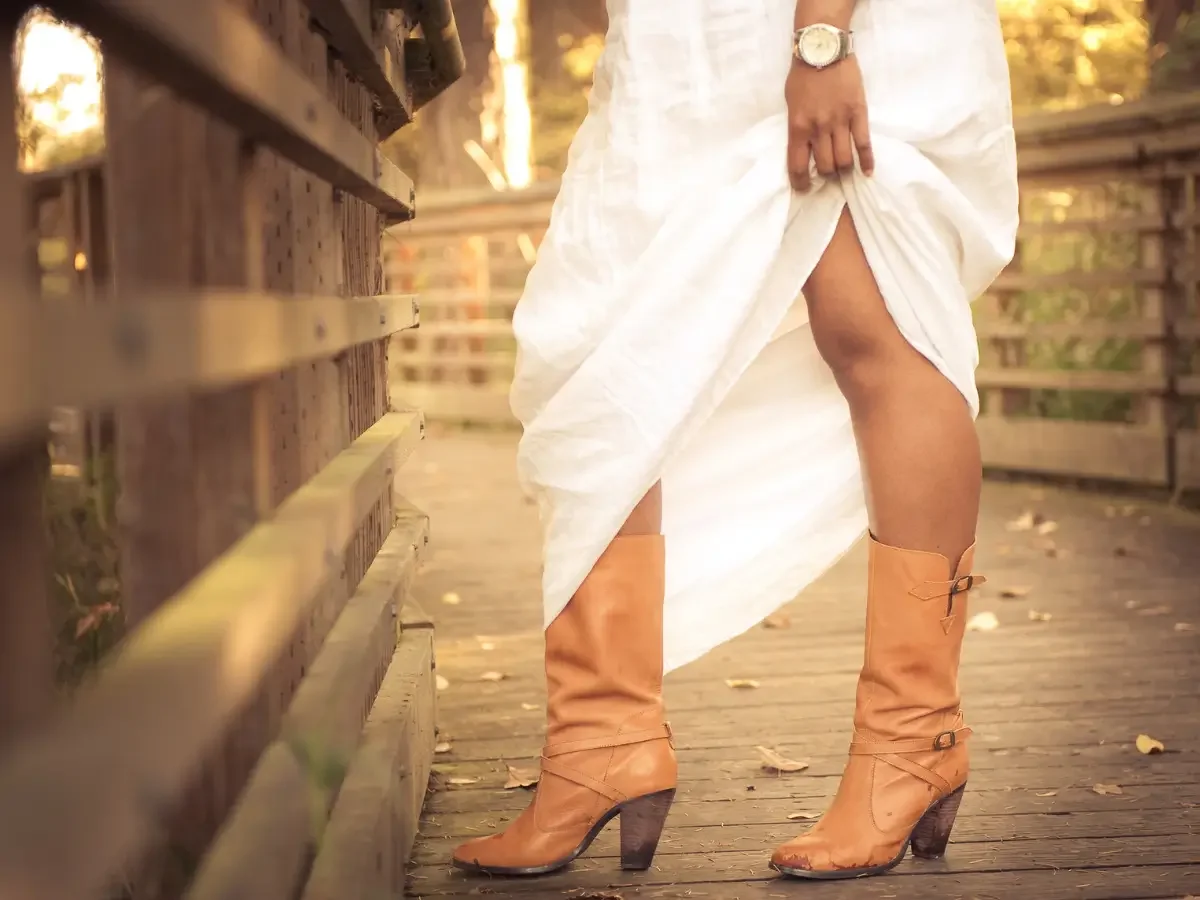
Beneath the coat and the knit, the bottoms carry the season: wool-blend tailored trousers, straight-leg jeans in a dark wash or with a raw hem, a maxi skirt in thick knit or leather. Boots set the tone. Knee-high leather or suede brings warmth and edge; a lug-soled Chelsea adds traction, while a platform loafer or retro high-top with thick socks suits milder days. A square toe, croc texture, or metallic accent can lift even the plainest outfit. Knee-high socks peeking above a boot become part of the silhouette.
What Layering Is For
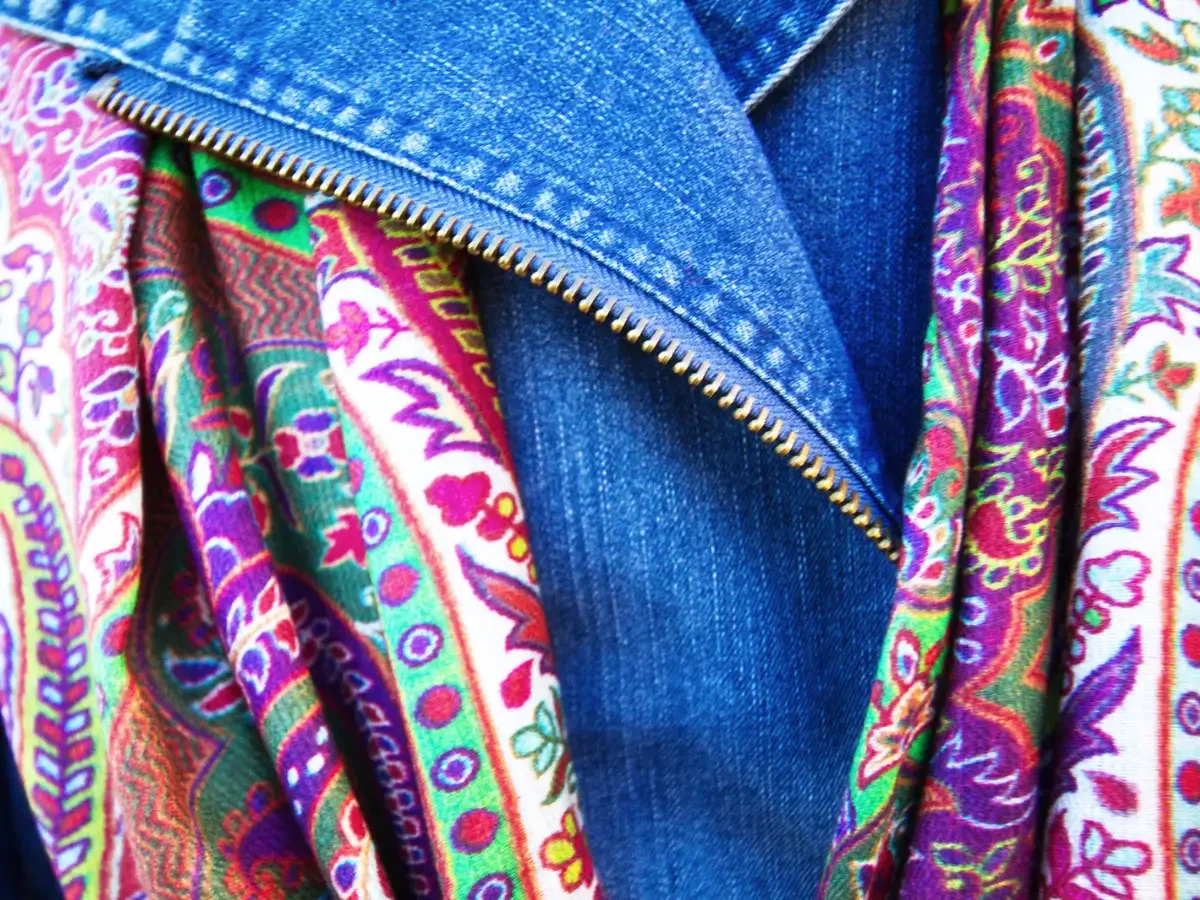
Layering is a question of proportion, texture, and what each piece is doing. A fitted base, whether a turtleneck or a long-sleeve top, sets a clean foundation. A mid-layer adds warmth without bulk: a knit, a vest, a cardigan. An outer layer gives the whole its shape, whether a blazer or an oversized coat. Accessories come last, and each should have a purpose: a scarf that adds texture, a belt that defines the silhouette, a hat that completes rather than competes.
The instinct to match textures is right, but the more useful instinct is contrast. Wool with silk. Denim with knit. Those combinations feel effortless and usually involve an unexpected pairing.
The Edit
In the 1970s, the London boutique owner Susie Faux revived the term “capsule wardrobe” for a small collection of essentials that would last across seasons. In 1985, Donna Karan brought the idea to a wider audience with Seven Easy Pieces.
A winter capsule is an edit: two or three base layers, a statement knit, one great coat and a practical alternative, a neutral trouser and a skirt, two pairs of boots for different days, and a handful of accessories chosen deliberately rather than accumulated. The aim is a wardrobe where almost everything works with almost everything else, not because it is uniform, but because the pieces were chosen with that in mind.
Winter dressing at its best is not about keeping up. It is about knowing what you already have, choosing with care what you don’t, and wearing both with the quiet confidence of someone who has stopped dressing for anyone but herself.
Further Reading: On Editing What We Wear
These pieces follow the same idea in different forms—that the clothes we keep say more than the clothes we buy.
→ Dressing for the Woman You Are Becoming: The closet audit behind the edit: what still feels like you, what never did, and what used to.
→ The Women Who Dress Best Are Not the Ones Who Follow Trends Most Closely: The same argument at wardrobe scale: style as a point of view, not a trend exercise.
→ The Dress You Saved for Spring: The other half of winter: the dresses and accessories that wait for spring, and what they are made to withstand.
Disclaimer: This page contains affiliate links. This means that if you make a purchase through these links, we may earn a small commission at no extra cost to you. We only recommend products and services that we truly believe in and think will add value to your experience.