On what yoga and Pilates each ask of a body built for speed.

To a body trained for speed, stillness first registers as boredom.
Pilates rewards that training. Its movements are precise, its transitions quick, its center of gravity the core. It suits a fast life because it moves at the speed of one. Yoga, by comparison, can feel too slow to count as exercise at all.
Then comes a cold morning and a hot room, entered out of curiosity rather than conviction. Many people leave that first class lighter and calmer than they arrived. What changed is rarely the muscles. It is the sense of having been somewhere other than ahead of themselves, and that sense is often where a winter practice begins: as a reset that restores energy and steadies the mind.
Two Disciplines, Two Temperaments

Pilates is the art of doing. It is a practice of alignment and precision, built on core stability, that sharpens coordination and tones the body without bulk. It suits anyone who thrives on structure, flow, and posture that holds.
Yoga is the art of being. It joins breath, body, and mind, and builds gentle strength as a byproduct of attention rather than its aim.
Both improve flexibility, posture, and balance. One does it through structure, the other through stillness. They are less rivals than a sequence: Pilates strengthens the foundation that yoga’s flowing and restorative work depends on.
The Return on Slowness
Slow, deliberate breathing engages the parasympathetic nervous system, the body’s rest response, and is associated with lower stress and better sleep. This is the case for yoga in winter: calmer nerves, deeper sleep, and over the weeks, steadier energy and a complexion that reads as rested.
A Winter Rhythm
A seasonal rhythm suggests itself: yoga for winter’s inward turn, Pilates for the rebuilding that comes as the days lengthen. Within yoga, the style can follow the temperature. Power or Vinyasa on cold days raises circulation and keeps the body warm. Yin or Hatha is for when tension needs releasing rather than burning. For a guide to the styles, see Style Is Only Half the Choice.
The choice between the two comes down to temperament. Pilates suits those who want core strength and structure. Yoga suits those who need calm, flexibility, and better sleep. Together they make a body that is strong and unhurried at once.
Beginning at Home
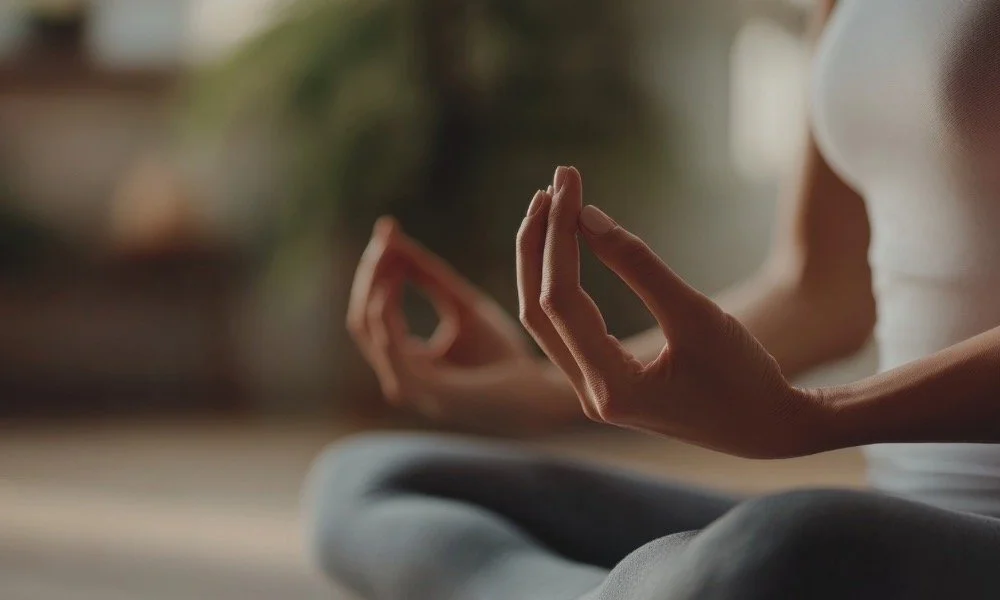
No studio is required. An online class, such as those from Move With Nicole, is enough. Twenty minutes, two or three times a week, builds consistency faster than ambition does. Fifteen minutes a day works as well, and is often enough to ease tension, improve sleep, and lift energy through the season.
Winter is a fitting time to learn the difference between the two practices. The body, like the year, has a time to build and a time to restore. The skill is knowing which one it is asking for.
Further Reading: On Strength and Stillness
These pieces explore how the body learns what the mind keeps resisting: that rest is a discipline, and that strength comes in more than one form.
→ Style Is Only Half the Choice: On the five styles and the room that decides whether any of them lasts.
→ The Glow Follows the Rest: On sleep, and why a rested body shows.
→ Spring Asks for Orientation: On returning to the body by sensation before instruction.