On finding the yoga practice and the people that fit.

Yoga is not a practice, but a family of practices. And a first class is often a lesson in how far apart the relatives can be. Each carries its own rhythm, intensity, and energy: some built for momentum, some for strength, some for stillness.
It is an old tradition with many branches. What follows covers the five styles most often found in a modern studio, arranged not by popularity but by tempo, from the rooted to the athletic to the still. For how yoga sits alongside Pilates, see The Art of Being and the Art of Doing.
The Root

Hatha is the root of most physical yoga styles: a slower session built on basic postures and breathwork. For anyone new to the mat, or returning after time away, it is the gentlest way to build strength, improve flexibility, and learn what relaxation feels like when it is practiced rather than hoped for.
Flow and Force
Vinyasa, often called flow yoga, links breath to continuous movement. Depending on the teacher, the pace runs from moderate to vigorous. Classes vary, which rewards anyone who likes variety, creativity, and a body that is asked something new each time. Power yoga is its athletic offshoot: vigorous, energizing, and focused on strength, stamina, and flexibility, with enough attention to breath that it remains a practice rather than a workout alone.
The Discipline of Staying
Yin slows everything. Poses are held for three to five minutes, working into the connective tissue and fascia, and the challenge shifts from effort to endurance: staying steady and staying attentive, after the mind asks to leave. It suits anyone carrying tension, anxiety, or stress, and tends to build concentration along the way.
Restorative goes further. Props support the body in long-held poses, with no active stretching or intensity; it's the natural choice for anyone recovering from burnout or depleted.
The Room Matters
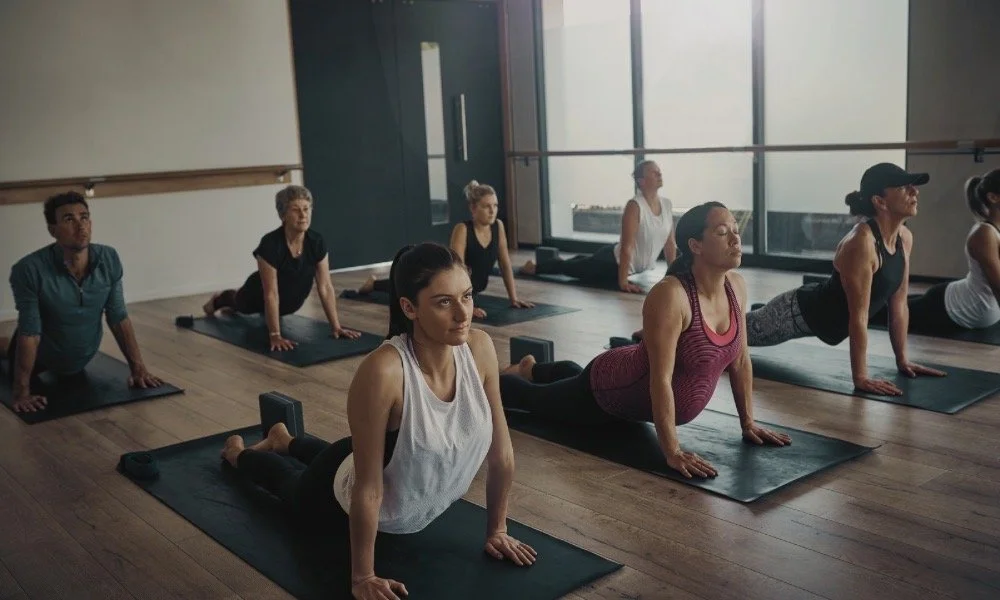
The studio and its teacher shape a practice as much as the poses do, and a good room tells you quickly. You feel welcomed and seen, not assessed. The instruction is clear and inclusive. What is taught suits your goals and energy as they are, not as they were last year. And the location and schedule are ones you can actually keep, which counts for more than any single style.
A practice is not fixed. It shifts with the body, the mood, and the year, and the style that suits one season may not suit the next. Treat any first class as a question rather than a commitment. Every style has something to teach, and the right one is usually the one you find yourself wanting to return to.
Further Reading: On Choosing What Fits
These pieces explore how a practice, once chosen, becomes part of a life: through repetition, honesty, and the hours we claim for ourselves.
→ The Art of Being and the Art of Doing: On yoga beside Pilates, and how to blend them.
→ The Feed Is Not a Room: On the rooms and people a screen cannot supply.
→ Micro-Habits: The Case for Starting Small: On beginning small enough to continue.