Winter Doesn't Dry Out Your Skin. It Just Stops Forgiving You For Everything Else.
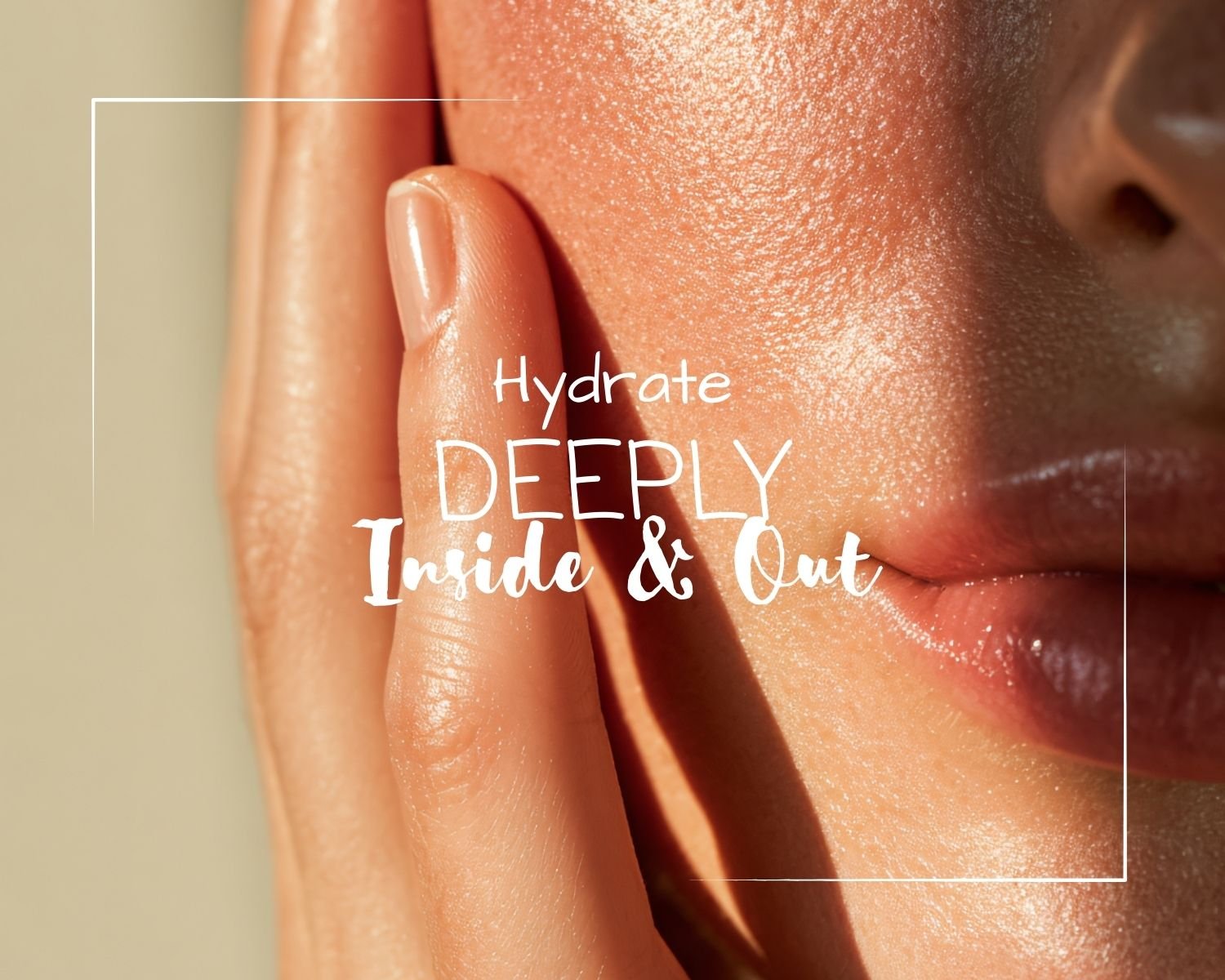
Winter doesn't ask your skin to do anything new. It just stops covering for what your routine was already getting away with.
The gel cleanser that felt fine in July starts stripping. The exfoliating acid that used to leave your skin glowing starts leaving it raw. None of these products changed. The air did—and a compromised barrier that spring and summer humidity was quietly forgiving has nowhere left to hide.
Board-certified dermatologist Dr. Elizabeth Kiracofe explains it plainly: as humidity drops, skin loses its ability to hold onto moisture, and cold air makes fine lines and dehydration more visible. The fix isn't more product. It's the right product, applied with more restraint.
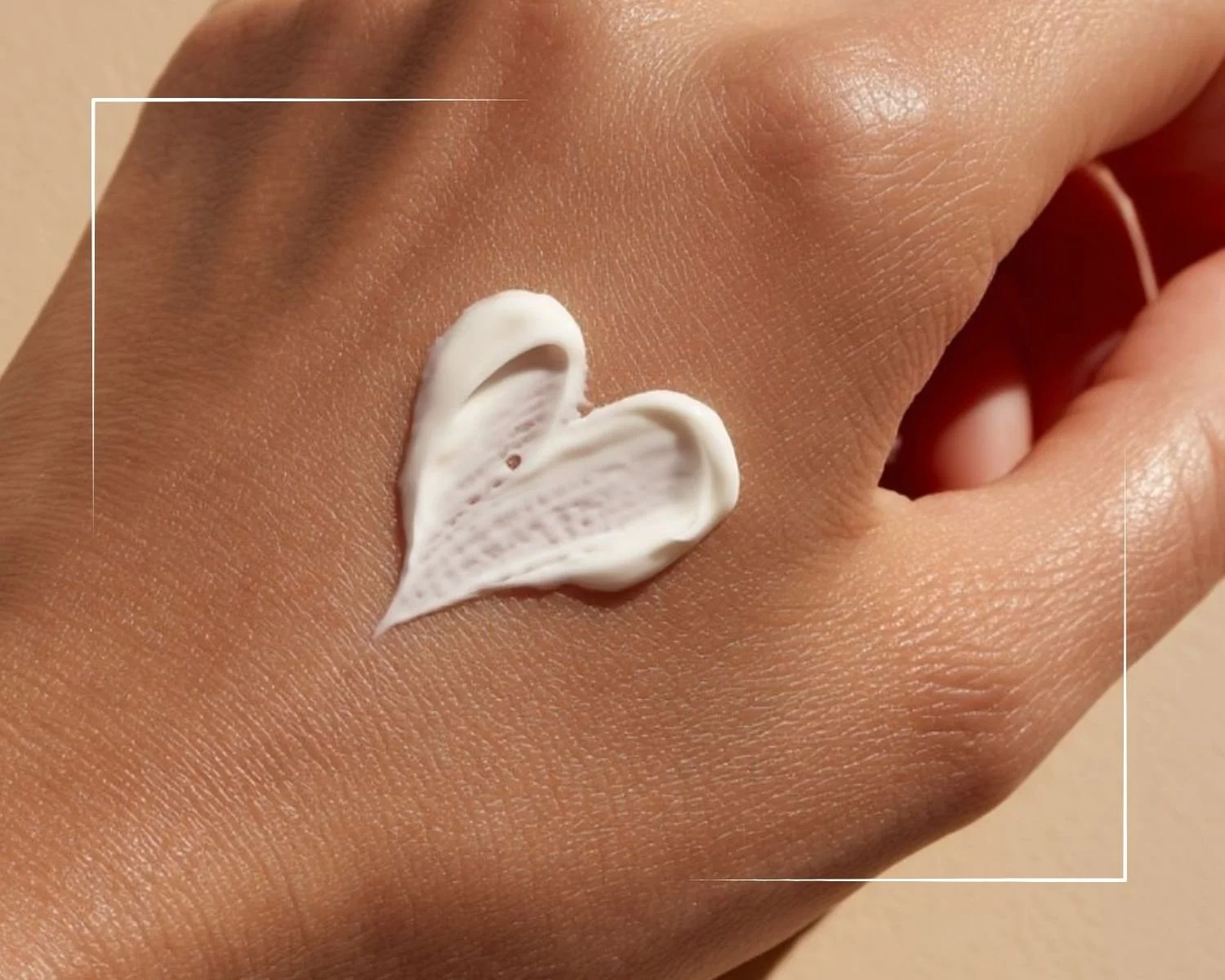
The fix is rarely more product. It is the right product, applied with restraint.
Start With What Your Skin Is Actually Telling You
New flakiness. Redness. Tightness that wasn't there a month ago. These aren't problems to power through with a heavier serum layered over the old routine—they're signals that the routine itself needs to change.
Dr. Kiracofe's advice is to simplify before you add: switch to heavier creams, and ease off strong exfoliating acids that a dehydrated barrier can no longer tolerate.
The Habits That Actually Move the Needle
Shorter, cooler showers. Hot water strips the same lipids your skin is already struggling to hold onto. Under ten minutes, lukewarm, with a barrier cream applied while skin is still damp—not after it's had time to dry out again.
Richer formulas, fewer of them. If summer called for something light and clarifying, winter calls for ceramides, hyaluronic acid, peptides, squalane. Fragrance-free, where you can manage it—raw, winter-stressed skin reacts to more than just weather.
Hydration from both directions. A cool-mist humidifier overnight does more for your skin than most serums will. Pair it with a hyaluronic acid layer before your moisturizer, and a facial mist for the afternoon stretch when indoor heat starts pulling moisture back out.
What I Reach For
I keep this list shorter than it used to be, which is its own kind of lesson.
For cleansing, something creamy enough not to fight the season—True Botanicals' Nourishing Cleanser, or Peach & Lily's Power Calm when my skin is feeling more reactive than usual. For repair, a barrier-focused moisturizer with ceramides and niacinamide, and a hyaluronic serum underneath it when the air's been especially unkind. And a mineral SPF, every day, without exception—winter light is stronger than it feels, and it reflects off far more than you'd think.

Winter Is a Renewal Season, Not Just a Survival One
With lower UV exposure, this is the best window for the gentler treatments that summer sun makes riskier—LED light therapy, peptide-rich masks, a light enzyme exfoliation here and there. Your skin type shifts with the season. What felt oily in August can feel sensitive by January, and the routine has to be willing to shift with it.
None of this requires more effort than what you're already doing. It requires a slightly different kind of attention—the kind that notices what the season is actually asking for, instead of running the same routine on autopilot until skin stops cooperating.
Winter doesn't have to mean dull or tight. It just means listening a little more closely to what usually gets ignored the rest of the year.
Further Reading: Skin, Season, and the Routine That Holds
These pieces explore barrier repair, ritual, and care as a form of attention—through every season that tests it.
→ Spring Skin Reset: How to Repair Your Skin Barrier Naturally The same barrier-first philosophy—applied to the season on the other side of winter.
→ What Your Hair Is Actually Telling You The same restraint-over-accumulation approach—applied to hair instead of skin.
→ Skin Barrier Repair: Why It Matters — and How to Start Now What actually depletes the barrier and what genuinely restores it.
→ The Best Non-Toxic Nighttime Skincare Routine The repair that happens while you sleep—and how to support it.
→ Fragrance as Identity On how the smallest sensory rituals often carry the most meaning.