A whisper could finally be heard, and popular music learned to confide.
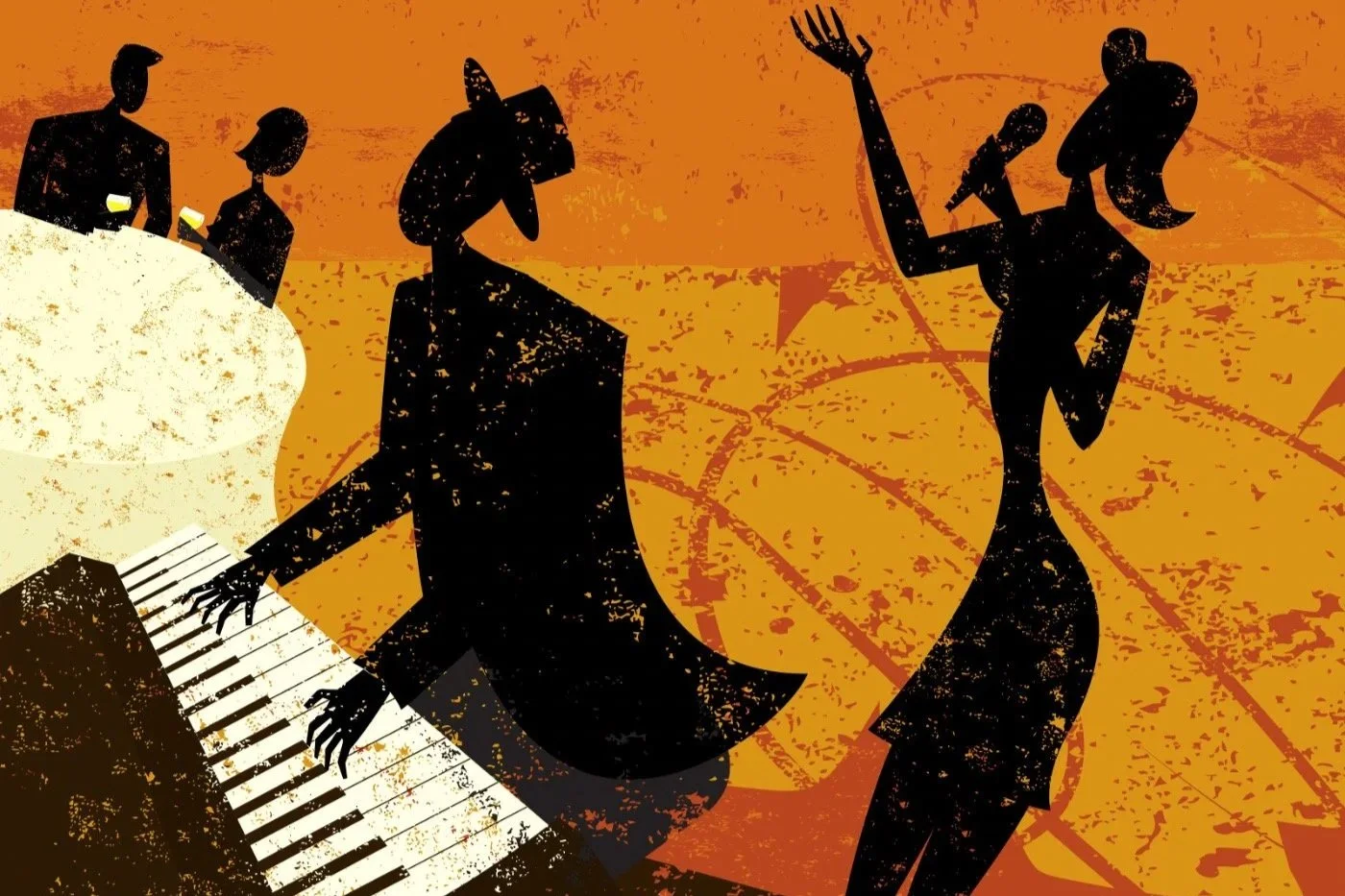
For most of history, a singer had to reach the back of the room. The voice was something thrown, and the people who threw it best had the lungs for it. Then the microphone arrived, and a voice no longer needed to travel. It needed only to be believed from a few inches away.
The change came with electrical recording in the mid-1920s. Among the early commercial sessions, in February 1925, was one by a pianist known as the Whispering Pianist, Art Gillham, whose gentle croon was what the new system could preserve: a breath, a hesitation, a thought not quite meant for anyone else.
A Style Mistaken for a Threat
Whispering became crooning, and crooning became a scandal. Rudy Vallée, who had once sung through a megaphone to be heard over his band, became its most famous practitioner. His first film, The Vagabond Lover (1929), was sold on the fascination and hostility his style provoked. Singing teachers warned that it would weaken the American chest. A novelty record in 1931 urged men to resist Crosby, Columbo and Vallée as public enemies who had entered the home by radio.
It’s easy to hear the joke. It is harder to miss the anxiety beneath it. A man who sang softly into a microphone sounded as though he were confessing, and a country in the middle of the Depression wasn’t sure it wanted its men to confess.
Songs Made for One Listener
Fred Astaire never had a large voice and never needed one. He introduced “Cheek to Cheek” in the 1935 film Top Hat, and he sings it as a man might say it to the person he is dancing with. Vallée’s “Life Is Just a Bowl of Cherries,” from 1931, belongs to the same school: cheerfulness delivered at conversational volume, closer to reassurance than to performance. Where Astaire makes intimacy romantic, Vallée makes it companionable. Most of the songs on the companion playlist were built this way.
A Room of Two Hundred and Twenty
No one used the closeness more fiercely than Billie Holiday.
Café Society opened in Greenwich Village in December 1938 and is often described as the first racially integrated nightclub in the country. Its main room held about 220 people. In 1939 she sang “Strange Fruit” there, a song about lynching written by Abel Meeropol, and in a room that size no one could hear it from a distance. She closed her sets with it, the lights lowered and the room brought to silence. She recorded it that April.
What sounds like a private confidence was, in part, a piece of equipment. It was also, by then, a form of courage.
Her “Body and Soul” shows what the same closeness does with ordinary feeling. She sings behind the beat and trusts the microphone to carry what a larger voice would have had to announce. On the record, she holds one word a half-beat longer than the song wants. The band waits for her.
Further Reading: On Listening Closely
Closeness is a skill of the listener as much as of the singer.
→ Why Some Music Makes Us Feel Seen: On emotional recognition, and the songs that understand us before we have words for what we feel.
→ What Queer Cinema Reveals About Fear, Intimacy, and Vulnerability: On the emotional cost of visibility in stories shaped by fear and survival.
→ How Films Shape the Way We Listen, Respond, and Relate: What stories rehearse in us long before we need it.