The Lost English Girl by Julia Kelly
On the choices a mother makes when none of them are good ones.
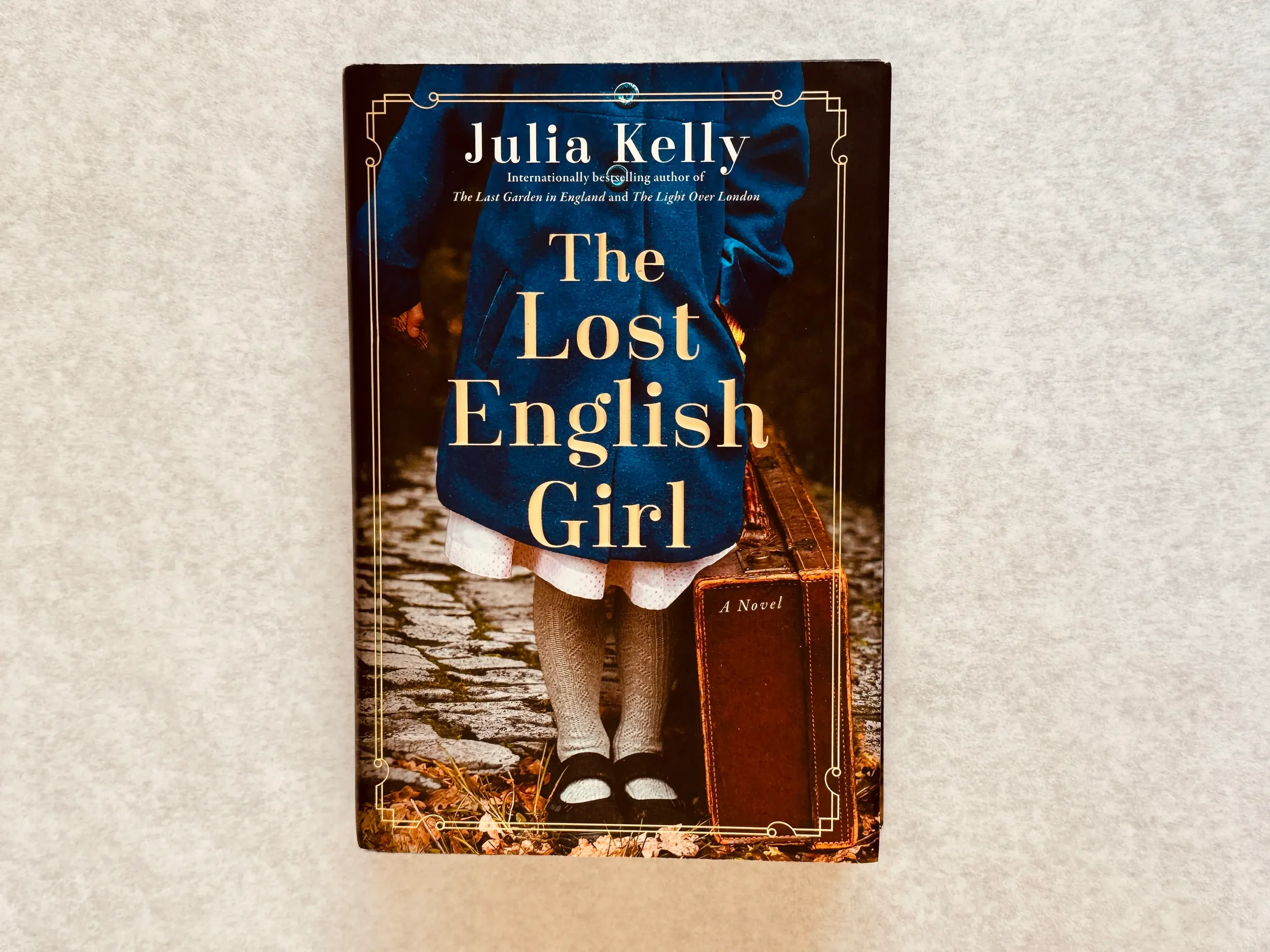
The Lost English Girl by Julia Kelly Book Cover
Liverpool, 1935. Viv Byrne is raised to want one specific life: a Catholic husband, a working-class neighborhood, children who grow up exactly where she did. Julia Kelly's novel doesn't open with the war. She opens with a small collision: Viv falls for Joshua Levinson, a Jewish man with a saxophone and no plan that resembles the one her family already wrote for her.
She's pregnant before either of them is ready to be married. He agrees to marry her anyway. On their wedding day, he leaves.
A Decision With No Good Version
Five years pass. The war Viv couldn't see coming in, and asks her the hardest possible version of the question every parent eventually faces: what do you do with the people you love most when nowhere is safe? She sends her daughter, Maggie, to the countryside, believing she is protecting her.
It isn't. The novel doesn't spare her, or the reader, that discovery.
What the Novel Refuses to Simplify
Kelly isn't interested in painting Viv as either a victim of her circumstances or a woman failed by her own choices. She's both, often in the same chapter—a young woman who did what felt like the only available option, in a family and a country that gave her very little room to choose to begin with.
Joshua's story runs in parallel, an ocean away, carrying a version of the same weight: a man who left, and who spends the rest of the book discovering exactly what that leaving cost
What Gets Carried Forward
Reconciliation, but not the tidy kind. Years later, what Viv and Joshua rebuild doesn't erase what either of them lost along the way—the wedding day, the years apart, the choice made under a threat neither of them fully understood yet.
Some families don't get rescued from history. They get handed a way to keep going anyway.
Further Reading: On Choices Made with No Good Version
These pieces follow the same idea in different forms—that love and harm can share a house, and that the people who stay don't always get a clean resolution for having stayed.
→ The Water Family: A different kind of family, built by five strangers when the one someone was born into refused to show up at all.
→ The Safekeep: A different history, the same weight—a house and a family both built on what was never spoken plainly.