The Safekeep by Yael van der Wouden — Book Review on Stolen Objects, Quiet Denial, and the Love That Forces Truth
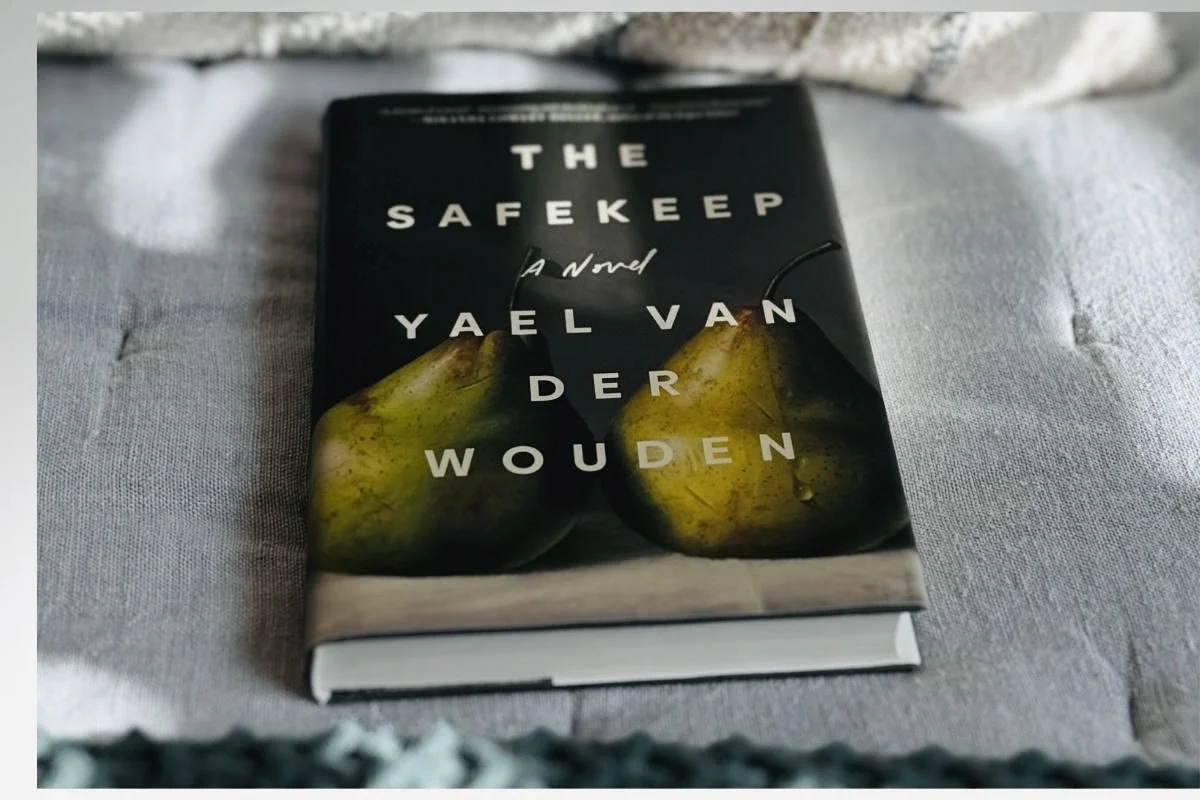
The Safekeep by Yael van der Wouden — a haunting novel about stolen history, silence, and identity.
What does it mean to inherit something that was never truly yours?
The Safekeep, the debut novel by Yael van der Wouden, a quiet house in the Netherlands becomes the stage for a reckoning decades after World War II. This post-war historical fiction novel explores stolen history, inherited silence, identity, and the dangerous intimacy of truth.
As someone who frequently reads literary fiction about loss, memory, and moral inheritance, I found this novel unsettling in a way few books manage. Not because of overt violence — but because of the quiet decision not to ask questions.
The novel unfolds in the Netherlands years after World War II, inside a house that appears preserved, respectable, orderly. Isabel lives there alone, tending to it with careful devotion. Every object is monitored. Every cupboard arranged. The house is treated as inheritance— as proof of continuity.
What Is The Safekeep About?
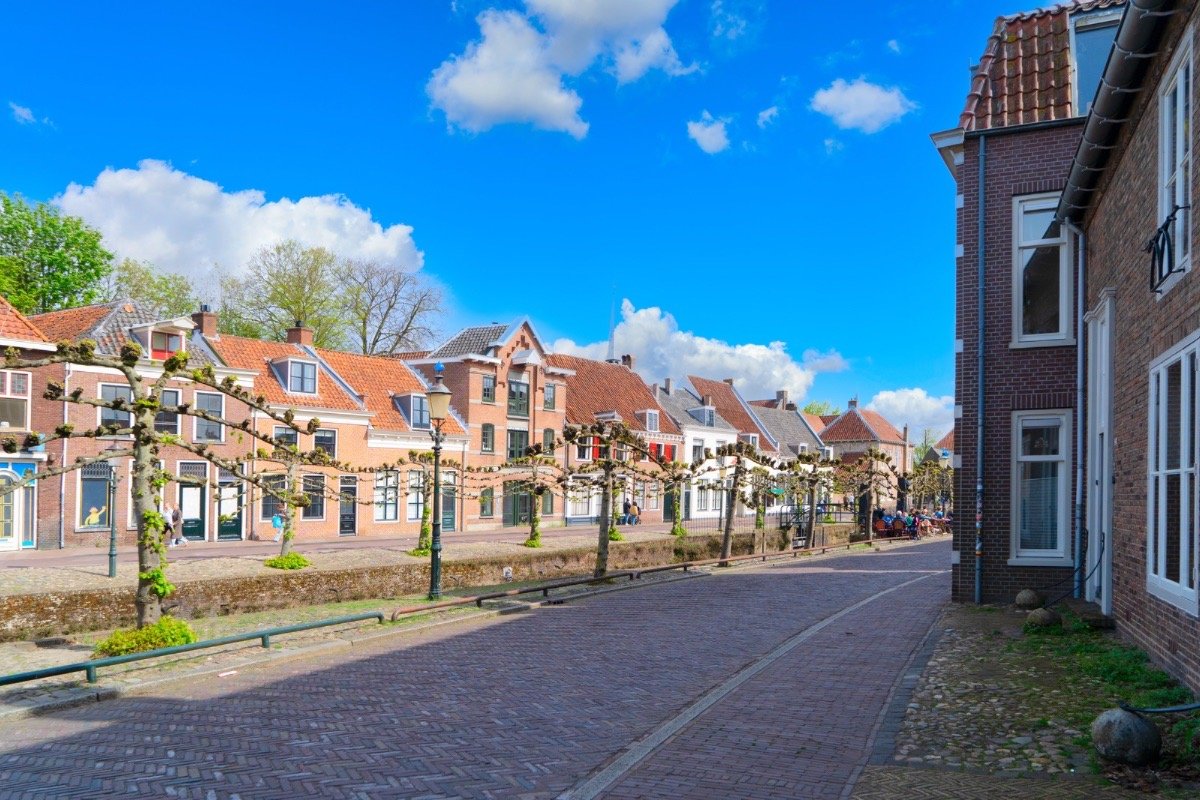
A quiet Dutch street reminiscent of the post-war setting in The Safekeep, where inheritance and silence shape everyday life.
Set in the Netherlands years after World War II, The Safekeep follows Isabel, a woman living alone in her late mother’s carefully preserved home.
Every object is monitored.
Every cupboard arranged.
Every memory curated.
The house represents continuity. Stability. Legitimacy.
Until Eva arrives.
What Isabel believes is inheritance, Eva recognizes as displacement. The china Isabel thinks belonged to her mother once belonged to Eva’s family. Two women. One object. Two histories.
This is not just a story about romance. It is a novel about stolen property, post-war erasure, and the cost of choosing not to know.
Post-War Historical Fiction and Stolen Property
The preserved house in The Safekeep becomes a symbol of inheritance, memory, and moral denial.
One of the most haunting aspects of this post-war historical fiction novel is how naturally life continues after devastation.
Families were removed.
Homes were reassigned.
Objects redistributed.
Then time moved forward.
There is something deeply unsettling about how quickly “before” becomes “after.” Not through dramatic transformation — but through normalization.
Isabel does not see herself as someone living inside stolen history. She believes she is preserving her mother’s legacy. Safekeeping what is hers.
But what is “hers” if the origin was never examined?
Van der Wouden never delivers this as accusation. She lets it linger in glances, in silence, in Eva’s awareness. The war may be over, but the moral accounting never truly happened.
Silence, Identity, and Inherited Narratives
Isabel’s rigidity feels defensive. If the house is legitimate, then her life is stable. If the objects are hers, then her identity holds.
To question the past would unravel her present.
And this is where The Safekeep feels painfully relevant. How often do we accept inherited narratives because they protect our comfort? How often do we live inside security without asking who was displaced to make space for it?
History does not only repeat in dramatic cycles.
It repeats in quiet acceptance.
A signature on paper.
A silence maintained.
A new name on a door.
This is why the novel belongs among powerful books about silence and identity. It examines how erasure survives not through force — but through politeness.
Isabel and Eva: Love as Moral Reckoning
Isabel and Eva’s charged relationship unfolds against a backdrop of inherited silence and stolen history.
Eva arrives not just as a romantic disruption, but as a moral one.
She moves through the house with familiarity. She touches what Isabel guards. She sees what Isabel refuses to confront.
Beneath the tension between them is desire — restrained, confusing, undeniable.
This is another layer of suffering within the novel: the pain of wanting in a society structured by restraint. The post-war environment is shaped by religious undertones, social expectations, and unspoken rules about who women should be.
Isabel’s longing for Eva threatens everything.
To desire Eva is to acknowledge both personal and historical truth.
And that is terrifying.
This is why calling The Safekeep simply a romance would be misleading. It is literary fiction about loss and love — where desire becomes confrontation.
When History Feels Like It Hasn’t Learned
What stayed with me after I finished the novel was not only the relationship, but the pattern:
People are displaced.
Others move in.
Time passes.
Life continues.
We tell ourselves it would be different now. That we would notice.
And yet, history often repeats in quieter forms — through indifference, distraction, and comfort chosen over confrontation.
Like many novels about stolen history, The Safekeep does not preach. It observes. It exposes how easily inheritance becomes entitlement when memory fades.
The Beauty of This Novel
This is not a fast-moving book.
It is deliberate. Observant. Intimate.
It asks you to sit in discomfort — to notice the space between ownership and belonging, between memory and erasure, between love and fear.
At times, it feels painfully relevant.
For readers who prefer slower, morally layered literary fiction, this novel will resonate deeply.
If you prefer faster pacing and sharper plot twists, it may feel restrained. This is a novel built on atmosphere, not shock.
Who Should Read The Safekeep?
1967 — a post-war moment in the Netherlands, echoing the inherited silence and unresolved history explored in The Safekeep.
You should read this novel if you enjoy:
Post-war historical fiction
Books about silence and identity
Literary fiction about loss and love
Morally complex character studies
Queer historical narratives
In Isabel and Eva, we witness not just attraction — but exposure. Not just longing — but reckoning.
The house stands as a symbol of possession.
Their love becomes a symbol of confrontation.
FAQs
What is The Safekeep about?
The Safekeep is a post-war historical fiction novel set in the Netherlands. It explores stolen property, inherited silence, identity, and forbidden desire through the complex relationship between Isabel and Eva.
Is The Safekeep based on real historical events?
While fictional, the novel draws from the real history of property confiscation and displacement in the Netherlands during and after World War II.
Is The Safekeep a romance?
It contains a central romantic tension, but it is best described as literary historical fiction focused on identity, moral reckoning, and the lingering impact of war.